Dog Breed Guide NZ
Gordon Setter
The Gordon Setter, a majestic and bold hunter hailing from Scotland, is instantly recognisable by its striking black-and-tan coat. As the largest of the setter breeds, they possess remarkable stamina and an intelligent, affectionate nature, making them more than just a beautiful face. These loyal companions thrive on activity and close family bonds. In New Zealand, their love for the outdoors makes them an excellent fit for active Kiwis who enjoy tramping, beach walks, or exploring our vast natural landscapes. A Gordon Setter brings both elegance and an adventurous spirit to any home willing to provide the exercise and mental stimulation they crave, adapting well to a lifestyle that embraces our unique environment.
Photo Gallery
Breed Snapshot
- Size
- Male: 25-36 kg; Female: 20-32 kg
- Lifespan
- 12-13 years
- Origin
- Being enriched
- Temperament
- Confident, loyal, affectionate, intelligent, eager to please, alert
- NZ Price
- $1,500 - $3,500 NZD from registered breeders; $150-$350 NZD adoption via SPCA
- Annual Vet Cost
- Estimated annual vet costs for a Gordon Setter in NZ typically range from $600 - $1,200 NZD. This includes routine check-ups, vaccinations, flea and worm treatments. Breed-specific health concerns like hip and elbow dysplasia, progressive retinal atrophy (PRA), and bloat (gastric dilatation-volvulus) can incur additional costs for screening, medication, or surgery, potentially adding several thousands if severe. Hypothyroidism is another condition that may require ongoing medication.
Personality Scores
NZ Lifestyle Fit
Gordon Setters are generally not suited for apartment living, even in Auckland, due to their size and high energy levels. They need space to move and play. A house with a securely fenced section is far more appropriate, allowing them room to burn off energy. They truly thrive in rural New Zealand settings, such as a farm or lifestyle block, where their natural hunting instincts and stamina can be fully utilised. Regarding climate, their thick coats handle South Island cold winters well, but owners must provide shelter. Auckland's humid summers and New Zealand's high UV index require vigilance; ensure access to shade and fresh water, and avoid strenuous exercise during the hottest parts of the day to prevent overheating. Sunscreen on sensitive areas like noses can be beneficial. There are no specific MPI restrictions on owning Gordon Setters in New Zealand.
Origins & History
The Gordon Setter's lineage traces back to 17th-century Scotland, where they were meticulously bred by the Dukes of Gordon at Gordon Castle. Their primary role was to work as a gundog, specifically trained to 'set' or crouch low when they located game birds, allowing hunters to net the birds. Unlike other setters that were often white with patches, the Gordon Setter was specifically developed for its distinctive black-and-tan coat, which was believed to offer better camouflage in the Scottish moors. The breed's development was focused on creating a dog with exceptional stamina, intelligence, and a keen nose, capable of enduring long days in rugged terrain. Over centuries, they evolved into the elegant yet robust dogs we know today, retaining their strong hunting instincts and dignified presence.
Appearance
The Gordon Setter is a powerful, well-built dog, exuding an air of nobility. Males typically weigh between 25-36 kg and stand 61-69 cm at the shoulder, while females range from 20-32 kg and 58-66 cm. Their most defining feature is their striking black-and-tan coat, which is glossy and sleek on the body, with longer feathering on the ears, chest, legs, and tail. The tan markings are a rich chestnut or mahogany colour, precisely placed above the eyes, on the sides of the muzzle, throat, chest, and legs. Their expressive, dark brown eyes convey intelligence and a gentle nature. The breed's strong, muscular body is built for endurance and agility, perfectly proportioned to their size.
Temperament & Personality
Beneath their dignified exterior, Gordon Setters are known for a confident, loyal, and deeply affectionate temperament. They form strong bonds with their families and thrive on companionship, often described as 'velcro dogs' dueishing to be close to their people. Intelligent and eager to please, they respond well to consistent, positive reinforcement training, though their independent hunting instincts can sometimes lead to a stubborn streak. They are alert and make good watchdogs, without being overly aggressive. With proper socialisation, they are generally good with children and other pets, displaying a patient and playful nature. Their high energy levels mean they are not content to be couch potatoes; they need regular mental and physical stimulation to prevent boredom and destructive behaviours.
Life in New Zealand
Gordon Setters are well-suited to the active, outdoor lifestyle often enjoyed by Kiwis. Their love for exercise makes them ideal companions for tramping, beach runs, or exploring our numerous dog-friendly reserves. While adaptable, they truly flourish in homes with a decent-sized, securely fenced section where they can roam and play. Their thick coats provide good insulation against cooler South Island winters, but owners must be mindful of our strong sun and humid North Island summers, ensuring adequate shade and hydration. With a strong hunting heritage, they excel in dog sports like agility, obedience, and scent work, providing excellent outlets for their intelligence and energy. They thrive as part of a family, integrating well into the Kiwi bach lifestyle or daily routines, provided their exercise needs are met.
Is This the Right Breed for You?
Bringing a Gordon Setter into your home is a significant commitment. They require an owner who can dedicate substantial time to their exercise, training, and grooming needs. If you're an active individual or family who enjoys outdoor adventures and can provide at least an hour or two of vigorous activity daily, a Gordon Setter could be your perfect match. They thrive on companionship and are not suited to being left alone for long periods. Prospective owners should be prepared for their intelligent nature, which requires consistent, positive training from a young age. Their loyalty and affectionate nature make them wonderful family pets, but their size and energy mean they are best suited to homes with space, rather than small flats. If you're ready for a devoted, active, and strikingly beautiful companion, the Gordon Setter might just be the ideal addition to your Kiwi household.
Fun Facts
Fact 1
The breed is named after Alexander, the 4th Duke of Gordon, who is credited with refining the breed at Gordon Castle in Scotland.
Fact 2
They are the only setter breed with a distinctive black-and-tan coat, setting them apart from their Irish and English cousins.
Fact 3
Gordon Setters possess an incredibly keen sense of smell and were originally bred for their exceptional ability to locate game birds on the Scottish moors.
Fact 4
Despite their hunting prowess, they are often described as the 'gentleman of the dog world' due to their dignified and loyal temperament.
Fact 5
Gordon Setters mature slowly, often not reaching full mental maturity until they are around three years old, retaining their playful puppy traits longer.
Related Breeds
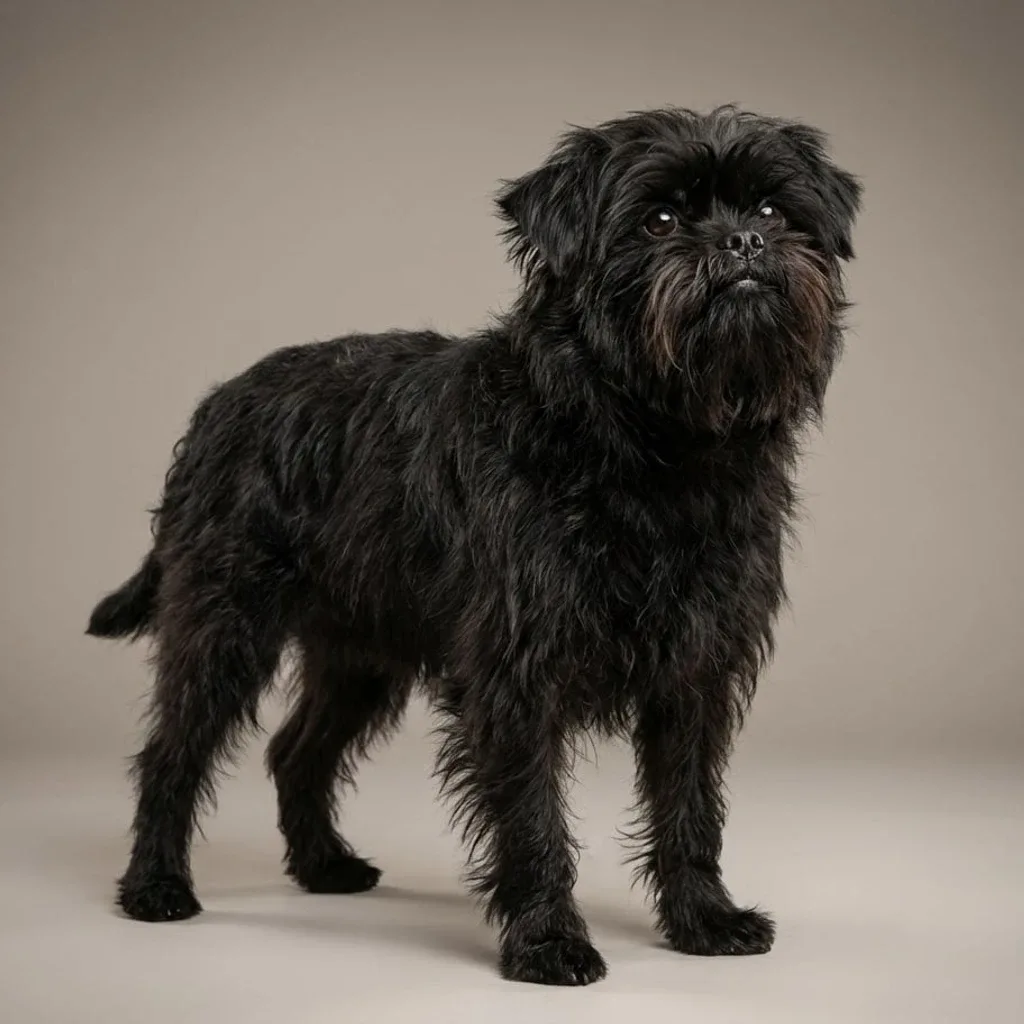
Affenpinscher
The Affenpinscher is a sturdy, monkey-like terrier-type toy breed known for its confidence and playful spirit. Despite its small size, it possesses a courageous heart and a loyal personality, making it a wonderful companion for Kiwi apartment dwellers or those with smaller sections.
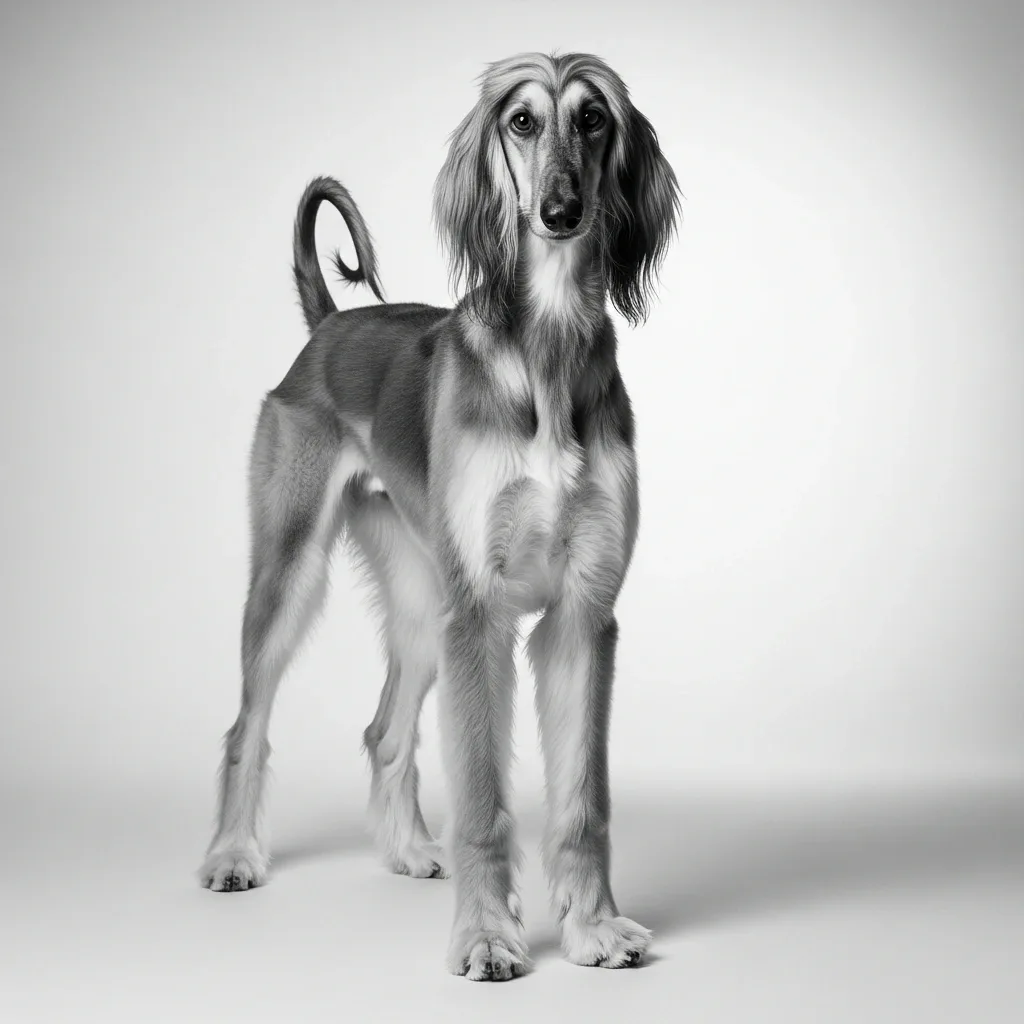
Afghan Hound
The Afghan Hound is an elegant aristocrat with a dignified and aloof personality. Known for its striking, silky coat, this breed is a high-maintenance beauty that requires ample space to run and an owner dedicated to its complex grooming needs.
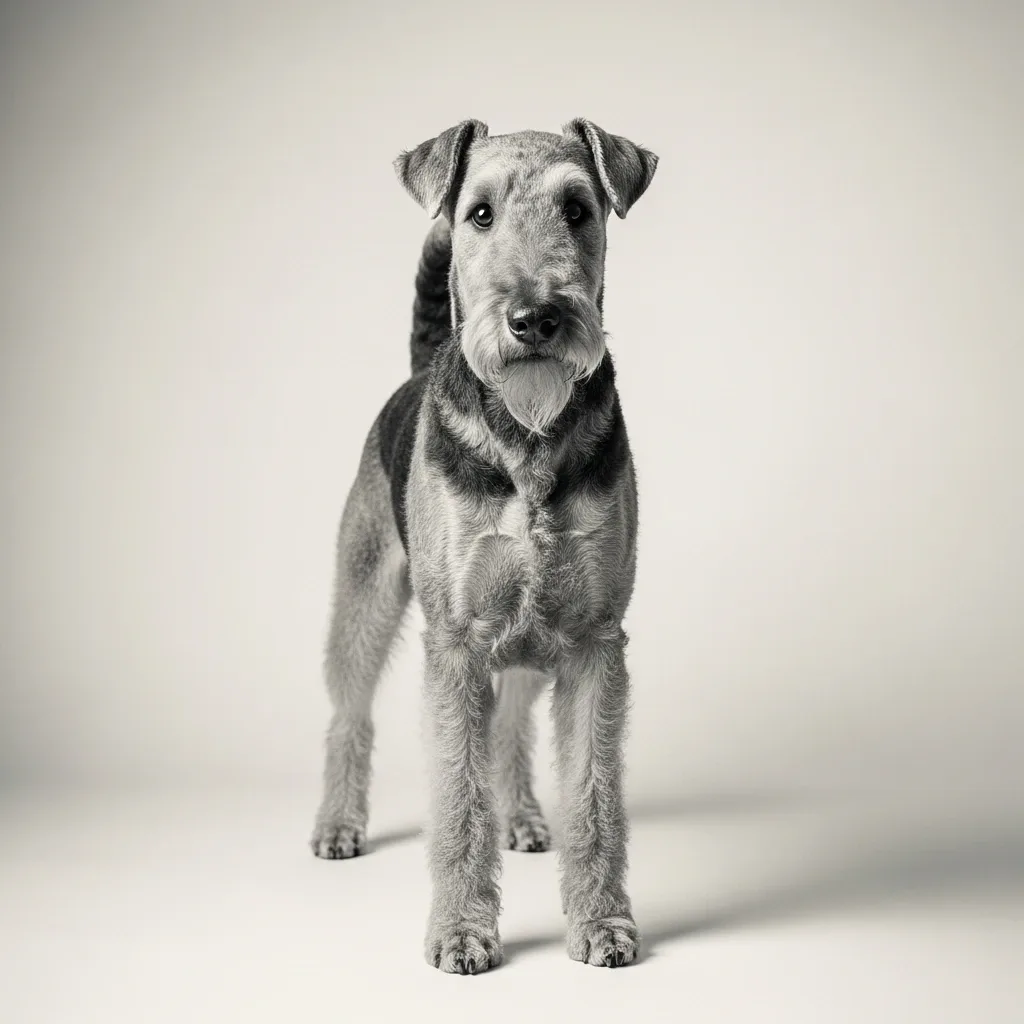
Airedale Terrier
The 'King of Terriers', the Airedale is the largest of all terrier breeds. They are brave, hardworking, and highly intelligent, making them excellent partners for active Kiwi families who love tramping and outdoor adventures.
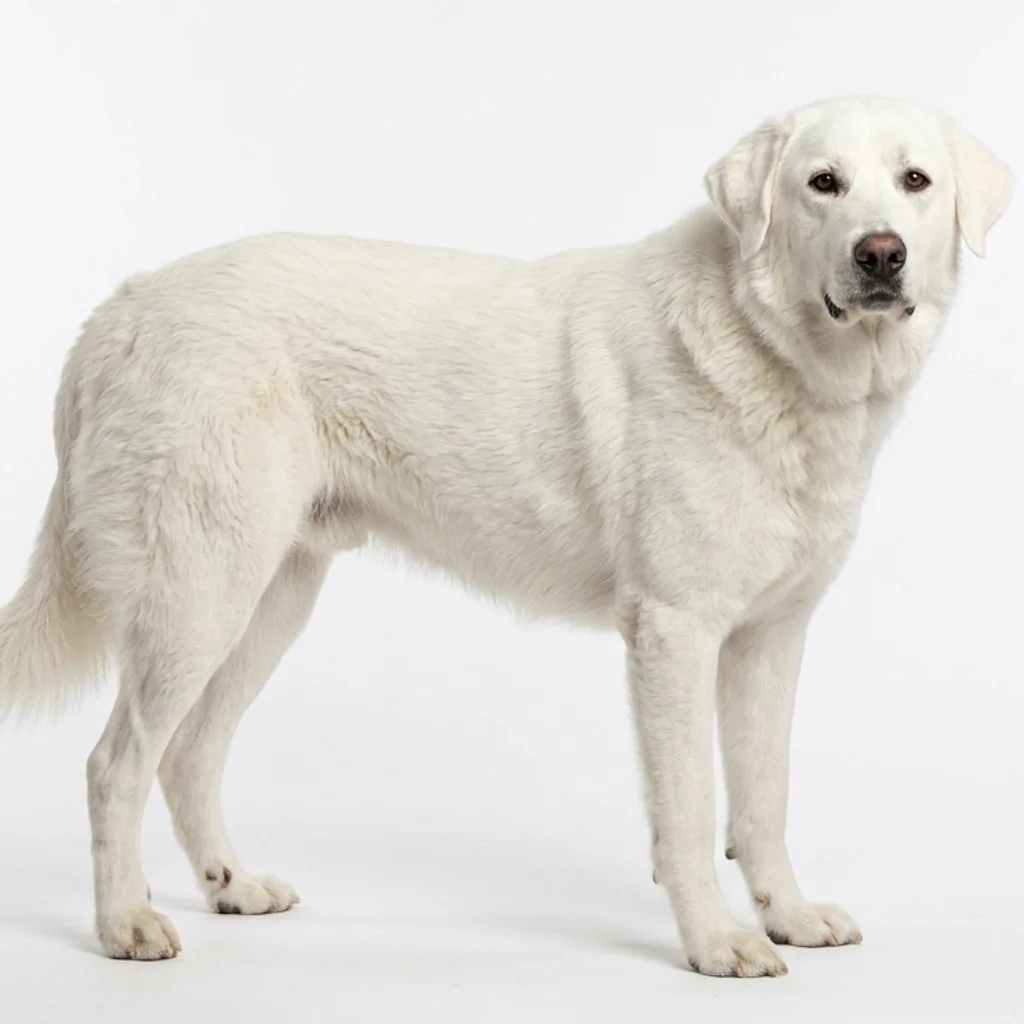
Akbash Dog
Originally a Turkish livestock guardian, the Akbash is a serious, protective, and independent breed. They are not suited for apartment living and thrive on large NZ lifestyle blocks where they can have a 'territory' to watch over.