Dog Breed Guide NZ
Glen of Imaal Terrier
Meet the Glen of Imaal Terrier, a distinctive and hardy terrier from Ireland, renowned for being less 'scrappy' than many of its terrier cousins. These low-slung, courageous dogs possess a surprisingly gentle and docile nature, making them loyal and affectionate companions. While they appreciate a relaxed pace at home, they are always eager for an adventure, whether it's a stroll around the block or exploring a local reserve. Their adaptable temperament and moderate exercise needs make them a fantastic fit for many Kiwi households, offering a unique blend of terrier spirit and family-friendly charm.
Photo Gallery
Breed Snapshot
- Size
- Male: 15-18 kg; Female: 14-18 kg
- Lifespan
- 10-15 years
- Origin
- Being enriched
- Temperament
- Courageous, gentle, loyal, intelligent, spirited
- NZ Price
- $3,000 - $5,000 NZD from registered breeders (due to rarity); $150-$350 NZD adoption via SPCA (if available, which is rare for this breed)
- Annual Vet Cost
- Estimated annual vet costs for a Glen of Imaal Terrier in NZ typically range from $400 - $800 NZD for routine care (vaccinations, flea/worm treatments, annual check-ups). This breed can be prone to certain health issues, including Progressive Retinal Atrophy (PRA), hip and elbow dysplasia, and sometimes spinal issues like Intervertebral Disc Disease (IVDD) due to their long back. Costs for managing these conditions can vary significantly, from $500 NZD for initial diagnostics to several thousands for surgery or ongoing medication, potentially increasing annual costs to $1,500 - $3,000+ NZD if a major issue arises.
Personality Scores
NZ Lifestyle Fit
The Glen of Imaal Terrier's adaptable nature makes them a great fit for various New Zealand living situations. For those in an Auckland apartment, a Glen can thrive provided they receive daily walks and mental stimulation; their relatively calm indoor demeanour is a plus, though humid summers mean access to cool spaces is essential. A house with a section, whether in the suburbs or a lifestyle block, offers an ideal environment for them to potter and explore safely. On a rural NZ farm, their working terrier heritage means they could adapt, but careful management and training are crucial to ensure they don't chase livestock. Their hardy double coat provides excellent insulation for South Island cold winters, but owners should still ensure adequate shelter. New Zealand's high UV levels necessitate protection for all dogs, especially those with lighter coats or exposed skin, so consider shaded areas during peak sun. There are no specific MPI restrictions on importing or owning Glen of Imaal Terriers in New Zealand.
Origins & History
The Glen of Imaal Terrier hails from the remote Glen of Imaal in County Wicklow, Ireland, where they were originally bred as working dogs. Unlike many terriers developed for hunting fox or badger above ground, the Glen was primarily used for 'badger digging' – going to ground to flush out badgers and foxes from their dens. They were also valued as turnspit dogs, using their strength and stamina to power kitchen spits. This demanding work required a dog of immense courage, strength, and tenacity, yet one that was also quiet and biddable enough to work closely with humans. Their unique history has shaped them into a terrier with a distinct personality: spirited and brave when needed, but remarkably docile and less prone to the boisterousness often associated with other terrier breeds. They remained relatively unknown outside of Ireland until the mid-20th century, and even today, they are considered a rare breed, cherished by those who appreciate their unique blend of traits.
Appearance
The Glen of Imaal Terrier is a sturdy, medium-sized dog, characterised by its powerful, low-slung build. Males typically weigh between 15-18 kg, while females are slightly smaller at 14-18 kg, standing about 35.5 cm at the shoulder. They possess a distinctive harsh, wiry double coat, which is weather-resistant and comes in various shades of blue brindle, wheaten (from light to red wheaten), or blue. Their head is strong, with a moderate stop and expressive, dark eyes that convey intelligence and alertness. The ears are small and rose or half-prick. One of their most defining features is their unique front assembly, with slightly bowed legs, giving them a powerful digging stance. The tail is traditionally docked in some countries, but in New Zealand, it is typically left natural, carried gaily when alert and lower when relaxed.
Temperament & Personality
Often described as a 'gentle giant' among terriers, the Glen of Imaal Terrier embodies a delightful paradox. They are courageous and spirited, possessing the typical terrier drive and intelligence, yet they are also remarkably gentle, loyal, and docile. Unlike some of their more excitable terrier cousins, Glens are known for their calm demeanour indoors, enjoying a relaxed pace and a good snooze on the sofa. However, their intelligence and spirited nature mean they are always ready for an adventure or a training session. They form strong bonds with their families and are generally good with children, showing patience and a playful side. While they can be wary of strangers, they are not typically aggressive, preferring to observe. Early socialisation is crucial to ensure they are well-adjusted around other dogs and pets, as their terrier instincts can surface, particularly with smaller prey animals. They thrive on companionship and do not do well when left alone for extended periods.
Life in New Zealand
The Glen of Imaal Terrier's adaptable nature makes them well-suited to various lifestyles across Aotearoa. Their moderate exercise requirements mean they can thrive in a suburban home with a decent section, or even a larger flat in a city like Auckland, provided they receive regular walks and mental stimulation. They enjoy exploring New Zealand's diverse landscapes, from a stroll along a beach to a short tramping track in a regional park. Their hardy double coat provides good protection against both the humid Auckland summers and the colder South Island winters, though care should always be taken to avoid overheating or extreme cold. Their quiet nature makes them good neighbours, and their loyalty ensures they are devoted family members, fitting seamlessly into the relaxed Kiwi lifestyle.
Is This the Right Breed for You?
If you're seeking a loyal, intelligent, and relatively low-key terrier that still possesses a spirited edge, the Glen of Imaal Terrier might be your perfect match. They are ideal for individuals or families who can provide consistent training, early socialisation, and a loving home environment. While they enjoy activity, they don't demand constant high-intensity exercise, making them suitable for those who appreciate a balance of adventure and relaxation. Prospective owners should be prepared for their grooming needs and understand the importance of positive reinforcement training. If you're looking for a unique, devoted companion with a charming personality and a rich history, the Glen of Imaal Terrier could be the wonderful addition to your Kiwi whānau.
Fun Facts
Fact 1
Glen of Imaal Terriers were originally used as turnspit dogs, running on a wheel to turn meat over a fire.
Fact 2
They are known as the 'gentle Glen' due to their more docile nature compared to other terrier breeds.
Fact 3
The breed was nearly extinct by the early 20th century, making them quite rare even today.
Fact 4
Unlike many terriers, Glens are often described as 'silent workers' when hunting, preferring to work quietly.
Fact 5
Their unique front legs are slightly bowed, a trait developed for their badger-digging work.
Related Breeds
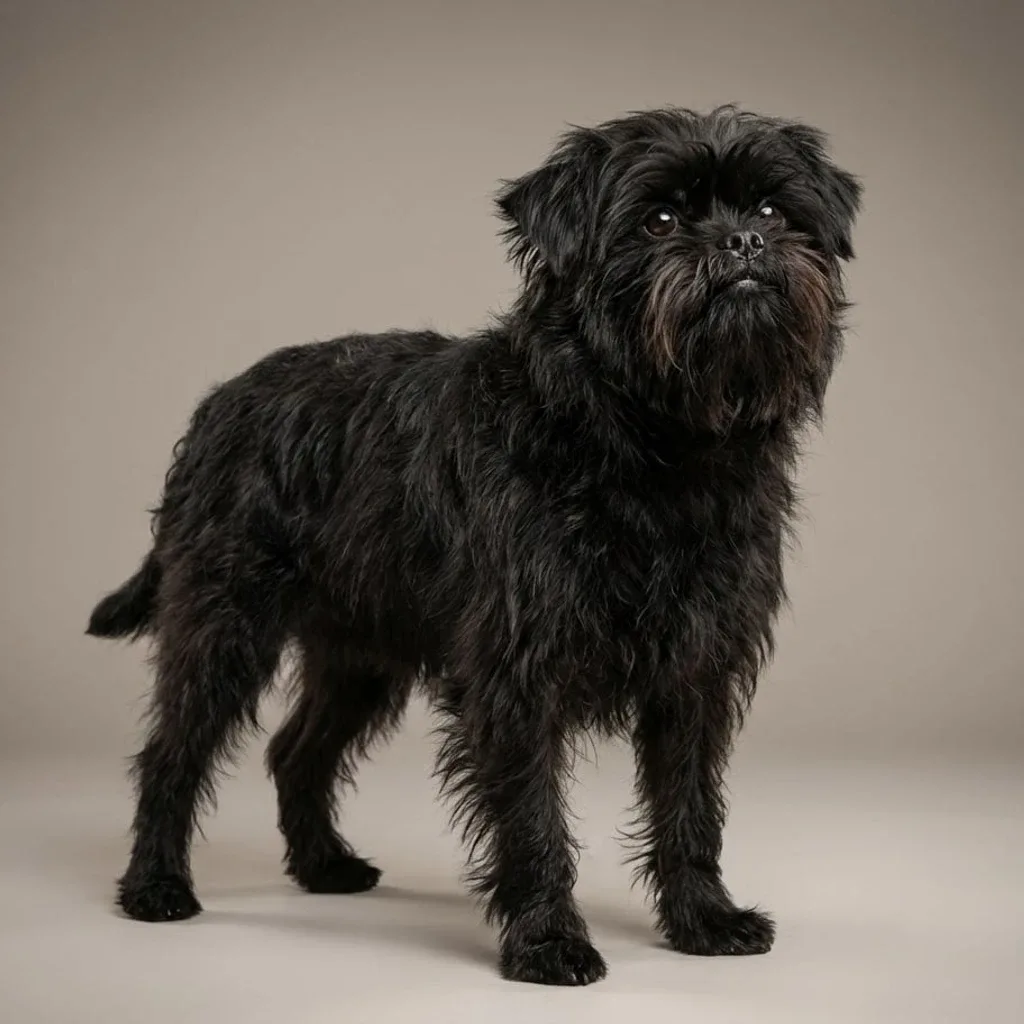
Affenpinscher
The Affenpinscher is a sturdy, monkey-like terrier-type toy breed known for its confidence and playful spirit. Despite its small size, it possesses a courageous heart and a loyal personality, making it a wonderful companion for Kiwi apartment dwellers or those with smaller sections.
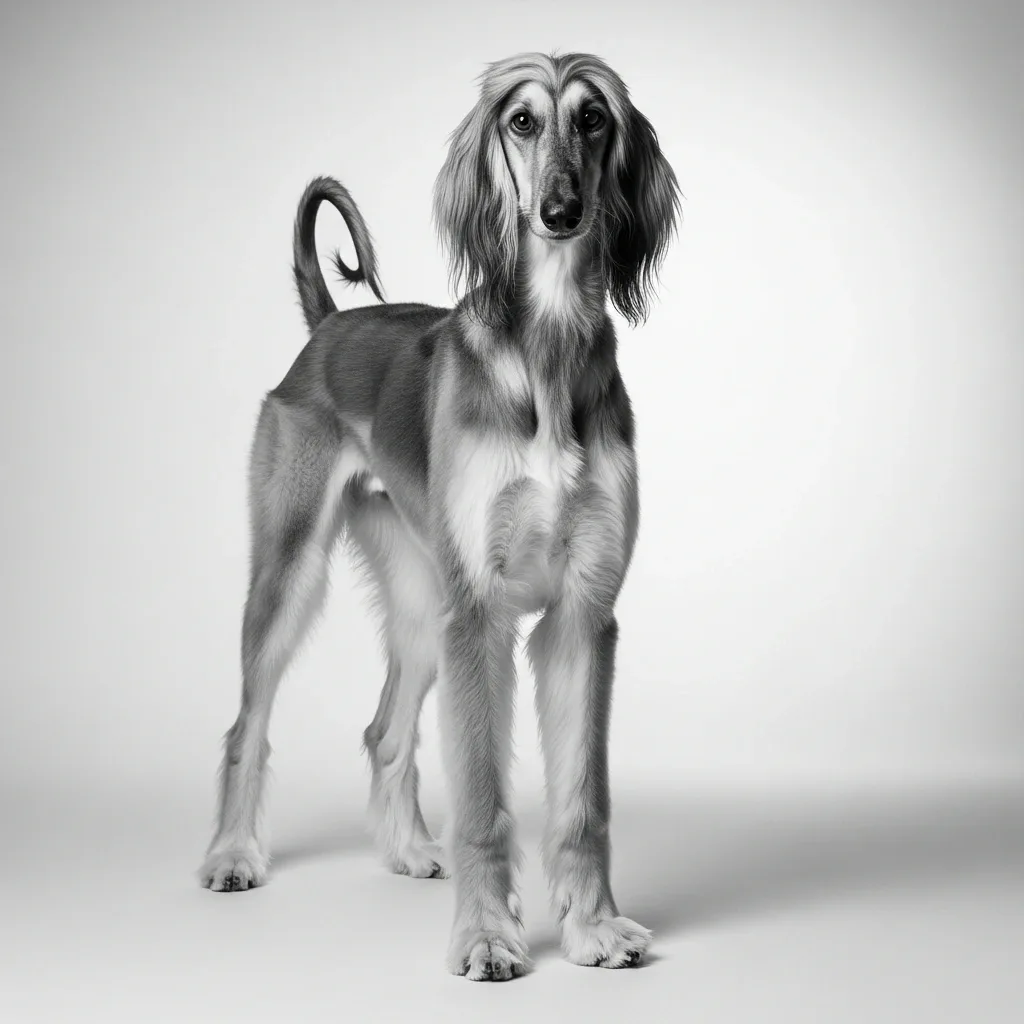
Afghan Hound
The Afghan Hound is an elegant aristocrat with a dignified and aloof personality. Known for its striking, silky coat, this breed is a high-maintenance beauty that requires ample space to run and an owner dedicated to its complex grooming needs.
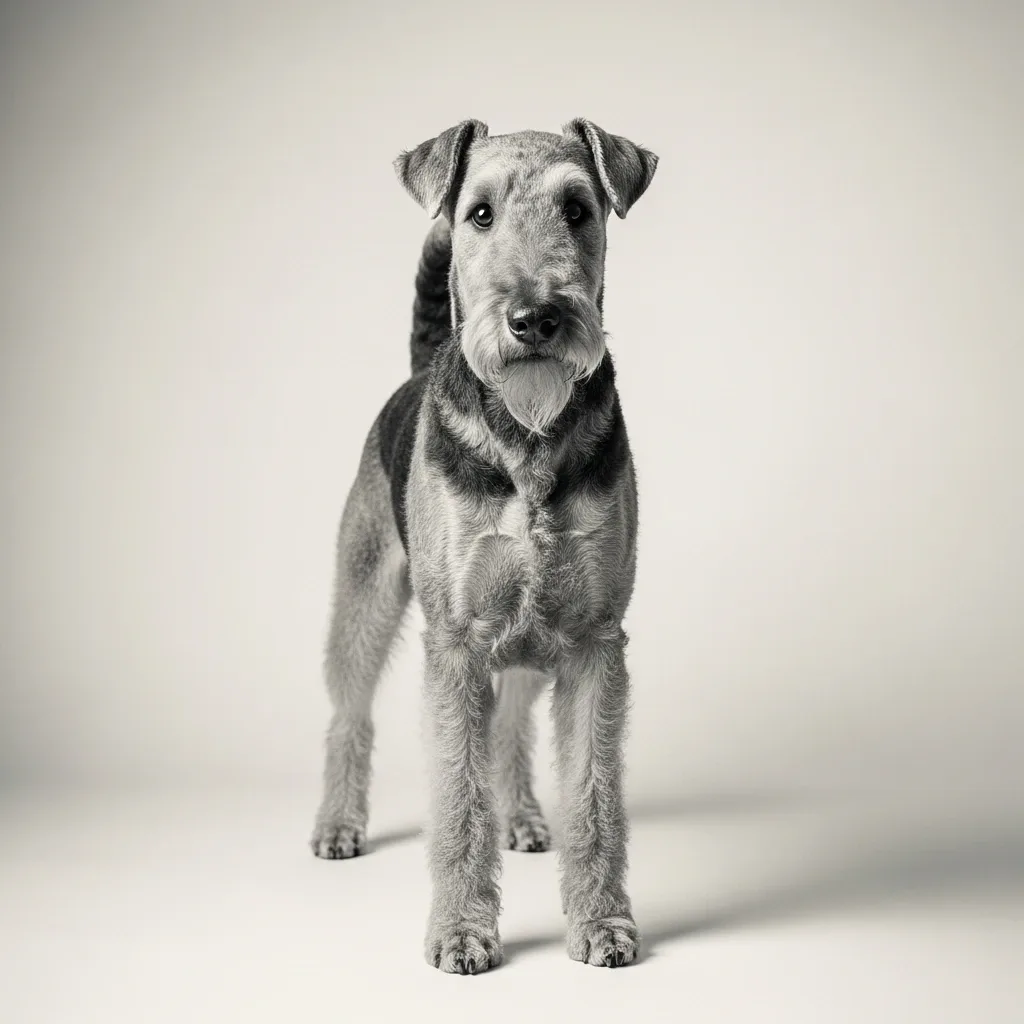
Airedale Terrier
The 'King of Terriers', the Airedale is the largest of all terrier breeds. They are brave, hardworking, and highly intelligent, making them excellent partners for active Kiwi families who love tramping and outdoor adventures.
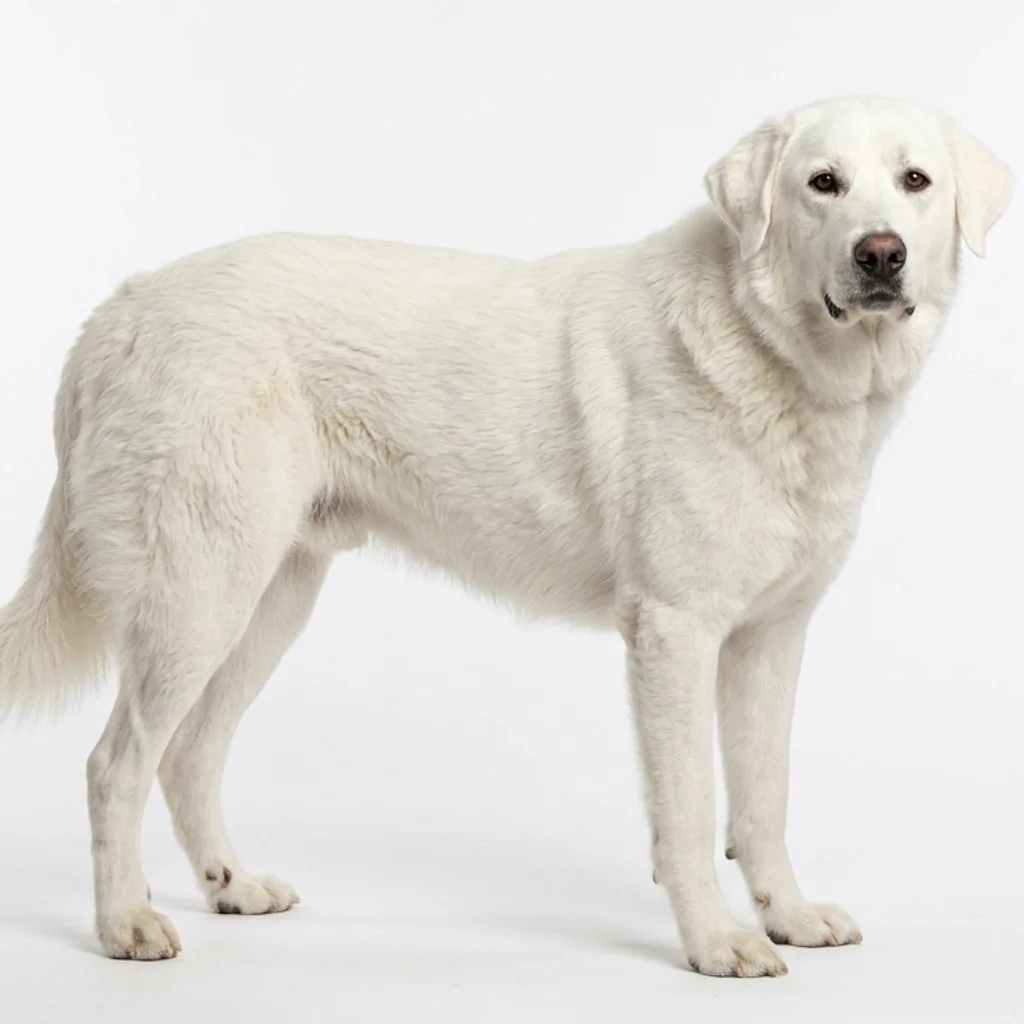
Akbash Dog
Originally a Turkish livestock guardian, the Akbash is a serious, protective, and independent breed. They are not suited for apartment living and thrive on large NZ lifestyle blocks where they can have a 'territory' to watch over.