Dog Breed Guide NZ
Giant Schnauzer
The Giant Schnauzer is a truly imposing and magnificent breed, known for their powerful build, distinctive wiry coat, and expressive beard and eyebrows. Originating as a working dog, they possess a formidable intelligence, unwavering loyalty, and a naturally protective instinct towards their family. While their confident and courageous nature makes them excellent guardians, it also means they thrive with experienced owners who can provide consistent training and socialisation from a young age. For active Kiwi families with a good-sized section or rural property, the Giant Schnauzer can be a devoted and engaging companion, perfectly suited to New Zealand's outdoor lifestyle.
Photo Gallery
Breed Snapshot
- Size
- Male: 27-39 kg; Female: 25-34 kg
- Lifespan
- 12-15 years
- Origin
- Being enriched
- Temperament
- Loyal, intelligent, alert, energetic, courageous, confident
- NZ Price
- $2,500 - $4,500 NZD from registered breeders; $150-$350 NZD adoption via SPCA (if available)
- Annual Vet Cost
- Estimated annual vet costs for a Giant Schnauzer in NZ can range from $800 - $1,500 NZD, not including major emergencies. This covers routine check-ups, vaccinations, parasite control (flea, worming), and potential breed-specific health screenings. Giant Schnauzers are prone to certain conditions such as hip and elbow dysplasia, bloat (gastric dilatation-volvulus), certain cancers, and eye conditions like progressive retinal atrophy. Addressing these issues can significantly increase costs, with surgery for bloat potentially costing several thousands of dollars. Regular preventative care and a healthy lifestyle are key to managing these risks.
Personality Scores
NZ Lifestyle Fit
The Giant Schnauzer's suitability for different New Zealand living situations varies greatly. They are generally not ideal for apartment living, especially in bustling cities like Auckland. Their size, high energy levels, and need for mental stimulation mean they require more space than a typical flat can offer. A house with a decent-sized, securely fenced section is a much better fit, providing room for daily exercise and play. They truly excel in rural New Zealand farm environments, where their working dog heritage can shine, and they have ample space to explore and exercise. Regarding climate, their dense, wiry coat handles South Island cold winters well, but they will still appreciate a warm, dry indoor sleeping area. In Auckland's humid summers and during periods of high UV across NZ, ensuring access to shade and fresh water is crucial to prevent overheating and sunburn. There are currently no specific MPI (Ministry for Primary Industries) restrictions on owning Giant Schnauzers in New Zealand, but responsible ownership, including secure containment and proper training, is always expected.
Origins & History
The Giant Schnauzer, or 'Riesenschnauzer' as they are known in their native Germany, hails from the Bavarian region. Their lineage can be traced back to the 17th century, where they were originally bred as robust, all-purpose farm dogs. Their primary roles included driving cattle to market, guarding livestock, and protecting property. They are believed to be a result of crossing standard Schnauzers with larger, more powerful breeds like the Great Dane and Bouvier des Flandres, creating a dog with immense strength, endurance, and intelligence. By the early 20th century, their impressive working capabilities were recognised beyond the farm, leading them to be employed as police and military dogs in Germany. This rich history as a versatile working breed underpins their inherent drive, loyalty, and protective nature, qualities that remain prominent in the Giant Schnauzer today.
Appearance
The Giant Schnauzer is a large, robust, and squarely built dog, exuding an air of strength and alertness. Males typically weigh between 27-39 kg, while females range from 25-34 kg. Their most distinctive feature is their harsh, wiry double coat, which is dense and weather-resistant, providing excellent protection against the elements. This coat comes in two primary colours: solid black or 'salt and pepper', a striking mix of black and white hairs. Their hallmark facial furnishings – a prominent, bristly beard and bushy eyebrows – give them an intelligent and somewhat stern expression. They have a powerful head, dark oval eyes, and V-shaped ears that are often cropped in some countries (though this practice is less common and often discouraged in New Zealand). Their tail is typically docked in countries where it is permitted, but in NZ, it is usually left natural. Overall, the Giant Schnauzer presents a picture of dignified power and keen awareness.
Temperament & Personality
The Giant Schnauzer's temperament is a captivating blend of loyalty, intelligence, and courage. They are known for being exceptionally devoted to their families, often forming strong bonds and displaying a protective instinct. Their intelligence makes them highly trainable, but it also means they require consistent mental stimulation to prevent boredom and destructive behaviours. They are naturally alert and can be reserved with strangers, making them excellent watchdogs. However, early and extensive socialisation is crucial to ensure they are well-adjusted and confident rather than overly suspicious. Giant Schnauzers are energetic and confident, thriving on activity and having a 'job' to do. They possess a strong will and can be quite assertive, meaning they are best suited for experienced dog owners who can provide firm, fair, and consistent leadership. With the right guidance, they are courageous, playful, and make wonderfully engaging companions.
Life in New Zealand
Giant Schnauzers can thrive in New Zealand, provided their specific needs for exercise, training, and space are met. Their robust, weather-resistant coat makes them well-suited to New Zealand's varied climate, from humid Auckland summers (where shade and water are essential) to the colder South Island winters (where they appreciate a warm, sheltered spot indoors). Their energetic nature means they excel when they have access to a good-sized, securely fenced section or, ideally, a rural property where they can truly stretch their legs. They love accompanying their owners on tramping adventures, runs along the beach, or exploring local dog parks. Given their protective instincts, early socialisation is paramount to ensure they are comfortable and well-behaved around other dogs and people in public spaces. With responsible ownership, a Giant Schnauzer can be a fantastic addition to an active Kiwi household.
Is This the Right Breed for You?
Bringing a Giant Schnauzer into your life is a significant commitment, best suited for individuals or families with prior dog ownership experience. They are not a 'beginner's dog' due to their strong will, high intelligence, and protective nature. Ideal owners are active, consistent, and prepared to invest considerable time in training, socialisation, and exercise throughout the dog's life. They thrive in homes with a securely fenced yard or, even better, a rural setting where they have ample room to roam and engage in stimulating activities. If you're looking for a loyal, courageous, and intelligent companion who will be a devoted family member and a vigilant guardian, and you're ready for the dedication they require, the Giant Schnauzer could be your perfect match. However, if you prefer a low-maintenance dog, live in a small apartment, or have limited time for training and exercise, this powerful breed may not be the best fit.
Fun Facts
Fact 1
The Giant Schnauzer was originally bred in Bavaria, Germany, primarily for driving cattle to market and guarding farms.
Fact 2
Despite their imposing size, they are often described as having a 'clownish' side, enjoying playful antics with their families.
Fact 3
Their distinctive beard and eyebrows serve a practical purpose, protecting their face from dirt and injury during work.
Fact 4
Giant Schnauzers have been used as police and military dogs in Germany since the early 20th century, showcasing their intelligence and trainability.
Fact 5
They are considered the largest of the three Schnauzer breeds, which also include the Standard and Miniature Schnauzers.
Related Breeds
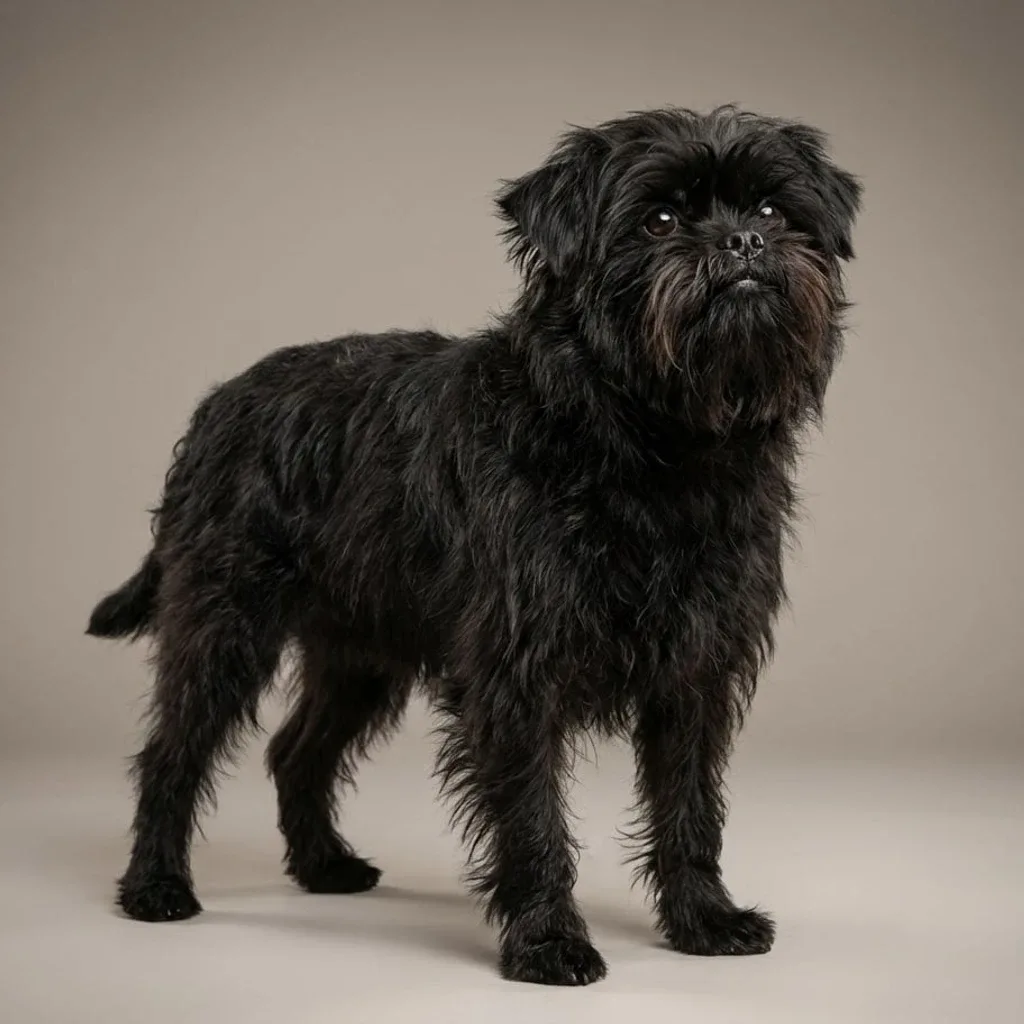
Affenpinscher
The Affenpinscher is a sturdy, monkey-like terrier-type toy breed known for its confidence and playful spirit. Despite its small size, it possesses a courageous heart and a loyal personality, making it a wonderful companion for Kiwi apartment dwellers or those with smaller sections.
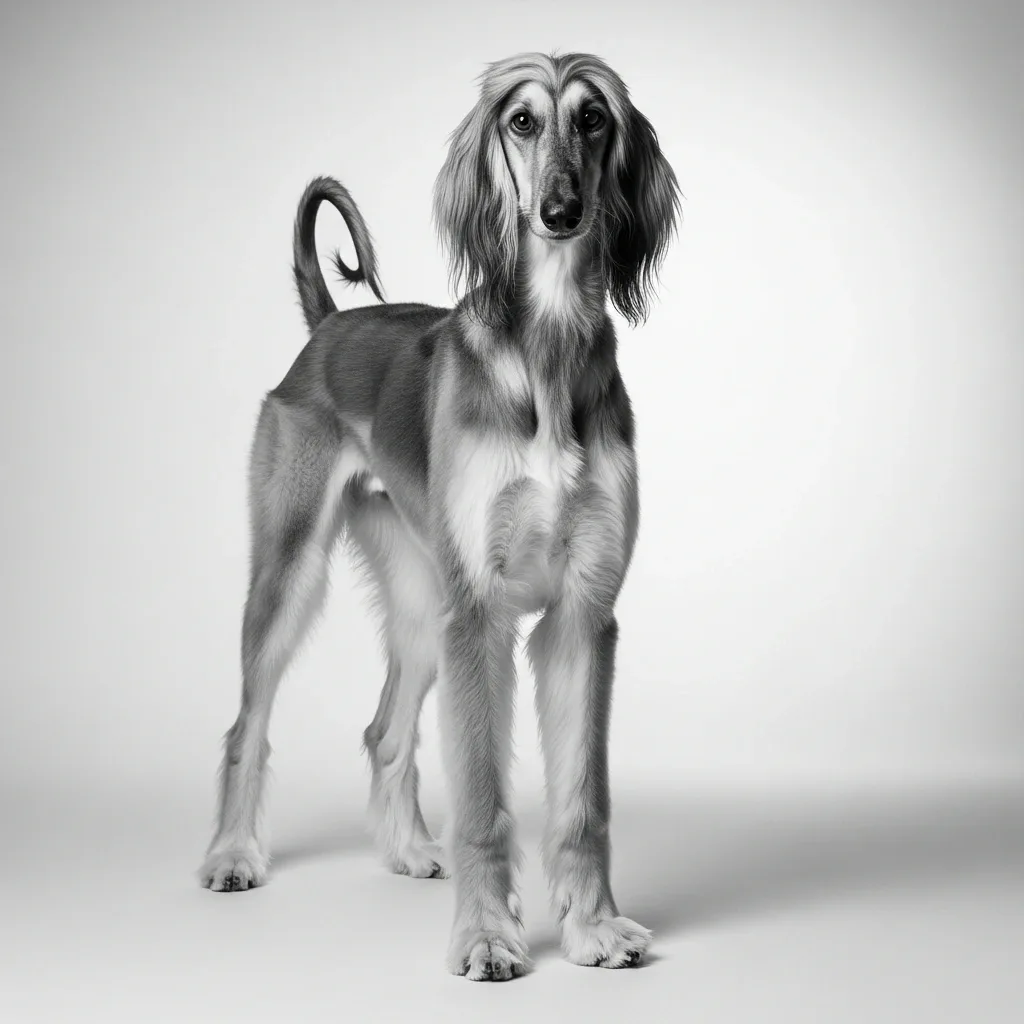
Afghan Hound
The Afghan Hound is an elegant aristocrat with a dignified and aloof personality. Known for its striking, silky coat, this breed is a high-maintenance beauty that requires ample space to run and an owner dedicated to its complex grooming needs.
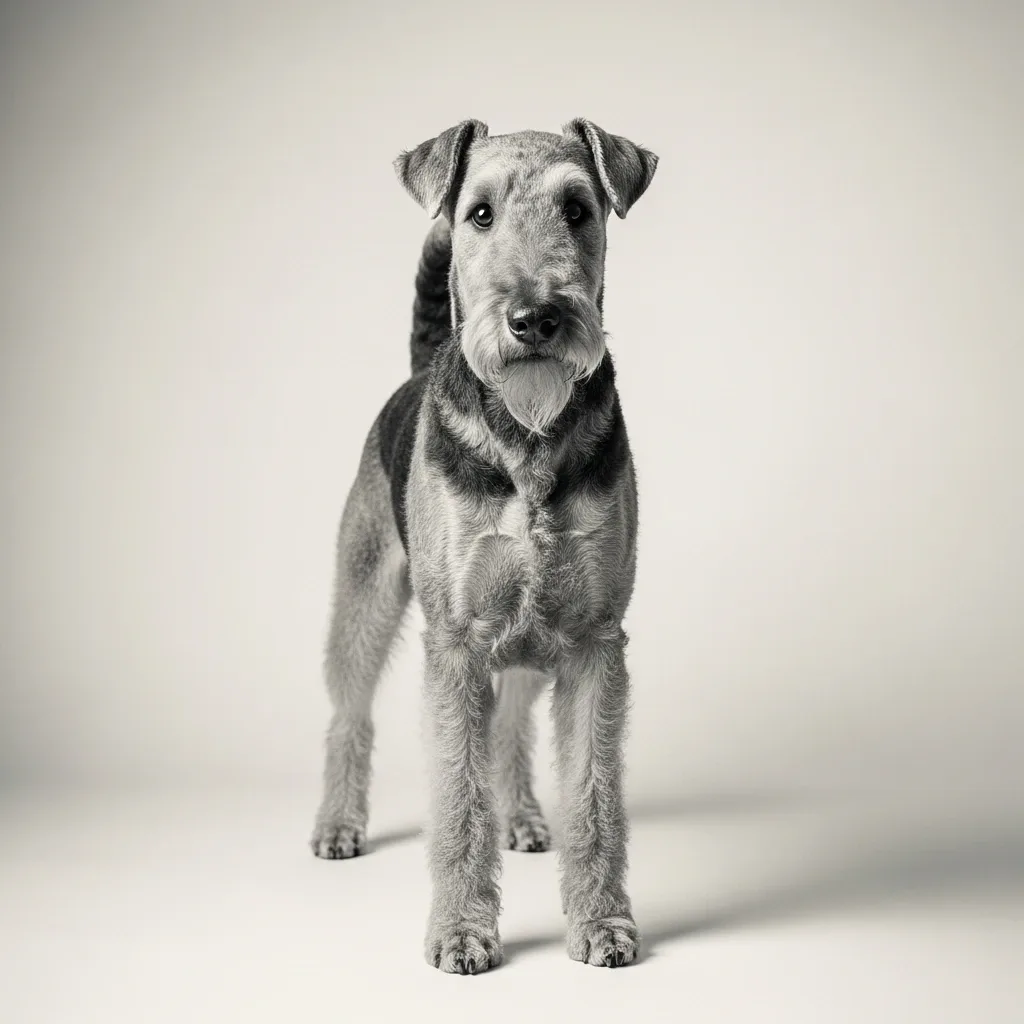
Airedale Terrier
The 'King of Terriers', the Airedale is the largest of all terrier breeds. They are brave, hardworking, and highly intelligent, making them excellent partners for active Kiwi families who love tramping and outdoor adventures.
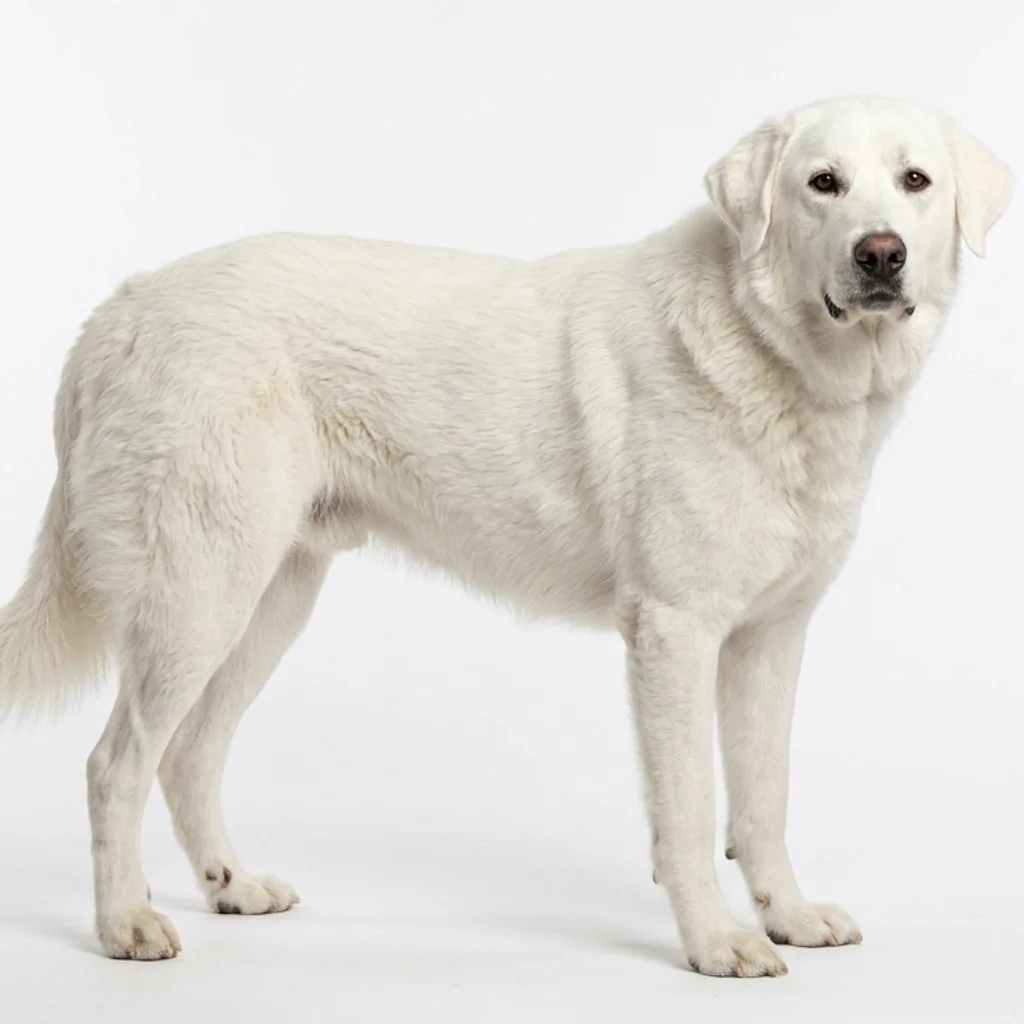
Akbash Dog
Originally a Turkish livestock guardian, the Akbash is a serious, protective, and independent breed. They are not suited for apartment living and thrive on large NZ lifestyle blocks where they can have a 'territory' to watch over.