Dog Breed Guide NZ
German Pinscher
The German Pinscher is a striking medium-sized dog, renowned for its alert intelligence, courageous spirit, and boundless energy. Originating from Germany, this sleek and confident breed is a true 'velcro dog' with its family, displaying immense loyalty and a protective nature. They are highly intelligent and thrive on mental and physical challenges, making them an engaging companion for active individuals or families. In New Zealand, their adaptable nature and short coat make them well-suited to various climates, from Auckland's humid summers to the South Island's cooler winters, provided they receive consistent exercise and mental stimulation. They fit perfectly into the Kiwi lifestyle of outdoor adventures and family-focused living.
Photo Gallery
Breed Snapshot
- Size
- 11-20 kg
- Lifespan
- 12-14 years
- Origin
- Being enriched
- Temperament
- Alert, courageous, intelligent, energetic, confident, loyal
- NZ Price
- $1,500 - $3,500 NZD from registered breeders; $150-$350 NZD adoption via SPCA (if available)
- Annual Vet Cost
- Estimated annual vet costs for a German Pinscher in NZ typically range from $600 - $1,000 NZD. This covers routine check-ups, vaccinations, flea and worm treatments, and general health maintenance. For breed-specific health issues such as hip dysplasia, certain eye conditions (like Progressive Retinal Atrophy), or heart conditions (like dilated cardiomyopathy), additional diagnostic tests, medications, or surgical interventions could significantly increase costs, potentially adding $500 - $5,000+ NZD per incident. Regular preventative care and pet insurance are highly recommended to manage these potential expenses.
Personality Scores
NZ Lifestyle Fit
The German Pinscher's adaptability makes them suitable for various New Zealand living situations, though their high energy is a key consideration. For an apartment in Auckland, it's possible but challenging; significant daily exercise (at least 1-2 hours of vigorous activity) is non-negotiable, regardless of the humidity. Without it, they can become destructive. A house with a secure section is ideal, providing space for them to burn off energy, but secure fencing is crucial due to their intelligence and potential to escape. In rural NZ farm settings, they can thrive, enjoying the space and stimulation, but their prey drive means they need careful supervision around livestock. New Zealand's climate, from Auckland's humid summers to the South Island's cold winters, is manageable. Their short coat means they'll need protection from extreme cold (a dog coat for South Island winters) and heat (shade and water in Auckland summers). The high UV index in NZ means sun protection is wise for any dog, but less critical for the German Pinscher's typically dark, dense coat. There are no specific MPI restrictions on owning German Pinschers in New Zealand.
Origins & History
The German Pinscher is a proud and ancient breed with a rich history rooted in Germany, dating back to at least the 18th century. They are considered the ancestral breed for both the Doberman Pinscher and the Miniature Pinscher, sharing a common lineage with the Standard Schnauzer. Originally bred as formidable ratters and farm dogs, their primary role was to keep vermin populations in check around homes and barns. Their keen senses, agility, and fearless nature made them exceptionally effective at this task. The breed faced near extinction after World War II, but dedicated breeders in Germany, particularly Werner Jung, worked tirelessly to revive the German Pinscher, ensuring its survival and continued development. Today, they are cherished worldwide for their unique blend of elegance, athleticism, and unwavering loyalty.
Appearance
The German Pinscher is a medium-sized dog, typically weighing between 11-20 kg and standing 43-51 cm at the shoulder. They possess a sleek, muscular, and athletic build, exuding an air of confidence and strength. Their coat is short, smooth, and dense, lying flat against the body, requiring minimal grooming. Common coat colours include solid red (ranging from stag red to dark red-brown) and black with tan or red markings. Their head is strong and elongated, with a distinct stop and dark, oval-shaped eyes that convey intelligence and alertness. Ears are naturally V-shaped, folding forward, though historically they were often cropped in some regions. Their tail is set high and often docked in countries where it is permitted, though many German Pinschers in New Zealand retain their natural tails. Overall, the German Pinscher presents a picture of balanced elegance and robust athleticism.
Temperament & Personality
Known for their spirited temperament, German Pinschers are an intelligent, courageous, and highly energetic breed. They are incredibly loyal and devoted to their families, often forming strong bonds and displaying a protective instinct. Their inherent alertness makes them excellent watchdogs, quick to notify their owners of anything unusual. However, this can also translate into wariness of strangers if not properly socialised from a young age. German Pinschers are confident and can be strong-willed, requiring consistent, positive reinforcement training and clear boundaries. They thrive on mental stimulation and can become bored or destructive if not given enough to do. With their family, they are playful, affectionate, and enjoy being involved in all activities. Early socialisation with various people, places, and other animals is crucial to ensure they grow into well-adjusted, well-mannered companions. They generally do well with older, respectful children who understand how to interact with an energetic dog.
Life in New Zealand
German Pinschers are well-suited to life in New Zealand, provided their exercise and mental stimulation needs are met. Their short, low-maintenance coat makes them adaptable to various climates, from the warmer, humid summers in Auckland to the cooler, sometimes frosty winters of the South Island. During hot periods, ensure access to shade and fresh water, and avoid strenuous exercise during the hottest parts of the day. In colder weather, their short coat means they might appreciate a dog coat for extended outdoor activities. New Zealand's high UV index means owners should be mindful of sun exposure, especially for dogs with lighter coats or pink skin, though this is less of a concern for the German Pinscher's typical dark, dense coat. Their energetic nature makes them ideal companions for exploring New Zealand's beautiful beaches, reserves, and tramping tracks. They thrive on outdoor adventures and can excel in dog sports like agility or obedience, which are widely available through NZKC-affiliated clubs across the country. Responsible ownership, including secure fencing and adherence to local council leash laws, is paramount, especially given their potential prey drive and protective instincts.
Is This the Right Breed for You?
The German Pinscher is an excellent choice for active individuals or families who are committed to providing consistent training, early socialisation, and plenty of physical and mental exercise. They are not a breed for the faint of heart or those seeking a sedentary companion. Their intelligence and strong will mean they require an owner who can be a confident, consistent leader using positive training methods. They thrive in environments where they are an integral part of the family and receive ample attention. If you enjoy tramping, running, or participating in dog sports, a German Pinscher could be your perfect partner. They generally do well with older children who understand how to interact with an energetic dog, but their boisterous play might be too much for very young children. While adaptable to various living situations, a home with a secure section is preferable to an apartment, unless daily vigorous exercise is guaranteed. If you're prepared for a loyal, intelligent, and energetic companion who will keep you on your toes, the German Pinscher could be the ideal addition to your Kiwi household.
Fun Facts
Fact 1
The German Pinscher is considered the ancestral breed for both the Doberman Pinscher and the Miniature Pinscher.
Fact 2
They were originally bred in Germany as formidable ratters and farm dogs, known for their keen hunting abilities.
Fact 3
The breed faced near extinction after World War II, with only a few individuals remaining, requiring dedicated efforts to revive them.
Fact 4
The term 'Pinscher' refers to their method of hunting prey, which involves quickly 'pinching' or snapping at rodents.
Fact 5
German Pinschers are highly intelligent and can become bored easily, requiring consistent mental stimulation to prevent mischief.
Related Breeds
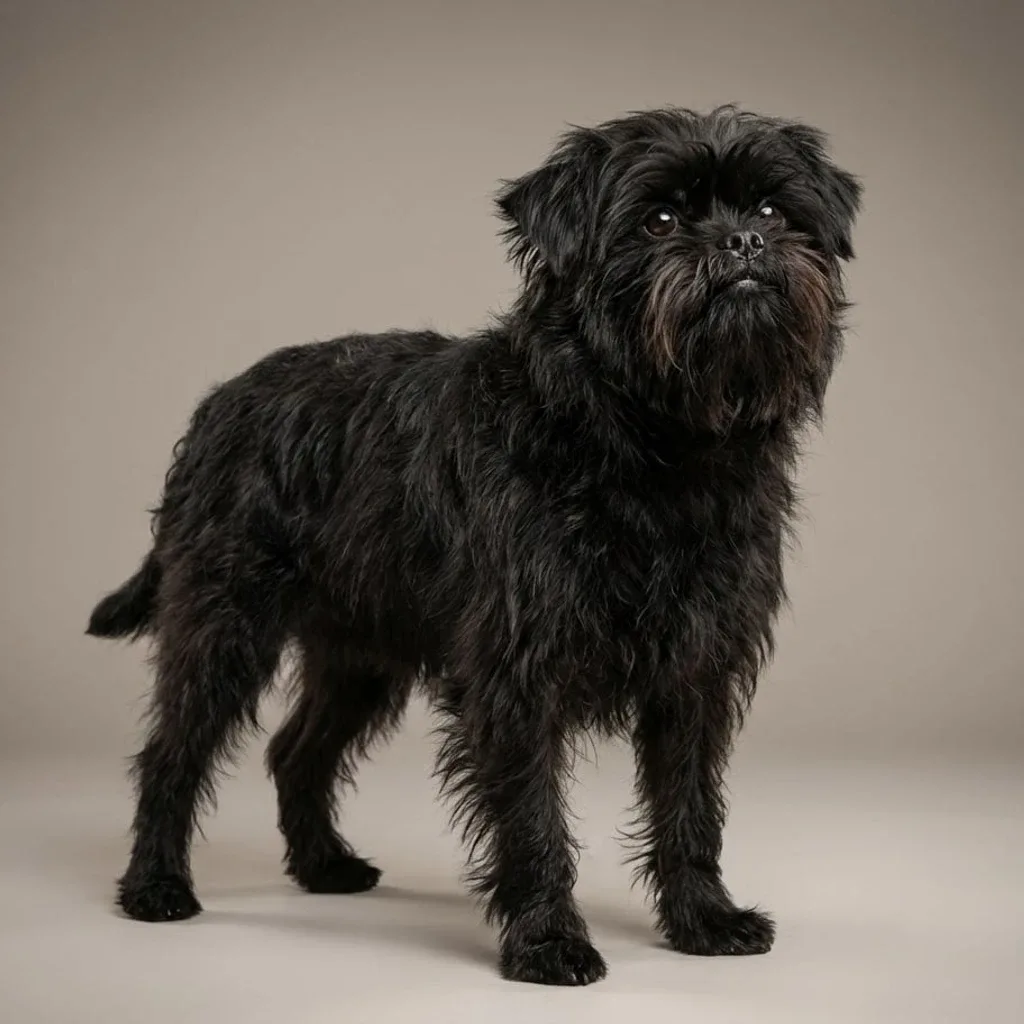
Affenpinscher
The Affenpinscher is a sturdy, monkey-like terrier-type toy breed known for its confidence and playful spirit. Despite its small size, it possesses a courageous heart and a loyal personality, making it a wonderful companion for Kiwi apartment dwellers or those with smaller sections.
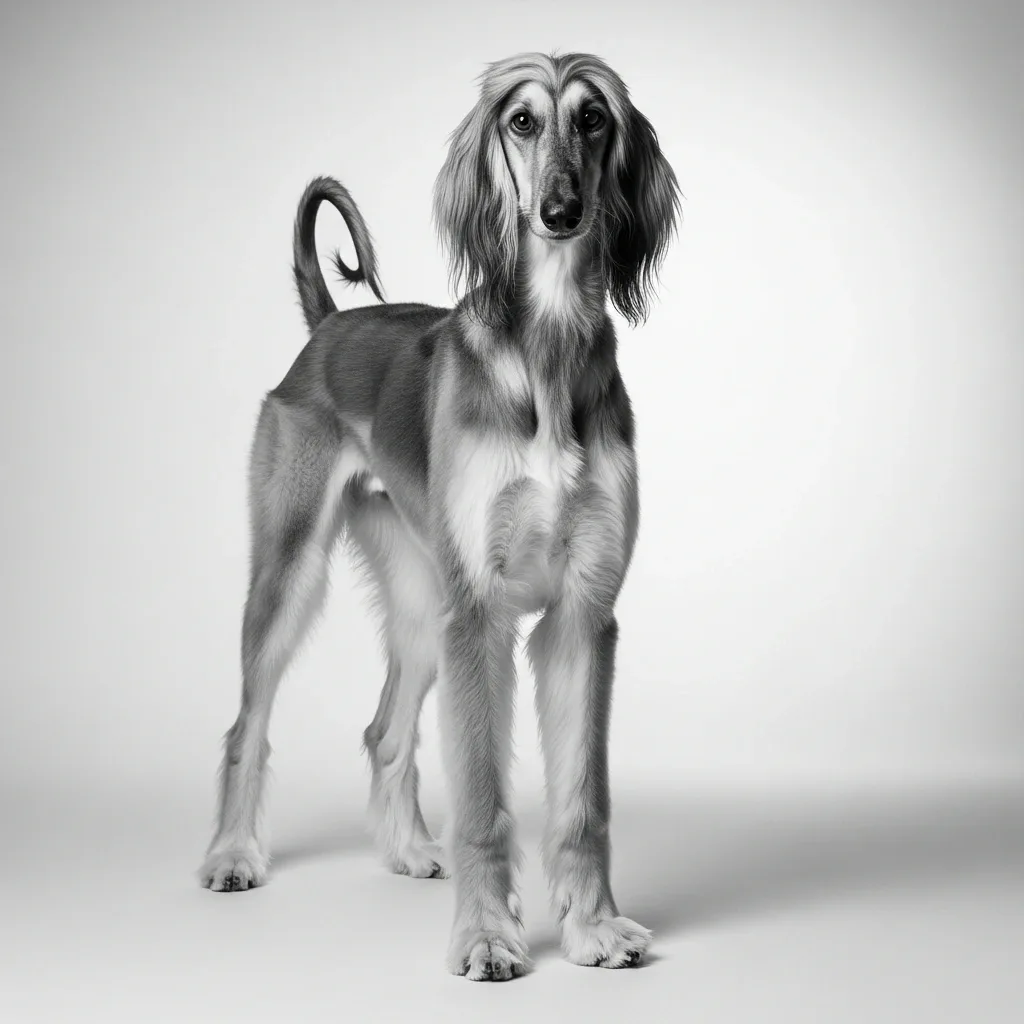
Afghan Hound
The Afghan Hound is an elegant aristocrat with a dignified and aloof personality. Known for its striking, silky coat, this breed is a high-maintenance beauty that requires ample space to run and an owner dedicated to its complex grooming needs.
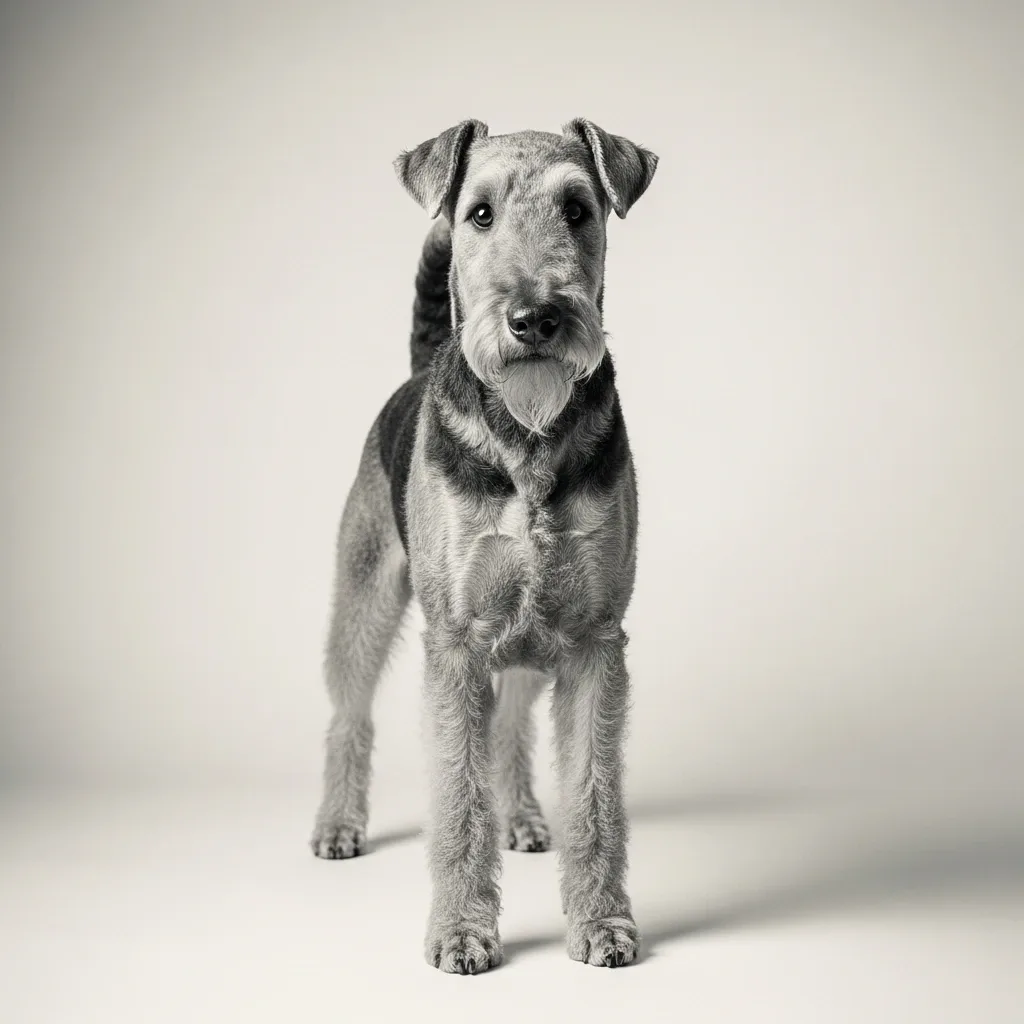
Airedale Terrier
The 'King of Terriers', the Airedale is the largest of all terrier breeds. They are brave, hardworking, and highly intelligent, making them excellent partners for active Kiwi families who love tramping and outdoor adventures.
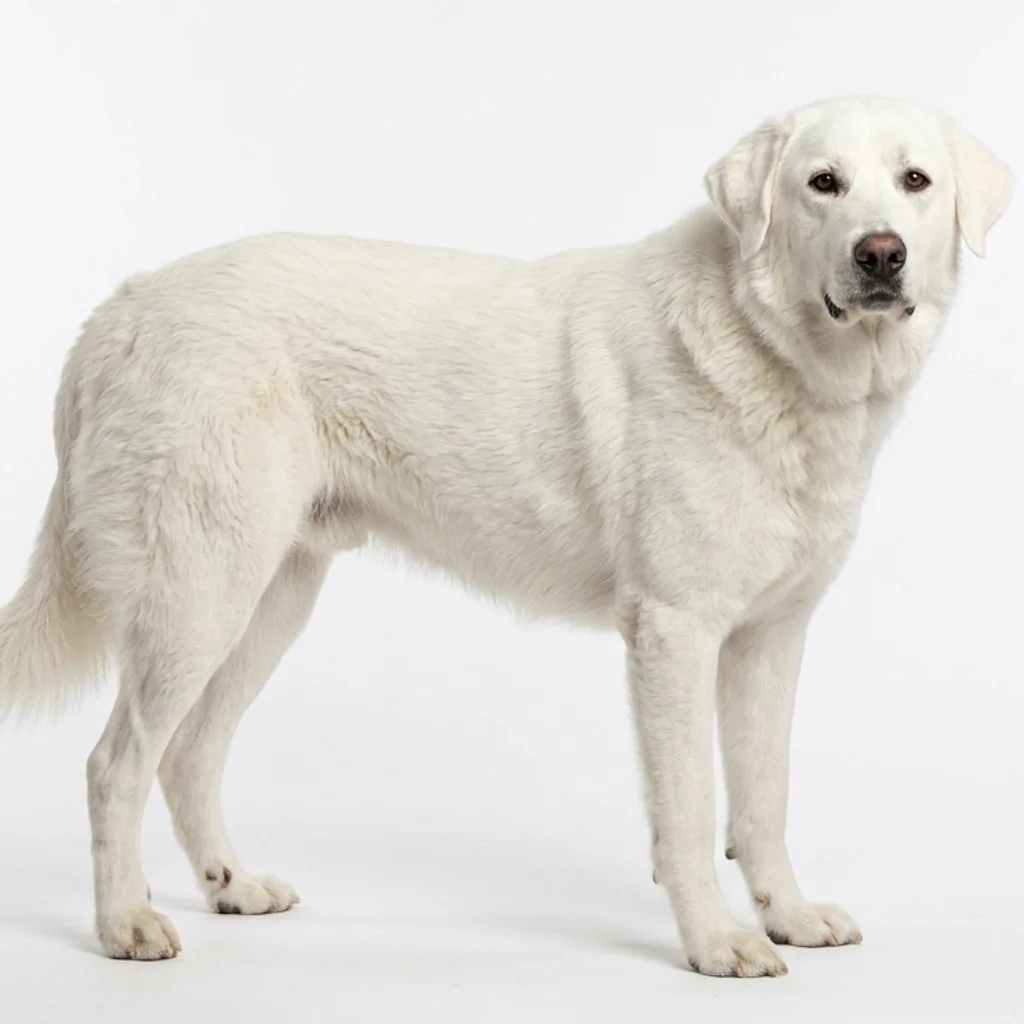
Akbash Dog
Originally a Turkish livestock guardian, the Akbash is a serious, protective, and independent breed. They are not suited for apartment living and thrive on large NZ lifestyle blocks where they can have a 'territory' to watch over.