Dog Breed Guide NZ
Finnish Spitz
The Finnish Spitz, often dubbed the 'Barking Bird Dog' of Finland, is a vibrant and active companion perfectly suited for adventurous Kiwi households. With their striking fox-like appearance and beautiful red-gold coat, these intelligent and courageous dogs are alert watchdogs and lively family members. Known for their unique 'yodel-like' bark used in hunting, they bring a distinct personality to any home. In New Zealand, their robust nature and love for the outdoors make them excellent companions for those who enjoy tramping, beach walks, or simply an active lifestyle with a devoted, albeit vocal, canine friend. They thrive in environments where their intelligence and energy are channelled positively.
Photo Gallery
Breed Snapshot
- Size
- Male: 11-15 kg; Female: 9-13 kg
- Lifespan
- 12-15 years
- Origin
- Being enriched
- Temperament
- Friendly, alert, intelligent, independent, playful, courageous
- NZ Price
- $2,000 - $4,000 NZD from registered NZKC breeders; $150-$350 NZD adoption via SPCA or breed-specific rescues (if available)
- Annual Vet Cost
- Estimated annual vet costs for a Finnish Spitz in New Zealand range from $450 - $800 NZD for routine care (vaccinations, flea/worming, annual check-ups). Breed-specific health issues, while generally a healthy breed, can include patellar luxation, elbow dysplasia, and certain eye conditions like Progressive Retinal Atrophy (PRA). Should these issues arise, diagnostic tests and treatments could add $500 - $3,000+ NZD depending on severity and required intervention.
Personality Scores
NZ Lifestyle Fit
The Finnish Spitz's adaptability makes them suitable for various New Zealand living situations, though some are better than others. An apartment in Auckland could work, but only if daily, vigorous exercise is guaranteed, ideally with access to nearby parks like Cornwall Park or local beaches. Their vocal nature means flat living might require extra training to manage barking. A house with a good-sized, securely fenced section is ideal, offering space for play and exploration, which is crucial for their energy levels. For rural NZ farms, they could thrive, but their strong bird-hunting instincts mean careful supervision around poultry or other small livestock is essential. Owners must be vigilant. Regarding climate, their double coat handles South Island cold winters with ease. However, Auckland's humid summers and New Zealand's high UV index require owners to provide ample shade, fresh water, and avoid peak sun exposure to prevent overheating and sunburn on exposed areas like noses. There are no specific MPI restrictions on the Finnish Spitz breed, making them a straightforward choice for import or ownership in New Zealand.
Origins & History
Originating from the ancient Spitz breeds of northern Scandinavia, the Finnish Spitz is one of Finland's national treasures, often referred to as 'Suomenpystykorva'. For centuries, these dogs were indispensable hunting companions, primarily used to locate and 'bark-point' game birds like grouse and capercaillie in the vast Finnish forests. Their unique, rapid-fire barking, which changes in tone and tempo when a bird is treed, earned them the moniker 'Barking Bird Dog'. This distinctive vocalisation was crucial for hunters to pinpoint their quarry. By the late 19th century, the breed faced near extinction due to cross-breeding. However, dedicated enthusiasts like Hugo Roos embarked on a mission to preserve the pure bloodline, meticulously selecting dogs that embodied the traditional Finnish Spitz characteristics. Their efforts led to the breed's standardisation and eventual recognition, ensuring this spirited hunter's survival for future generations, including those now gracing New Zealand shores.
Appearance
The Finnish Spitz is a medium-sized dog renowned for its striking fox-like features and a magnificent double coat that ranges from a rich red-gold to a lighter honey hue. Males typically weigh between 11-15 kg and stand 43-50 cm at the shoulder, while females are slightly smaller, weighing 9-13 kg and standing 39-45 cm. Their head is wedge-shaped, with bright, intelligent dark eyes and small, erect, pointed ears that contribute to their alert expression. A distinguishing feature is their plumed tail, which curls gracefully over their back, adding to their elegant silhouette. The dense double coat consists of a soft, thick undercoat and longer, harsher guard hairs, providing excellent insulation against cold climates. This beautiful coat requires regular grooming to maintain its lustre and manage seasonal shedding.
Temperament & Personality
The Finnish Spitz possesses a captivating blend of traits: friendly, alert, intelligent, independent, playful, and courageous. They are known for being devoted and affectionate with their families, often forming strong bonds. Their alert nature makes them excellent watchdogs, quick to announce the arrival of strangers or any unusual activity with their characteristic bark. While intelligent, their independent streak means they can be strong-willed, requiring consistent and patient training. They thrive on mental stimulation and physical activity, making them ideal for active Kiwi families. Their playful disposition ensures they are wonderful companions for children who understand how to interact respectfully with dogs. However, their strong hunting instincts mean they may view smaller pets, particularly birds, as prey, so early socialisation and careful supervision are crucial in multi-pet households.
Life in New Zealand
The Finnish Spitz adapts well to the diverse New Zealand climate, from the cooler South Island winters to the warmer, humid Auckland summers. Their double coat provides excellent insulation against the cold, but owners should ensure they have ample shade and fresh water during hot periods, especially given New Zealand's high UV levels. Their active nature makes them perfectly suited for the Kiwi lifestyle, enjoying trips to the beach (where permitted by local council bylaws), tramping in dog-friendly reserves, or exploring local footpaths. They are generally robust and healthy, fitting well into the outdoor-oriented culture of New Zealand. Owners must be mindful of their vocal nature, particularly in suburban settings, and ensure proper training and enrichment to prevent excessive barking.
Is This the Right Breed for You?
Bringing a Finnish Spitz into your home is a commitment to an active, intelligent, and vocal companion. They are best suited for individuals or families who can provide consistent training, ample daily exercise, and plenty of mental stimulation. If you enjoy an outdoor lifestyle and are prepared for a dog that loves to 'talk' and alert you to everything, the Finnish Spitz could be your perfect match. Their independent nature means they are not a 'velcro dog' but will offer unwavering loyalty and affection. Prospective owners should be prepared for regular grooming, especially during shedding seasons, and understand the importance of early socialisation to manage their hunting instincts. For the right active and patient owner, the Finnish Spitz offers a unique and rewarding canine partnership that thrives in the New Zealand environment.
Fun Facts
Fact 1
The Finnish Spitz is often called the 'Barking Bird Dog' due to its unique vocalisation used to 'bark-point' game birds.
Fact 2
They are the national dog of Finland, known there as 'Suomenpystykorva'.
Fact 3
Their distinctive 'yodel-like' bark can reach up to 160 barks per minute when excited or on the hunt.
Fact 4
The breed was nearly extinct in the late 19th century but was saved by dedicated Finnish enthusiasts.
Fact 5
Finnish Spitz puppies are born dark and lighten to their characteristic red-gold colour as they mature.
Related Breeds
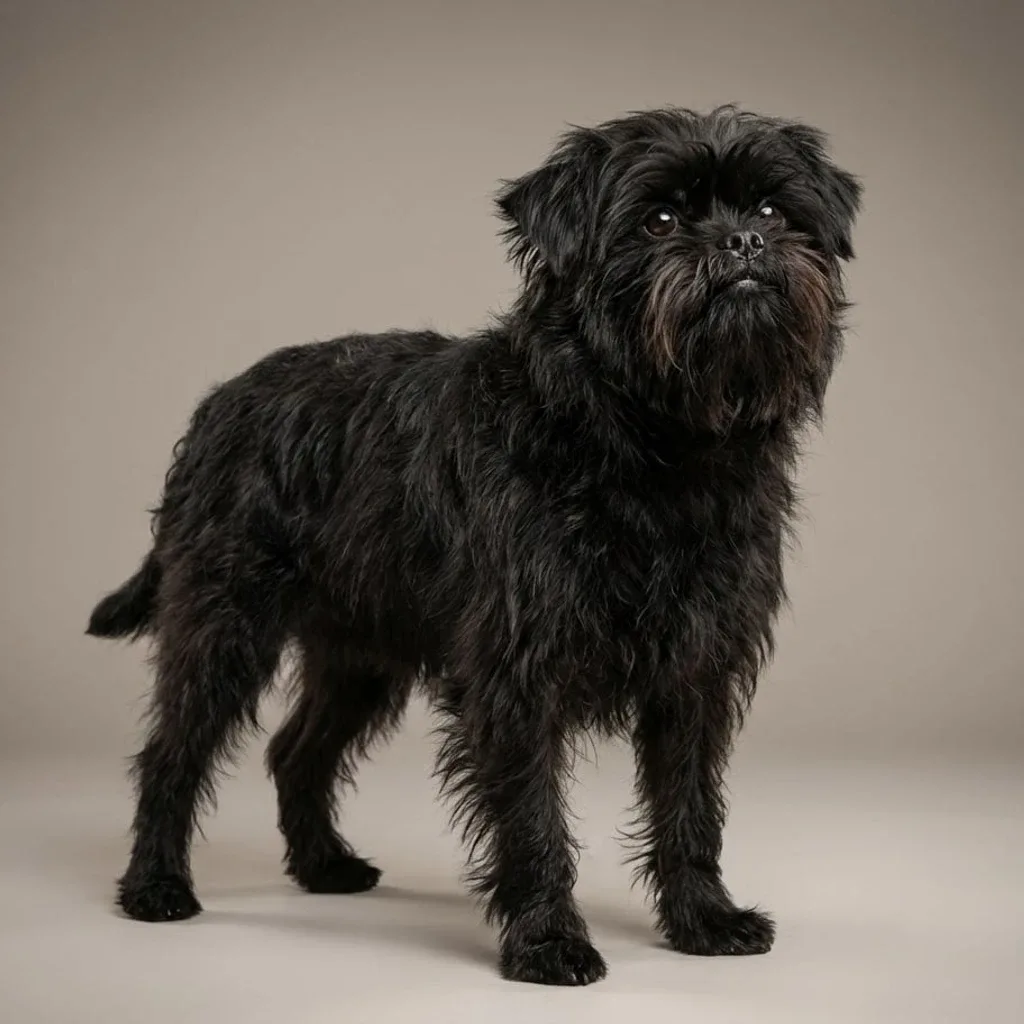
Affenpinscher
The Affenpinscher is a sturdy, monkey-like terrier-type toy breed known for its confidence and playful spirit. Despite its small size, it possesses a courageous heart and a loyal personality, making it a wonderful companion for Kiwi apartment dwellers or those with smaller sections.
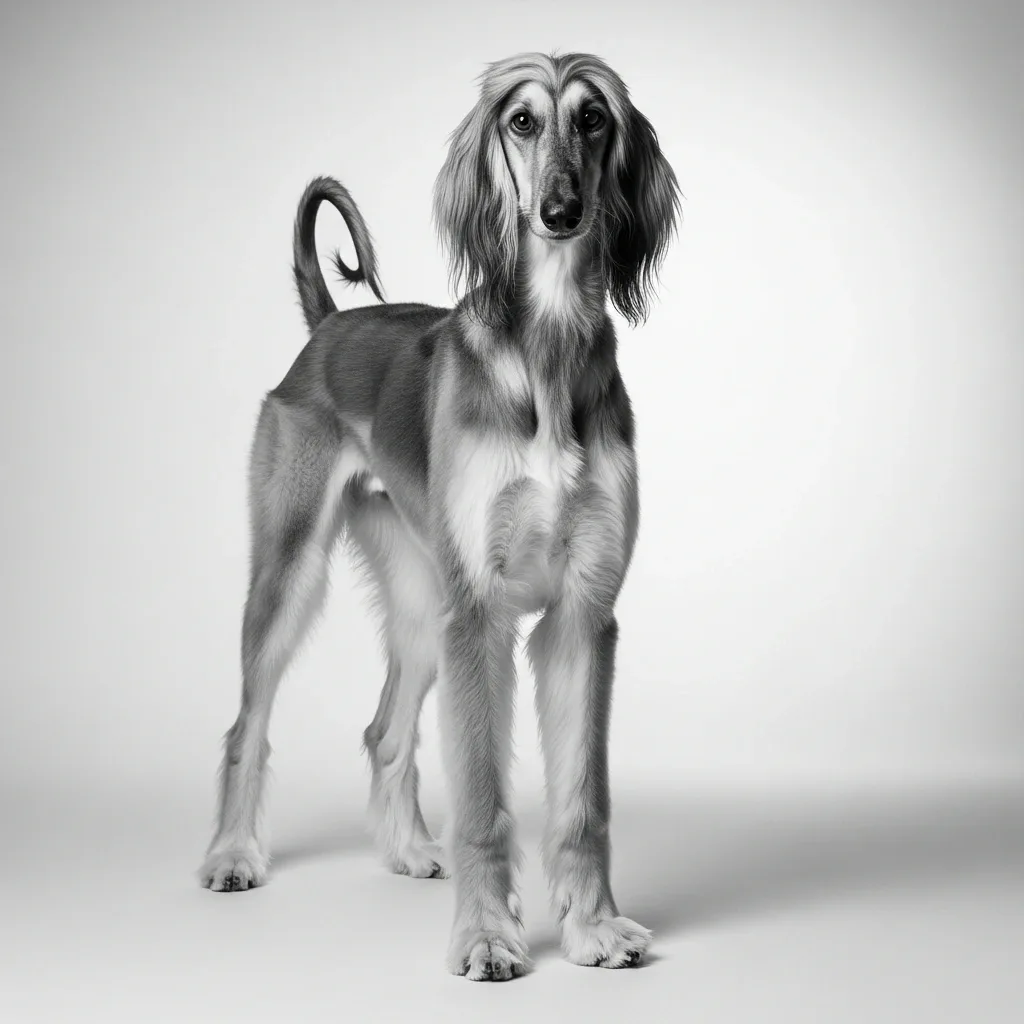
Afghan Hound
The Afghan Hound is an elegant aristocrat with a dignified and aloof personality. Known for its striking, silky coat, this breed is a high-maintenance beauty that requires ample space to run and an owner dedicated to its complex grooming needs.
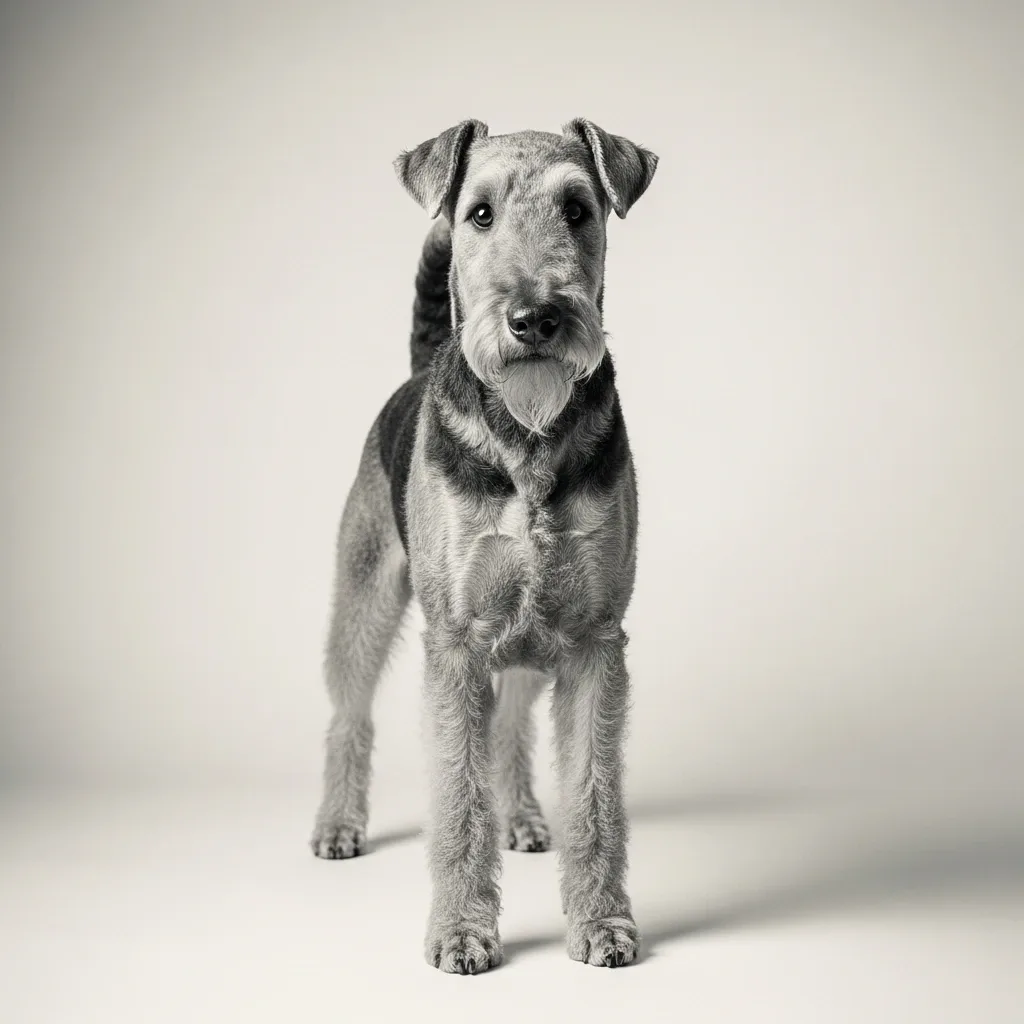
Airedale Terrier
The 'King of Terriers', the Airedale is the largest of all terrier breeds. They are brave, hardworking, and highly intelligent, making them excellent partners for active Kiwi families who love tramping and outdoor adventures.
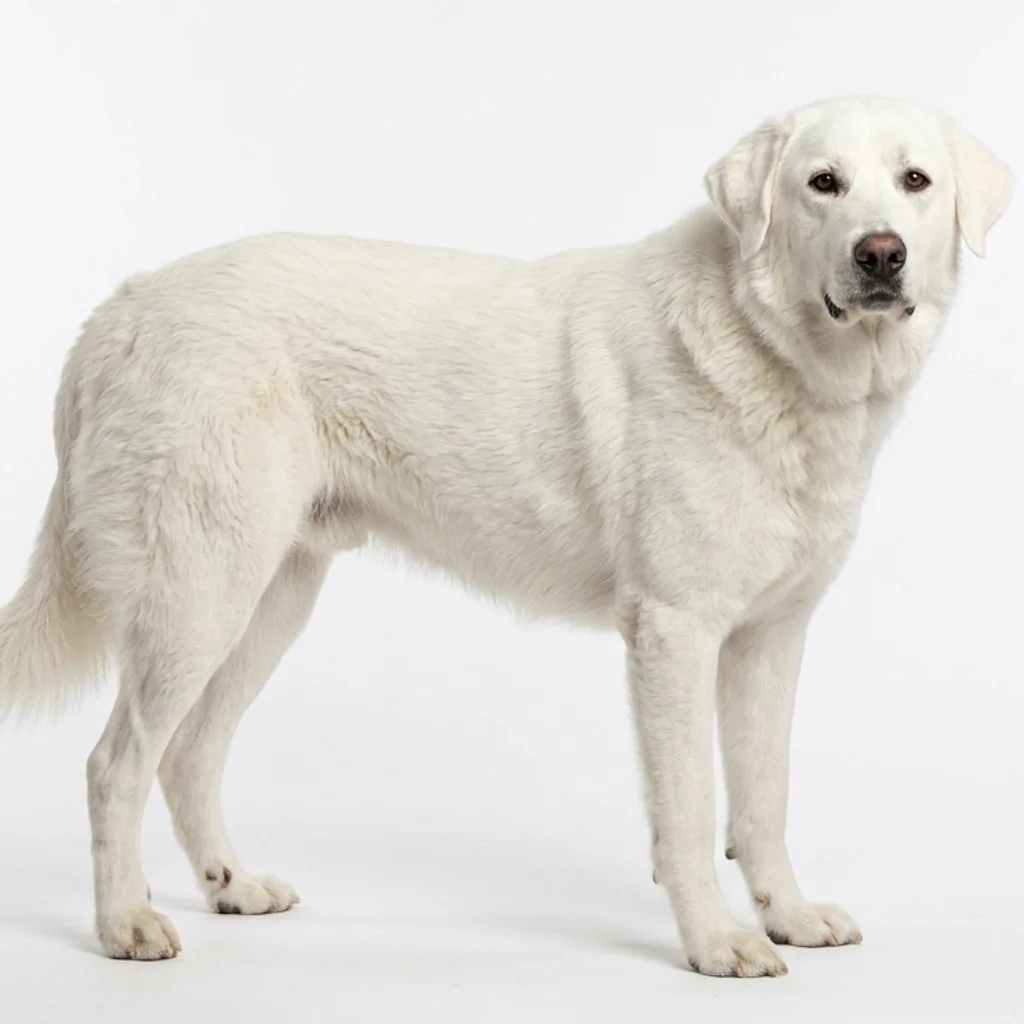
Akbash Dog
Originally a Turkish livestock guardian, the Akbash is a serious, protective, and independent breed. They are not suited for apartment living and thrive on large NZ lifestyle blocks where they can have a 'territory' to watch over.