Dog Breed Guide NZ
Eurasier
The Eurasier is a truly unique and captivating canine companion, originating from Germany as a deliberate blend of the Chow Chow, Wolfspitz, and Samoyed. This thoughtful mix has resulted in a calm, self-assured, and remarkably loyal dog that forms deep bonds with its family. Known for their balanced temperament and striking appearance, Eurasiers are devoted pets who are gentle with children and generally good with other animals when properly socialised. While reserved with strangers, their confidence ensures they are not timid. For New Zealand families seeking a steadfast and affectionate dog that thrives on companionship and fits well into a varied Kiwi lifestyle, from suburban homes with a section to more spacious rural properties, the Eurasier offers a wonderful blend of beauty and character.
Photo Gallery
Breed Snapshot
- Size
- Male: 23-32 kg; Female: 18-26 kg
- Lifespan
- 12-14 years
- Origin
- Being enriched
- Temperament
- Calm, confident, loyal, intelligent, gentle, reserved
- NZ Price
- $3,000 - $5,000 NZD from registered breeders; $150-$350 NZD adoption via SPCA (rarely available)
- Annual Vet Cost
- Estimated annual vet costs for a Eurasier in New Zealand typically range from $400 - $700 NZD. This covers routine check-ups, vaccinations, flea and worm treatments. While generally a healthy breed, potential breed-specific health issues to monitor include hip and elbow dysplasia, patellar luxation, and thyroid conditions. Costs for managing these conditions, if they arise, would be additional and vary significantly.
Personality Scores
NZ Lifestyle Fit
The Eurasier is remarkably adaptable to various New Zealand living situations. For an apartment in Auckland, a Eurasier could manage if daily, substantial exercise is provided, but a home with a secure section is preferable for their comfort and mental stimulation. Their double coat handles South Island cold winters well, but Auckland's humid summers require careful management – ensure constant access to shade, fresh water, and avoid strenuous exercise during the hottest parts of the day. High UV levels across NZ mean sun protection for exposed skin (like the nose) might be considered, and shade is paramount. They are not high-energy working dogs, so a rural NZ farm environment, while offering space, wouldn't suit their temperament unless they are primarily a family companion with secure boundaries. There are no specific restrictions from MPI (Ministry for Primary Industries) regarding the Eurasier breed's import or ownership in New Zealand.
Origins & History
Developed in Germany in the 1960s, the Eurasier is a relatively modern breed, purposefully created to be the ideal family companion. Julius Wipfel, the breed's founder, envisioned a dog with the best traits of his chosen foundation breeds: the robust and calm Chow Chow, the intelligent and watchful Wolfspitz (also known as the Keeshond), and the friendly and beautiful Samoyed. The initial cross between the Chow Chow and Wolfspitz produced the 'Wolf-Chow'. Later, the Samoyed was introduced to refine the temperament, add a softer coat, and enhance the breed's overall appeal. The goal was to create a medium-sized, attractive, adaptable, and stable-tempered dog, free from exaggerated traits, that would be devoted to its human family. The breed was officially recognised by the Fédération Cynologique Internationale (FCI) in 1973, and has since gained a loyal following worldwide, including a small but dedicated community here in New Zealand.
Appearance
The Eurasier is a medium-sized dog with a distinctive Spitz-type appearance, exuding an air of quiet dignity. Males typically weigh between 23-32 kg and stand 52-60 cm at the shoulder, while females are slightly smaller, weighing 18-26 kg and standing 48-56 cm. They possess a dense double coat, consisting of a thick undercoat and medium-long, loosely lying guard hairs. This coat comes in a wide array of colours, including fawn, red, wolf-grey, black, and black and tan, though pure white, liver, and blue are not permitted. Their almond-shaped eyes are dark, and their medium-sized, triangular ears are set high and carried erect. A strong, well-proportioned body, a bushy tail carried over the back, and a confident, alert expression complete the Eurasier's handsome profile. Their overall look is one of natural beauty and robustness.
Temperament & Personality
The Eurasier's temperament is one of its most defining and appealing characteristics. They are renowned for being calm, confident, and incredibly loyal to their family. This breed thrives on human companionship and wants to be an integral part of family life, often following their owners from room to room. They are intelligent and sensitive, responding best to gentle, consistent training methods rooted in positive reinforcement. While devoted and affectionate with their own people, Eurasiers are typically reserved and somewhat aloof with strangers. They are not aggressive but prefer to observe new people from a distance before deciding to engage. This reserved nature makes them excellent watchdogs, as they will alert their family to anything unusual without being overly yappy. They are generally gentle and patient with children, making them excellent family pets, and usually get along well with other pets if properly socialised from a young age.
Life in New Zealand
The Eurasier's adaptable nature makes them well-suited to life in New Zealand. Their double coat provides excellent insulation against the cooler South Island winters, but also requires owners to be mindful during the humid Auckland summers, ensuring access to shade and cool water. Their moderate exercise needs fit well with the Kiwi lifestyle of outdoor adventures, from walks along local beaches (where permitted) and reserves to family trips to the bach. They are generally quiet dogs, making them good neighbours, and their strong bond with family means they prefer to be inside with their people rather than left alone in a kennel. As a relatively rare breed in New Zealand, finding a reputable breeder may require patience, but the rewards of owning such a devoted companion are well worth the wait. Owners should be prepared for their reserved nature with new people and commit to early and ongoing socialisation.
Is This the Right Breed for You?
The Eurasier is an excellent choice for individuals or families seeking a loyal, calm, and intelligent companion who will be an integral part of their lives. They are not suited to being outdoor-only dogs or for owners who are away for long periods, as they crave human interaction. Their reserved nature with strangers means they are not the type of dog to greet everyone with effusive enthusiasm, which can be a pro or con depending on your preference. Owners must be committed to consistent, positive training and early socialisation to ensure a well-adjusted dog. While their grooming needs are moderate, regular brushing is essential. If you appreciate a dog with a quiet dignity, a deep family bond, and a striking appearance, and you're prepared to offer the companionship and care they need, the Eurasier could be the perfect addition to your New Zealand home.
Fun Facts
Fact 1
The Eurasier was deliberately bred in Germany in the 1960s to be the ideal family companion, making it a relatively young breed.
Fact 2
It is a 'designer breed' resulting from a careful combination of the Chow Chow, Wolfspitz (Keeshond), and later, the Samoyed.
Fact 3
Eurasiers are known for their 'Chow tongue' – a blue-black or spotted tongue, inherited from their Chow Chow ancestors.
Fact 4
They are highly sensitive dogs who thrive on human companionship and do not do well when left alone for long periods.
Fact 5
Despite their striking appearance, they are not prone to excessive barking, making them good neighbours in suburban settings.
Related Breeds
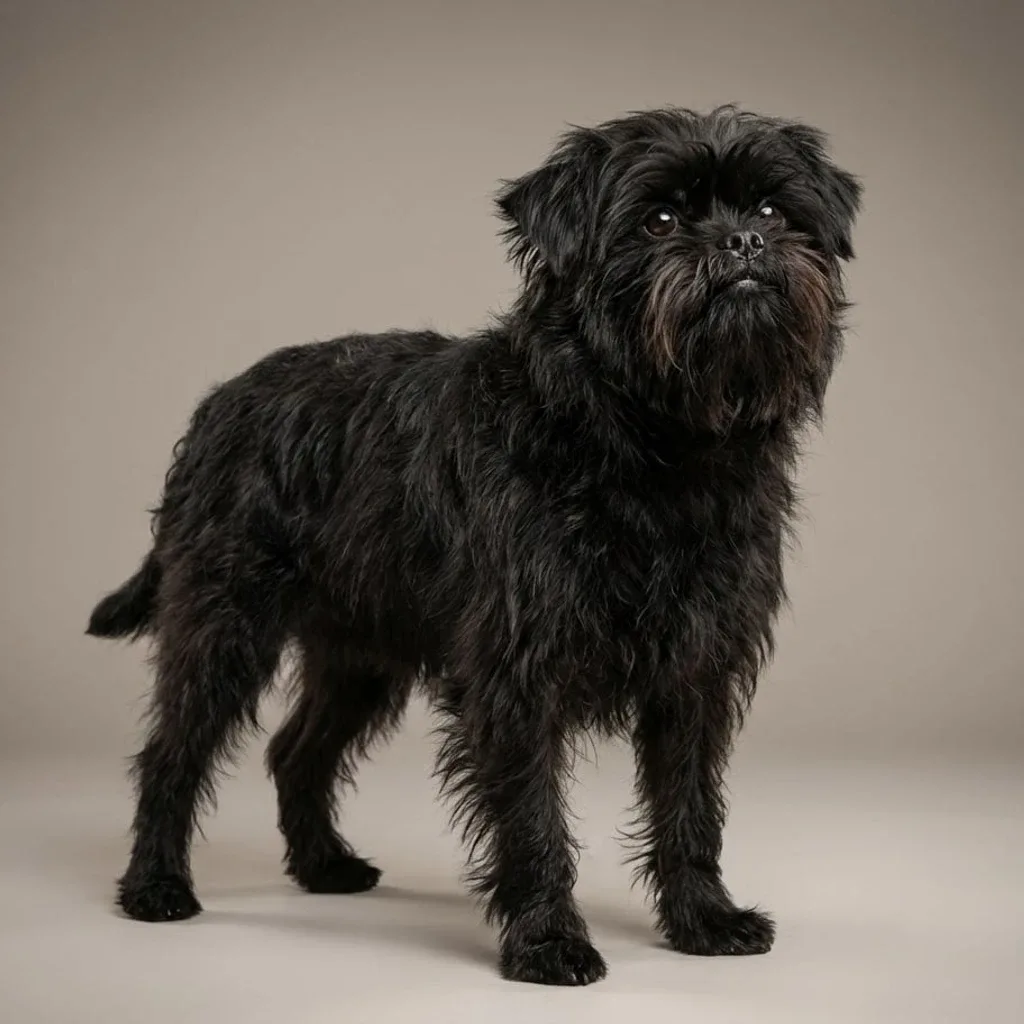
Affenpinscher
The Affenpinscher is a sturdy, monkey-like terrier-type toy breed known for its confidence and playful spirit. Despite its small size, it possesses a courageous heart and a loyal personality, making it a wonderful companion for Kiwi apartment dwellers or those with smaller sections.
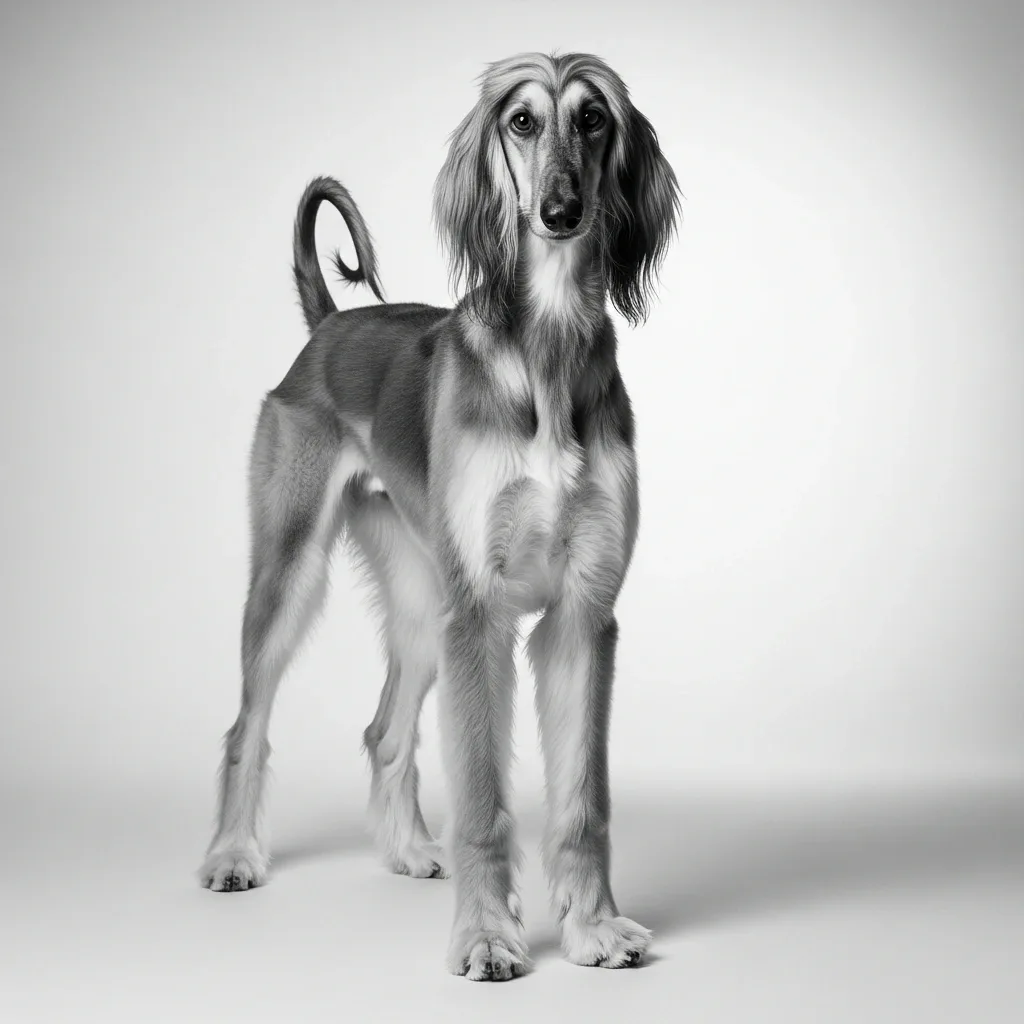
Afghan Hound
The Afghan Hound is an elegant aristocrat with a dignified and aloof personality. Known for its striking, silky coat, this breed is a high-maintenance beauty that requires ample space to run and an owner dedicated to its complex grooming needs.
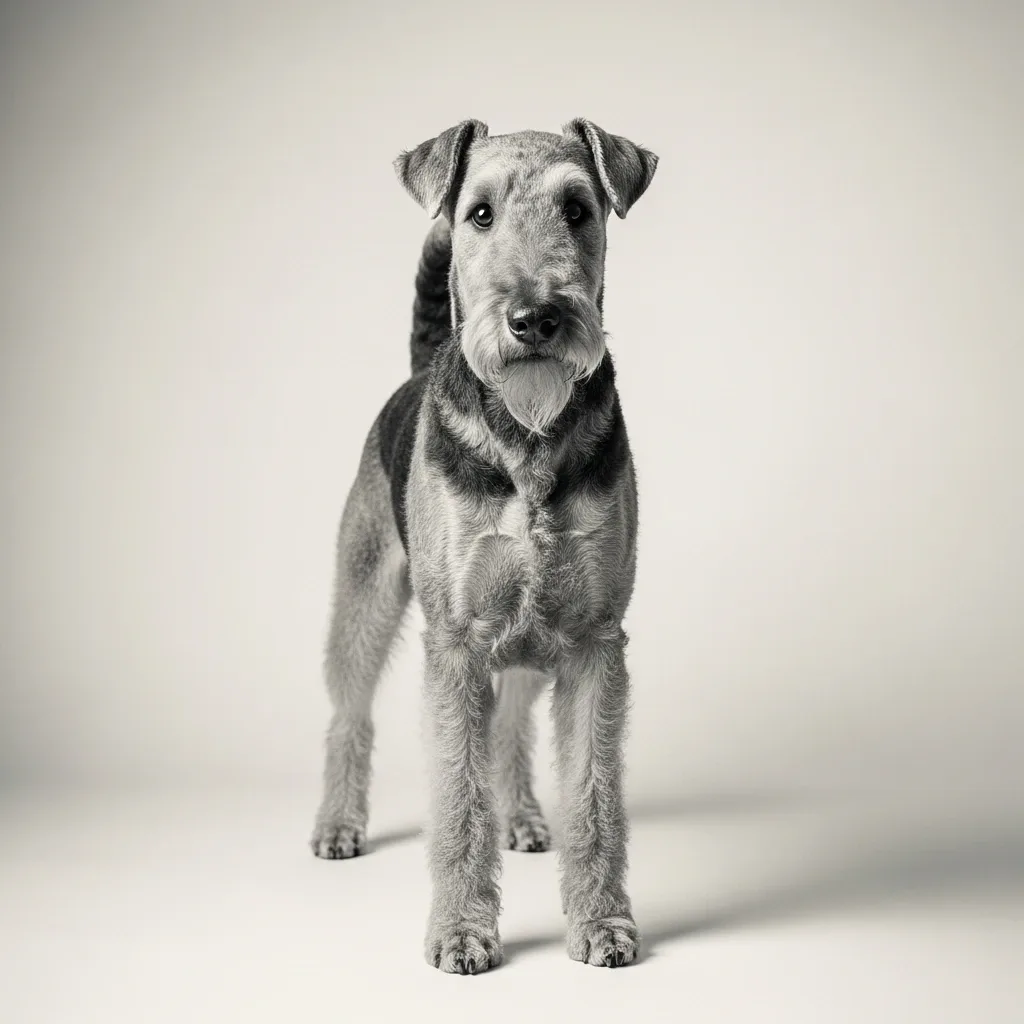
Airedale Terrier
The 'King of Terriers', the Airedale is the largest of all terrier breeds. They are brave, hardworking, and highly intelligent, making them excellent partners for active Kiwi families who love tramping and outdoor adventures.
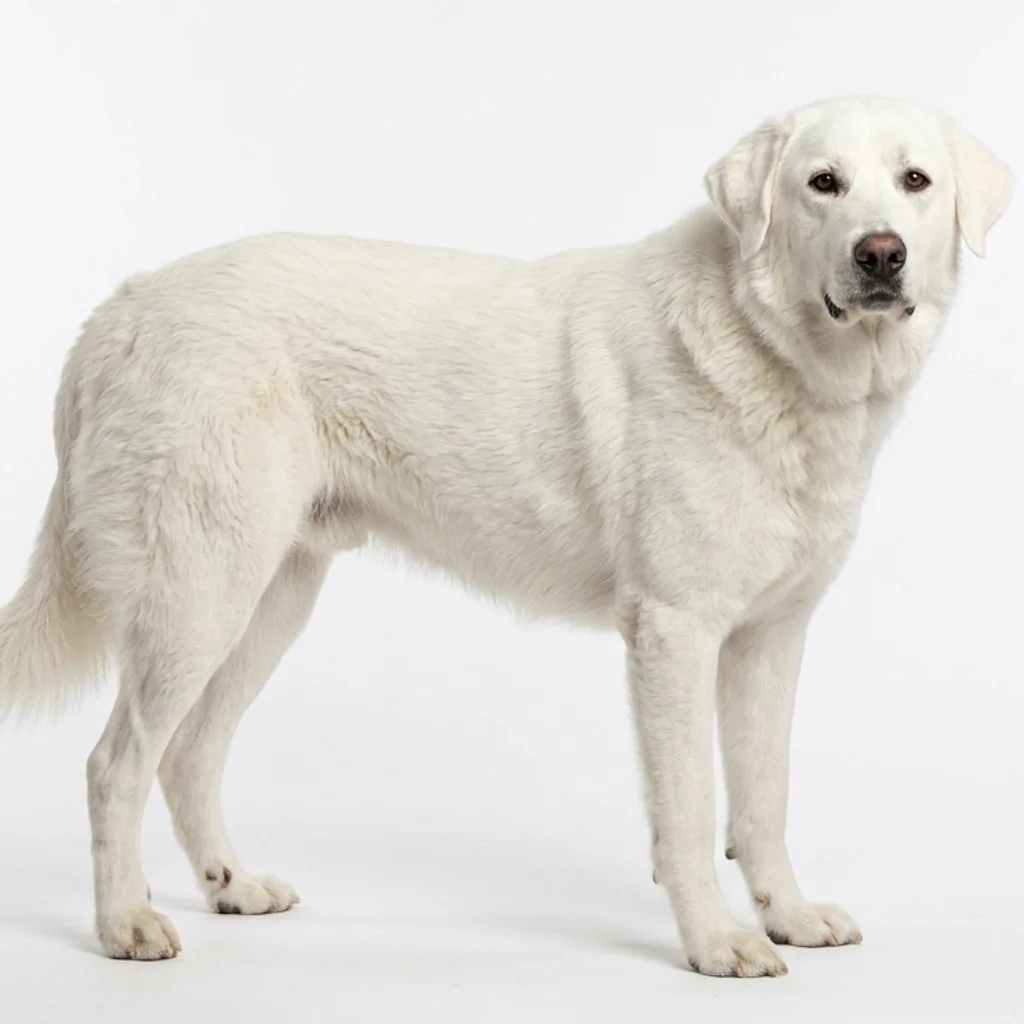
Akbash Dog
Originally a Turkish livestock guardian, the Akbash is a serious, protective, and independent breed. They are not suited for apartment living and thrive on large NZ lifestyle blocks where they can have a 'territory' to watch over.