Dog Breed Guide NZ
English Toy Terrier
The English Toy Terrier is a truly elegant and sleek companion, embodying the spirited nature of a terrier in a compact, refined package. Known for their alert intelligence and keen personality, these dogs are surprisingly energetic despite their small stature. Their distinctive black and tan coat, coupled with their 'candle flame' ears, gives them an unmistakable charm. They form strong bonds with their families, offering unwavering loyalty and a lively presence. Perfectly suited for urban living, the English Toy Terrier thrives in a Kiwi flat or smaller home, provided they receive regular exercise and mental stimulation. Their adaptability makes them a wonderful addition to many New Zealand households seeking a sophisticated yet playful canine friend.
Photo Gallery
Breed Snapshot
- Size
- 2.7-3.6 kg
- Lifespan
- 12-13 years
- Origin
- Being enriched
- Temperament
- The English Toy Terrier is an alert toy breed with true terrier instincts. It should not be unduly nervous; with good handling it is an affectionate, intelligent companion that still notices movement and visitors quickly.
- NZ Price
- $3,000 - $5,000 NZD from registered breeders; $150-$350 NZD adoption via SPCA (rarely available).
- Annual Vet Cost
- Estimated annual vet costs for an English Toy Terrier in NZ range from $400 - $800 NZD. This typically covers routine check-ups, vaccinations, flea and worm treatments, and general preventative care. For breed-specific health issues, costs can vary. Patellar luxation, a common concern, might require surgery costing $1,500 - $4,000+ per knee. Progressive Retinal Atrophy (PRA) involves eye exams and potential genetic testing, which can add $100 - $300. Legg-Calve-Perthes disease, affecting the hip joint, may also necessitate surgery, with costs similar to patellar luxation. Regular dental care, crucial for small breeds, can range from $300 - $800 for a professional clean.
Personality Scores
NZ Lifestyle Fit
The English Toy Terrier is remarkably adaptable to various New Zealand living situations. For those in an Auckland apartment, they are an excellent choice. Their small size means they don't require a large section, and daily walks around the city's parks or footpaths will keep them content. Auckland's humid summers are generally fine for their short coat, but ensure they have access to shade and fresh water. In a house with a section, a secure fence is paramount due to their strong prey drive and curious nature. They are not suited for rural NZ farm life; their small stature makes them vulnerable to larger animals, and their instinct to chase could conflict with livestock. South Island's cold winters will require a warm dog coat for outdoor excursions, as their fine, short hair offers little protection. New Zealand's high UV index means shade is crucial during sunny periods to protect their delicate skin. There are no specific MPI restrictions on owning English Toy Terriers in New Zealand.
Origins & History
The English Toy Terrier boasts a fascinating history rooted in the bustling industrial cities of 19th-century England. Descended from the Old English Black and Tan Terrier, a breed renowned for its ratting prowess, these dogs were originally larger and used to control vermin in factories and homes. As dog shows gained popularity, there was a desire to create a more refined, smaller version of the Black and Tan Terrier, leading to the development of the English Toy Terrier. They were particularly favoured by Victorian ladies who appreciated their elegant appearance and spirited companionship. For a period, they were known as the Miniature Black and Tan Terrier or the Toy Manchester Terrier, before the name English Toy Terrier was officially adopted. Despite their small size, they retain the fearless and determined spirit of their working ancestors, a testament to their rich heritage. Today, they are considered a vulnerable native breed in their homeland and remain relatively rare in New Zealand, making them a unique and cherished companion.
Appearance
The English Toy Terrier is a picture of elegance and refinement. They are a true toy breed, typically weighing between 2.7 to 3.6 kilograms and standing around 25 to 30 centimetres at the shoulder. Their most striking feature is their sleek, short, and glossy black coat with rich, clearly defined tan markings. These tan markings are found on their muzzle, cheeks, inside their ears, above their eyes (forming 'pips'), on their chest, and on their legs and feet. Their head is long and narrow, tapering to a fine muzzle, and their dark, almond-shaped eyes convey an intelligent and alert expression. The breed's distinctive 'candle flame' ears are erect, pointed, and set high on the head, adding to their unique silhouette. They possess a fine bone structure, a slightly arched back, and a graceful, whip-like tail that tapers to a point. Their overall appearance is one of balance, athleticism, and undeniable charm.
Temperament & Personality
Beneath their elegant exterior lies a personality brimming with intelligence, energy, and terrier tenacity. English Toy Terriers are known for being alert, lively, and highly intelligent, making them quick learners, though their independent terrier streak can sometimes lead to a touch of stubbornness. They are incredibly loyal and devoted to their families, often forming strong bonds and enjoying being at the heart of household activities. While generally good-natured, they can be reserved or cautious with strangers, making early socialisation crucial. Despite their small size, they possess a surprisingly confident and fearless demeanour. They are playful and enjoy interactive games, and their keen senses make them excellent watchdogs, always ready to announce visitors with a sharp bark. With proper training and socialisation, they can be wonderful companions for respectful children and can coexist peacefully with other pets, though their natural prey drive means supervision is always wise around smaller, non-canine animals.
Life in New Zealand
Bringing an English Toy Terrier into a New Zealand home offers a unique companionship experience. Their compact size makes them exceptionally well-suited to the diverse living situations found across Aotearoa, from city apartments to houses with a modest section. They thrive on human companionship and are not dogs to be left alone for extended periods, preferring to be an integral part of family life, whether that's joining you for a stroll along a local beach or snuggling up on the couch during a rainy Wellington afternoon. Their short coat means they'll appreciate a warm coat during cooler South Island winters, and ample shade is essential during the high UV summers. Access to quality veterinary care is readily available throughout New Zealand, and responsible breeders, though few, adhere to high standards. Their generally robust health, combined with their adaptable nature, makes them a joy to live with in the Kiwi environment, provided their needs for exercise, mental stimulation, and affection are met.
Is This the Right Breed for You?
Deciding if an English Toy Terrier is the right fit for your lifestyle requires careful consideration. If you're seeking an elegant, intelligent, and devoted companion who thrives on interaction, then this breed could be perfect. They are ideal for individuals or families who can commit to daily walks, engaging playtime, and consistent positive reinforcement training. Their small size makes them excellent apartment dwellers, but they are equally happy in a house with a secure, fenced section. Potential owners should be prepared for their alert nature, which means they can be prone to barking at unfamiliar sounds or visitors – a trait that can be managed with training. While generally robust, like all breeds, they have specific health considerations that require attention. Their rarity in New Zealand means finding a reputable breeder might take time, but the reward is a unique and loving companion. If you appreciate a dog with a spirited personality, a sleek appearance, and a deep loyalty to its family, and are ready to provide the care and attention they deserve, an English Toy Terrier could be your perfect Kiwi canine match.
Fun Facts
Fact 1
The English Toy Terrier was originally bred as a ratting dog, despite its delicate appearance, showcasing its true terrier spirit.
Fact 2
They are one of the few dog breeds with naturally erect, 'candle flame' shaped ears, which rarely require cropping or taping.
Fact 3
For a period, they were known as the 'Miniature Black and Tan Terrier' or 'Toy Manchester Terrier' before their current name was established.
Fact 4
The breed is considered a vulnerable native breed in its country of origin, making them quite rare globally, including in New Zealand.
Fact 5
Despite their small size, English Toy Terriers often excel in dog sports like agility and obedience, demonstrating their intelligence and athleticism.
Related Breeds
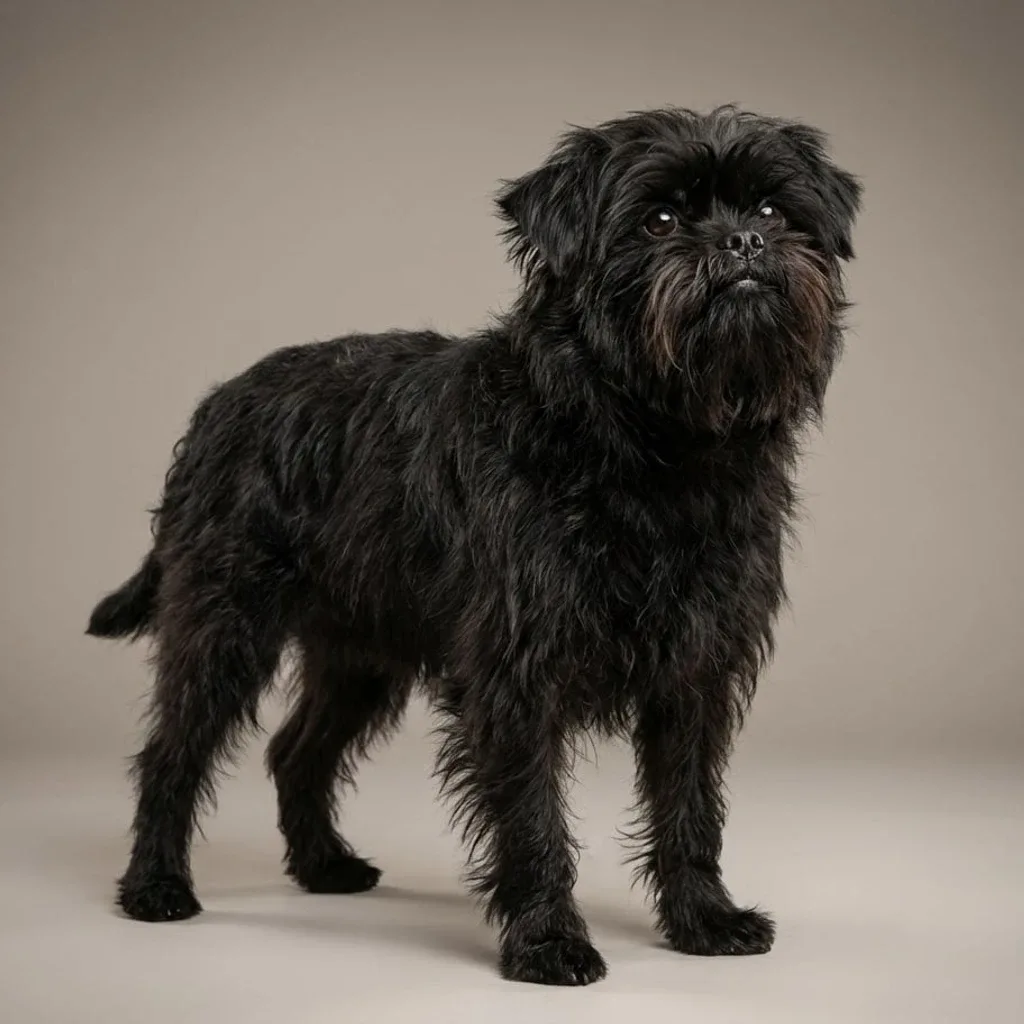
Affenpinscher
The Affenpinscher is a sturdy, monkey-like terrier-type toy breed known for its confidence and playful spirit. Despite its small size, it possesses a courageous heart and a loyal personality, making it a wonderful companion for Kiwi apartment dwellers or those with smaller sections.
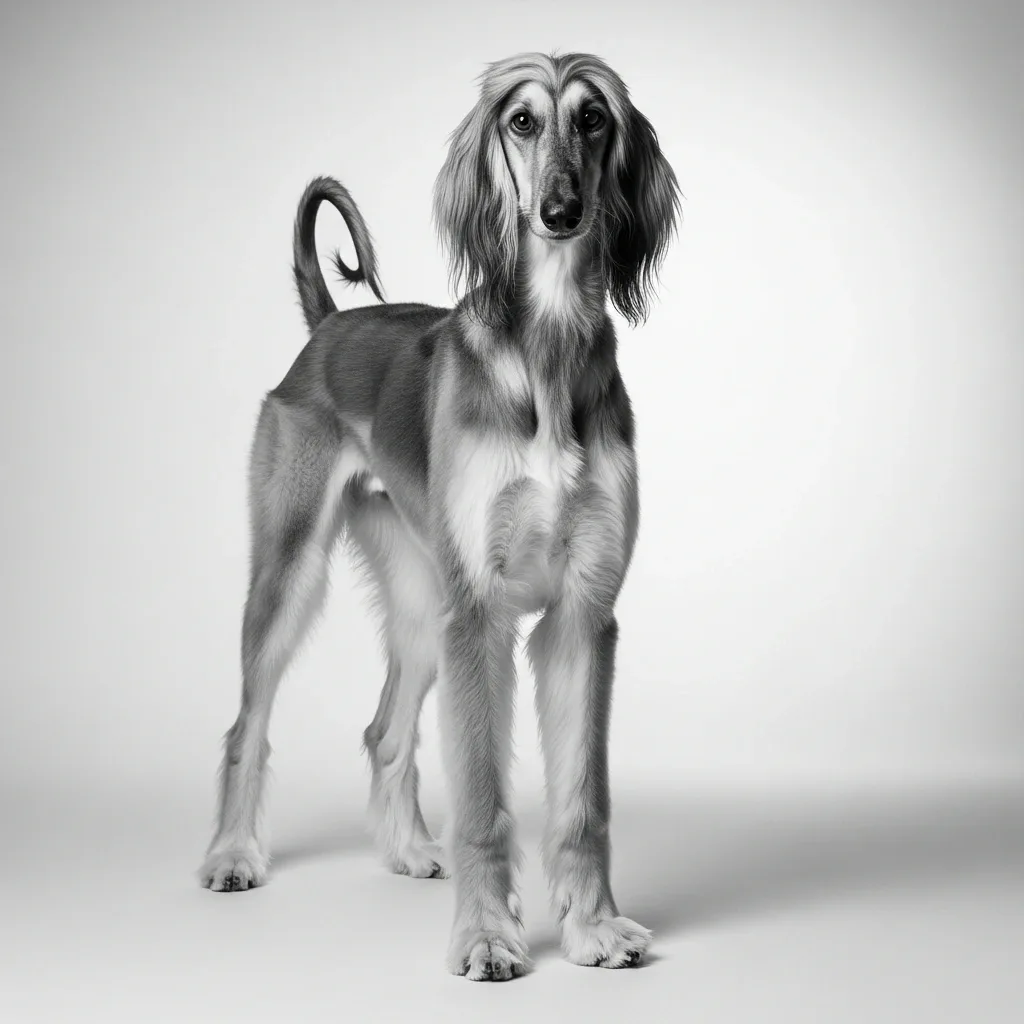
Afghan Hound
The Afghan Hound is an elegant aristocrat with a dignified and aloof personality. Known for its striking, silky coat, this breed is a high-maintenance beauty that requires ample space to run and an owner dedicated to its complex grooming needs.
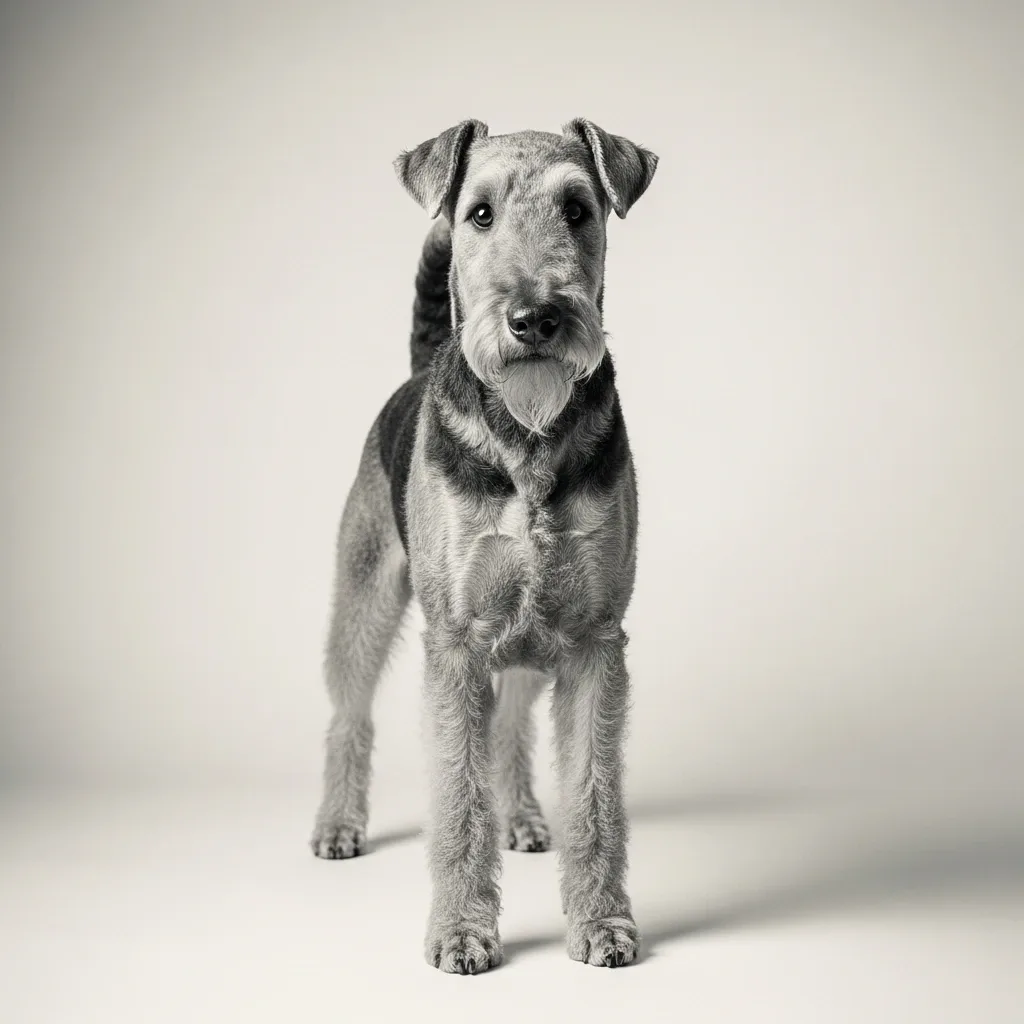
Airedale Terrier
The 'King of Terriers', the Airedale is the largest of all terrier breeds. They are brave, hardworking, and highly intelligent, making them excellent partners for active Kiwi families who love tramping and outdoor adventures.
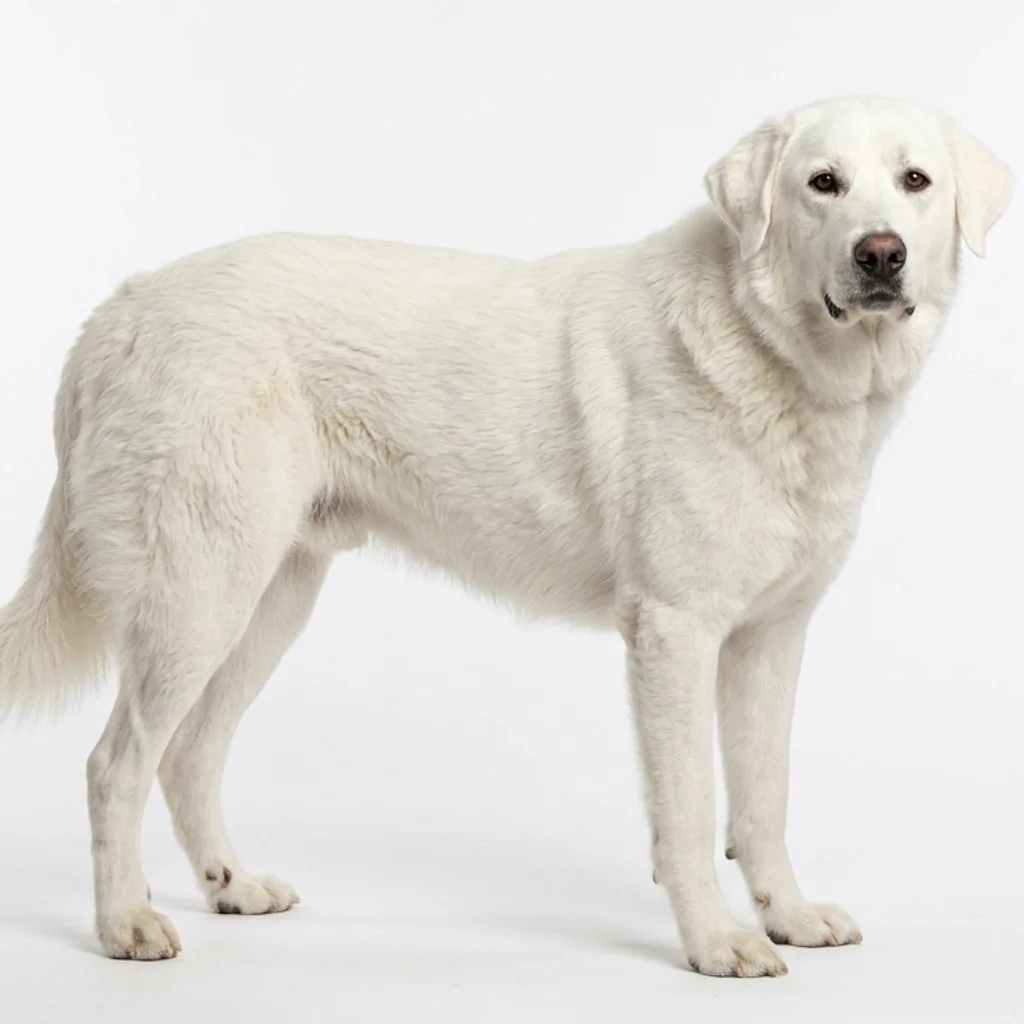
Akbash Dog
Originally a Turkish livestock guardian, the Akbash is a serious, protective, and independent breed. They are not suited for apartment living and thrive on large NZ lifestyle blocks where they can have a 'territory' to watch over.