Dog Breed Guide NZ
English Toy Spaniel
The English Toy Spaniel, often affectionately called a "Charlie," is a truly aristocratic and gentle companion, distinct from its Cavalier cousin by its smaller stature and more reserved demeanour. These charming toy dogs are the epitome of a dedicated lap dog, thriving in a peaceful home where they can lavish affection on their family. With their expressive eyes and silky coat, they exude an old-world charm. Perfect for Kiwis seeking a quiet, devoted indoor pet, they adapt beautifully to apartment living in cities like Auckland or a cosy bach, offering unwavering companionship without demanding extensive outdoor adventures. Their calm nature makes them a delightful addition to many New Zealand households.
Photo Gallery
Breed Snapshot
- Size
- 3.6-6.4 kg
- Lifespan
- 10-12 years
- Origin
- Being enriched
- Temperament
- The English Toy Spaniel is a merry, affectionate companion with a soft expression and charming temperament. It is usually bright and willing with its own people, though some individuals can be discriminating about new friends.
- NZ Price
- $2,500 - $4,000 NZD from registered breeders (NZKC); $150-$350 NZD adoption via SPCA or breed-specific rescues (if available)
- Annual Vet Cost
- Estimated annual vet costs for an English Toy Spaniel in New Zealand typically range from '$600 - $1,200 NZD'. This includes routine check-ups, vaccinations, flea and worm treatments, and dental care, which is particularly important for this breed due to their brachycephalic (short-nosed) structure predisposing them to dental issues. Given their breed-specific health concerns such as patellar luxation, heart conditions (e.g., mitral valve disease), and eye problems (e.g., cataracts, dry eye), additional costs for diagnostics or ongoing medication could increase this significantly. Pet insurance is highly recommended to help manage unexpected veterinary expenses for these potential issues.
Personality Scores
NZ Lifestyle Fit
The English Toy Spaniel is exceptionally well-suited to many New Zealand lifestyles, particularly for those seeking an indoor companion. For residents in an Auckland apartment, they are an ideal choice; their small size, low exercise needs, and quiet nature mean they adapt perfectly to urban flat living. During Auckland's humid summers, their indoor preference helps keep them cool, though owners should ensure they have access to air conditioning or fans. A house with a section is also suitable, providing a secure outdoor space for gentle pottering, but a large section isn't necessary. They are not suited for rural NZ farm life; their delicate build and lack of guarding instincts make them vulnerable to farm hazards and larger animals. In the South Island's cold winters, these small dogs require warmth and are strictly indoor pets, needing cosy beds and perhaps a coat for short outdoor excursions. High UV levels across New Zealand mean they should be protected from prolonged sun exposure, especially their sensitive eyes. There are no specific MPI (Ministry for Primary Industries) restrictions on owning English Toy Spaniels in New Zealand, making them straightforward to welcome into your home.
Origins & History
The English Toy Spaniel, historically known as the King Charles Spaniel in the UK, boasts a rich and regal lineage dating back centuries. These charming little dogs were highly favoured by British royalty and aristocracy, particularly during the Tudor and Stuart periods. Their ancestry is intertwined with various small spaniel types that were popular companions in Europe. It's believed they share common ancestors with the larger Cavalier King Charles Spaniel, but the English Toy Spaniel was specifically bred to retain a more distinctive "domed" skull and a shorter, more pushed-in nose, characteristics that became fashionable in the 19th century. They were cherished as comforters, often found warming laps and beds in drafty castles. The breed's popularity waned slightly with the rise of the Cavalier in the 20th century, but it has maintained a dedicated following among enthusiasts who appreciate its unique historical charm and gentle disposition. Today, they remain a relatively rare but treasured breed, carrying their noble heritage with grace.
Appearance
The English Toy Spaniel is a compact and sturdy toy breed, typically weighing between 4 to 6.5 kilograms and standing around 25 to 30 centimetres at the shoulder. Their most distinguishing features include a large, domed head, a short, upturned nose, and large, dark, expressive eyes that convey a sweet and intelligent gaze. Their long, pendulous ears are heavily feathered, framing their face beautifully. The coat is long, silky, and straight or slightly wavy, with abundant feathering on the ears, chest, legs, and tail. They come in four distinct colour varieties, each historically named:
- King Charles: Black and tan.
- Prince Charles: Tricolour (black, white, and tan).
- Ruby: Solid rich red.
- Blenheim: Pearly white with well-distributed chestnut or red patches, often with a distinctive "Blenheim spot" on the top of the head.
Their elegant appearance, combined with their gentle demeanour, makes them truly captivating.
Temperament & Personality
The English Toy Spaniel is renowned for its quiet, gentle, and aristocratic temperament. They are the quintessential lap dog, utterly devoted to their human companions and happiest when nestled beside them. Unlike some more boisterous toy breeds, the "Charlie" is generally reserved and calm, preferring a peaceful home environment over boisterous activity. They are affectionate and sensitive, thriving on human companionship and returning it tenfold. While they can be initially shy with strangers, they are rarely aggressive and will warm up once they feel comfortable. They typically get along well with older, considerate children and other calm pets, making them excellent family additions for those seeking a tranquil companion. Their quiet nature means they are not prone to excessive barking, making them ideal for apartment living. They are intelligent and eager to please, though their sensitive nature requires a gentle and consistent training approach.
Life in New Zealand
For Kiwis seeking a devoted and low-maintenance companion, the English Toy Spaniel is an excellent choice. Their small size and minimal exercise requirements make them perfectly suited for various New Zealand living situations, from a city flat in Wellington to a suburban house with a small section in Christchurch. They thrive indoors and are content with short daily walks around the block or a gentle play session in a secure garden. Their calm nature means they are generally well-behaved and can be easily transported, whether it’s a trip to the local café or a weekend away at the bach. While they appreciate a quiet life, they are adaptable and will enjoy being part of family activities, as long as they involve plenty of cuddles and a warm lap. Their unique charm and gentle disposition make them a cherished member of any New Zealand household.
Is This the Right Breed for You?
The English Toy Spaniel is ideal for individuals or families who can offer a calm, loving, and consistent home environment. They are best suited for those seeking a devoted indoor companion rather than an active outdoor adventurer. If you appreciate a quiet, affectionate dog who loves to cuddle and doesn't demand extensive exercise, a "Charlie" could be your perfect match. Prospective owners should be prepared for regular grooming to maintain their beautiful coat and be mindful of their potential health issues, particularly heart and eye conditions. They thrive with gentle handling and positive reinforcement training. If you're looking for an elegant, sensitive, and utterly charming canine friend to share your sofa and your life, the English Toy Spaniel offers unparalleled companionship and a touch of historical grace.
Fun Facts
Fact 1
The English Toy Spaniel was historically known as the King Charles Spaniel in the UK, a name still used by the Kennel Club there.
Fact 2
They are often affectionately called 'Charlies' by their enthusiasts, a nod to their royal heritage.
Fact 3
Despite their name, they are a distinct breed from the Cavalier King Charles Spaniel, primarily differing in head shape and temperament.
Fact 4
These dogs were once believed to ward off fleas and were often kept in beds to attract the pests away from their human companions.
Fact 5
The 'Blenheim spot' – a thumb-sized chestnut mark on the top of a Blenheim-coloured English Toy Spaniel's head – is considered a mark of distinction and good luck.
Related Breeds
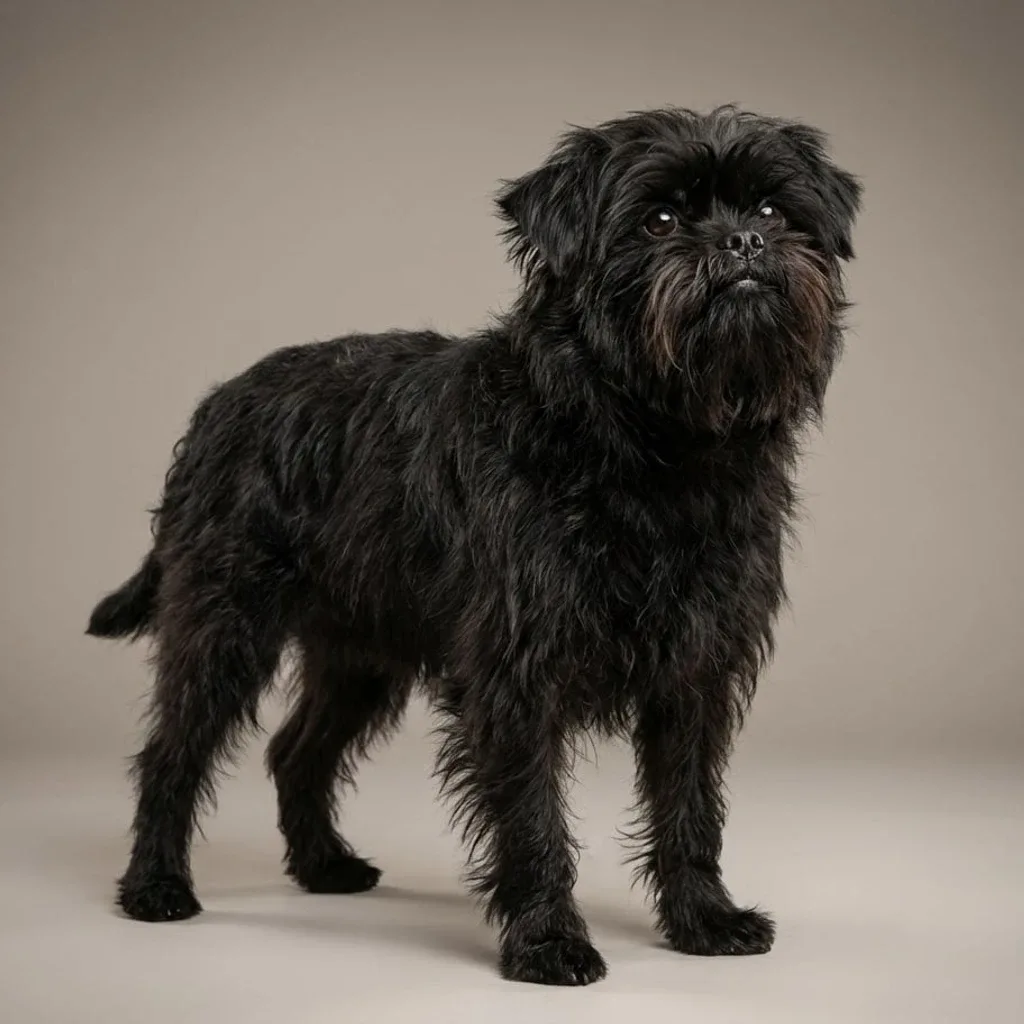
Affenpinscher
The Affenpinscher is a sturdy, monkey-like terrier-type toy breed known for its confidence and playful spirit. Despite its small size, it possesses a courageous heart and a loyal personality, making it a wonderful companion for Kiwi apartment dwellers or those with smaller sections.
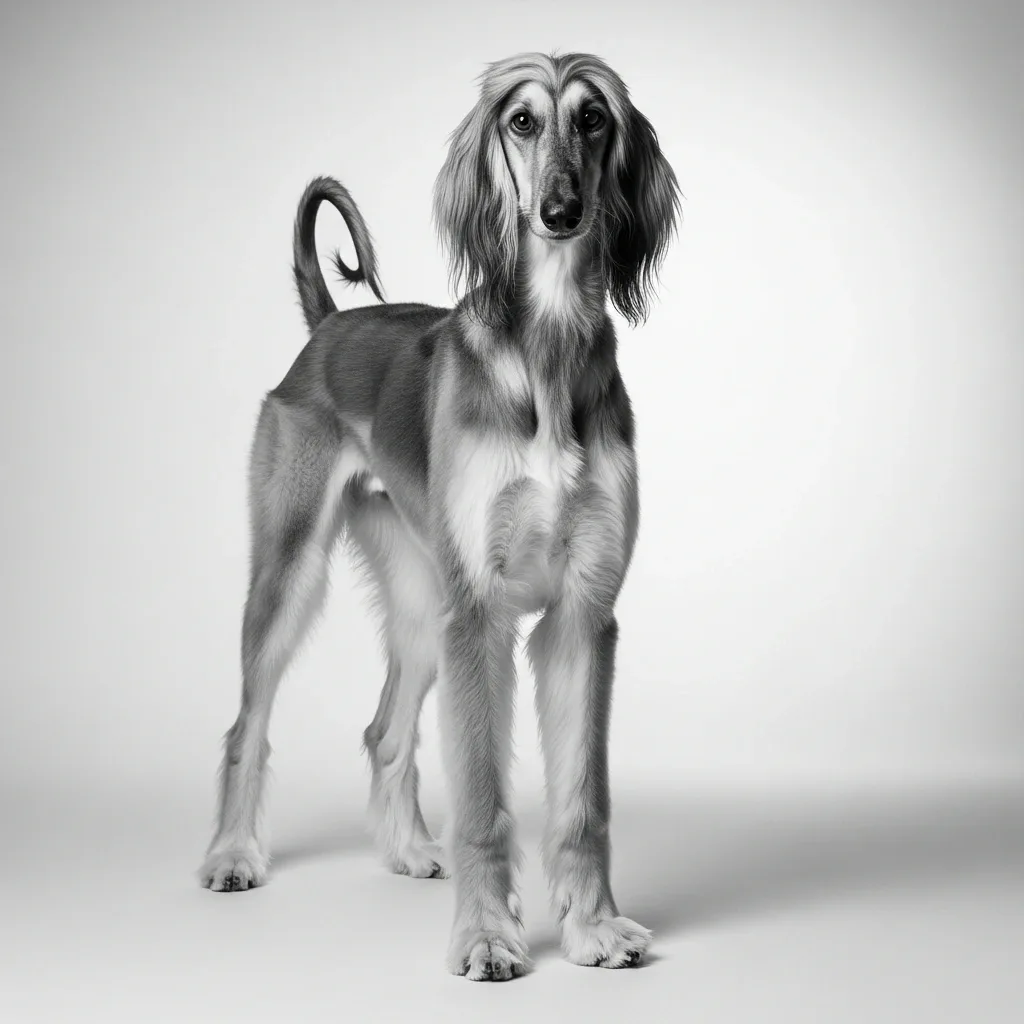
Afghan Hound
The Afghan Hound is an elegant aristocrat with a dignified and aloof personality. Known for its striking, silky coat, this breed is a high-maintenance beauty that requires ample space to run and an owner dedicated to its complex grooming needs.
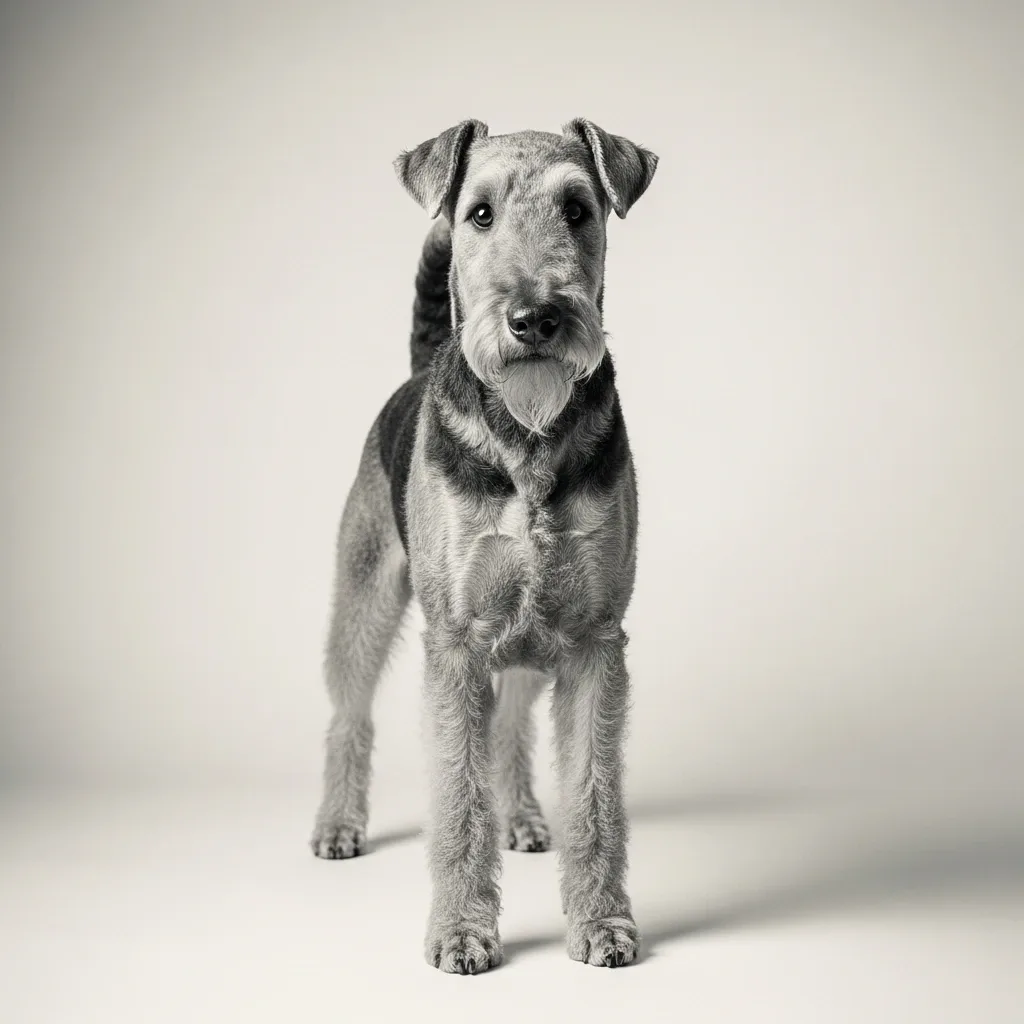
Airedale Terrier
The 'King of Terriers', the Airedale is the largest of all terrier breeds. They are brave, hardworking, and highly intelligent, making them excellent partners for active Kiwi families who love tramping and outdoor adventures.
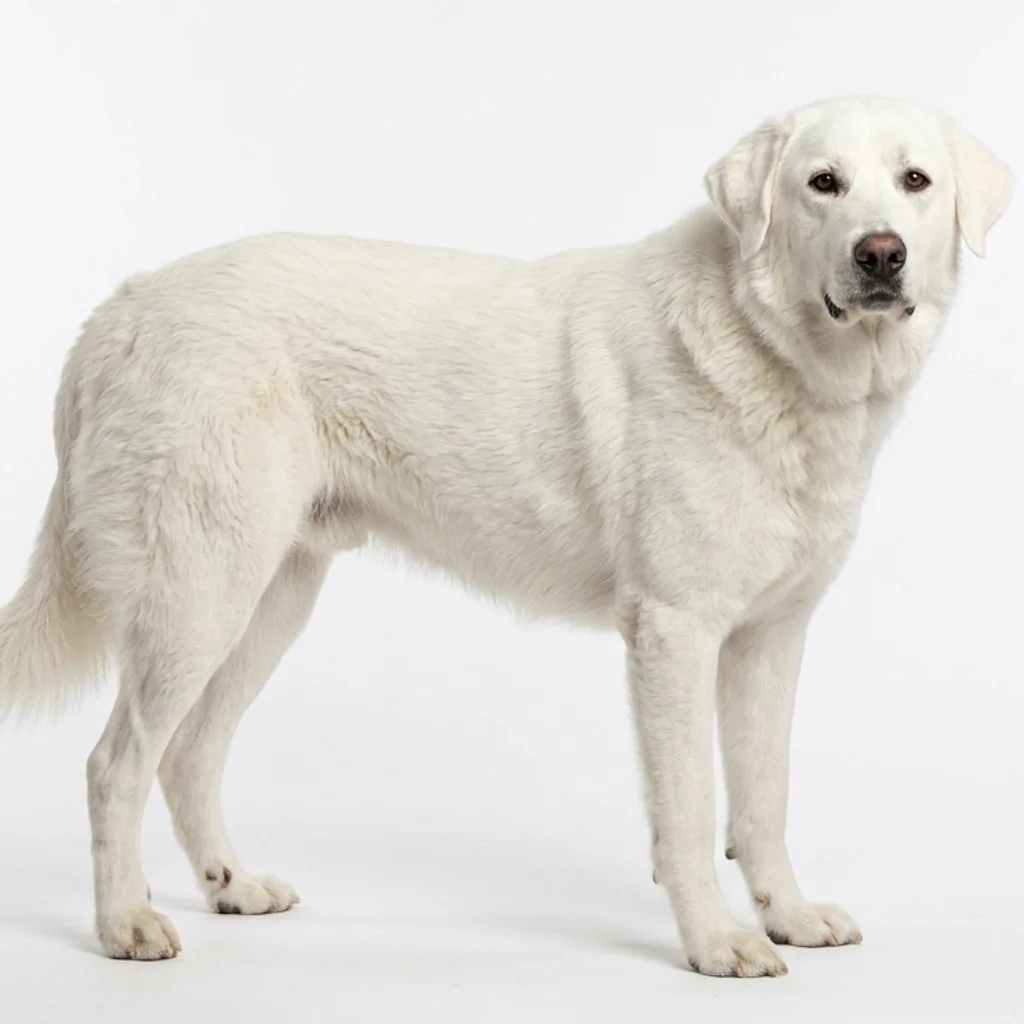
Akbash Dog
Originally a Turkish livestock guardian, the Akbash is a serious, protective, and independent breed. They are not suited for apartment living and thrive on large NZ lifestyle blocks where they can have a 'territory' to watch over.