Dog Breed Guide NZ
English Setter
Often called the 'Gentleman of the Dog World,' the English Setter is a truly elegant and gentle companion, renowned for its unique 'belton' speckled coat. Beneath their refined exterior lies an athletic and intelligent hunter with a sweet, affectionate nature. These beautiful dogs thrive on companionship and activity, making them wonderful additions to active Kiwi households. Their friendly disposition and eagerness to please mean they integrate seamlessly into family life, provided they receive ample exercise and mental stimulation. They are particularly well-suited to homes with a good-sized section or those who enjoy exploring New Zealand's beautiful outdoors, from beaches to tramping tracks.
Photo Gallery
Breed Snapshot
- Size
- Male: 29-36 kg; Female: 20-32 kg
- Lifespan
- 12-14 years
- Origin
- Being enriched
- Temperament
- Friendly, gentle, affectionate, intelligent, energetic
- NZ Price
- $1,500 - $3,500 NZD from registered breeders; $150-$350 NZD adoption via SPCA or breed-specific rescues (when available)
- Annual Vet Cost
- Estimated annual vet costs for an English Setter in NZ range from $800 - $1,500 NZD. This includes routine care such as vaccinations, worming, flea and tick treatments, and annual check-ups. Breed-specific health issues like hip and elbow dysplasia, progressive retinal atrophy (PRA), congenital deafness, and bloat (gastric torsion) can incur additional costs for diagnostics and treatment, potentially running into thousands for surgeries or ongoing management. Pet insurance is highly recommended to help mitigate these potential expenses.
Personality Scores
NZ Lifestyle Fit
The English Setter's energetic and companion-loving nature means they are best suited for homes that can provide ample space and activity in New Zealand. An apartment in Auckland, while possible with dedicated daily exercise, is generally not ideal due to their size and need for a decent run. A house with a good-sized, securely fenced section is far more suitable, allowing them space to play. They thrive in rural NZ farm environments where their natural instincts can be engaged, provided they are kept safe from livestock and roads. Auckland's humid summers can be challenging for their long coat; ensure plenty of shade, fresh water, and avoid strenuous exercise during the hottest parts of the day. In the South Island's cold winters, their coat offers some protection, but they will still need a warm, dry shelter. High UV levels across NZ mean lighter-coated areas, especially their nose, may benefit from sun protection. There are no specific MPI restrictions on owning English Setters in New Zealand.
The English Setter, with its graceful lines and distinctive speckled coat, is a breed that truly lives up to its moniker, the 'Gentleman of the Dog World.' These elegant dogs combine beauty with a gentle, affectionate nature and an energetic spirit, making them cherished companions across New Zealand.
Origins & History
The English Setter is one of the oldest land spaniel breeds, with a history stretching back over 400 years. Developed in England, their primary purpose was to 'set' or crouch low to the ground upon scenting game birds, allowing hunters to net the birds. This unique hunting style gave the breed its name. Key figures like Edward Laverack and Richard Purcell Llewellin were instrumental in refining the breed in the 19th century, focusing on both beauty and field ability. Laverack developed the show lines, while Llewellin focused on working lines, though both contributed significantly to the modern English Setter we know today. Their long history as dedicated hunting partners has instilled in them a strong work ethic, intelligence, and a deep bond with their human companions.
Appearance
English Setters are medium to large-sized dogs, known for their elegant and symmetrical build. Males typically weigh between 29-36 kg, while females range from 20-32 kg. They stand tall, with a graceful neck, a deep chest, and well-muscled legs. Their most striking feature is their coat, which is long, silky, and slightly wavy, adorned with the characteristic 'belton' pattern – a fine speckling of colour on a white background. Common belton colours include blue belton (black and white), orange belton (orange and white), lemon belton (pale yellow and white), and liver belton (brown and white), often with tri-colour variations. They possess expressive, dark eyes that convey their gentle nature, and long, pendulous ears framed by silky feathering. Their feathered tail is carried in a graceful curve.
Temperament & Personality
The English Setter's temperament is a harmonious blend of friendliness, gentleness, and intelligence, coupled with an energetic spirit. They are renowned for being incredibly affectionate and devoted to their families, often forming strong bonds with children and other pets. Their sweet and mild-mannered disposition makes them excellent family dogs, though their boisterous puppy phase requires patience and consistent training. They are highly intelligent and eager to please, which makes them generally trainable, but they can also possess a stubborn streak. As a sporting breed, they have a natural zest for life and require significant daily exercise and mental stimulation to prevent boredom and destructive behaviours. They thrive on being an integral part of family activities and do not do well when left alone for extended periods.
Life in New Zealand
English Setters are well-suited to the active lifestyle many New Zealanders enjoy. Their love for the outdoors makes them ideal companions for exploring our diverse landscapes, from coastal walks to bush tramps. They thrive in homes with a decent-sized, securely fenced section where they can play and burn off energy. Their friendly nature means they generally get along well with other dogs at local parks and beaches, provided they are properly socialised from a young age. While their coat provides some insulation, they appreciate shelter from the elements, whether it's the strong New Zealand sun or a chilly southerly. With their gentle disposition, they fit beautifully into family-oriented Kiwi households that can commit to their exercise and companionship needs.
Is This the Right Breed for You?
An English Setter is an excellent choice for individuals or families who lead an active lifestyle and are prepared to include their dog in daily activities. They require consistent training, early socialisation, and a commitment to regular grooming to keep their beautiful coat in top condition. If you're looking for a devoted, gentle, and energetic companion who will thrive on being part of your family adventures, and you have the time and space to meet their needs, an English Setter could be your perfect match. However, if you prefer a low-energy dog or have limited time for exercise and grooming, another breed might be a better fit. They are not suited to being backyard ornaments; they crave interaction and companionship.
Fun Facts
Fact 1
The English Setter is one of the oldest known 'gundog' breeds, with a history dating back over 400 years.
Fact 2
Their distinctive speckled coat pattern is known as 'belton,' a term coined by Edward Laverack, a prominent 19th-century breeder.
Fact 3
Unlike many pointing breeds, English Setters were originally bred to 'set' or crouch low to the ground when they found game birds, allowing hunters to throw a net over the birds.
Fact 4
They are often called the 'Gentleman of the Dog World' due to their elegant appearance and gentle, affectionate temperament.
Fact 5
English Setters have an incredibly keen sense of smell and are known for their tireless energy and endurance in the field.
Related Breeds
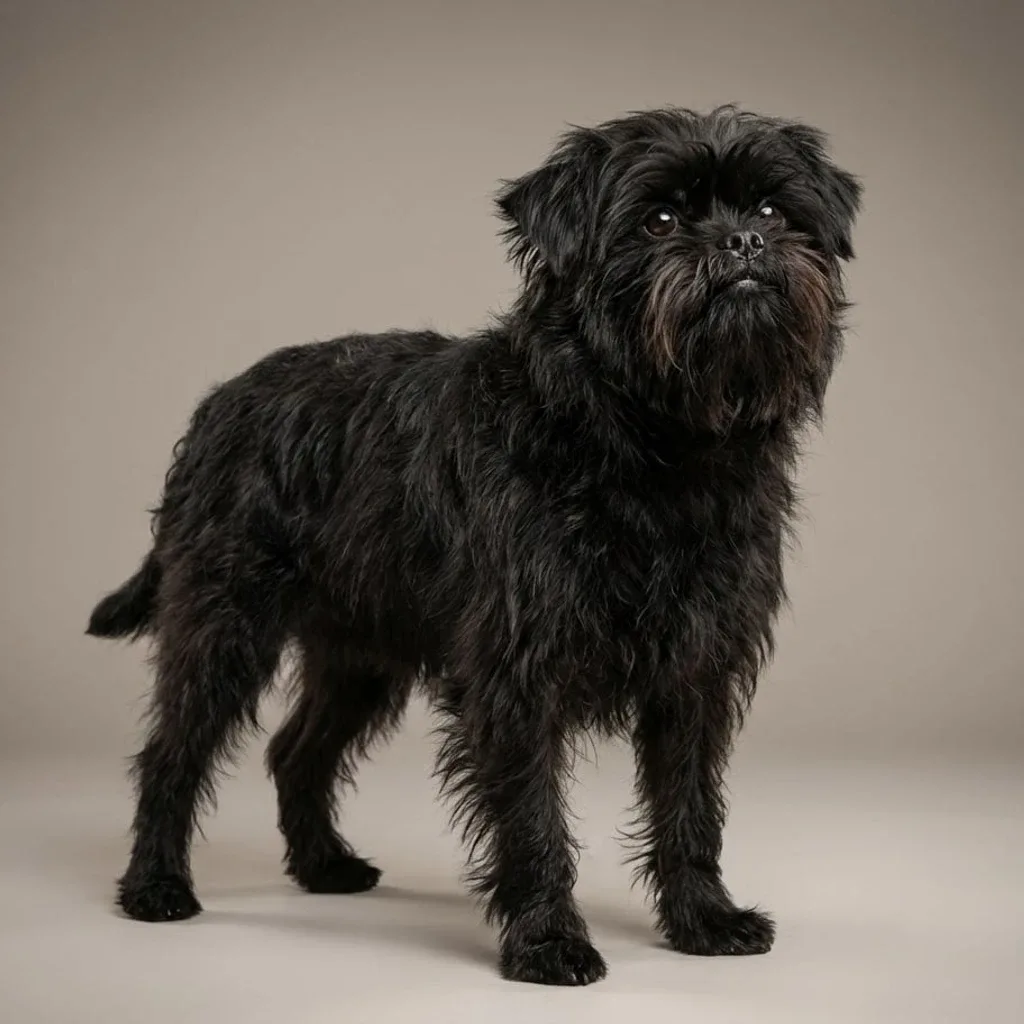
Affenpinscher
The Affenpinscher is a sturdy, monkey-like terrier-type toy breed known for its confidence and playful spirit. Despite its small size, it possesses a courageous heart and a loyal personality, making it a wonderful companion for Kiwi apartment dwellers or those with smaller sections.
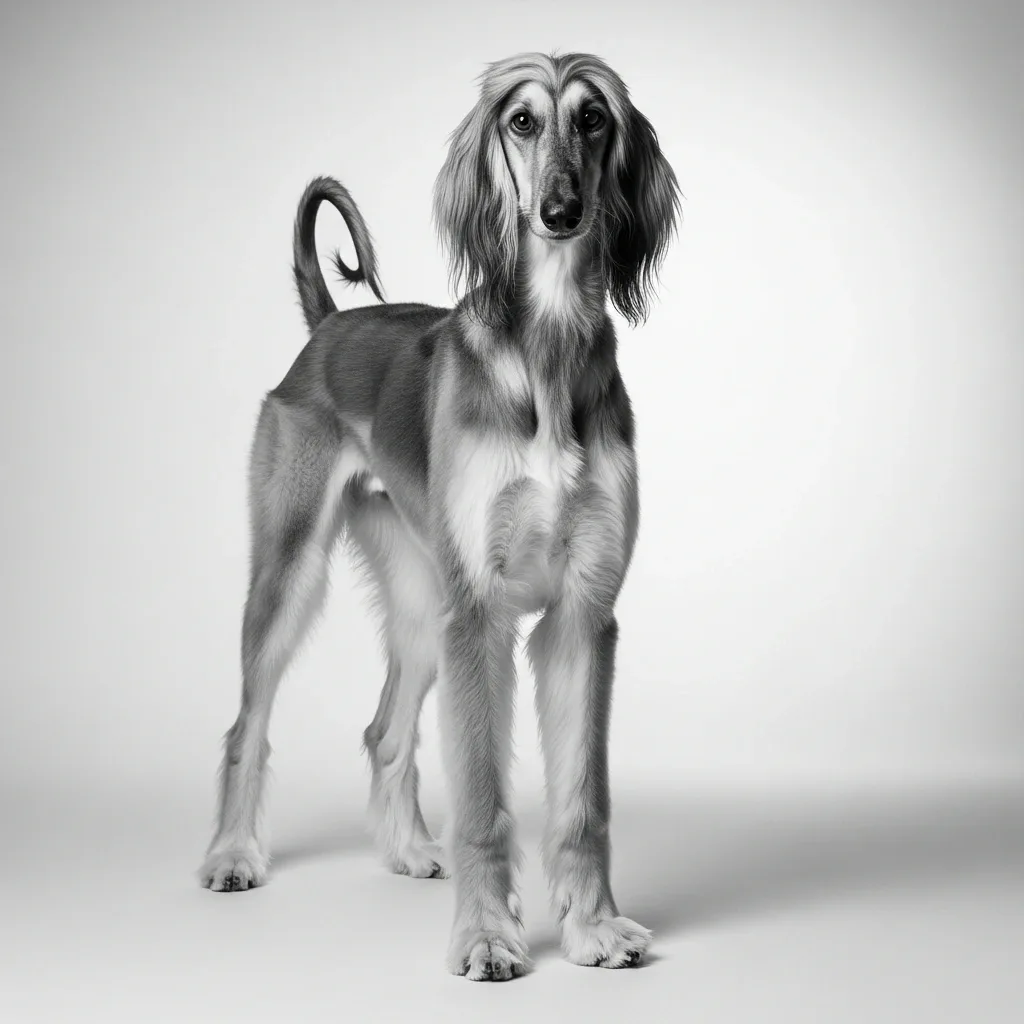
Afghan Hound
The Afghan Hound is an elegant aristocrat with a dignified and aloof personality. Known for its striking, silky coat, this breed is a high-maintenance beauty that requires ample space to run and an owner dedicated to its complex grooming needs.
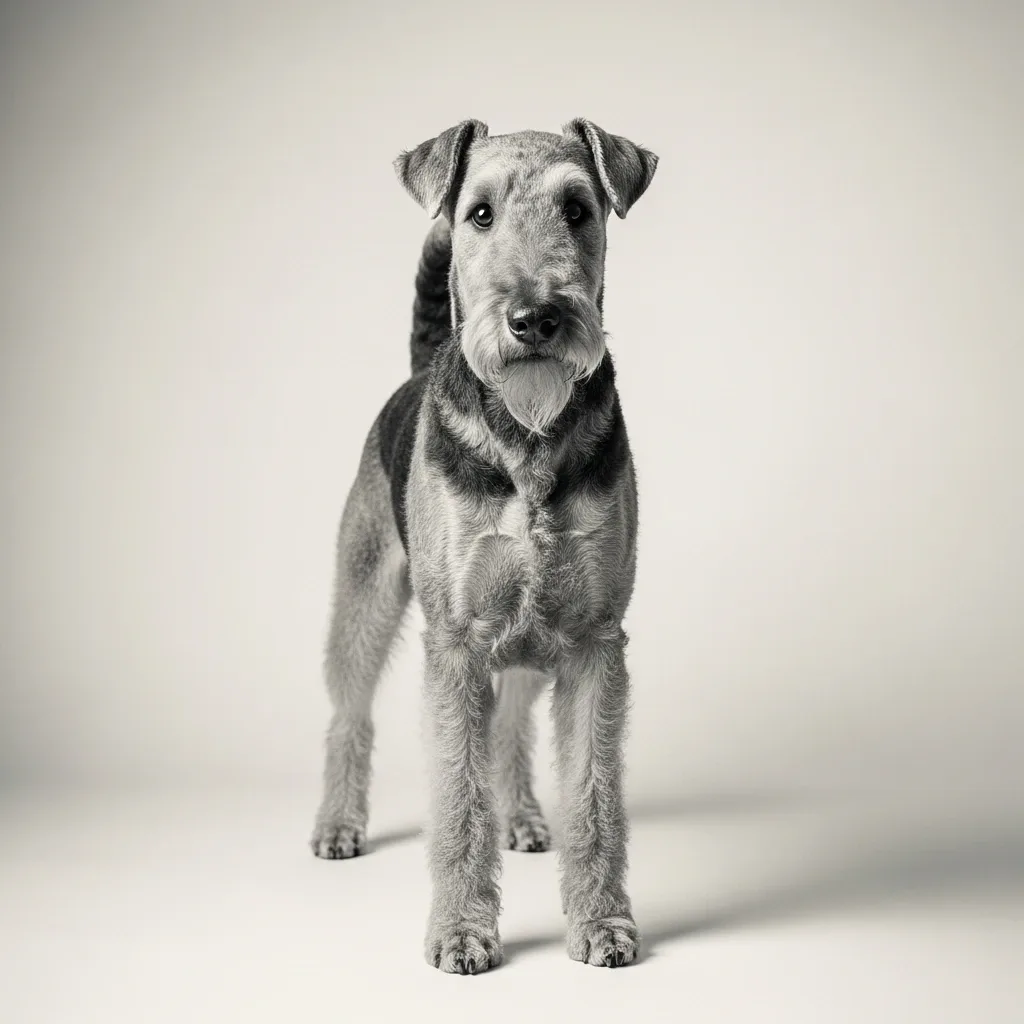
Airedale Terrier
The 'King of Terriers', the Airedale is the largest of all terrier breeds. They are brave, hardworking, and highly intelligent, making them excellent partners for active Kiwi families who love tramping and outdoor adventures.
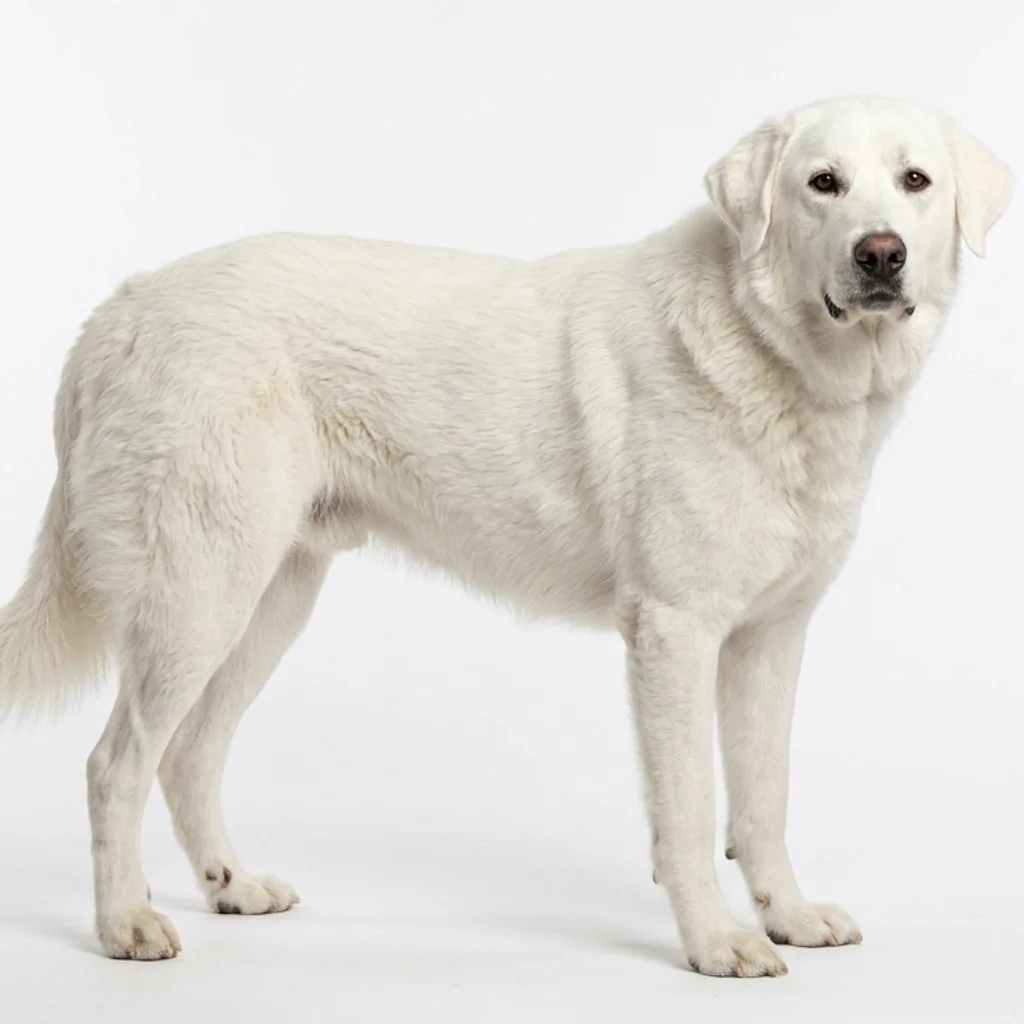
Akbash Dog
Originally a Turkish livestock guardian, the Akbash is a serious, protective, and independent breed. They are not suited for apartment living and thrive on large NZ lifestyle blocks where they can have a 'territory' to watch over.