Dog Breed Guide NZ
Dutch Shepherd
The Dutch Shepherd is a highly intelligent, versatile, and athletic working dog, renowned for its tireless work ethic and unwavering loyalty. Originating from the Netherlands, this breed excels in various roles, from herding livestock to excelling in police and protection work. They form incredibly strong bonds with their handlers, thriving on purpose and mental stimulation. With their keen alertness and energetic disposition, Dutch Shepherds require an active lifestyle and consistent training to be well-adjusted companions. For Kiwis who enjoy an outdoor, active lifestyle, whether tramping, agility, or simply long walks on the beach, the Dutch Shepherd can be an exceptional and dedicated partner, perfectly suited to New Zealand's diverse landscapes.
Photo Gallery
Breed Snapshot
- Size
- Male: 23-34 kg; Female: 19-30 kg
- Lifespan
- 11-14 years
- Origin
- Being enriched
- Temperament
- Intelligent, loyal, alert, energetic, athletic, work-focused, independent
- NZ Price
- $1,500 - $3,500 NZD from registered breeders; $150-$350 NZD adoption via SPCA (if available)
- Annual Vet Cost
- Estimated annual vet costs for a Dutch Shepherd in NZ typically range from $600 - $1,000 NZD. This covers routine vaccinations, worming, flea and tick treatments, and annual check-ups. However, due to potential breed-specific health issues like hip and elbow dysplasia, degenerative myelopathy, and certain eye conditions, costs could increase significantly if specialist treatment or surgery is required. Owners should factor in potential diagnostic imaging (X-rays) and medication for these conditions, which could add several hundred to several thousand dollars depending on the severity and treatment plan.
Personality Scores
NZ Lifestyle Fit
The Dutch Shepherd's robust nature makes them generally well-suited to New Zealand's varied climate, though specific living conditions need consideration. An apartment in Auckland is generally not ideal due to their high energy and need for space, unless the owner is committed to multiple daily vigorous exercise sessions and mental stimulation outside the flat. Auckland's humid summers are manageable for most coat types, but ensure access to shade and water during peak heat. A house with a secure, decent-sized section is far more suitable, allowing them space to burn off energy. For rural NZ farms, the Dutch Shepherd is in its element, thriving on purpose and ample space, aligning perfectly with their working heritage. South Island cold winters are generally fine for their double coat, but a warm, sheltered sleeping area is essential. High UV levels across NZ mean short-coated varieties may benefit from sun protection during prolonged outdoor exposure. There are no specific MPI (Ministry for Primary Industries) restrictions on owning Dutch Shepherds in New Zealand, but responsible ownership, including secure containment and proper training, is always paramount.
Origins & History
The Dutch Shepherd's history is deeply rooted in the pastoral landscapes of the Netherlands, where they were originally bred as all-around farm dogs. Their primary role was to herd flocks of sheep, keeping them together and guarding them from predators and trespassers. Unlike many breeds developed for specific tasks, the Dutch Shepherd was valued for its versatility, capable of adapting to various farm duties. They were also used for pulling carts and guarding property. Their intelligence, agility, and strong work ethic made them indispensable to Dutch farmers. As farming practices evolved and the need for herding dogs diminished, the breed's numbers declined significantly. However, dedicated enthusiasts worked to preserve the breed, recognising its exceptional qualities. Today, while still relatively rare compared to other shepherd breeds, the Dutch Shepherd has found new purpose in various working dog roles globally, including police K9 units, search and rescue, obedience, and agility, a testament to their enduring adaptability and drive.
Appearance
The Dutch Shepherd is a medium to large-sized dog with a well-muscled, athletic build, designed for endurance and agility. Males typically weigh between 23-34 kg and stand 57-62 cm at the shoulder, while females range from 19-30 kg and 55-60 cm. Their most distinctive feature is their coat, which comes in three varieties: short-haired, long-haired, and rough-haired. All three coat types share the characteristic brindle pattern, which can range from a light silver brindle to a deep golden or red brindle, often with a black mask. The short-haired variety has a dense, close-lying coat, requiring minimal grooming. The long-haired has a straight, coarse coat with a dense undercoat, needing more regular brushing. The rough-haired is the rarest, featuring a dense, harsh, and wiry coat with a thick undercoat, giving them a shaggy appearance. Their almond-shaped eyes are dark, and their ears are erect and pointed, giving them an alert and intelligent expression.
Temperament & Personality
The Dutch Shepherd possesses a temperament that is a blend of intelligence, loyalty, and an intense work drive. They are highly intelligent and eager to please, making them very trainable, but their independent nature means they require a confident and consistent handler. These dogs are incredibly loyal and form deep, protective bonds with their families, often displaying a reserved demeanour with strangers. Their alert nature makes them excellent watchdogs, always aware of their surroundings. Dutch Shepherds are energetic and athletic, needing significant physical and mental stimulation to prevent boredom and destructive behaviours. They thrive when given a 'job' to do, whether it's advanced obedience, agility, herding, or protection work. Without proper outlets for their energy and intelligence, they can become restless or anxious. Early socialisation and consistent training are crucial to harness their strong prey drive and ensure they are well-adjusted companions in various situations.
Life in New Zealand
For active Kiwis, the Dutch Shepherd can be an outstanding companion perfectly suited to New Zealand's outdoor lifestyle. Their robust nature and adaptable coat types generally handle our diverse climate well, from the humid summers of Auckland to the colder winters of the South Island. They excel in activities like tramping through our national parks (on leash where required), exploring dog-friendly beaches, or participating in dog sports at local clubs. Their intelligence and eagerness to work make them ideal candidates for obedience trials, agility, or even search and rescue training offered by various organisations across the country. However, their high energy and need for mental engagement mean they are not suited for a sedentary life. A secure section is essential, as their athletic ability means they can easily clear inadequate fencing. With proper training and socialisation, a Dutch Shepherd can integrate beautifully into a Kiwi family, provided their needs for activity and purpose are met.
Is This the Right Breed for You?
Bringing a Dutch Shepherd into your home is a significant commitment that requires careful consideration. This breed is best suited for experienced dog owners who understand the demands of a high-drive working dog. They are not a 'set and forget' pet; they require consistent training, extensive socialisation from a young age, and a minimum of two hours of vigorous exercise daily, coupled with mental challenges. If you are an active individual or family who enjoys outdoor activities, has the time and dedication for advanced training, and can provide a structured environment, a Dutch Shepherd can be an incredibly rewarding companion. They excel in dog sports and working roles, so if you're looking for a canine partner to compete with or engage in serious training, this breed could be a perfect match. However, if you lead a more sedentary lifestyle, have limited time for training, or are looking for a low-maintenance pet, the Dutch Shepherd is likely not the right choice. Their intense loyalty and protective instincts mean they thrive when they are an integral part of the family, receiving plenty of attention and purpose.
Fun Facts
Fact 1
The Dutch Shepherd is one of the few breeds that still primarily comes in a brindle coat pattern, which is a hallmark of the breed.
Fact 2
They are considered a 'multi-purpose' working dog, historically used for herding, guarding, and pulling carts on farms.
Fact 3
Unlike their more famous cousins, the German Shepherd and Belgian Malinois, the Dutch Shepherd is a relatively rare breed globally.
Fact 4
Their exceptional intelligence and trainability make them highly sought after for police and military K9 roles in various countries.
Fact 5
The breed nearly went extinct during World War II due to food shortages and the disruption of breeding programmes.
Related Breeds
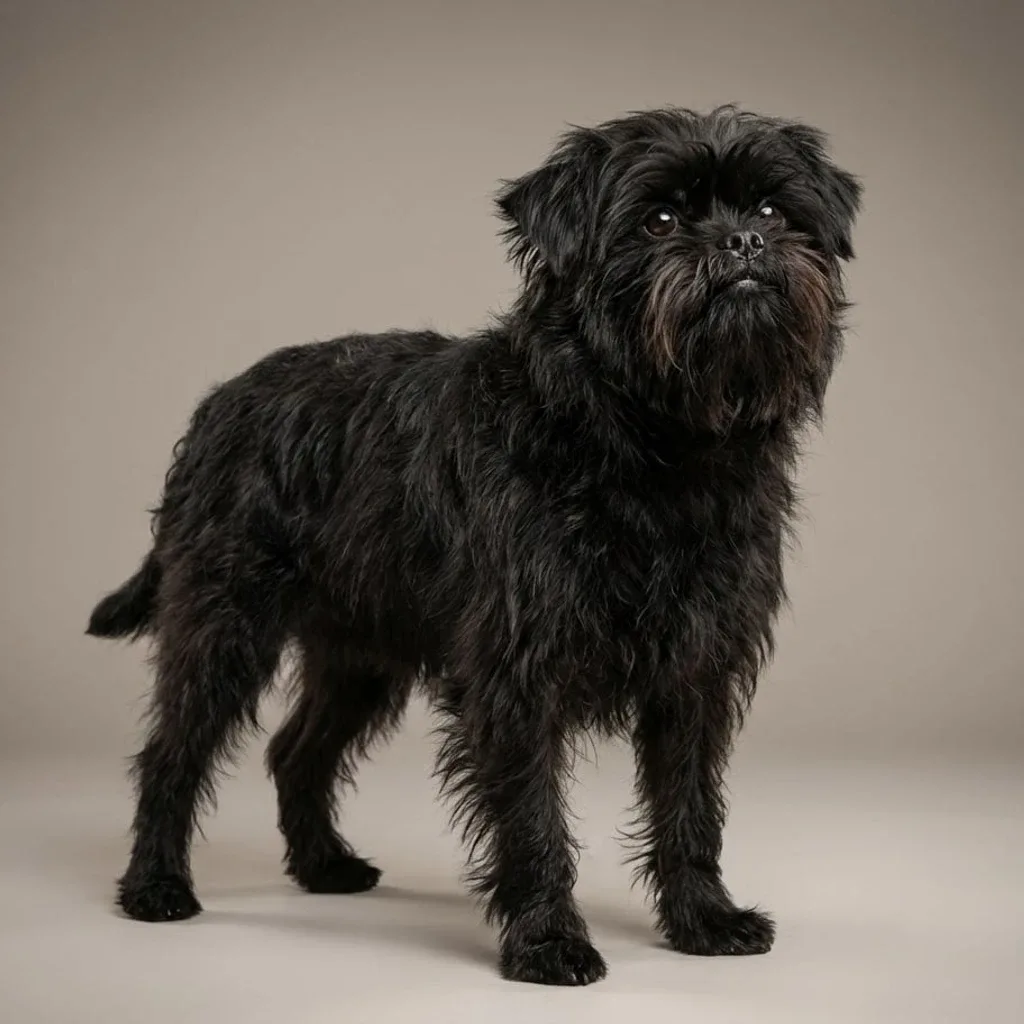
Affenpinscher
The Affenpinscher is a sturdy, monkey-like terrier-type toy breed known for its confidence and playful spirit. Despite its small size, it possesses a courageous heart and a loyal personality, making it a wonderful companion for Kiwi apartment dwellers or those with smaller sections.
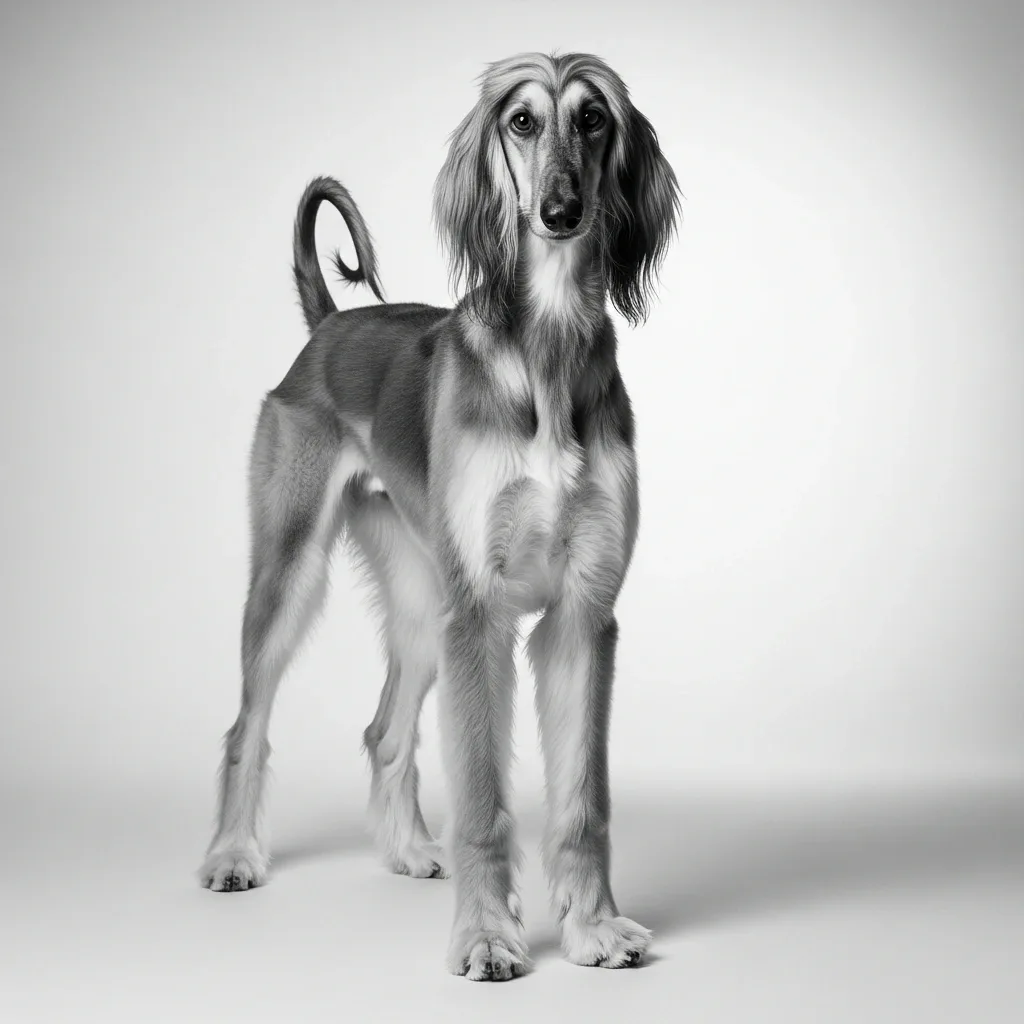
Afghan Hound
The Afghan Hound is an elegant aristocrat with a dignified and aloof personality. Known for its striking, silky coat, this breed is a high-maintenance beauty that requires ample space to run and an owner dedicated to its complex grooming needs.
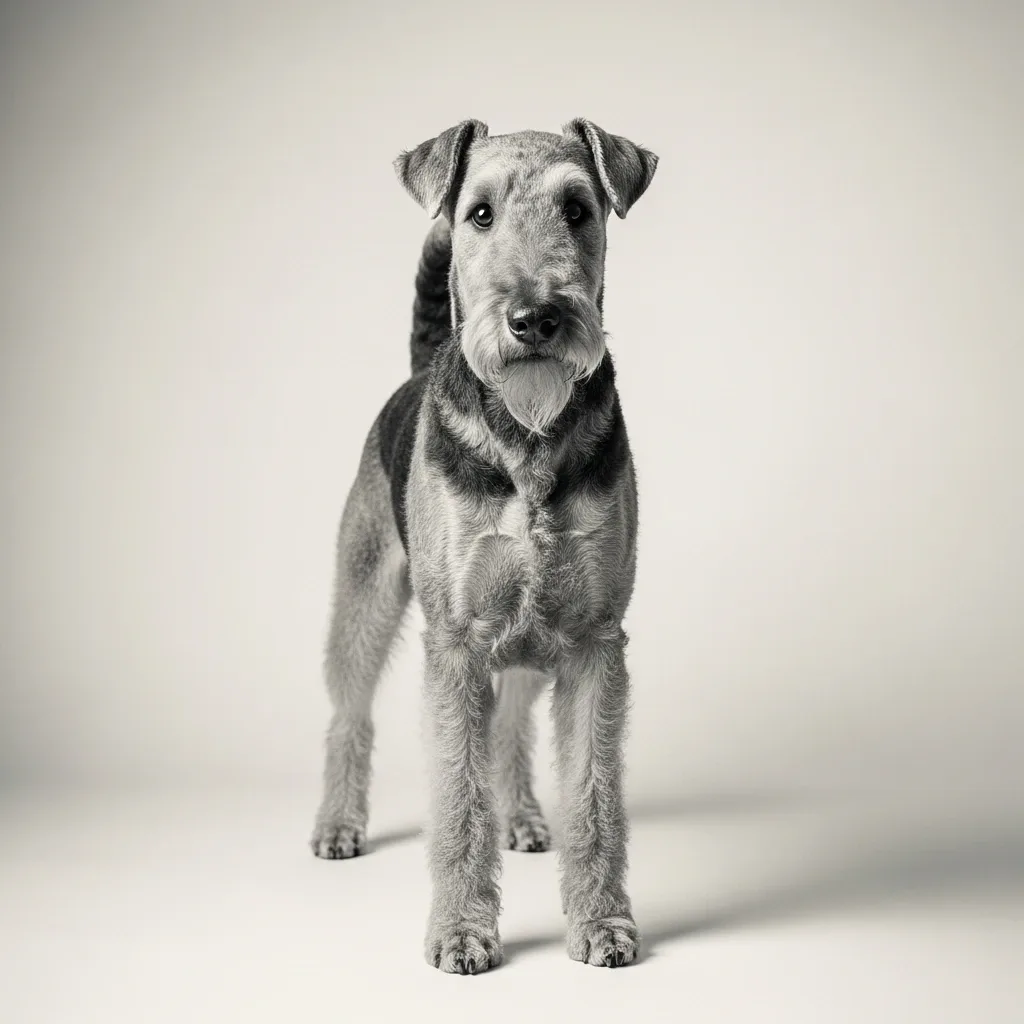
Airedale Terrier
The 'King of Terriers', the Airedale is the largest of all terrier breeds. They are brave, hardworking, and highly intelligent, making them excellent partners for active Kiwi families who love tramping and outdoor adventures.
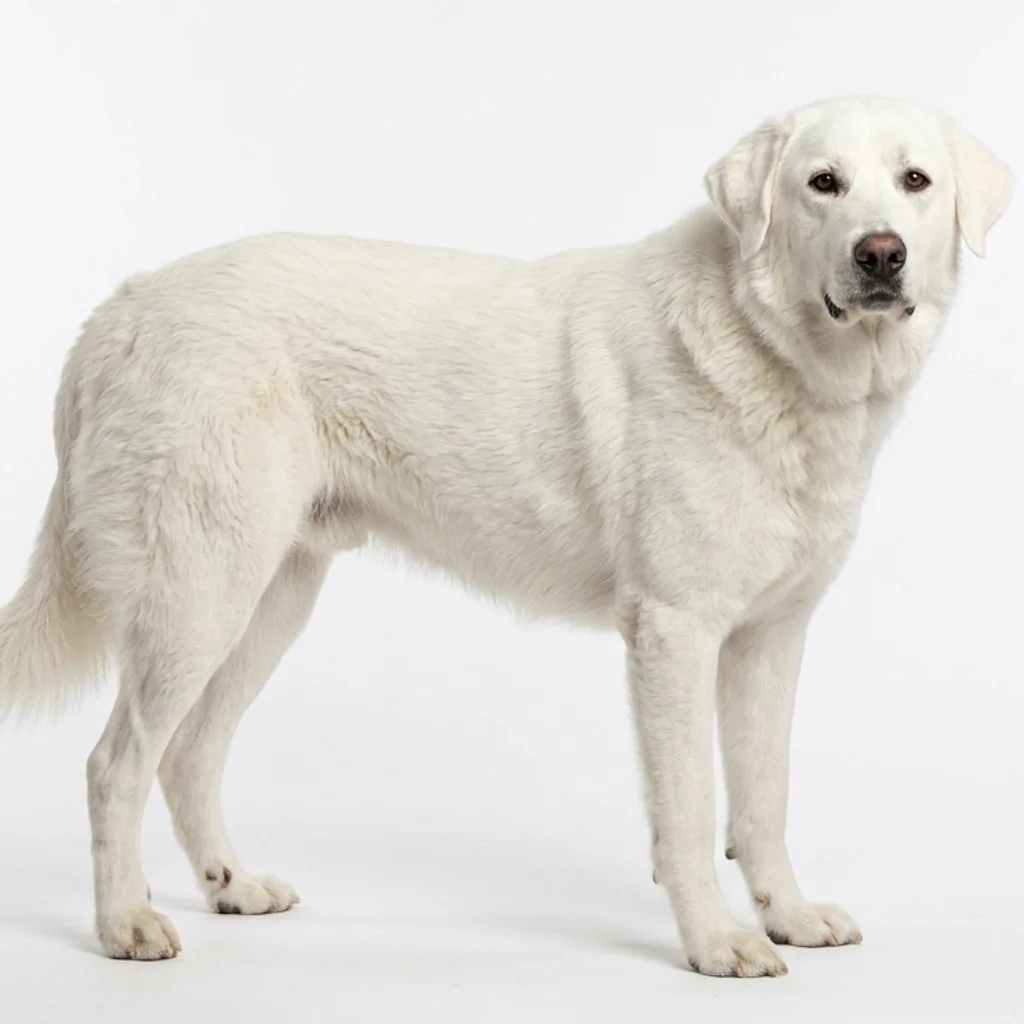
Akbash Dog
Originally a Turkish livestock guardian, the Akbash is a serious, protective, and independent breed. They are not suited for apartment living and thrive on large NZ lifestyle blocks where they can have a 'territory' to watch over.