PetMall Knowledge Hub

Dog Breed Guide NZ

Dogo Argentino

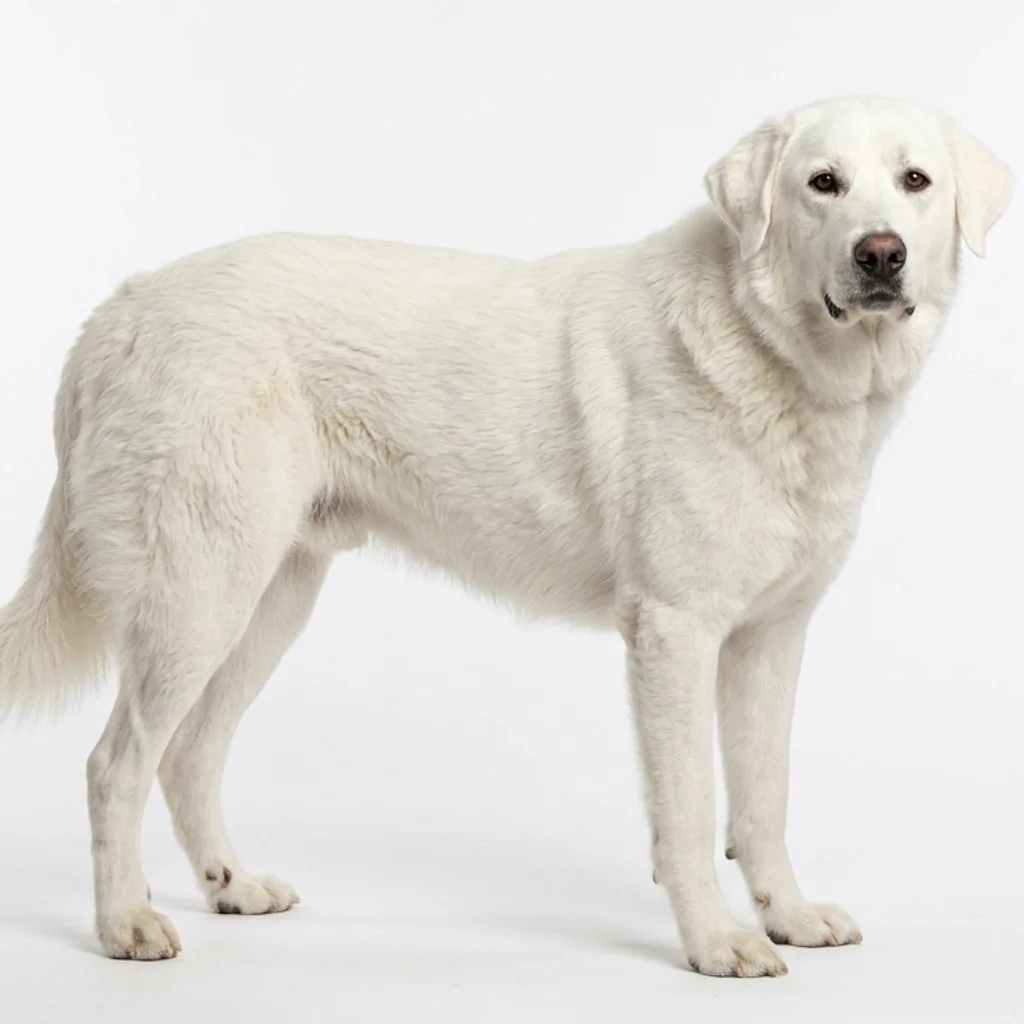
The Dogo Argentino is a large, powerful hunting breed and a Schedule 4 breed under New Zealand dog-control law. New Zealand owners should treat this profile as legal and safety guidance first: import is prohibited for dogs belonging entirely or predominantly to the breed, and council menacing-dog rules may apply.

House with SectionRural / Farm

Photo Gallery

Breed Snapshot

Size
Male: 40-45 kg; Female: 40-43 kg
Lifespan
9-15 years
Origin
Being enriched
Temperament
Courageous, loyal, protective, confident, intelligent, energetic
NZ Price
$2,500 - $4,500 NZD from registered breeders; $150-$350 NZD adoption via SPCA (rarely available)
Annual Vet Cost
Estimated annual vet costs for a Dogo Argentino in NZ can range from $800 - $1,500 NZD. This includes routine check-ups, vaccinations, flea and worm treatments. However, due to breed-specific health issues, costs can be higher. Dogos are prone to congenital deafness (especially unilateral deafness), hip and elbow dysplasia, and various skin allergies. Managing these conditions can involve specialist consultations, medications, or even surgery, potentially adding thousands of dollars to annual expenses. Pet insurance is highly recommended to help mitigate these costs.

Personality Scores

Friendliness4/5
Trainability4/5
Energy5/5
Grooming2/5
Health Risk3/5
Apartment1/5
With Kids4/5
With Pets3/5

NZ Lifestyle Fit

Dogo Argentino may suit only owners who can meet legal, housing, training, and public-safety responsibilities consistently. It is not a casual first-dog recommendation in New Zealand.

Dogo Argentino is listed in Schedule 4 of the Dog Control Act 1996. MPI states that dogs belonging entirely or predominantly to the listed breeds/types cannot be imported into New Zealand. Councils must classify Schedule 4 breed/type dogs as menacing, with requirements such as muzzling in public and neutering where required by notice.

NZ legal context

Dogo Argentino is listed in Schedule 4 of the Dog Control Act 1996. MPI states that dogs belonging entirely or predominantly to the listed breeds/types cannot be imported into New Zealand. Councils must classify Schedule 4 breed/type dogs as menacing, with requirements such as muzzling in public and neutering where required by notice.

Ownership fit

Dogo Argentino ownership in New Zealand should be approached as a compliance-first decision. The household needs secure containment, calm public handling, realistic strength management, and clear vet and council records.

Daily care

Care is not only exercise and feeding. For this profile, responsible care also means preventing unsafe public encounters, managing visitors and gates, maintaining muzzle comfort where relevant, and asking for qualified help before behaviour escalates.

Fun Facts

Fact 1

The Dogo Argentino was originally bred in Argentina in the early 20th century by Dr. Antonio Nores Martínez.

Fact 2

They were specifically developed for hunting big game, such as wild boar and puma, in the vast plains of Argentina.

Fact 3

Their striking pure white coat was intentionally bred to make them easily visible to hunters in the field, distinguishing them from their quarry.

Fact 4

The Dogo Argentino's ancestry includes a mix of ten different breeds, including the now-extinct Cordoba Fighting Dog.

Fact 5

Despite their powerful build and hunting heritage, Dogos are known for their deep loyalty and affectionate nature towards their human families.

Related Breeds
PetMall Editorial Desk

Reviewed and curated for practical, vet-informed guidance

Every guide is edited into a consistent house style so readers can scan quickly, compare recommendations, and understand where general education stops and personal veterinary advice begins.

Updated
Recently updated
Positioning
Evidence-based pet care for NZ households

Structured Guide

Life Stage Care

Scan the most important priorities for each stage so readers can adapt routine, home setup, and monitoring as this profile matures.

Puppy · 8 weeks to 18 months

Dogo Argentino puppies need early socialisation, calm handling, secure housing, and legal checks before acquisition or transfer. Dogo Argentino is a Schedule 4 breed/type, so import and menacing-dog rules must be checked first.

  • Confirm local council requirements before acquiring, rehoming, importing, or moving the dog between districts.
  • Build calm foundations: name response, settle, handling, muzzle conditioning where appropriate, lead manners, and polite greetings.
  • Use controlled socialisation with known calm dogs and people instead of crowded dog-park exposure.
  • Keep growth exercise low-impact and focus on body condition, joint protection, and vet-guided vaccination and parasite control.
  • Register, microchip, and keep ownership details current with the relevant council and microchip register.

Adult · 18 months to 8 years

Adult Dogo Argentino care should be built around public safety, predictable handling, secure containment, fitness, and clear compliance with council rules.

  • Use secure fencing, gate routines, visitor control, and lead equipment that can safely manage a strong dog.
  • Keep public exercise calm and planned; avoid situations where the dog is crowded, rushed, or allowed to practise reactive behaviour.
  • Maintain training refreshers for loose-lead walking, leave-it, recall, settle, muzzle comfort, and calm vet handling.
  • Watch body condition, skin, feet, joints, teeth, heat stress, and any change in behaviour or recovery after exercise.
  • If the dog is classified as menacing or dangerous, follow the council notice exactly and ask the council or a qualified professional before making assumptions.

Senior · 8 years and older

Senior Dogo Argentino dogs still need careful management, but comfort, mobility, dental care, weight control, and stress reduction become the priority.

  • Use shorter, steady walks, scent work, and low-impact training instead of hard jumping or rough play.
  • Keep bedding warm and supportive through damp NZ winters and monitor stiffness after cold mornings.
  • Check teeth, lumps, skin, nails, weight, appetite, drinking, breathing, and behaviour changes.
  • Keep public handling predictable; ageing dogs may become less tolerant of pressure, pain, or sudden approaches.
  • Ask your vet about senior checks, pain management, and diet changes as activity reduces.

NZ Specific Tips

New Zealand Care Notes

These local notes translate general breed guidance into climate, housing, and routine realities for New Zealand households.

Legal

Treat the legal status as a first-step check

The Dogo Argentino is named in Schedule 4 of the Dog Control Act. Anyone dealing with an existing dog should confirm council status and obligations before making ownership, rehoming, or travel decisions.

Council

Council classification can change the daily rules

A council menacing or dangerous classification is not just a label. It can affect muzzling, neutering, microchipping, public handling, and containment expectations, so owners should keep the council notice and follow the exact local requirements.

Handling

Use calm public routines instead of casual dog-park exposure

Dogo Argentino owners should prioritise loose-lead walking, muzzle comfort where relevant, calm passing skills, and safe distance around dogs, children, scooters, wildlife, and busy footpaths.

Housing

Secure fencing and visitor access matter

Before choosing or rehoming this type of dog, check fences, gates, rental rules, insurance, body-corporate limits, and whether visitors can enter safely without the dog rushing a door or boundary.

Health

Keep strength matched with weight control

Powerfully built dogs need lean body condition, steady conditioning, joint care, nail care, dental checks, skin monitoring, and heat-aware exercise. Sudden lameness, breathing difficulty, or behaviour change deserves veterinary advice.

Owner Questions

Common Questions

Is the Dogo Argentino restricted in New Zealand?+

Yes. New Zealand's Dog Control Act Schedule 4 lists Dogo Argentino. MPI also names Dogo Argentino in its prohibited import guidance. Existing dogs should be discussed with the relevant council because classification and day-to-day obligations depend on the law and the council notice.

What happens if a dog is classified as menacing?+

The owner must follow the council notice. Auckland Council summarises common requirements as muzzling in public, neutering or a vet certificate if unfit to be neutered, and microchipping within the stated timeframe. National law also contains menacing-dog provisions, so owners should check their local council.

Can I import this breed into New Zealand?+

Dogs that belong entirely or predominantly to Dogo Argentino cannot be imported into New Zealand under the Dog Control Act and MPI import guidance.

Is the Dogo Argentino a good family dog?+

This depends on the individual dog, breeding, early handling, training, household setup, and legal status. Strong, legally sensitive, or restricted-breed-adjacent dogs should not be chosen casually. Families need supervision with children, secure containment, calm visitor routines, and professional help for any fear, guarding, or reactivity.

What should current owners prioritise?+

Keep registration and microchip details current, follow any council classification notice, maintain secure fencing, use appropriate lead and muzzle training where relevant, avoid risky public situations, and keep regular vet care for weight, joints, skin, teeth, and pain.

Is this legal information a substitute for council advice?+

No. This profile is an owner-education summary. New Zealand dog control is applied by local councils, so owners should confirm the current status of their dog with their council, especially before buying, rehoming, importing, travelling, or moving district.

How much does a Dogo Argentino cost in NZ?+

In New Zealand, a Dogo Argentino typically costs $2,500 - $4,500 NZD from registered breeders; $150-$350 NZD adoption via SPCA (rarely available) from a registered breeder, and usually less through rescue or adoption. Budget for ongoing costs too — food, vet care, parasite prevention and insurance — on top of the purchase price.

How big does a Dogo Argentino get and how long do they live?+

The Dogo Argentino is a male: 40-45 kg; female: 40-43 kg dog breed, typically living 9-15 years. Size affects food, equipment and exercise needs, so plan space and budget accordingly.

Are Dogo Argentinos good with children?+

In our breed profile the Dogo Argentino scores 4/5 for getting on with children — generally very good with kids. Always supervise young children with any dog and teach gentle, respectful handling.

Are Dogo Argentinos easy to train?+

The Dogo Argentino scores 4/5 for trainability in our profile — a quick, willing learner. Early socialisation and short, positive sessions work best in NZ homes.

Care Guides

Related Care Guides

Useful reading for NZ owners of this species.

Tools

Helpful Tools

Free interactive tools for NZ owners.

petmall.co.nz

Shop at PetMall

The products below are practical support items for your pet. PetMall ships across New Zealand.

Important Note

Information on PetMall is for education only and does not replace an in-person assessment by a veterinarian. If your pet is unwell, in pain, rapidly deteriorating, or you are unsure whether something is urgent, contact your local veterinary clinic promptly.