Dog Breed Guide NZ
Dachshund
The Dachshund, or 'sausage dog', is a clever, bold and devoted small hound originally bred in Germany to hunt badgers. Beloved across New Zealand — especially the Miniature — they pack huge personality into a small frame. Their signature long back also makes spinal (IVDD) care the single most important part of owning one.
Photo Gallery
Breed Snapshot
- Size
- Standard: 7–15 kg; Miniature: under ~5 kg
- Lifespan
- 12–16 years
- Origin
- Germany
- Temperament
- Clever, lively, courageous, curious, devoted, stubborn, alert (vocal)
- NZ Price
- $1,500 – $3,500+ NZD from registered NZ breeders (Miniatures and rarer colours/coats often at the top end); $150 – $400 NZD via SPCA or breed rescue. Be cautious of unusually cheap or 'designer' colour litters.
- Annual Vet Cost
- Routine annual care (vaccinations, flea/worm, check-ups) runs roughly $500 – $1,000 NZD. The breed-specific risk is IVDD: advanced imaging (MRI) and spinal surgery in New Zealand commonly costs $8,000 – $15,000+ NZD for a single episode. This is why pet insurance — taken out while the dog is young and healthy, before any back issue is noted — is more strongly recommended for Dachshunds than for almost any other breed.
Personality Scores
NZ Lifestyle Fit
Dachshunds suit a wide range of New Zealand homes — including apartments and townhouses — thanks to their small size and moderate exercise needs. Miniatures in particular are a strong fit for renters and smaller spaces, provided owners manage barking (they are alert and vocal) and commit to back-protective routines. They are not an ideal match for homes with lots of stairs unless ramps or carrying are used, or for very young children who may handle them roughly. They tolerate New Zealand's temperate climate well; smooth-coated Dachshunds feel the cold more and appreciate a coat in a Southland or Central Otago winter. As companion-focused dogs, they dislike being left alone for long days and can develop separation-related barking or digging.
Origins & History
The Dachshund was developed in Germany several centuries ago as a working scent hound — the name literally means "badger dog" (Dachs = badger, Hund = dog). Their long body, deep chest and short, powerful legs were purpose-bred to dig into badger and rabbit setts and follow quarry underground. That bold, tenacious "go-to-ground" temperament still shapes the dog you bring home today: a Dachshund is a hunter in a small package, not a lapdog that happens to be short.
Sizes & Coats
In New Zealand you'll mainly meet two sizes — Standard (around 7–15 kg) and Miniature (usually under about 5 kg) — across three coat types: smooth, long-haired and wire-haired. Miniatures are by far the most popular with Kiwi households and apartment owners. Coat type is the main driver of grooming effort: smooths are wash-and-go, while long and wire coats need regular brushing and the wire coat needs occasional hand-stripping or tidying.
Temperament
Dachshunds are clever, curious, comical and famously stubborn. They bond hard with their people, are alert little watchdogs (read: they will bark), and have a strong prey drive inherited from their hunting roots. That independence makes training a patience game — they respond to short, fun, reward-based sessions and switch off the moment things get repetitive or harsh.
The Dachshund Back — the one thing every owner must understand
Because of their long spine and chondrodystrophic (long-body, short-leg) build, Dachshunds are the breed most associated with Intervertebral Disc Disease (IVDD) — roughly one in four Dachshunds is affected in their lifetime. A slipped or ruptured disc can cause pain, and in serious cases hind-limb weakness or paralysis. The good news is that risk is heavily influenced by how you manage them day to day. This is the defining responsibility of Dachshund ownership and the reason the care, weight and insurance sections below matter more for this breed than almost any other.
Fun Facts
Fact 1
The name 'Dachshund' is German for 'badger dog' — they were bred to dig into badger setts and fight the quarry underground.
Fact 2
They come in two sizes (Standard and Miniature) and three coats (smooth, long-haired, wire-haired), so there are effectively six varieties.
Fact 3
Their bold, loud bark is genuine working heritage — a hound that needed to be heard from inside a tunnel.
Fact 4
Dachshunds were among the most popular small dogs in New Zealand's recent registration trends, with Miniatures leading the way.
Fact 5
A Dachshund was the first official Olympic mascot — 'Waldi', at the 1972 Munich Games.
Related Breeds
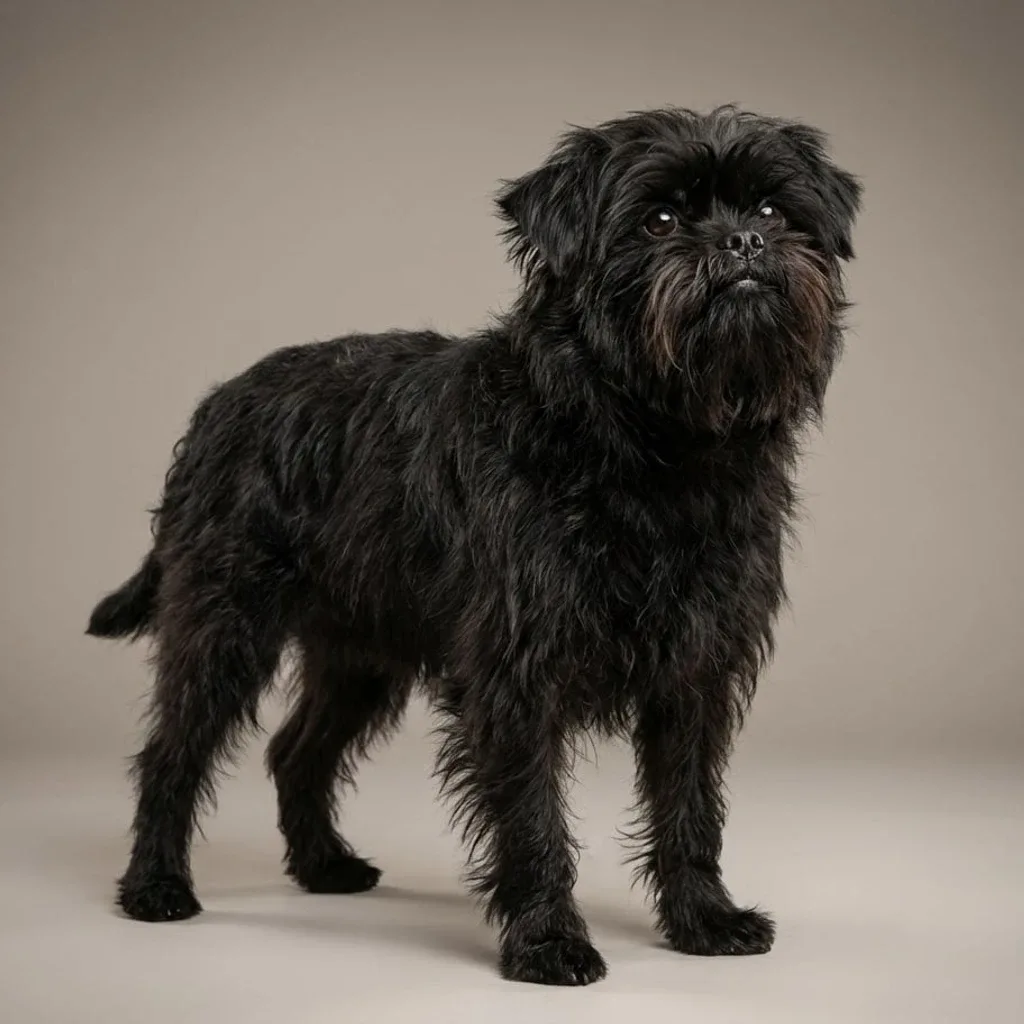
Affenpinscher
The Affenpinscher is a sturdy, monkey-like terrier-type toy breed known for its confidence and playful spirit. Despite its small size, it possesses a courageous heart and a loyal personality, making it a wonderful companion for Kiwi apartment dwellers or those with smaller sections.
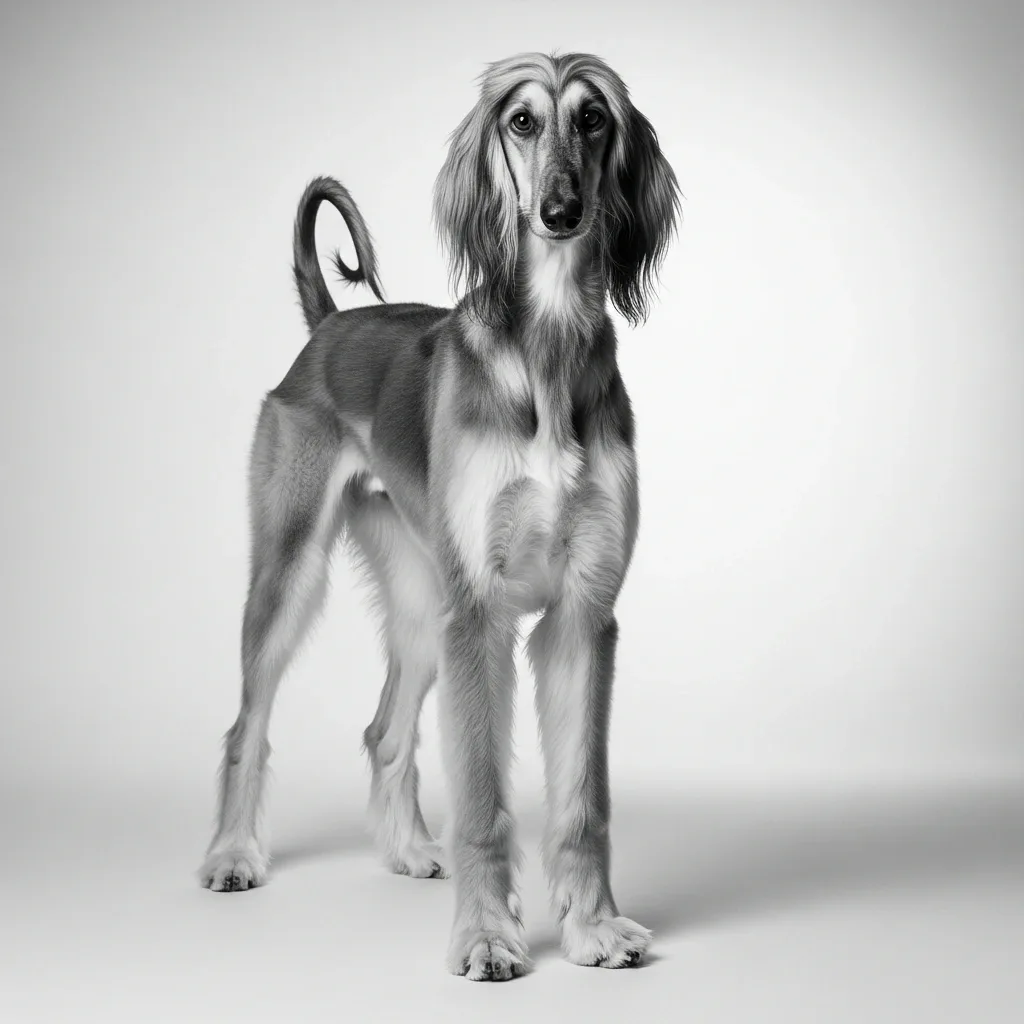
Afghan Hound
The Afghan Hound is an elegant aristocrat with a dignified and aloof personality. Known for its striking, silky coat, this breed is a high-maintenance beauty that requires ample space to run and an owner dedicated to its complex grooming needs.
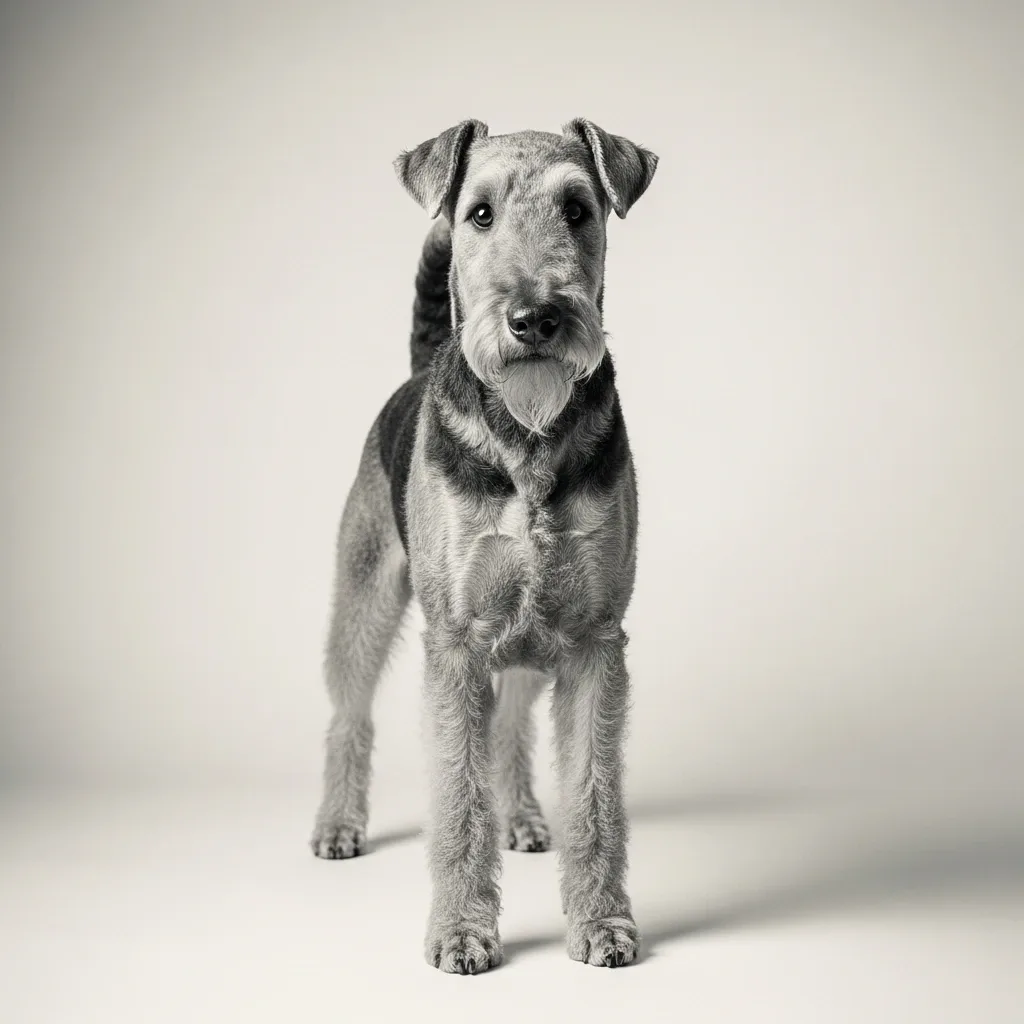
Airedale Terrier
The 'King of Terriers', the Airedale is the largest of all terrier breeds. They are brave, hardworking, and highly intelligent, making them excellent partners for active Kiwi families who love tramping and outdoor adventures.
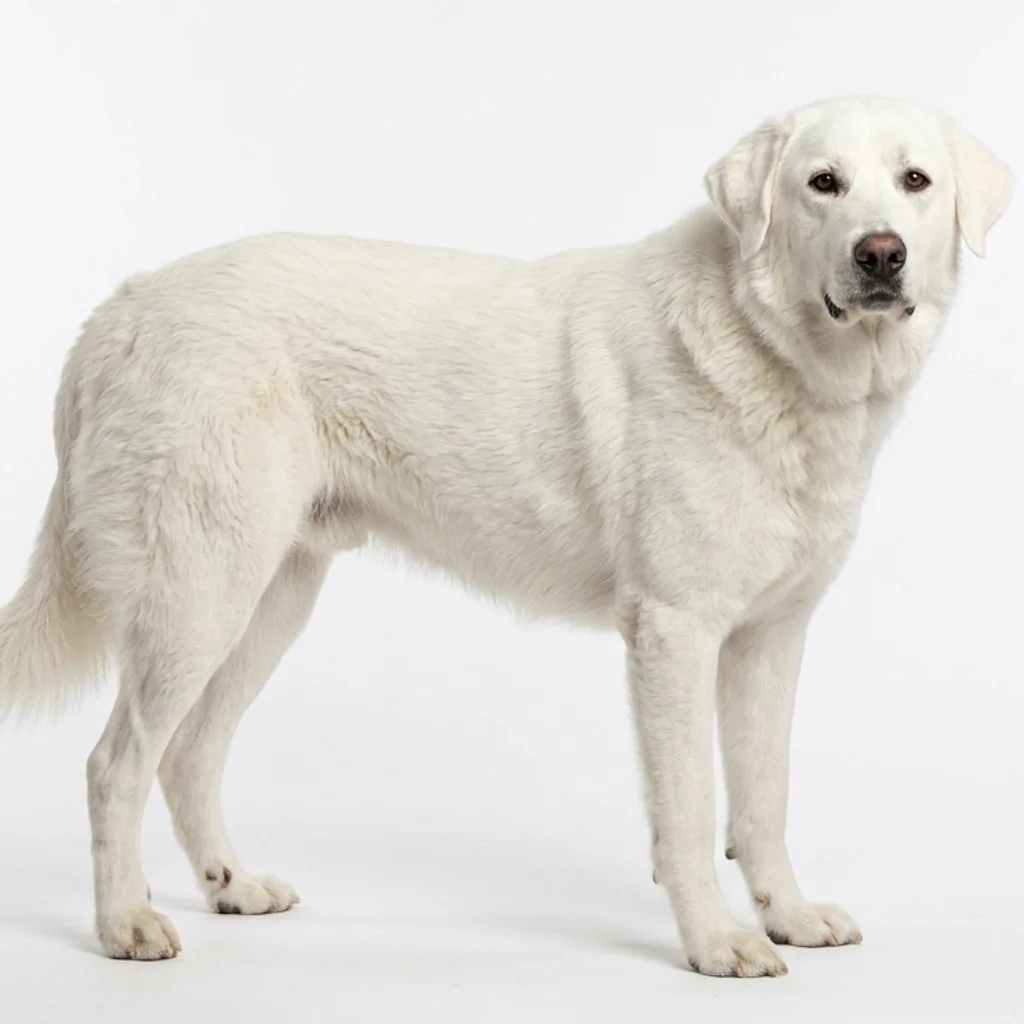
Akbash Dog
Originally a Turkish livestock guardian, the Akbash is a serious, protective, and independent breed. They are not suited for apartment living and thrive on large NZ lifestyle blocks where they can have a 'territory' to watch over.