Dog Breed Guide NZ
Chinook
The Chinook is a truly unique and rare American sled dog, celebrated for its calm, patient, and incredibly friendly nature. These intelligent working dogs possess a gentle disposition, making them exceptional companions for active families who relish outdoor adventures. Originating from New Hampshire, they combine strength with a keen desire to please. In New Zealand, their adaptability and love for the outdoors make them well-suited for a lifestyle that includes exploring our beautiful beaches, reserves, and tramping tracks, fitting perfectly into a family-oriented Kiwi home with space to roam and a commitment to regular activity.
Photo Gallery
Breed Snapshot
- Size
- Male: 25-41 kg; Female: 23-32 kg
- Lifespan
- 12-15 years
- Origin
- Being enriched
- Temperament
- Intelligent, calm, devoted, friendly, eager to please
- NZ Price
- $3,000 - $6,000 NZD from registered breeders (due to rarity); $150-$350 NZD adoption via SPCA (if available, which is rare for this breed)
- Annual Vet Cost
- Estimated annual vet costs for a Chinook in NZ range from $800 - $1,500 NZD. This includes routine vaccinations, regular flea and worm treatments, and general check-ups. Breed-specific health issues to factor in include potential screening for hip and elbow dysplasia, which can add to costs if diagnostics or treatment are required. Eye conditions like cataracts or progressive retinal atrophy (PRA), and occasional allergies or epilepsy, may also incur additional veterinary expenses for diagnosis and ongoing management.
Personality Scores
NZ Lifestyle Fit
Chinooks are generally adaptable but thrive best in specific New Zealand living situations. An apartment in Auckland, while possible with a highly dedicated owner committed to extensive daily exercise, is not ideal due to their size and activity needs. Auckland's humid summers could also be challenging for their double coat, requiring careful management to prevent overheating. A house with a decent-sized, securely fenced section is a much better fit, providing space for play and relaxation. They still require daily walks and mental stimulation beyond the section. Rural NZ farms offer an excellent environment, providing ample space and opportunities for these working dogs to thrive, potentially engaging in activities that utilise their natural instincts. Regarding climate, their double coat makes them well-suited for the South Island's cold winters. However, owners must be mindful of New Zealand's high UV levels, especially for lighter-coated areas or noses, ensuring adequate shade and sun protection. There are no specific MPI restrictions on owning Chinook dogs in New Zealand, making them a permissible breed for import and ownership, provided all standard pet import regulations are met.
Origins & History
The Chinook's story begins in the early 20th century in New Hampshire, USA, with explorer and dog breeder Arthur Treadwell Walden. Driven by a desire to create the ultimate sled dog – one that combined strength, speed, and a gentle temperament – Walden embarked on a meticulous breeding programme. The foundation of the breed was a single male, named 'Chinook,' born in 1917, who was reportedly a cross between a Mastiff, a Greenland Husky, and a German Shepherd. Other breeds, including Belgian Shepherds, were later introduced to refine the line. Chinook dogs were integral to Walden's expeditions, including Admiral Byrd's Antarctic expedition in 1928-1930, where their endurance and working ability shone. Despite their impressive capabilities, the breed remained rare, almost facing extinction at several points. Thanks to dedicated breeders, the Chinook has been carefully preserved and is now recognised as the official state dog of New Hampshire, a testament to its unique heritage and enduring spirit.
Appearance
The Chinook is a powerfully built, athletic dog, designed for endurance and work. Males typically stand between 58-66 cm at the shoulder and weigh 25-41 kg, while females are slightly smaller, ranging from 53-61 cm and 23-32 kg. Their most striking feature is their dense double coat, which is medium in length and comes in various shades of tawny, gold, red, and sable, often with darker markings on the muzzle and ears, and lighter feathering on the tail and breeches. This protective coat allows them to thrive in colder climates. They possess an intelligent, alert expression, often with dark, almond-shaped eyes. Their ears are generally erect, and their tail is carried in a graceful curve, contributing to their noble and sturdy appearance.
Temperament & Personality
Chinooks are renowned for their exceptional temperament. They are intelligent, calm, and incredibly devoted to their families, displaying an eager-to-please attitude that makes them highly trainable. Their gentle and patient nature makes them excellent companions for children, often forming strong bonds and tolerating the antics of younger family members with good humour. They are generally friendly towards strangers and other animals, especially when properly socialised from a young age. While they possess a strong working drive and enjoy having a 'job' to do, they are not hyperactive indoors, content to relax with their family after sufficient exercise. They thrive on companionship and do not do well when left alone for extended periods, preferring to be an integral part of family life.
Life in New Zealand
Chinooks are well-suited to the diverse landscapes and active lifestyles found in New Zealand. Their robust double coat makes them comfortable in cooler South Island winters, while their need for regular exercise can be met by exploring our numerous dog-friendly beaches, regional parks, and tramping tracks (where dogs are permitted). They are intelligent and enjoy mental stimulation, making them great candidates for dog sports like agility or obedience offered by local clubs. Owners in warmer areas like Auckland will need to ensure adequate shade and fresh water during humid summers, as their dense coat can make them susceptible to overheating. With a secure section and a family committed to their daily exercise and mental enrichment, a Chinook can thrive in a Kiwi home, becoming a cherished member of the whānau.
Is This the Right Breed for You?
The Chinook is an ideal companion for active individuals or families who are prepared to integrate their dog fully into their lives. They require consistent training, early socialisation, and a significant commitment to daily exercise and mental stimulation. If you enjoy outdoor activities such as jogging, hiking, or long walks, a Chinook will be an enthusiastic partner. They are not suited to being left alone for long hours or to a sedentary lifestyle. While adaptable, they generally do best in homes with a decent-sized, securely fenced section rather than small flats, though a highly active owner in an apartment could make it work with diligent exercise. Their gentle nature makes them wonderful family dogs, particularly good with children and other pets when properly introduced. If you're looking for a devoted, intelligent, and active companion to share your Kiwi adventures, the Chinook might just be the perfect match.
Fun Facts
Fact 1
The Chinook is the official state dog of New Hampshire, USA.
Fact 2
The breed was developed by Arthur Treadwell Walden, an Arctic explorer and sled dog breeder.
Fact 3
The name 'Chinook' means 'warm wind' in some Indigenous languages, a fitting name for a breed developed in snowy New Hampshire.
Fact 4
Chinooks are one of the rarest dog breeds in the world, with only a few hundred existing globally.
Fact 5
They are known for their 'sled dog smile,' a happy, open-mouthed expression often seen when they are enjoying themselves.
Related Breeds
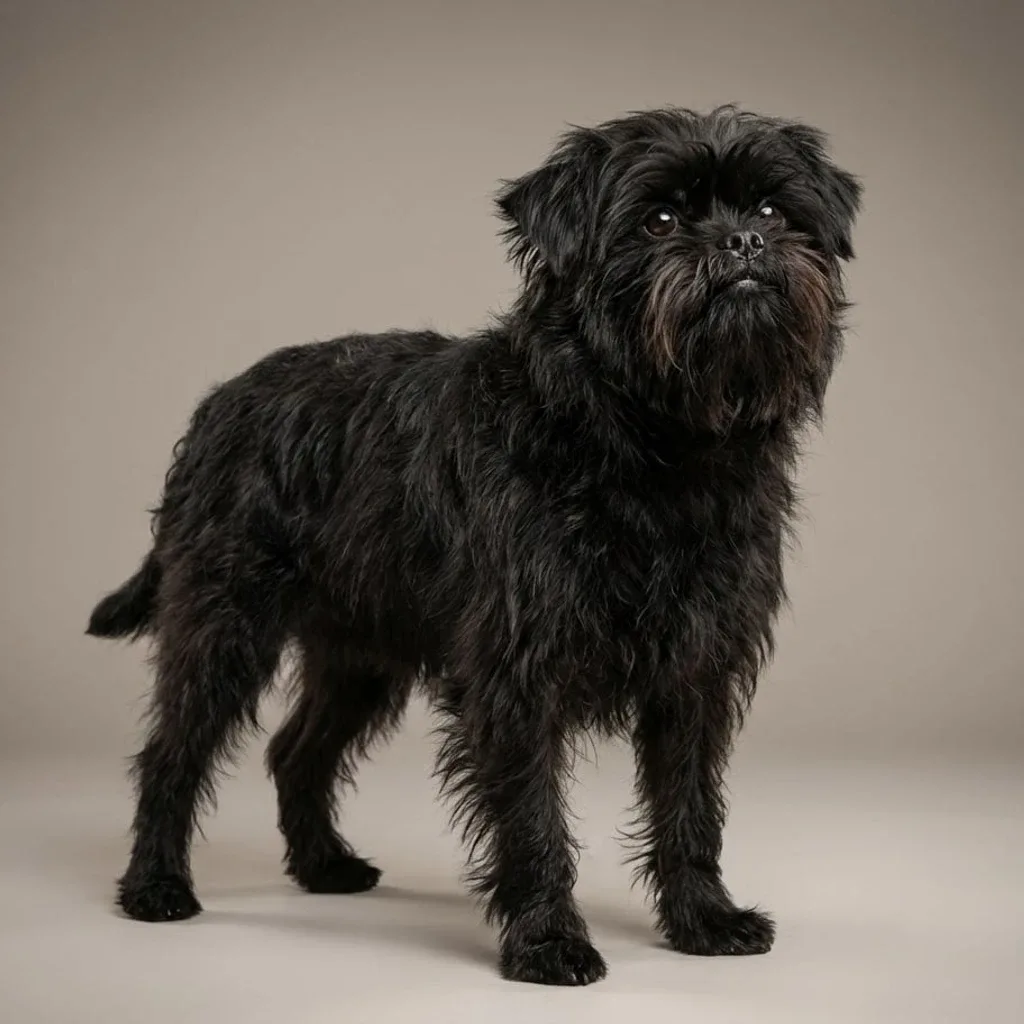
Affenpinscher
The Affenpinscher is a sturdy, monkey-like terrier-type toy breed known for its confidence and playful spirit. Despite its small size, it possesses a courageous heart and a loyal personality, making it a wonderful companion for Kiwi apartment dwellers or those with smaller sections.
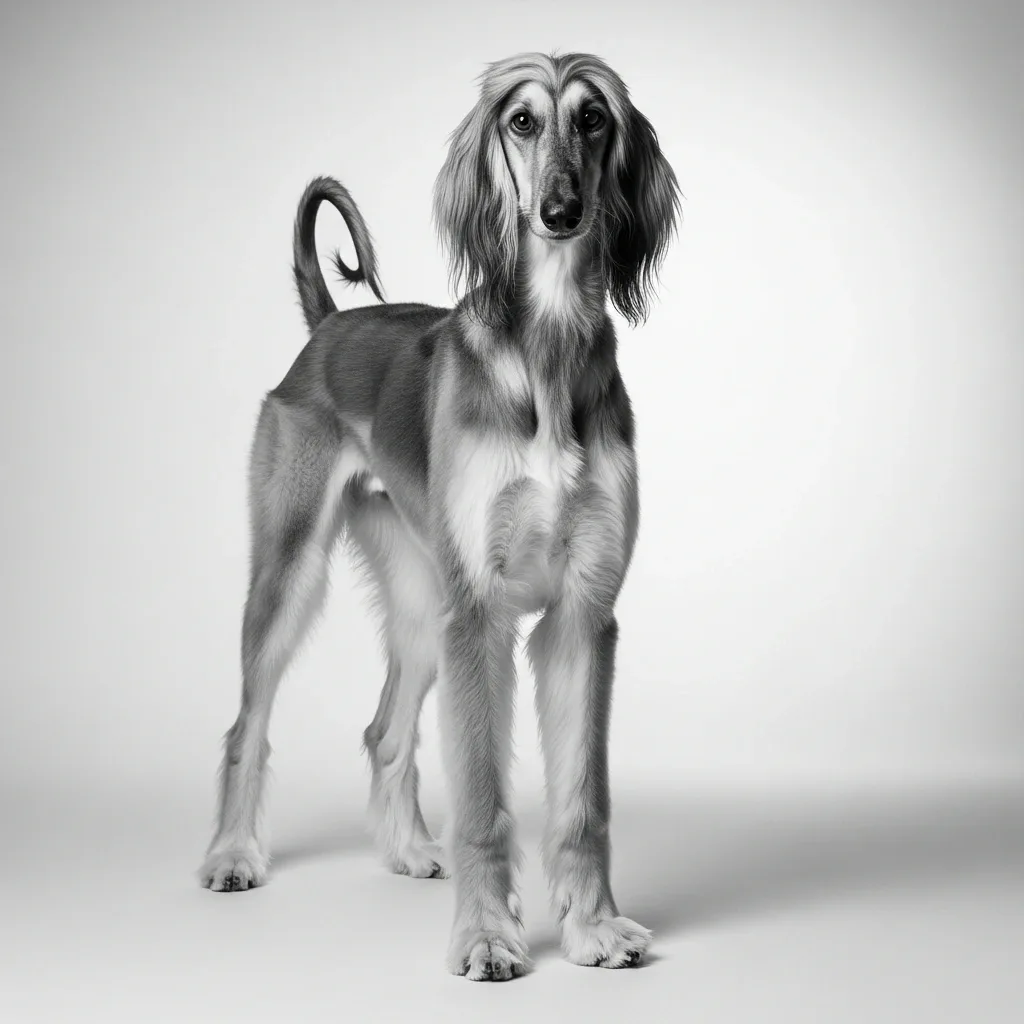
Afghan Hound
The Afghan Hound is an elegant aristocrat with a dignified and aloof personality. Known for its striking, silky coat, this breed is a high-maintenance beauty that requires ample space to run and an owner dedicated to its complex grooming needs.
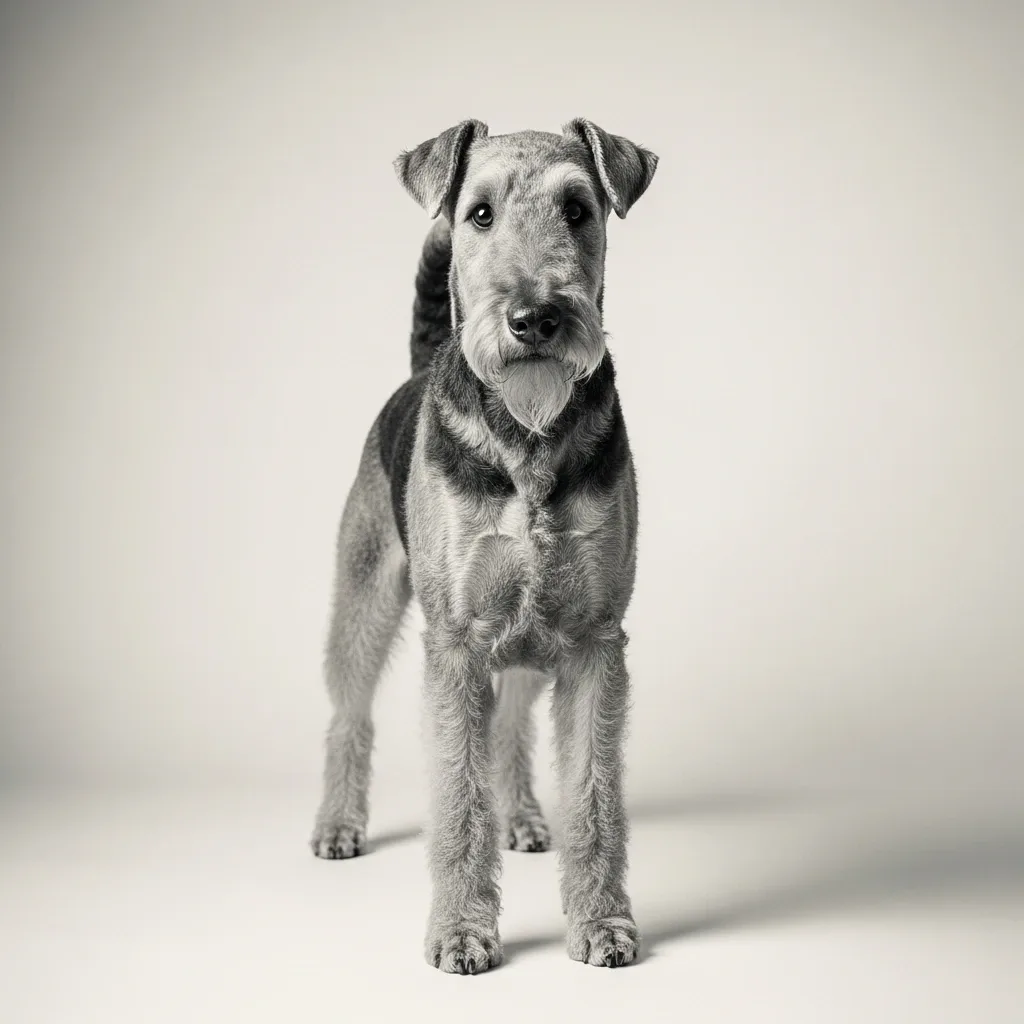
Airedale Terrier
The 'King of Terriers', the Airedale is the largest of all terrier breeds. They are brave, hardworking, and highly intelligent, making them excellent partners for active Kiwi families who love tramping and outdoor adventures.
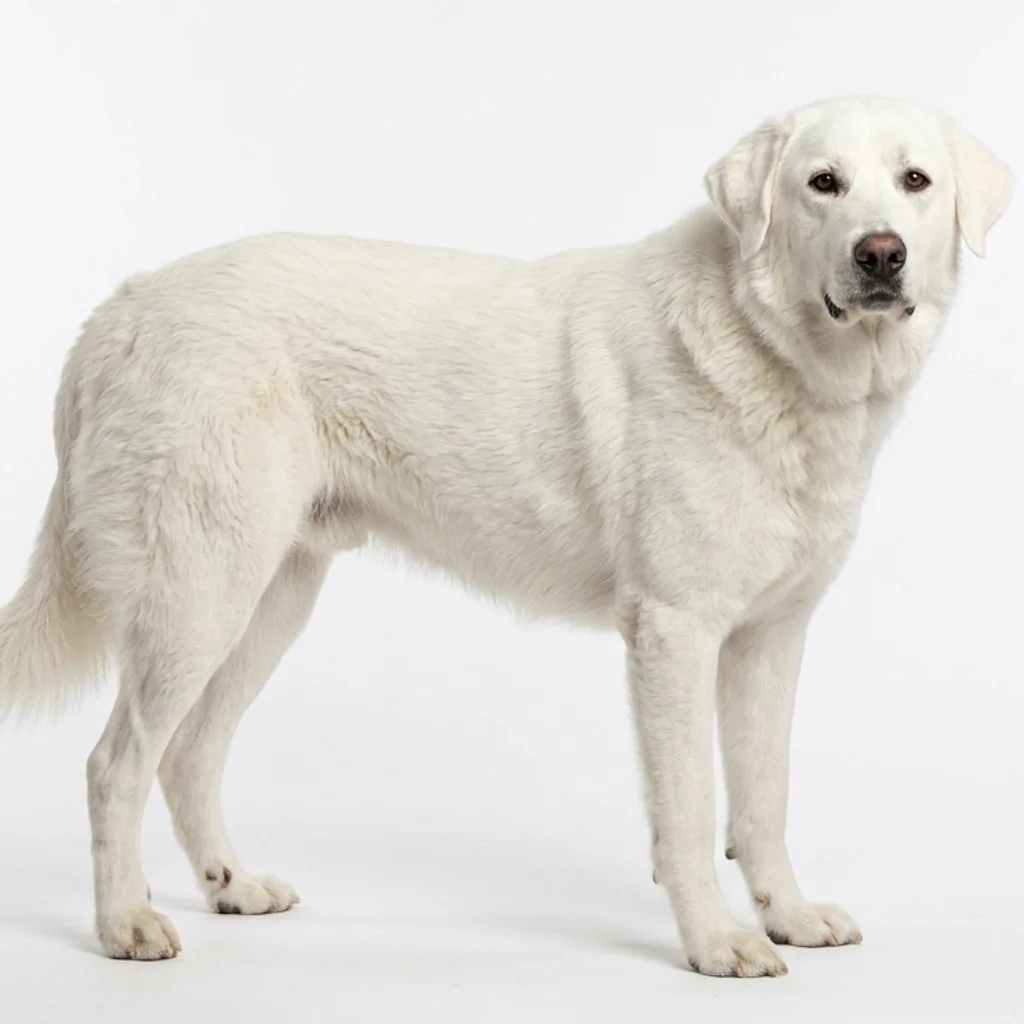
Akbash Dog
Originally a Turkish livestock guardian, the Akbash is a serious, protective, and independent breed. They are not suited for apartment living and thrive on large NZ lifestyle blocks where they can have a 'territory' to watch over.