Dog Breed Guide NZ
Chihuahua
The Chihuahua is a tiny dog with a massive personality, making them one of New Zealand's most captivating companion breeds. Graceful, alert, and surprisingly swift-moving, they are fiercely loyal to their chosen humans, often forming an incredibly strong bond. Despite their diminutive stature, Chihuahuas possess a bold and confident demeanour that belies their size. They are perfectly suited for apartment living, thriving in the compact spaces often found in Auckland's CBD or other urban areas. These 'purse dogs' require surprisingly little strenuous exercise but demand a lot of companionship, making them ideal for Kiwis seeking a devoted, portable friend.
Photo Gallery
Breed Snapshot
- Size
- 1.5-3 kg
- Lifespan
- 12-18 years
- Origin
- Being enriched
- Temperament
- The Chihuahua is alert, confident and self-important in the classic terrier-like way described by the breed standard. It is usually loyal and charming with its chosen people, but still needs training and careful handling rather than being treated like an ornament.
- NZ Price
- $1,500 - $3,500 NZD from registered breeders; $150-$350 NZD adoption via SPCA
- Annual Vet Cost
- Estimated annual vet costs for a Chihuahua in NZ range from $400 - $800 NZD for routine care (vaccinations, flea/worm treatments, annual check-ups). This figure can increase significantly, potentially $1,000 - $3,000+ NZD, if breed-specific health issues arise. Common concerns include patellar luxation, dental disease requiring extractions, heart conditions (e.g., patent ductus arteriosus, mitral valve disease), hydrocephalus, and collapsing trachea. Regular dental care is crucial to minimise costs.
Personality Scores
NZ Lifestyle Fit
Chihuahuas are exceptionally well-suited for apartment or flat living, making them perfect companions for residents in Auckland's CBD or other urban centres across New Zealand. Their minimal exercise requirements and small size mean they thrive indoors. For homes with a section, they enjoy supervised outdoor time, but their tiny stature makes them vulnerable to larger birds or other animals, so a secure, predator-proof area is essential. Rural NZ farm life is generally not recommended due to these same vulnerabilities and the potential for farm machinery hazards. Auckland's humid summers can be challenging; Chihuahuas are prone to overheating, so air conditioning, shade, and fresh water are crucial. Conversely, South Island's cold winters necessitate warm coats and indoor heating to prevent hypothermia. New Zealand's high UV levels also mean protection from direct sun is vital. There are no specific MPI (Ministry for Primary Industries) restrictions on owning Chihuahuas in New Zealand.
Origins & History
The Chihuahua's history is steeped in mystery and ancient lore, with its roots firmly planted in Mexico. While their exact lineage is debated, most theories trace them back to the Techichi, a small companion dog favoured by the Toltec civilisation in pre-Columbian Mexico. Evidence suggests these dogs were revered, sometimes even sacrificed, and often buried with their owners. When the Aztecs conquered the Toltecs, they adopted the Techichi, further integrating them into their culture. The modern Chihuahua as we know it today began to emerge in the mid-19th century when American tourists discovered tiny dogs in the Mexican state of Chihuahua, from which the breed takes its name. These small dogs were then brought across the border, gaining popularity in the United States and eventually spreading worldwide, captivating dog lovers with their unique charm and minuscule size.
Appearance
Renowned as the smallest dog breed in the world, the Chihuahua typically weighs between 1.5 to 3 kilograms and stands around 15-23 centimetres tall. They come in two distinct head shapes: the 'apple head,' which is a rounded skull with a short, pointed muzzle, and the less common 'deer head,' featuring a flatter top skull and a longer muzzle. Chihuahuas also boast two coat varieties: the smooth coat, which is short, soft, and close-lying, and the long coat, which is soft and slightly wavy or flat, with feathering on the ears, legs, and tail. Their ears are large and erect, giving them an alert expression. The breed comes in an astonishing array of colours and patterns, including solid black, white, fawn, chocolate, cream, gold, and various combinations like tricolour or merle, making each Chihuahua a unique visual delight.
Temperament & Personality
Beneath their tiny exterior, Chihuahuas possess a colossal personality. They are incredibly intelligent, bold, and confident, often acting as if they are much larger than they are. This breed forms an intensely loyal bond with their primary owner, often becoming a 'velcro dog' that thrives on constant companionship and attention. While they can be wary of strangers and protective of their family, early socialisation is crucial to ensure they are well-adjusted and friendly. Chihuahuas can be prone to being 'yappy' if not properly trained, using their voice to alert their owners to anything they deem suspicious. They are surprisingly playful and energetic, enjoying short bursts of activity followed by long cuddle sessions. With proper introduction, they can coexist peacefully with other pets and older, respectful children, though their delicate size makes them vulnerable to boisterous play.
Life in New Zealand
Chihuahuas are wonderfully adaptable to various lifestyles across New Zealand, particularly excelling in urban environments. Their small size makes them ideal for flats or apartments in cities like Auckland, Wellington, or Christchurch, where a large section isn't always available. They don't require extensive outdoor space, making short walks around local footpaths or a quick play in a secure backyard sufficient for their exercise needs. However, their small stature means they are sensitive to extreme weather; they'll need protection from Auckland's humid summers to prevent overheating and warm jumpers or coats during the South Island's cold winters. Kiwis who travel frequently will appreciate their portability, as they can often accompany their owners more easily than larger breeds. Their need for companionship aligns well with owners who work from home or can take their dog to work, ensuring they receive the attention they crave.
Is This the Right Breed for You?
Choosing a Chihuahua means committing to a devoted, albeit sometimes demanding, companion. They are perfect for individuals or families seeking a small, portable dog with a big personality and an unwavering loyalty. If you live in a flat or a home with limited outdoor space, a Chihuahua could be an excellent fit. However, potential owners must be prepared for their need for constant companionship; Chihuahuas do not thrive when left alone for long periods. They require consistent training and early socialisation to ensure they grow into well-behaved adults, mitigating potential issues like excessive barking or fear-based aggression. Their delicate size means they are not suitable for homes with very young, boisterous children or large, untrained dogs who might accidentally injure them. If you're ready to provide a loving, attentive home and appreciate a dog with a vibrant spirit, a Chihuahua could be your perfect Kiwi companion.
Fun Facts
Fact 1
Chihuahuas are the smallest dog breed in the world, typically weighing less than 3 kilograms.
Fact 2
They are believed to be one of the oldest dog breeds in the Americas, with roots tracing back to ancient Mexican civilisations like the Toltecs.
Fact 3
Chihuahuas come in two distinct head shapes: 'apple head' (rounded) and 'deer head' (flatter, longer muzzle).
Fact 4
Despite their small size, Chihuahuas have one of the longest lifespans among dog breeds, often living 15-20 years.
Fact 5
They are often called 'purse dogs' due to their portability, easily accompanying owners in carriers or bags.
Related Breeds
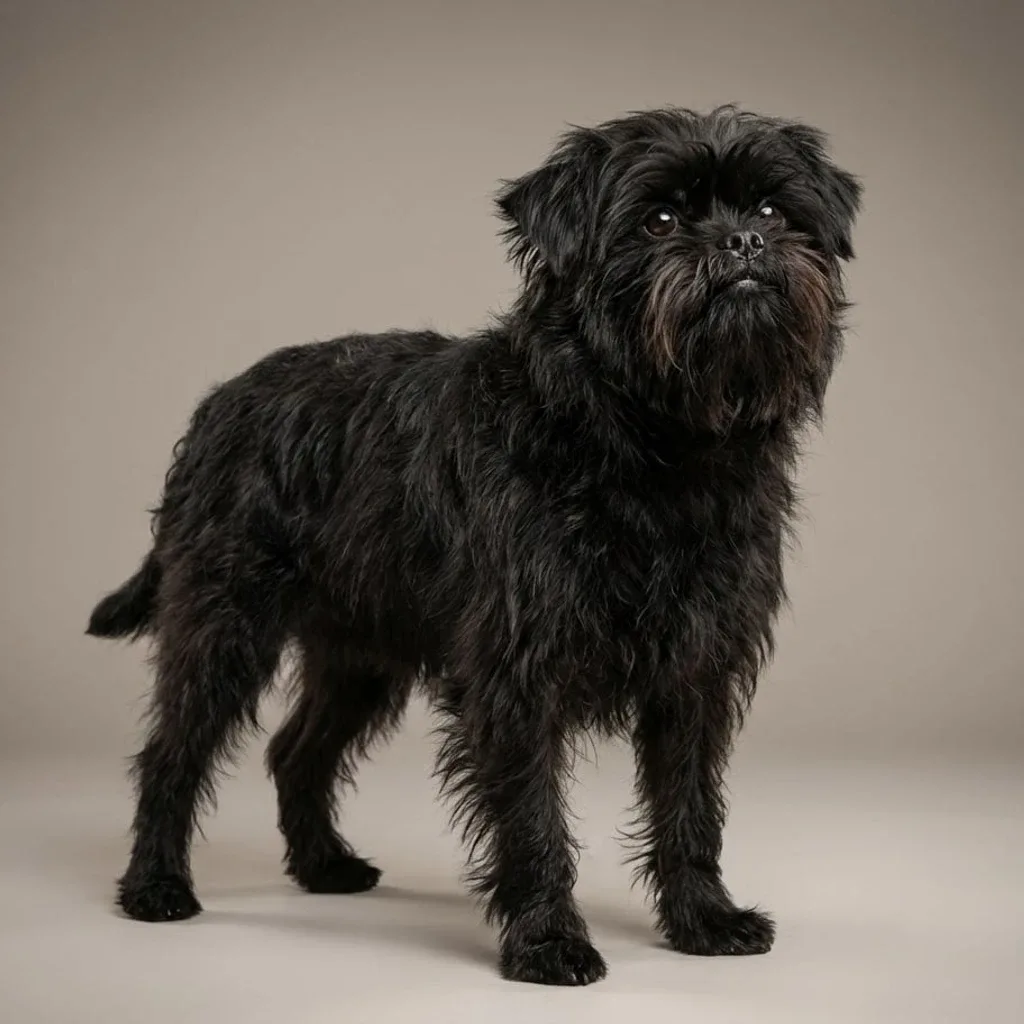
Affenpinscher
The Affenpinscher is a sturdy, monkey-like terrier-type toy breed known for its confidence and playful spirit. Despite its small size, it possesses a courageous heart and a loyal personality, making it a wonderful companion for Kiwi apartment dwellers or those with smaller sections.
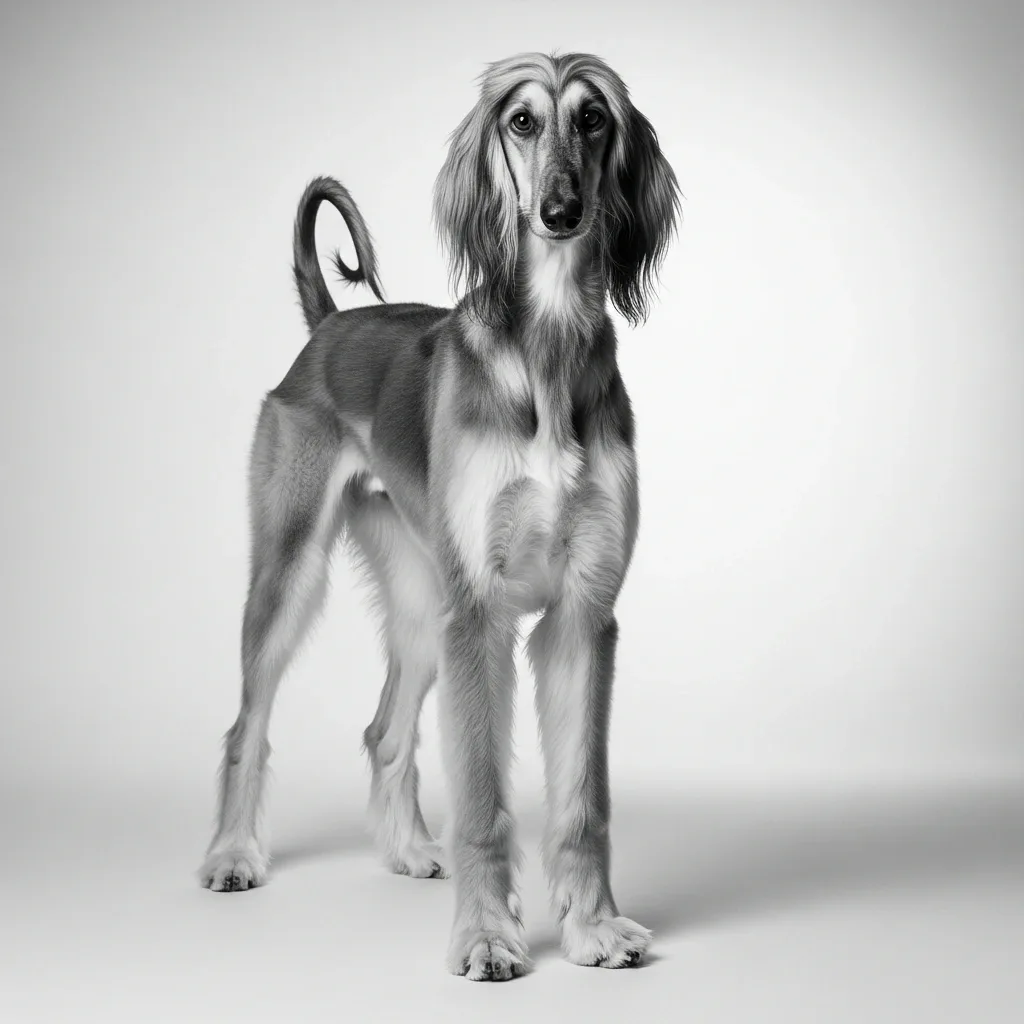
Afghan Hound
The Afghan Hound is an elegant aristocrat with a dignified and aloof personality. Known for its striking, silky coat, this breed is a high-maintenance beauty that requires ample space to run and an owner dedicated to its complex grooming needs.
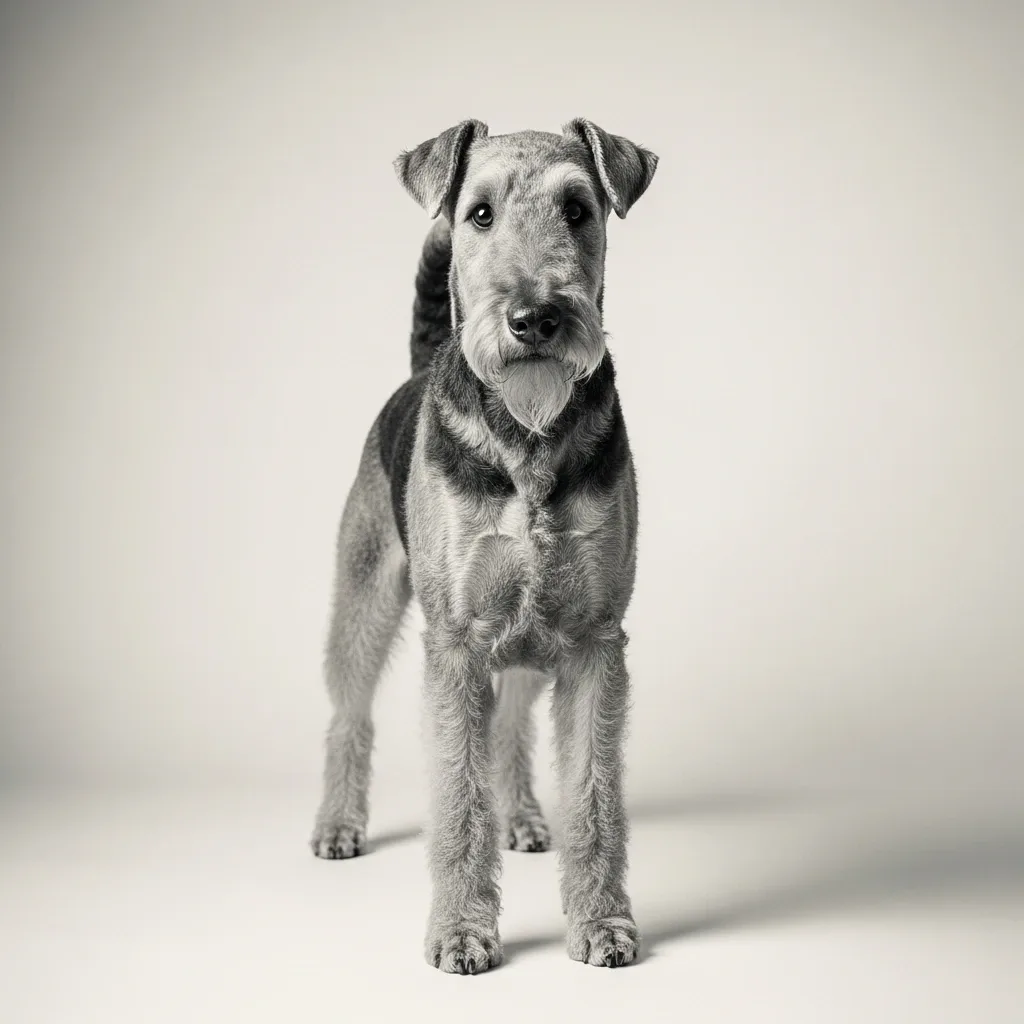
Airedale Terrier
The 'King of Terriers', the Airedale is the largest of all terrier breeds. They are brave, hardworking, and highly intelligent, making them excellent partners for active Kiwi families who love tramping and outdoor adventures.
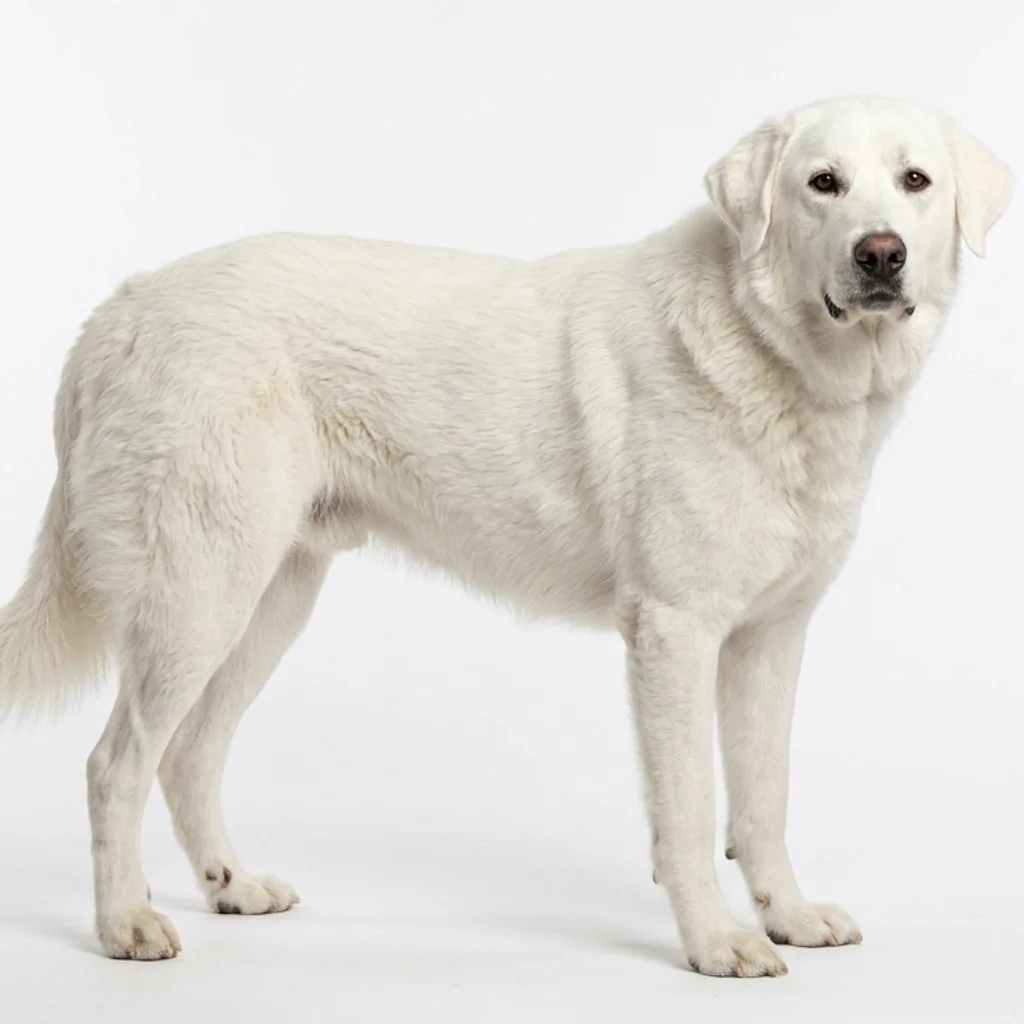
Akbash Dog
Originally a Turkish livestock guardian, the Akbash is a serious, protective, and independent breed. They are not suited for apartment living and thrive on large NZ lifestyle blocks where they can have a 'territory' to watch over.