Dog Breed Guide NZ
Caucasian Shepherd (Ovcharka)
The Caucasian Shepherd (Ovcharka) is a truly magnificent and formidable guardian breed, renowned for its immense size, unwavering loyalty, and serious demeanour. Originating from the rugged Caucasus mountains, these dogs were bred to protect livestock and property from predators and intruders. They possess an independent spirit, coupled with a deep devotion to their family, making them exceptional protectors. In New Zealand, the Ovcharka finds its ideal home on rural lifestyle blocks or farms, where their natural guarding instincts can be fulfilled, and they have ample space to patrol and thrive. They are not a breed for the faint of heart, requiring an experienced owner committed to their unique needs.
Photo Gallery
Breed Snapshot
- Size
- 45-90 kg
- Lifespan
- 10-12 years
- Origin
- Being enriched
- Temperament
- The Caucasian Shepherd is a serious guardian breed: bold, fearless and self-confident when it perceives a threat. With its own family it is usually devoted and kind, but it needs experienced handling because its protective instincts are strong.
- NZ Price
- $2,500 - $5,000 NZD from registered breeders; $150-$350 NZD adoption via SPCA (rarely available)
- Annual Vet Cost
- Estimated annual vet costs for a Caucasian Shepherd in NZ can range from $800 - $1,500 NZD, not including emergency care. This covers routine check-ups, vaccinations, parasite control (flea, worm, tick prevention), and potential breed-specific health screenings. Given their predisposition to conditions like hip and elbow dysplasia, bloat (gastric dilatation-volvulus), and certain heart conditions, costs could increase significantly if these issues arise. Regular preventative care and early detection are key to managing these expenses.
Personality Scores
NZ Lifestyle Fit
The Caucasian Shepherd is a breed with very specific living requirements, making their suitability highly dependent on the New Zealand environment. An apartment in Auckland is unequivocally unsuitable; this breed needs vast space to roam and patrol. Even a house with a modest section in a suburban area would be challenging, as their protective instincts and sheer size can lead to issues with neighbours and passers-by. They require a large, securely fenced property, ideally a rural lifestyle block or farm, where they can fulfil their natural guarding role. Auckland's humid summers necessitate ample shade and water to prevent overheating of their thick coat, while the South Island's cold winters are generally well-tolerated thanks to their dense insulation. High UV levels across NZ mean outdoor dogs need constant access to shade. There are no specific restrictions from MPI on owning Caucasian Shepherds in New Zealand, but responsible ownership, including secure containment and proper socialisation, is crucial to prevent any issues.
Origins & History
The Caucasian Shepherd Dog, or Ovcharka, boasts a rich and ancient lineage, tracing its roots back thousands of years to the rugged and diverse regions of the Caucasus Mountains, spanning countries like Georgia, Armenia, Azerbaijan, and parts of Russia. Bred for centuries by shepherds to protect flocks of sheep and goats from formidable predators such as wolves and bears, and to guard their homesteads against human intruders, these dogs developed an unparalleled sense of loyalty, independence, and protective instinct. Their history is one of resilience and unwavering dedication, forged in harsh environments where only the strongest and most vigilant could survive. While their exact origins are debated, they are believed to be among the oldest Molosser breeds, with their powerful build and guarding temperament honed over generations to be the ultimate canine protector.
Appearance
The Caucasian Shepherd is a truly impressive sight, characterised by its massive size, powerful musculature, and dense coat. Males typically stand between 72-75 cm at the shoulder and can weigh anywhere from 50-70 kg, with some individuals exceeding these figures. Females are slightly smaller but still substantial. They possess a robust bone structure, a broad head, and a strong, scissor-like bite. Their most distinguishing feature is their thick, double coat, which comes in various lengths (short, medium, and long) and a wide array of colours, including grey, brindle, fawn, white, and piebald. This dense coat provides exceptional insulation against extreme weather conditions, making them well-suited for both the cold winters and warm summers found across New Zealand. Their deep-set, dark eyes convey a serious and intelligent expression, reflecting their watchful nature.
Temperament & Personality
The Ovcharka's temperament is defined by its deep loyalty, unwavering protectiveness, and independent spirit. They are serious dogs, not typically prone to excessive displays of affection with strangers, but incredibly devoted to their immediate family. Their primary instinct is to guard, making them naturally suspicious and wary of unfamiliar people and animals. Early and extensive socialisation is absolutely crucial for this breed to ensure they distinguish between genuine threats and everyday occurrences. They are intelligent but can be strong-willed, requiring a confident, consistent, and experienced owner who can establish clear boundaries. With their family, they can be surprisingly gentle and calm, especially with children they have been raised with, acting as a watchful guardian. However, their sheer size and protective nature demand constant supervision, particularly around visitors or unfamiliar situations.
Life in New Zealand
For a Caucasian Shepherd, life in New Zealand is best suited to a specific environment. These dogs thrive on large, securely fenced rural lifestyle blocks or farms where they have ample space to patrol and fulfil their inherent guarding duties. Their thick coats are well-adapted to New Zealand's varied climate, from the cold, wet winters of the South Island to the humid summers of the North. However, owners must provide adequate shade and fresh water during warmer months to prevent overheating. Their natural inclination to guard makes them excellent protectors of property and livestock, but this also means they are generally unsuitable for urban or suburban living, where their protective instincts could lead to issues with neighbours or passers-by. Responsible ownership, including secure containment and proper training, is paramount to ensure they are a positive addition to the Kiwi landscape.
Is This the Right Breed for You?
Owning a Caucasian Shepherd is a significant commitment and not a decision to be taken lightly. This breed is best suited for experienced dog owners who understand and appreciate the unique challenges and rewards of a large, protective guardian breed. You must have a large, securely fenced property, preferably a rural lifestyle block or farm, where the dog can have purpose and space. Early and ongoing socialisation, coupled with consistent, positive reinforcement training, is essential. Owners must be prepared for their independent nature and the need for firm, fair leadership. If you are looking for a highly social, outgoing dog to take to busy dog parks or live in a small section, the Ovcharka is not the right choice. However, if you seek a fiercely loyal, dedicated guardian for your home and family, and are prepared to invest the time, effort, and commitment required, the Caucasian Shepherd can be an incredibly rewarding companion in the right New Zealand setting.
Fun Facts
Fact 1
The Caucasian Shepherd is one of the oldest Molosser breeds, with a history spanning thousands of years in the Caucasus Mountains.
Fact 2
They are often referred to as 'Ovcharka,' which means 'sheepdog' in Russian, reflecting their original purpose.
Fact 3
Despite their formidable appearance, they can be surprisingly gentle and affectionate with their immediate family members.
Fact 4
Their thick double coat provides exceptional insulation, allowing them to thrive in extreme cold and adapt to warmer climates with proper care.
Fact 5
Caucasian Shepherds possess a natural 'alarm system,' making them highly effective guardians who are quick to alert their owners to potential threats.
Related Breeds
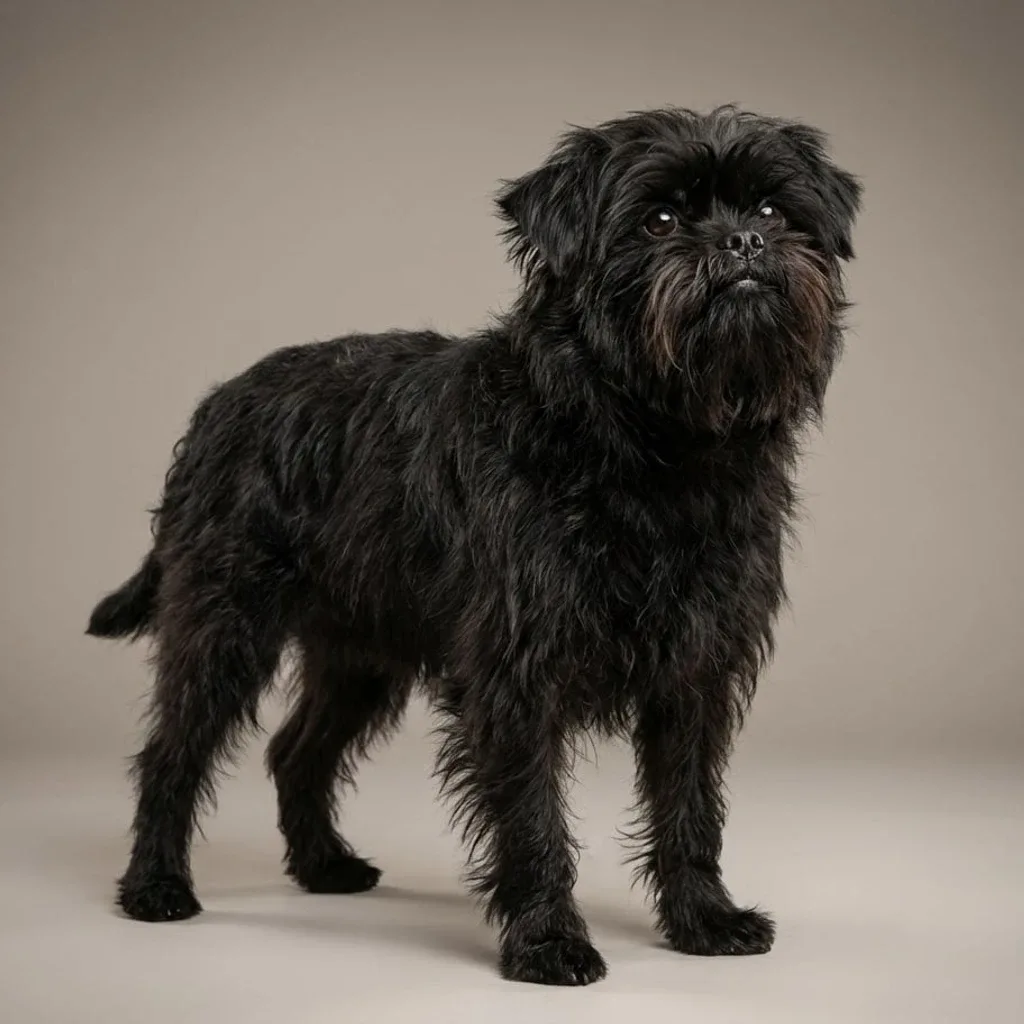
Affenpinscher
The Affenpinscher is a sturdy, monkey-like terrier-type toy breed known for its confidence and playful spirit. Despite its small size, it possesses a courageous heart and a loyal personality, making it a wonderful companion for Kiwi apartment dwellers or those with smaller sections.
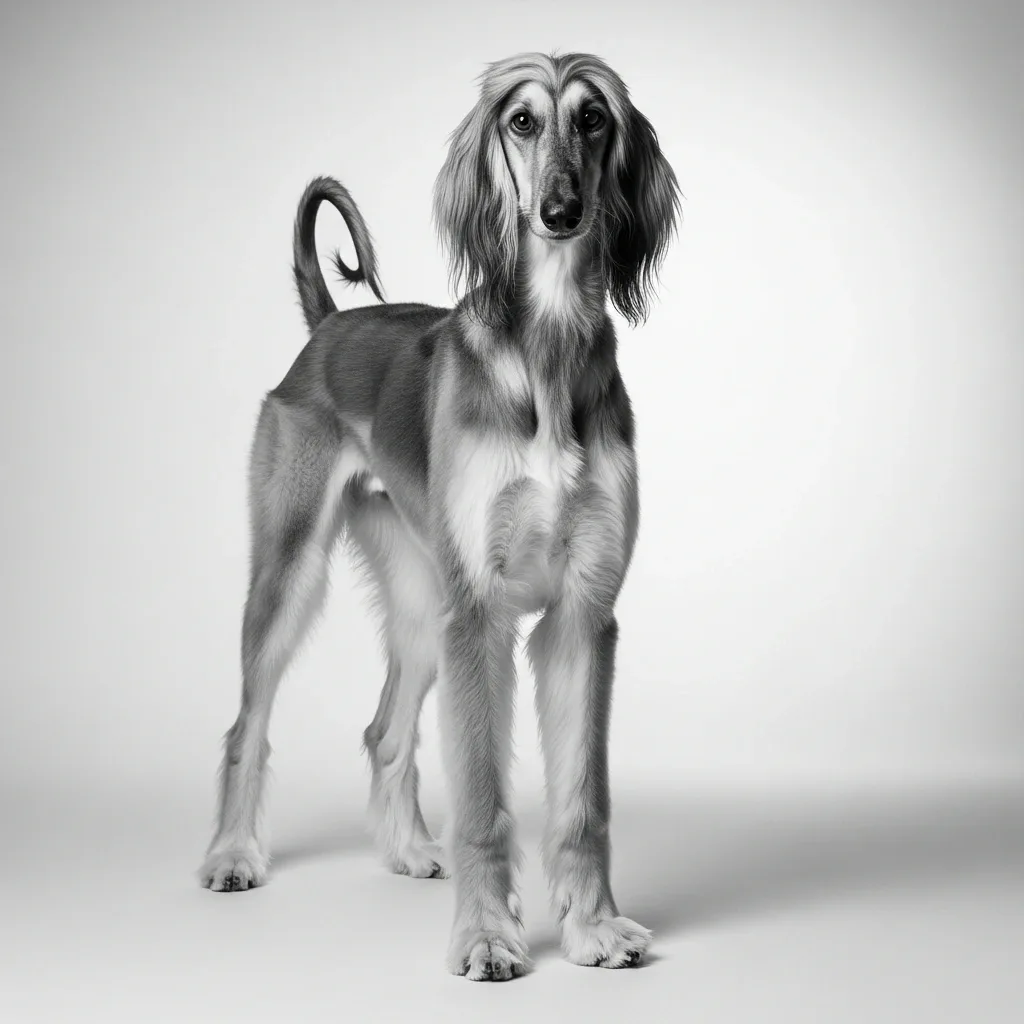
Afghan Hound
The Afghan Hound is an elegant aristocrat with a dignified and aloof personality. Known for its striking, silky coat, this breed is a high-maintenance beauty that requires ample space to run and an owner dedicated to its complex grooming needs.
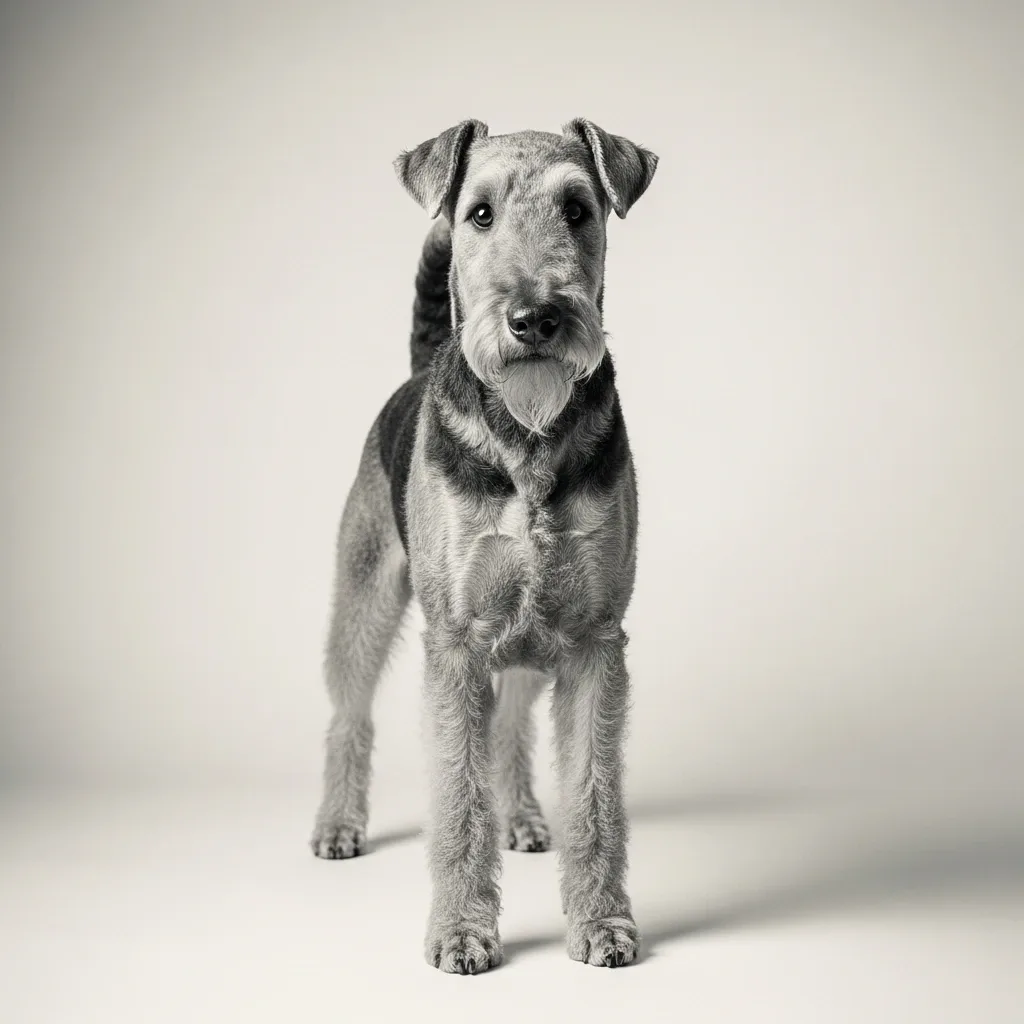
Airedale Terrier
The 'King of Terriers', the Airedale is the largest of all terrier breeds. They are brave, hardworking, and highly intelligent, making them excellent partners for active Kiwi families who love tramping and outdoor adventures.
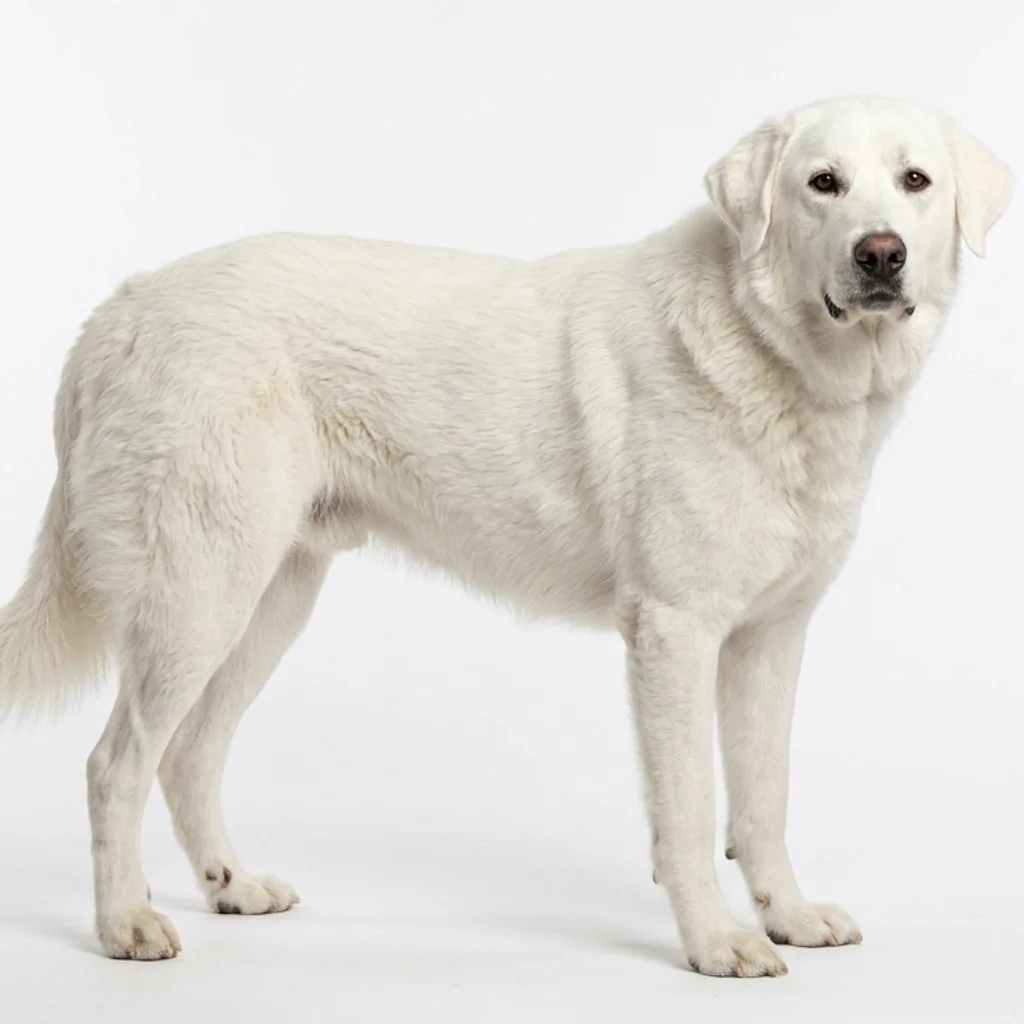
Akbash Dog
Originally a Turkish livestock guardian, the Akbash is a serious, protective, and independent breed. They are not suited for apartment living and thrive on large NZ lifestyle blocks where they can have a 'territory' to watch over.