Dog Breed Guide NZ
Cane Corso
The Cane Corso, a majestic and powerful Italian guardian breed, is renowned for its unwavering loyalty, intelligence, and protective instincts. With a serious demeanour and independent spirit, these dogs form deep bonds with their families, acting as vigilant protectors of their home and pack. Originally bred for guarding property and hunting large game, their imposing presence is matched by a surprisingly affectionate nature towards those they trust. In New Zealand, the Cane Corso thrives in environments where they have ample space and a sense of purpose, making them ideally suited for rural lifestyle blocks or large properties with secure boundaries, rather than bustling city flats.
Photo Gallery
Breed Snapshot
- Size
- Male: 45-50 kg; Female: 40-45 kg
- Lifespan
- 9-12 years
- Origin
- Being enriched
- Temperament
- Confident, protective, intelligent, loyal, affectionate
- NZ Price
- NZ Cane Corso breeders rarely advertise prices publicly — contact NZKC-registered breeders directly for current pricing and expect a waitlist for this rare breed. $150-$350 NZD adoption via SPCA or breed rescue (rarely available).
- Annual Vet Cost
- Estimated annual vet costs for a Cane Corso in NZ typically range from $800 - $1,500 NZD. This includes routine check-ups, vaccinations, flea/worm treatments, and pet insurance. However, due to breed-specific health issues like hip and elbow dysplasia, bloat (gastric torsion), entropion/ectropion (eyelid issues), and certain heart conditions, costs can significantly increase. Surgical interventions for these conditions can easily run into thousands of dollars. Regular screening for hip/elbow issues and preventative measures for bloat are crucial for managing long-term health and associated expenses.
Personality Scores
NZ Lifestyle Fit
The Cane Corso is unequivocally not suited for apartment living, especially in bustling cities like Auckland. Their large size, high energy, and strong guardian instincts demand significant space and a clear purpose. A small house with a modest section might be manageable only if the section is exceptionally secure, and the dog receives extensive daily exercise and mental stimulation, but it's far from ideal. The Cane Corso truly flourishes on a rural NZ farm or lifestyle block, where they have ample room to patrol, a job to do, and secure boundaries to prevent wandering. Regarding climate, their short coat handles South Island cold winters reasonably well with adequate shelter, but Auckland's humid summers can be challenging; ensure constant access to shade and fresh water to prevent overheating. New Zealand's high UV index means lighter-coated Corsos, or those with exposed skin, may benefit from sunscreen on sensitive areas during peak sun exposure. MPI does not list the Cane Corso as a restricted breed, but responsible ownership, including secure containment and proper training, is crucial given their protective nature.
Origins & History
The Cane Corso's lineage stretches back to ancient Rome, where their ancestors, the 'Canis Pugnax' (Roman war dogs), were formidable gladiatorial companions and guardians. Following the decline of the Roman Empire, these powerful mastiff-type dogs adapted to life in rural Italy, particularly in the southern regions. They were employed as all-around farm dogs, guarding livestock, hunting large game like wild boar, and protecting their owners' property from intruders. The breed faced near extinction during the 20th century, particularly after the World Wars, but a dedicated group of Italian enthusiasts began a concerted effort in the 1970s to revive and restore the Cane Corso to its former glory. Today, it stands as a testament to its ancient heritage, embodying strength, intelligence, and an unwavering protective instinct.
Appearance
The Cane Corso is a large, muscular, and athletic dog, exuding power and elegance. Males typically stand between 64-68 cm at the shoulder and weigh 45-50 kg, while females are slightly smaller, 60-64 cm and 40-45 kg. They possess a robust, rectangular build with a broad chest and a well-muscled body. Their short, dense coat comes in various colours, including black, grey, fawn, and brindle, often with a distinctive black or grey mask. The head is large and proportionate to the body, with a strong jaw and powerful bite. Their eyes are medium-sized, oval, and typically dark, conveying an intelligent and alert expression. Traditionally, ears were cropped and tails docked in Italy, but these practices are less common and often restricted in New Zealand due to animal welfare concerns, so most Corsos in NZ will have natural ears and tails.
Temperament & Personality
Confident, protective, intelligent, and deeply loyal, the Cane Corso is a serious dog with a strong guardian instinct. They are affectionate and devoted to their immediate family, often forming strong bonds with children when raised together and properly socialised. However, their protective nature means they are naturally wary of strangers and can be aloof or suspicious with new people. Early and consistent socialisation is paramount to ensure they grow into well-adjusted adults, comfortable in various situations without being overly reactive. They are highly intelligent and eager to please their owners, making them trainable, but their independent streak requires a confident, experienced handler who can establish clear boundaries and consistent leadership. A bored or undersocialised Cane Corso can become destructive or develop behavioural issues, highlighting the need for mental stimulation and a clear role within the family unit.
Life in New Zealand
For a Cane Corso to thrive in New Zealand, the right living environment is crucial. They are not suited for apartment living or small suburban sections. Their ideal home is a rural lifestyle block or a large property with extensive, secure fencing where they have space to patrol and a job to do, whether it's guarding the property or simply being an active family member. Owners must be committed to providing consistent training, early socialisation, and plenty of mental and physical exercise. The Cane Corso's short coat generally copes well with New Zealand's varied climate, though in hot, humid Auckland summers, ample shade and fresh water are essential. In colder South Island winters, a warm, sheltered sleeping area is a must. Their imposing size and protective nature mean responsible ownership is paramount, ensuring they are always under control in public spaces.
Is This the Right Breed for You?
Adopting a Cane Corso is a significant commitment, best suited for experienced dog owners who understand the demands of a powerful guardian breed. They require an owner who can provide firm, consistent leadership, extensive socialisation from a young age, and ongoing training throughout their lives. Their need for space and a 'job' means they are not ideal for first-time dog owners or those living in urban environments with limited space. A Cane Corso thrives in a family that can integrate them fully into their lives, providing mental stimulation, physical exercise, and a clear understanding of their role. If you're looking for a devoted, intelligent, and protective companion for your lifestyle block or large property, and are prepared for the dedication required, the Cane Corso can be an incredibly rewarding addition to your whānau.
Fun Facts
Fact 1
The Cane Corso's ancestors were Roman war dogs, known as 'Canis Pugnax', used in battles and as gladiatorial companions.
Fact 2
The name 'Cane Corso' is derived from Latin, with 'cane' meaning dog and 'cohors' meaning 'guardian' or 'protector', literally translating to 'guardian dog'.
Fact 3
They were historically used by Italian farmers and butchers to drive cattle and pigs to market, showcasing their strength and herding instincts.
Fact 4
Despite their imposing size and strength, Cane Corsos are known for having a 'soft mouth' when retrieving, a trait valued in hunting dogs.
Fact 5
The breed faced near extinction after World War II but was successfully revived through dedicated breeding efforts starting in the 1970s.
Related Breeds
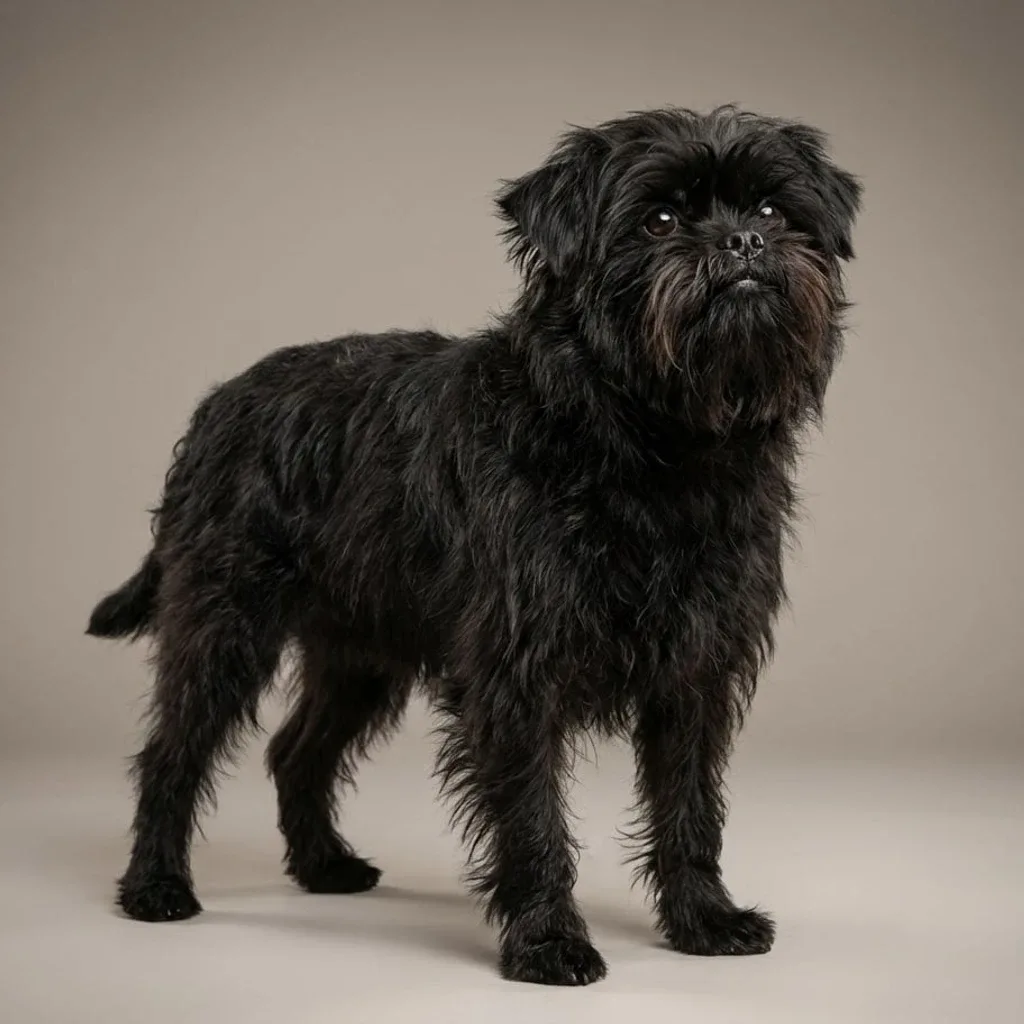
Affenpinscher
The Affenpinscher is a sturdy, monkey-like terrier-type toy breed known for its confidence and playful spirit. Despite its small size, it possesses a courageous heart and a loyal personality, making it a wonderful companion for Kiwi apartment dwellers or those with smaller sections.
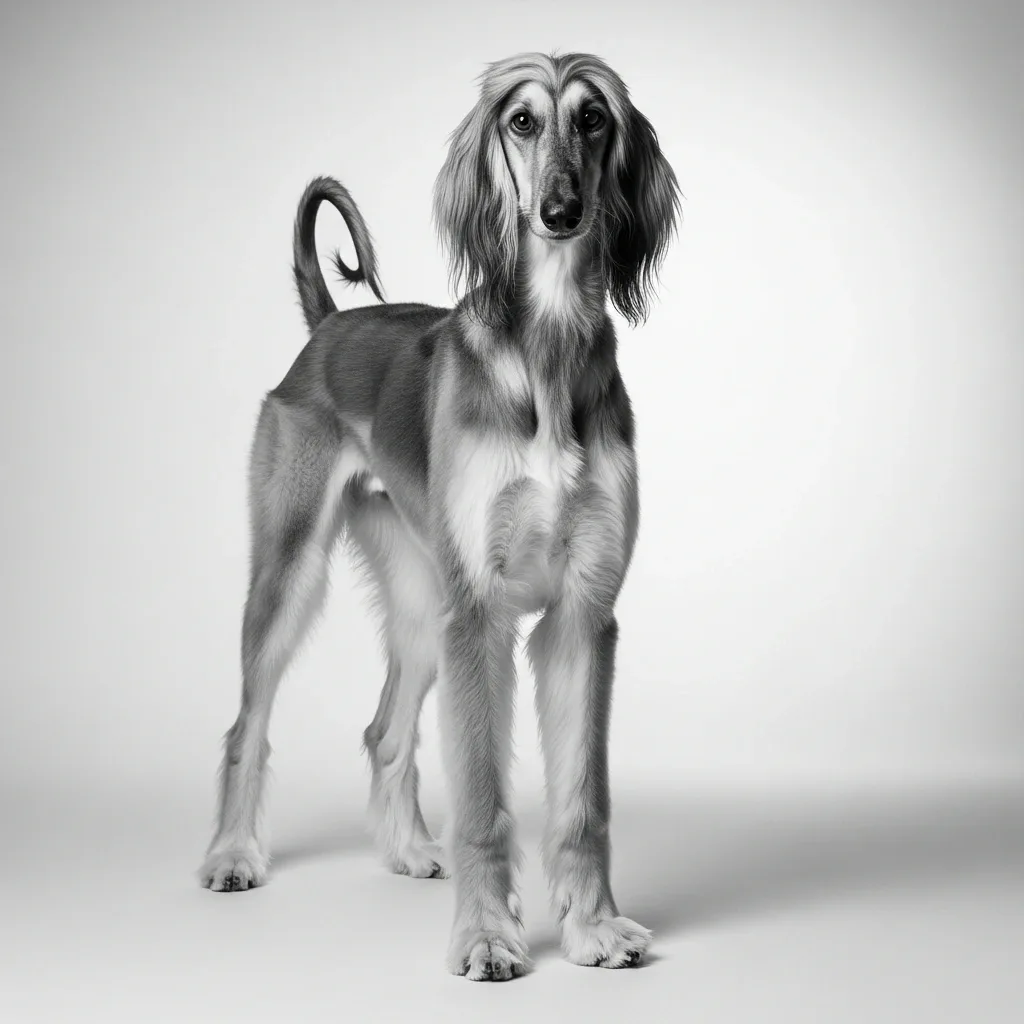
Afghan Hound
The Afghan Hound is an elegant aristocrat with a dignified and aloof personality. Known for its striking, silky coat, this breed is a high-maintenance beauty that requires ample space to run and an owner dedicated to its complex grooming needs.
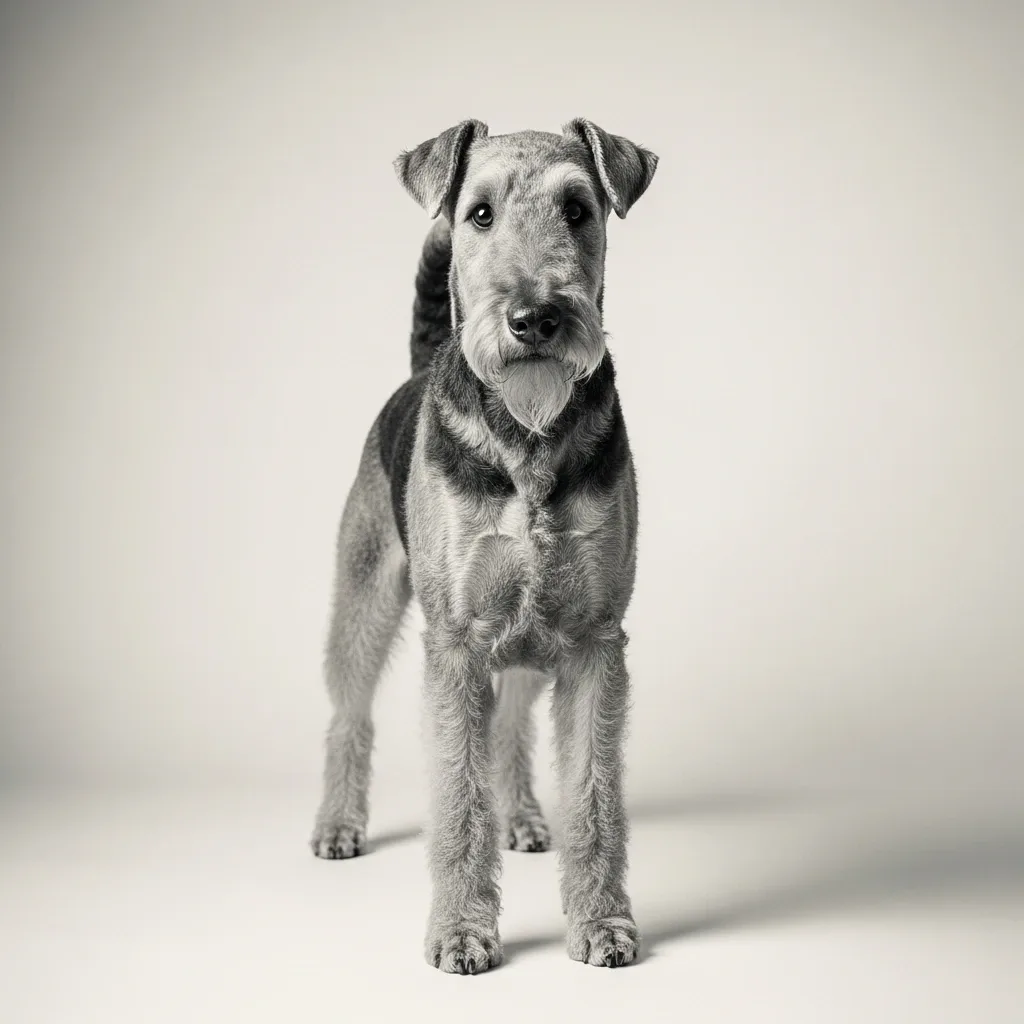
Airedale Terrier
The 'King of Terriers', the Airedale is the largest of all terrier breeds. They are brave, hardworking, and highly intelligent, making them excellent partners for active Kiwi families who love tramping and outdoor adventures.
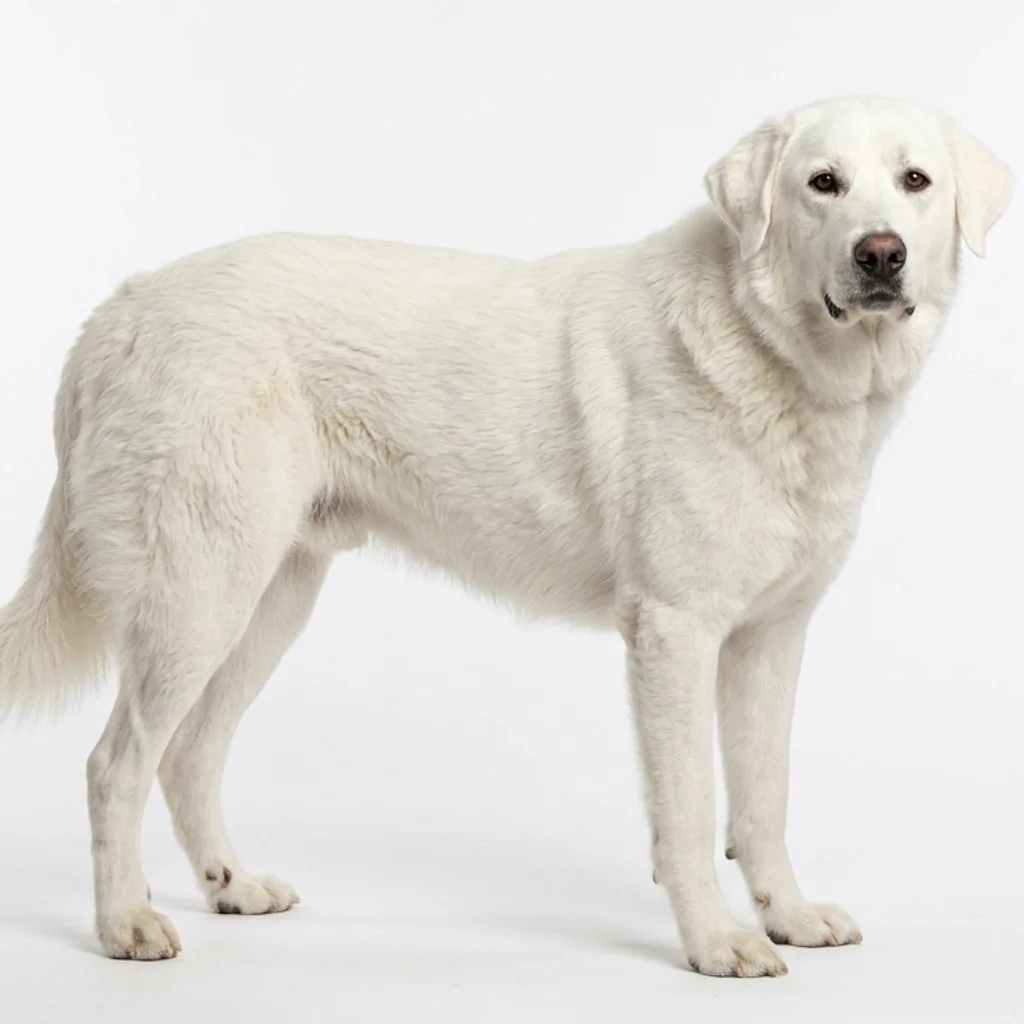
Akbash Dog
Originally a Turkish livestock guardian, the Akbash is a serious, protective, and independent breed. They are not suited for apartment living and thrive on large NZ lifestyle blocks where they can have a 'territory' to watch over.