Dog Breed Guide NZ
Bullmastiff
The Bullmastiff is a truly impressive canine, a powerful and confident guardian breed renowned for its unwavering loyalty and serious demeanour. Originally bred for protection, these magnificent dogs possess a calm yet courageous nature, making them exceptional family protectors. Despite their imposing size, they are deeply affectionate with their loved ones, often displaying a gentle giant personality within the home. However, their independent streak and strong will necessitate confident, consistent leadership from their owners. In New Zealand, a Bullmastiff thrives in a secure environment with plenty of space, making them well-suited for Kiwi families who understand and can commit to their unique needs for training, socialisation, and a firm, loving hand.
Photo Gallery
Breed Snapshot
- Size
- Male: 50-59 kg; Female: 45-54 kg
- Lifespan
- 7-9 years
- Origin
- Being enriched
- Temperament
- Loyal, protective, calm, courageous, affectionate, confident
- NZ Price
- $2,000 - $4,000 NZD from registered breeders; $150-$350 NZD adoption via SPCA or breed-specific rescues (when available)
- Annual Vet Cost
- Estimated annual vet costs for a Bullmastiff in NZ can range from $800 - $1,500 NZD, not including emergency care. This covers routine check-ups, vaccinations, flea/worm treatments, and general health maintenance. However, due to breed-specific health issues such as hip and elbow dysplasia, bloat (gastric torsion), certain cancers, and eye conditions like entropion, potential costs for diagnostics, surgery, or ongoing medication could easily add several thousands of dollars. Pet insurance is highly recommended for this breed to help manage these potential expenses.
Personality Scores
NZ Lifestyle Fit
Bullmastiffs are adaptable but thrive best with space. An apartment in Auckland, while possible with diligent exercise, isn't ideal due to their size and need for a secure outdoor area. Auckland's humid summers can also be challenging for brachycephalic (short-nosed) breeds; ensure ample shade and hydration. A house with a secure section is much better, allowing them to patrol and relax outdoors. Rural NZ farms can be excellent, provided the property is securely fenced to prevent wandering or conflicts with livestock, and they are well-socialised to farm animals. South Island cold winters require a warm, insulated indoor sleeping area, as their short coat offers limited protection. New Zealand's high UV index means outdoor time during peak sun hours should be limited to prevent sunburn, especially on lighter-coated dogs or those with pink noses. The Ministry for Primary Industries (MPI) does not list Bullmastiffs as a restricted breed under the Dog Control Act 1996, meaning there are no specific national restrictions on their ownership, but local council bylaws always apply.
Origins & History
The Bullmastiff's origins trace back to 19th-century England, where they were meticulously developed by gamekeepers to protect large estates from poachers. These gamekeepers required a dog that was powerful enough to tackle and hold a poacher without mauling them, quiet, and fearless. To achieve this, they cross-bred the Mastiff, known for its size and guarding instincts, with the Old English Bulldog, valued for its courage, tenacity, and lower centre of gravity. The result was a formidable 'Gamekeeper's Night Dog' – a silent, powerful, and agile guardian. The breed was officially recognised by the Kennel Club in England in 1924, and later by the American Kennel Club in 1933. Their history as a protector is deeply ingrained in their temperament, making them natural, vigilant guardians to this day.
Appearance
The Bullmastiff is a large, powerfully built dog, exuding strength and athleticism. Males typically stand between 63-69 cm at the shoulder and weigh 50-59 kg, while females are slightly smaller, 61-66 cm and 45-54 kg. They possess a broad, wrinkled head with a relatively short muzzle, dark eyes, and a keen, intelligent expression. Their coat is short, dense, and weather-resistant, coming in various shades of fawn, red, or brindle, often with a distinctive black mask around the muzzle and eyes. Their powerful, muscular body is balanced and symmetrical, reflecting their heritage as a working dog designed for strength and agility. Their tail is set high and tapers to a point, carried straight or slightly curved.
Temperament & Personality
True to their heritage, Bullmastiffs are renowned for their loyal, protective, and courageous temperament. They are inherently calm and confident, rarely barking without reason, but always alert to their surroundings. With their family, they are deeply affectionate and gentle, often forming strong bonds with children when properly socialised. However, their independent and serious nature means they require a confident and consistent leader. They are not a breed for first-time dog owners or those who cannot establish clear boundaries. While generally good-natured, their protective instincts mean they can be wary of strangers and may not tolerate perceived threats. Early and extensive socialisation is crucial to ensure they are well-adjusted and differentiate between friend and foe. They thrive on companionship and do not do well when left alone for extended periods.
Life in New Zealand
Living with a Bullmastiff in New Zealand requires an understanding of their needs and the local environment. Their short coat makes them relatively adaptable to various climates, though they will appreciate shelter from the harsh South Island winters and the intense summer sun. A secure, well-fenced section is paramount, as their protective instincts can lead them to patrol boundaries. They are not suited to apartment living unless their owners are exceptionally committed to daily, structured exercise and mental stimulation. Bullmastiffs enjoy being part of family activities, whether it's a stroll along a local beach (where permitted) or relaxing on the deck of a bach. Their size means they are not ideal for small cars or cramped living spaces, and their strong presence commands respect in public. Responsible ownership, including adherence to local council leash laws and waste disposal, is essential for a harmonious life with a Bullmastiff in Aotearoa.
Is This the Right Breed for You?
The Bullmastiff is an incredible companion for the right owner. They are best suited for individuals or families who can provide firm, consistent leadership, early and ongoing socialisation, and a secure home environment. Owners must be prepared for a large, powerful dog with significant strength and a protective nature. They are not high-energy dogs, but they do require regular, moderate exercise to stay healthy and prevent boredom. If you're looking for a loyal, courageous, and affectionate guardian who will be a devoted member of your family, and you're prepared for the commitment their size and temperament demand, a Bullmastiff could be your perfect Kiwi companion. Their unwavering devotion and calm presence make them truly special, but they are a serious commitment.
Fun Facts
Fact 1
Bullmastiffs were originally known as the 'Gamekeeper's Night Dog' due to their role in silently apprehending poachers on large estates.
Fact 2
Despite their imposing size and protective nature, Bullmastiffs are often referred to as 'gentle giants' due to their affectionate and calm temperament with their families.
Fact 3
The Bullmastiff breed is exactly 60% Mastiff and 40% Bulldog, a precise ratio carefully bred for their specific purpose.
Fact 4
Their distinctive black mask is not just a cosmetic trait; it was historically believed to help them blend into the darkness during their night patrols.
Fact 5
A Bullmastiff named 'Butkus' was Sylvester Stallone's real-life dog and co-starred with him in the 'Rocky' film series.
Related Breeds
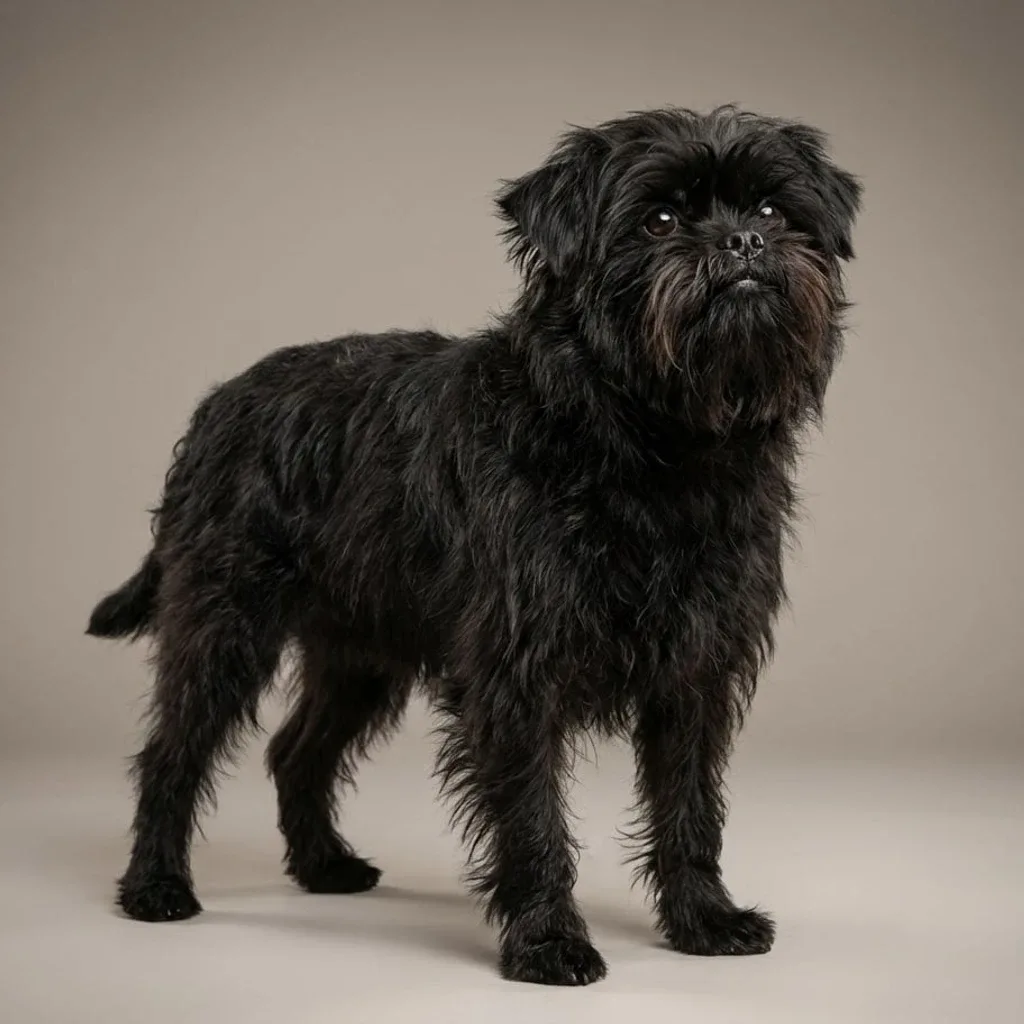
Affenpinscher
The Affenpinscher is a sturdy, monkey-like terrier-type toy breed known for its confidence and playful spirit. Despite its small size, it possesses a courageous heart and a loyal personality, making it a wonderful companion for Kiwi apartment dwellers or those with smaller sections.
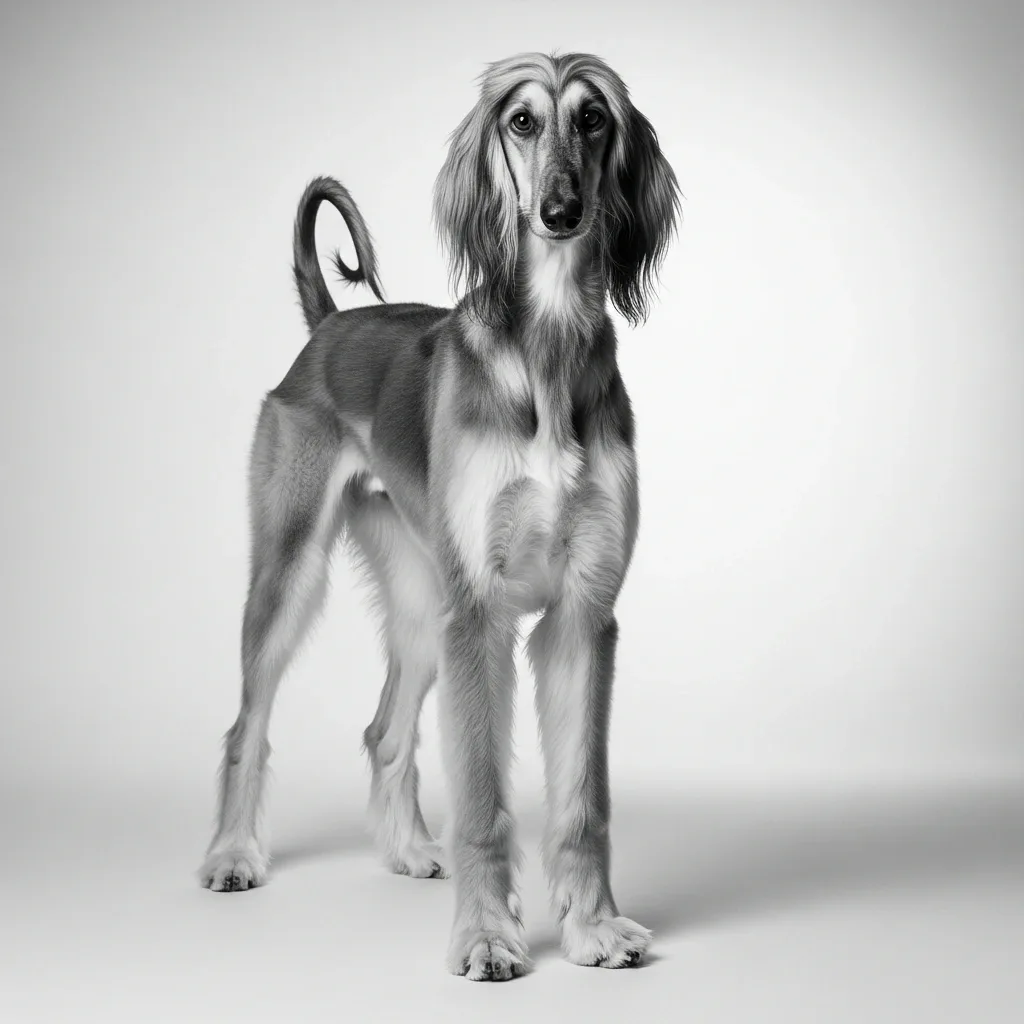
Afghan Hound
The Afghan Hound is an elegant aristocrat with a dignified and aloof personality. Known for its striking, silky coat, this breed is a high-maintenance beauty that requires ample space to run and an owner dedicated to its complex grooming needs.
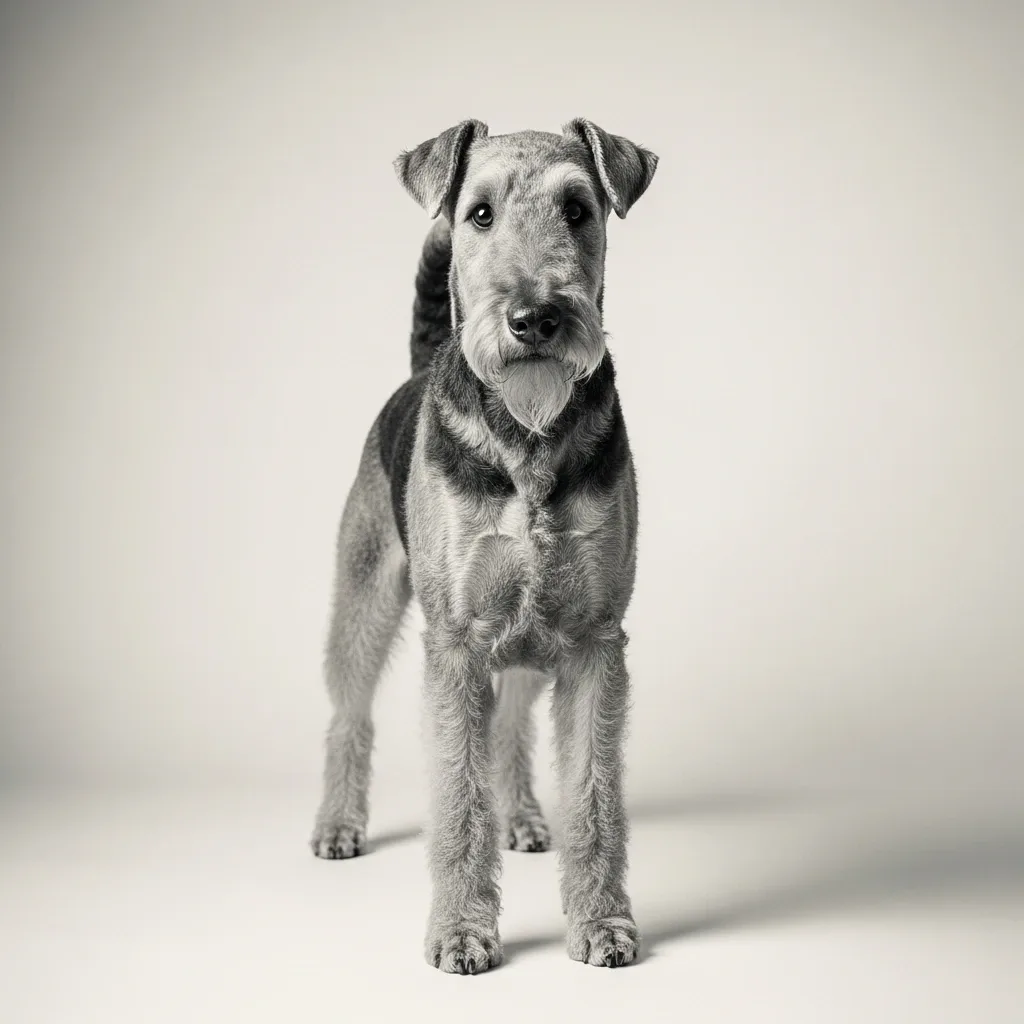
Airedale Terrier
The 'King of Terriers', the Airedale is the largest of all terrier breeds. They are brave, hardworking, and highly intelligent, making them excellent partners for active Kiwi families who love tramping and outdoor adventures.
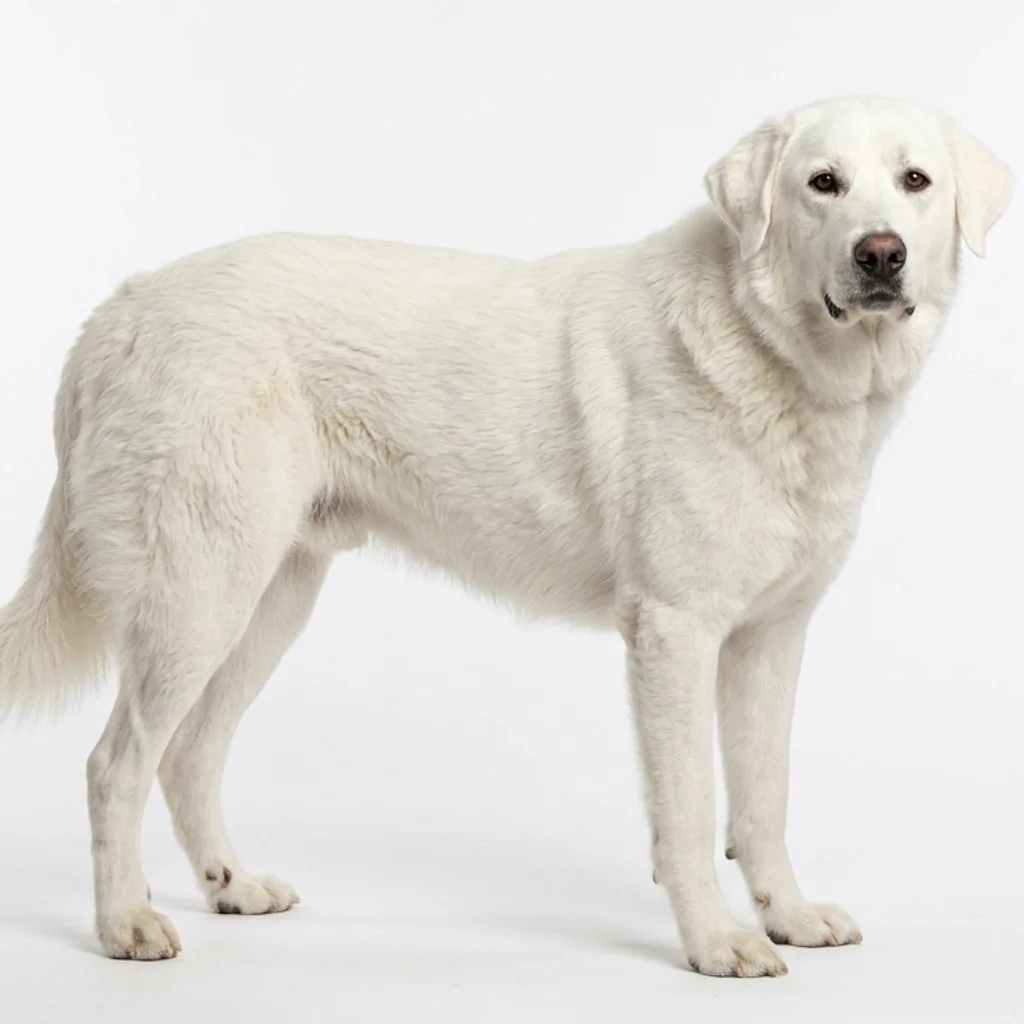
Akbash Dog
Originally a Turkish livestock guardian, the Akbash is a serious, protective, and independent breed. They are not suited for apartment living and thrive on large NZ lifestyle blocks where they can have a 'territory' to watch over.