Dog Breed Guide NZ
Bull Terrier (Miniature)
The Miniature Bull Terrier packs all the iconic charm and spirited personality of its larger cousin into a more compact, sturdy package. Known for their distinctive egg-shaped head and muscular build, these courageous and fun-loving dogs are truly unique. They are energetic, confident, and incredibly affectionate, making them fantastic companions for active individuals or families across Aotearoa. Whether you're exploring a local park, enjoying a beach walk, or simply relaxing at home, a Mini Bull Terrier brings a lively and loyal presence. Their adaptability and manageable size make them well-suited for a variety of New Zealand lifestyles, particularly in urban and suburban settings where they can thrive with consistent training and plenty of engagement.
Photo Gallery
Breed Snapshot
- Size
- 9-15 kg
- Lifespan
- 11-13 years
- Origin
- Being enriched
- Temperament
- Playful, energetic, courageous, confident, affectionate, outgoing
- NZ Price
- $1,500 - $3,500 NZD from registered breeders; $200-$450 NZD adoption via SPCA or breed-specific rescues (when available)
- Annual Vet Cost
- Estimated annual vet costs for a Miniature Bull Terrier in NZ range from $500 - $800 NZD for routine care (vaccinations, worming, flea/tick prevention, annual check-ups). However, this breed is predisposed to certain health issues that could significantly increase costs. Common concerns include deafness (especially in white dogs, requiring BAER testing), patellar luxation, heart conditions (e.g., aortic stenosis), kidney disease, and skin allergies. Addressing these conditions could incur additional costs ranging from $500 to several thousand NZD for diagnostics, medication, or surgery.
Personality Scores
NZ Lifestyle Fit
The Miniature Bull Terrier's compact size and robust nature make them surprisingly adaptable to various New Zealand living situations. For an apartment in Auckland, they can certainly manage, provided they receive at least an hour of vigorous exercise daily, coupled with mental stimulation. Owners must be committed to regular outings to local parks or dog-friendly areas. Auckland's humid summers mean white-coated dogs need sun protection, and all Mini Bulls will appreciate air conditioning or cool spots indoors. A house with a section is ideal, offering space for play and zoomies, but secure fencing is non-negotiable due to their strong prey drive and adventurous spirit. Rural NZ farm life isn't their natural calling as working dogs, but they can happily live on a farm as a companion if well-exercised and kept safe from livestock. South Island cold winters will require a warm indoor sleeping area and possibly a dog coat for outdoor excursions due to their short coat. High UV levels across NZ necessitate sun protection for white-coated individuals. There are no specific MPI restrictions on Miniature Bull Terriers in New Zealand, unlike some other breeds.
Origins & History
The Bull Terrier's story begins in 19th-century England, a fascinating tale rooted in the brutal world of dog fighting. Breeders sought to combine the tenacity of the Bulldog with the agility and spirit of terriers, creating a formidable fighting dog. James Hinks is credited with refining the breed, introducing white terriers and possibly Dalmatians to achieve the distinctive all-white coat and elegant lines we recognise today. The standard Bull Terrier quickly gained popularity beyond the fighting pits, admired for its courage, strength, and unique appearance. The Miniature Bull Terrier emerged from a desire to create a smaller version of this beloved breed, retaining all its characteristic traits but in a more manageable size. While once a separate breed, they were eventually recognised as a distinct variety of the Bull Terrier, sharing the same breed standard except for height and weight. Their journey from fighting arenas to cherished family companions is a testament to their adaptable and affectionate nature when properly socialised and trained.
Appearance
The Miniature Bull Terrier is instantly recognisable, a compact powerhouse of muscle and character. Their most striking feature is undoubtedly their head – often described as 'egg-shaped' or 'down-faced', it tapers smoothly from the top of the skull to the nose, with no stop. Their small, triangular eyes are set obliquely, giving them a keen, intelligent, and sometimes mischievous expression. They possess a strong, muscular body, deep chest, and well-arched ribs, conveying an impression of power and agility. Their coat is short, flat, and harsh to the touch, lying close to the skin. While the iconic white coat is famous, Miniature Bull Terriers also come in a variety of colours, including brindle, red, fawn, black, and tri-colour, often with white markings. Males typically weigh between 11-15 kg and stand around 35-40 cm at the shoulder, with females being slightly smaller, usually 9-13 kg. Their sturdy build and distinctive features make them truly stand out in any crowd.
Temperament & Personality
The Miniature Bull Terrier is a dog bursting with personality. They are often described as 'clowns in a dog suit' due to their playful antics and mischievous streak. Their temperament is a lively mix of courage, confidence, and boundless energy. They are incredibly affectionate and devoted to their families, often forming strong bonds and thriving on human companionship. This breed is outgoing and loves to be the centre of attention, making them excellent companions for those who enjoy an interactive pet. However, their confidence can sometimes translate into stubbornness, requiring consistent and positive training from a young age. Early socialisation is crucial to ensure they grow into well-adjusted adults, particularly around other dogs and new situations. While generally good-natured, their terrier heritage means they possess a strong prey drive and can be boisterous. They are intelligent and curious, needing plenty of mental stimulation to prevent boredom and destructive behaviours. With the right guidance, a Miniature Bull Terrier is a loyal, fun-loving, and spirited addition to any active Kiwi household.
Life in New Zealand
Miniature Bull Terriers can thrive in various New Zealand living situations, provided their needs for exercise, training, and companionship are met. Their compact size makes them more adaptable to urban living than their standard counterparts, and they can do well in a well-secured house with a section or even a spacious flat, as long as daily vigorous exercise is a priority. They love exploring New Zealand's diverse outdoor environments, from beach runs (where permitted) to walks along local footpaths and reserves. Their short coat means they're not built for extreme cold, so a warm, dry spot indoors is essential during South Island winters, and a dog coat might be appreciated on frosty mornings. Conversely, their short coat can also be susceptible to sunburn, especially for white-coated individuals, so sun protection during high UV periods, particularly in the humid Auckland summers, is important. They are generally robust dogs well-suited to the active Kiwi lifestyle, enjoying tramping adventures or simply playing in the backyard. Their strong personality means they benefit greatly from local dog training clubs and socialisation opportunities available throughout New Zealand.
Is This the Right Breed for You?
Bringing a Miniature Bull Terrier into your home is a commitment to a vibrant, energetic, and often comical companion. This breed is ideal for active individuals or families who are prepared to dedicate time to consistent training, early socialisation, and plenty of daily exercise. They thrive on companionship and do not do well when left alone for extended periods, as boredom can lead to destructive behaviours. Their strong-willed nature means they require an owner who can be firm, fair, and patient, using positive reinforcement methods. While generally good with children, their boisterous play style might be too much for very young kids, so supervision is always recommended. Potential owners should also be aware of their potential for a strong prey drive and the need for secure fencing. If you're looking for a loyal, courageous, and endlessly entertaining dog that will keep you on your toes and bring immense joy to your life, and you're ready to embrace their unique personality with love and dedication, then the Miniature Bull Terrier could be your perfect Kiwi companion.
Fun Facts
Fact 1
The Miniature Bull Terrier's distinctive 'egg-shaped' head, with no stop, is unique among dog breeds.
Fact 2
They are often referred to as the 'Gladiator of the Dog World' due to their strong build and courageous spirit.
Fact 3
The breed's original purpose was to be a fighting dog, but they were refined into companion animals.
Fact 4
General George S. Patton, the famous American military commander, owned a Bull Terrier named Willie.
Fact 5
A white Bull Terrier named Spuds MacKenzie was a popular advertising mascot in the late 1980s.
Related Breeds
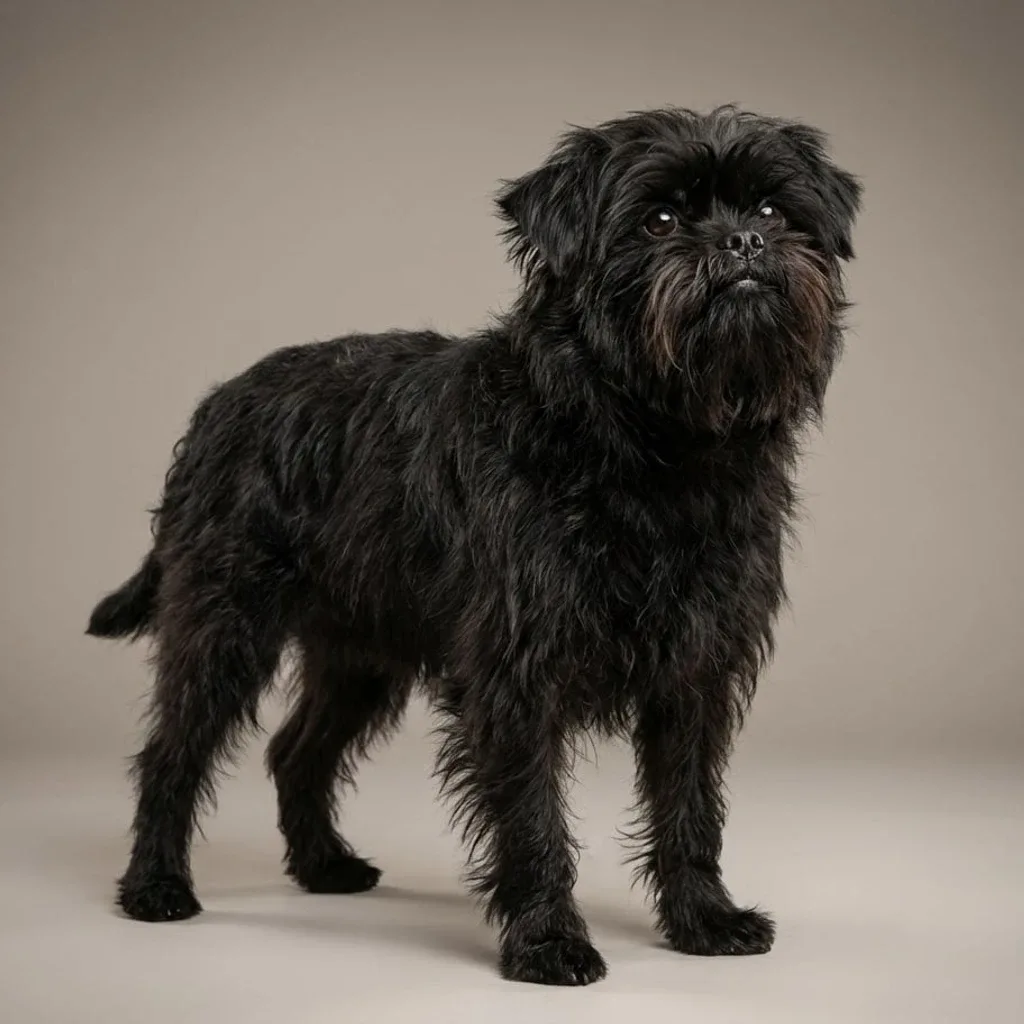
Affenpinscher
The Affenpinscher is a sturdy, monkey-like terrier-type toy breed known for its confidence and playful spirit. Despite its small size, it possesses a courageous heart and a loyal personality, making it a wonderful companion for Kiwi apartment dwellers or those with smaller sections.
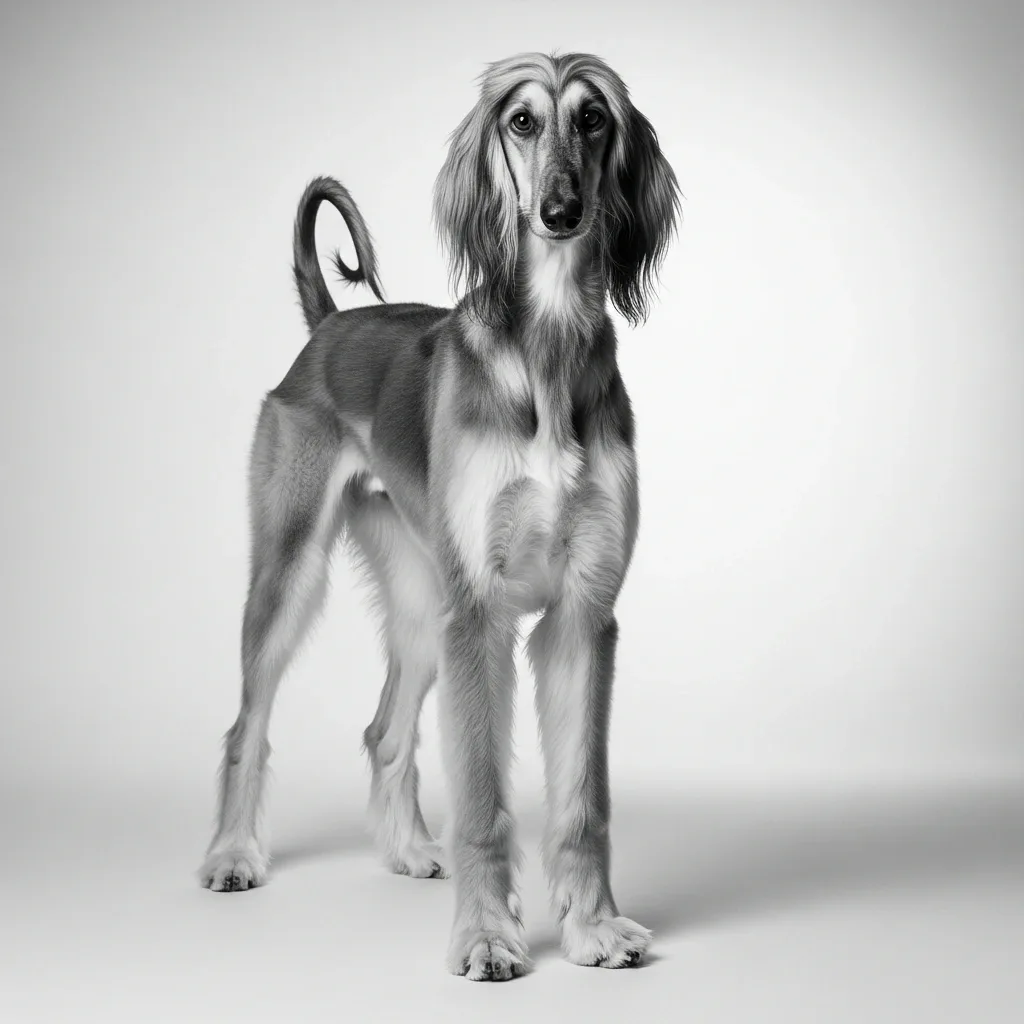
Afghan Hound
The Afghan Hound is an elegant aristocrat with a dignified and aloof personality. Known for its striking, silky coat, this breed is a high-maintenance beauty that requires ample space to run and an owner dedicated to its complex grooming needs.
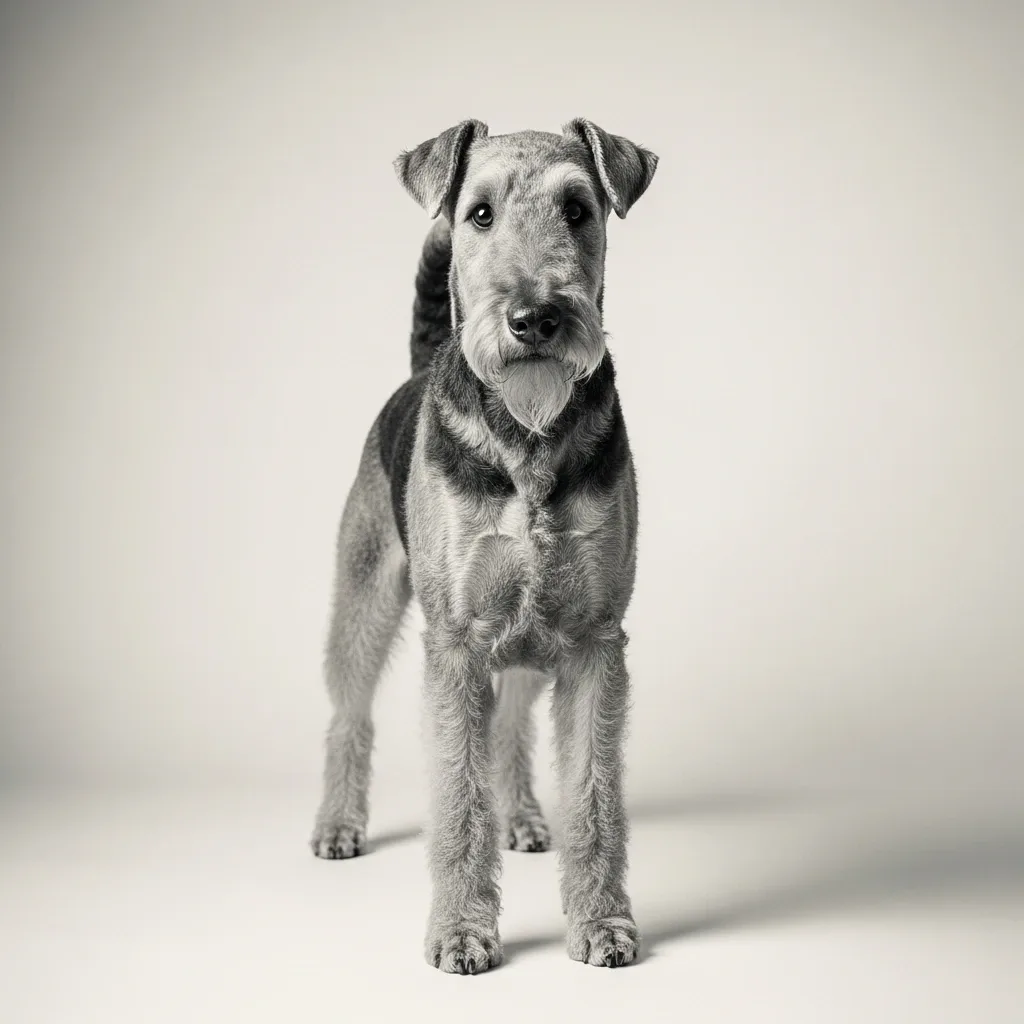
Airedale Terrier
The 'King of Terriers', the Airedale is the largest of all terrier breeds. They are brave, hardworking, and highly intelligent, making them excellent partners for active Kiwi families who love tramping and outdoor adventures.
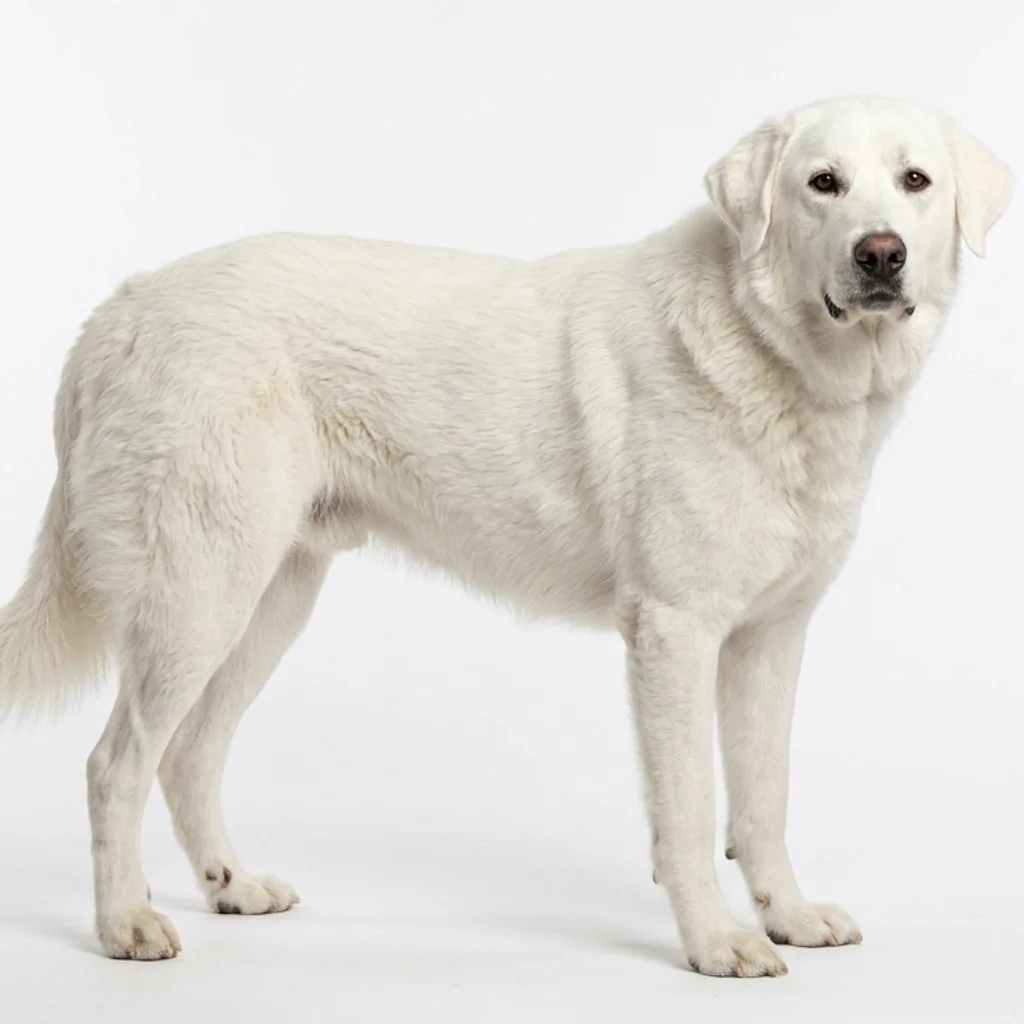
Akbash Dog
Originally a Turkish livestock guardian, the Akbash is a serious, protective, and independent breed. They are not suited for apartment living and thrive on large NZ lifestyle blocks where they can have a 'territory' to watch over.