Dog Breed Guide NZ
Brittany
The Brittany is a compact, energetic gundog, renowned for its tireless work ethic and cheerful disposition. Smaller than many traditional pointers, this intelligent breed boasts incredible stamina, making them exceptional companions for active Kiwi families. Their keen intelligence and eagerness to please make them highly trainable, excelling in various dog sports and field activities. With a friendly and adaptable nature, Brittanys are a joy to have around, forming strong bonds with their human companions. Whether you're hitting the tramping tracks, exploring our beautiful beaches, or simply enjoying a large section at home, a Brittany thrives on consistent activity and companionship, fitting perfectly into an adventurous New Zealand lifestyle. They are truly versatile, ready for any adventure you throw their way.
Photo Gallery
Breed Snapshot
- Size
- 14-18 kg
- Lifespan
- 12-15 years
- Origin
- Being enriched
- Temperament
- Intelligent, energetic, eager to please, friendly, athletic, happy
- NZ Price
- $1,800 - $3,000 NZD from registered breeders; $150-$350 NZD adoption via SPCA or breed-specific rescue groups
- Annual Vet Cost
- Estimated annual vet costs for a Brittany in New Zealand typically range from $400 - $800 NZD for routine preventative care. This includes essential annual vaccinations, regular flea and worm treatments (which are vital year-round in many parts of NZ), and general health check-ups. However, owners should budget an additional $500 - $1,500+ NZD annually for potential breed-specific health issues. Brittanys, while generally robust, can be predisposed to conditions such as hip and elbow dysplasia. These orthopaedic issues may require ongoing pain management, physiotherapy, or even costly surgical interventions. Other concerns include epilepsy, which necessitates lifelong medication and monitoring, various eye conditions like progressive retinal atrophy, and hypothyroidism, requiring regular blood tests and hormone replacement therapy. Early diagnosis through regular vet visits and appropriate screening can help manage these conditions more effectively. Investing in pet insurance is highly recommended to help mitigate the significant financial impact of unexpected or chronic health problems, ensuring your Brittany receives the best possible care throughout its life.
Personality Scores
NZ Lifestyle Fit
The Brittany's energetic and adaptable nature makes them a good fit for many New Zealand living situations, provided their substantial exercise needs are met. An apartment in Auckland would be challenging; while possible with a highly dedicated owner committed to multiple long walks, runs, and dog park visits daily, it's not ideal. The humid Auckland summers also require careful management to prevent overheating, ensuring access to shade and cool water, and avoiding peak sun hours for exercise. A house with a decent-sized section offers a better environment, allowing them space to potter and play, but this must be securely fenced due to their strong prey drive and inquisitive nature. Even with a section, daily vigorous exercise outside the property is essential. For rural NZ farm life, the Brittany truly excels. Their gundog heritage means they thrive in open spaces, enjoying the freedom and opportunities for scent work and exploration. They are robust enough for South Island cold winters, but a warm, dry shelter is crucial. High UV levels across New Zealand necessitate protection for their noses and ears, especially for lighter-coloured dogs. There are no specific MPI restrictions on owning a Brittany in New Zealand, making them a straightforward breed to welcome into your home, assuming you can meet their activity demands.
Origins & History
The Brittany, often mistakenly called a "spaniel," is actually a pointing breed originating from the Brittany region of France in the mid-19th century. Bred for hunting small game and birds, particularly woodcock, these dogs were developed by local poachers and peasants who needed a versatile, compact gundog capable of both pointing and retrieving. Unlike many larger European hunting breeds, the Brittany was designed to be a close-working companion, suitable for the dense undergrowth and smaller landholdings of its native region. Early Brittanys were often bob-tailed or naturally short-tailed, a trait still seen in some lines today. Their exceptional scenting ability, agility, and biddable nature quickly earned them a reputation as outstanding hunting partners. The breed was officially recognised in France in 1907, with the first standard established in 1908. Over the decades, the Brittany's popularity spread globally, appreciated not just for its hunting prowess but also for its delightful temperament as a family pet. Today, they remain a beloved breed for hunters and active families alike, celebrated for their intelligence, athleticism, and affectionate personality.
Appearance
The Brittany is a medium-sized dog, known for its sturdy yet elegant build, reflecting its athletic and agile nature. Males typically stand between 48-51 cm at the shoulder, while females are slightly smaller. Their weight usually ranges from 14 to 18 kg, making them a manageable size for many Kiwi households. They possess a distinctive, intelligent expression, with eyes that are amber or dark hazel, complementing their coat colour. Their ears are set high, relatively short, and feathered. The coat is dense and flat or slightly wavy, never curly, providing protection from various weather conditions. Feathering is present on the legs and tail. The most common coat colours are orange and white, or liver (dark brown) and white, often with roan patterns. Black and white is also recognised in some registries, though less common. The nose colour typically matches the darkest coat pigment. A hallmark of the breed is their naturally short or docked tail, although tail docking is now restricted in many countries, including New Zealand, for non-medical reasons. Consequently, many Brittanys in NZ now have full, undocked tails, which are carried gaily when the dog is alert or working. Their overall appearance conveys an impression of energy, alertness, and eagerness, perfectly reflecting their active and enthusiastic personality.
Temperament & Personality
The Brittany is celebrated for its exceptional temperament, combining intelligence, energy, and a strong desire to please. They are highly intelligent dogs, making them relatively easy to train, though their independent gundog spirit means they respond best to positive reinforcement and consistent methods. Their energetic nature means they require significant daily exercise and mental stimulation to prevent boredom and destructive behaviours. A bored Brittany is a mischievous Brittany! These dogs are inherently friendly and affectionate, forming strong bonds with their families. They are generally excellent with children, provided both dog and child are taught to interact respectfully. Their gentle disposition also typically extends to other pets, especially if socialised from a young age. Brittanys possess a happy, outgoing personality and thrive on being an integral part of family life. They are not suited to being left alone for long periods, as their social nature can lead to separation anxiety. Their athletic build and keen senses make them natural adventurers, always ready for a run, a swim, or a long tramp. They maintain a playful puppy-like demeanour well into adulthood, bringing joy and laughter to their homes. Their eagerness to work and their keen hunting instincts mean they excel in activities like agility, obedience, and scent work, beyond just field trials.
Life in New Zealand
The Brittany is remarkably well-suited to the active, outdoor lifestyle often enjoyed by New Zealanders. Their robust constitution and protective coat allow them to adapt well to New Zealand's varied climate, from the humid summers of Auckland to the colder winters of the South Island, though appropriate shelter and care are always essential. Their love for tramping makes them ideal companions for exploring our national parks and bush tracks, provided they are kept on a lead where required and are respectful of wildlife. Kiwi beaches and dog-friendly reserves offer fantastic opportunities for Brittanys to burn off energy, whether it's chasing a ball or enjoying a swim. Their medium size makes them a good fit for homes with a decent-sized section, but it's crucial to remember that a section alone is not enough; daily vigorous exercise off the property is non-negotiable. They thrive on being part of family activities, whether it's a weekend at the bach or a daily walk along the local footpath. Owners must be mindful of New Zealand's high UV index, especially for dogs with lighter coats or pink noses, ensuring they have access to shade and potentially dog-specific sunscreen during peak sun hours. Overall, the Brittany's versatility, eagerness to please, and boundless energy align perfectly with the active, outdoor-loving spirit of New Zealand.
Is This the Right Breed for You?
Considering a Brittany means embracing an active lifestyle. This breed is ideal for individuals or families who are committed to providing substantial daily exercise and mental stimulation. If you're an avid trampers, runners, or enjoy dog sports like agility or obedience, a Brittany could be your perfect match. Their intelligence and eagerness to please make them a rewarding dog to train, but they do require consistent, positive reinforcement from an early age. They thrive on companionship and are not suited to being left alone for extended periods; they need to be an integrated member of the family. If you're looking for a low-maintenance couch potato, the Brittany is definitely not for you. While generally healthy, they do require regular grooming and attention to potential breed-specific health issues. Their friendly nature makes them excellent with children and other pets, provided proper socialisation. A secure, fenced section is important, as their hunting instincts can lead them to follow interesting scents. If you're prepared for an energetic, intelligent, and affectionate companion who will enrich your life with boundless enthusiasm and loyalty, then the Brittany could indeed be the right breed to welcome into your New Zealand home.
Fun Facts
Fact 1
Despite often being called a 'Brittany Spaniel', they are actually a pointing breed, not a spaniel.
Fact 2
The Brittany originated in the Brittany region of France in the mid-19th century, developed by local hunters.
Fact 3
Many Brittanys are born with naturally short or bobbed tails, a trait that was historically favoured for hunting.
Fact 4
They are known for their 'soft mouth', making them excellent retrievers who won't damage game.
Fact 5
Brittanys are one of the most versatile gundogs, excelling in pointing, flushing, and retrieving on both land and water.
Related Breeds
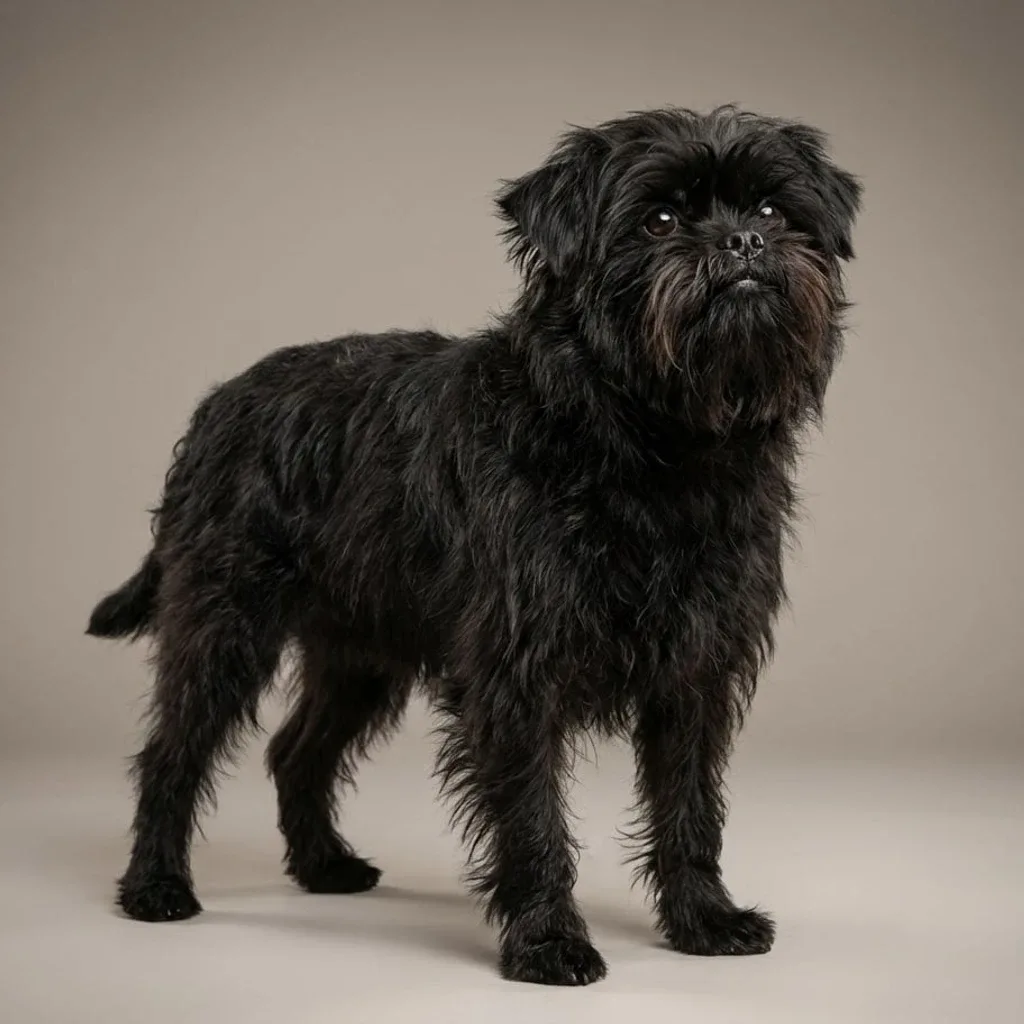
Affenpinscher
The Affenpinscher is a sturdy, monkey-like terrier-type toy breed known for its confidence and playful spirit. Despite its small size, it possesses a courageous heart and a loyal personality, making it a wonderful companion for Kiwi apartment dwellers or those with smaller sections.
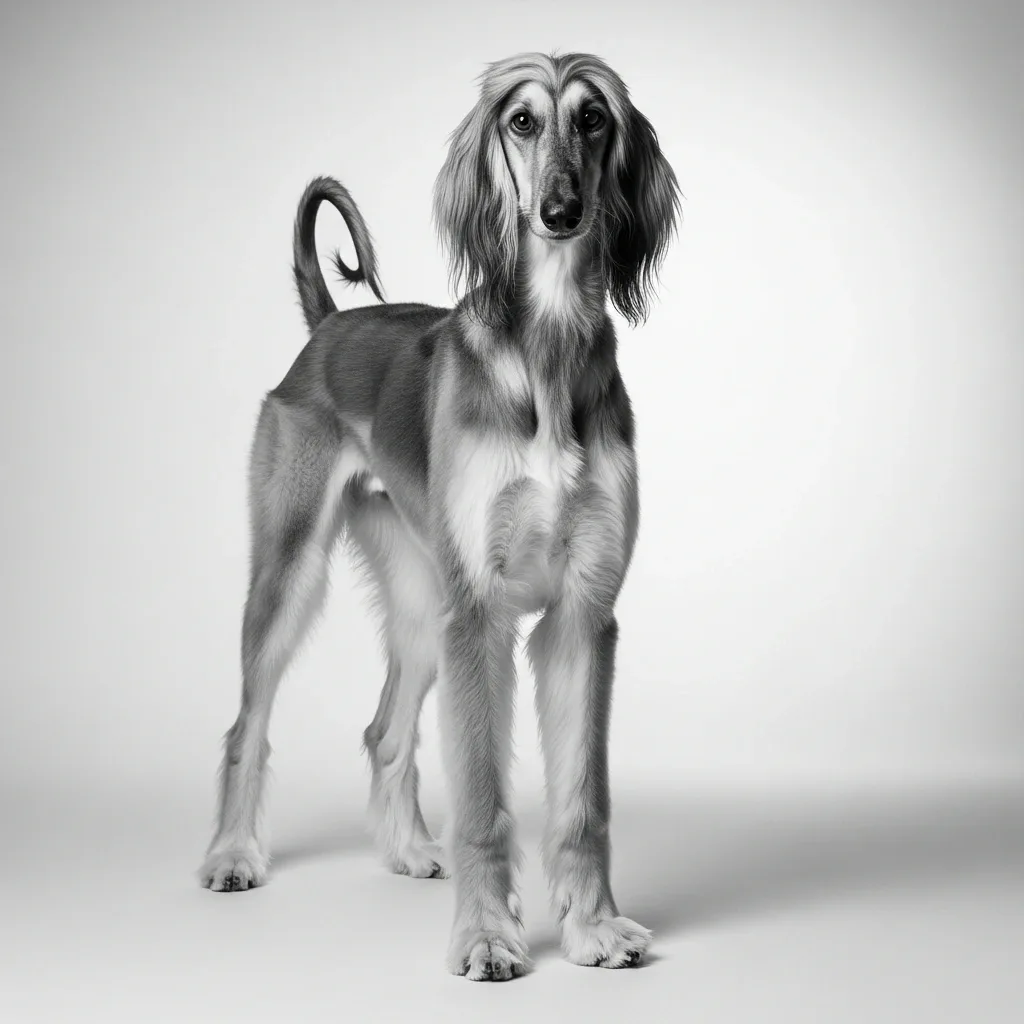
Afghan Hound
The Afghan Hound is an elegant aristocrat with a dignified and aloof personality. Known for its striking, silky coat, this breed is a high-maintenance beauty that requires ample space to run and an owner dedicated to its complex grooming needs.
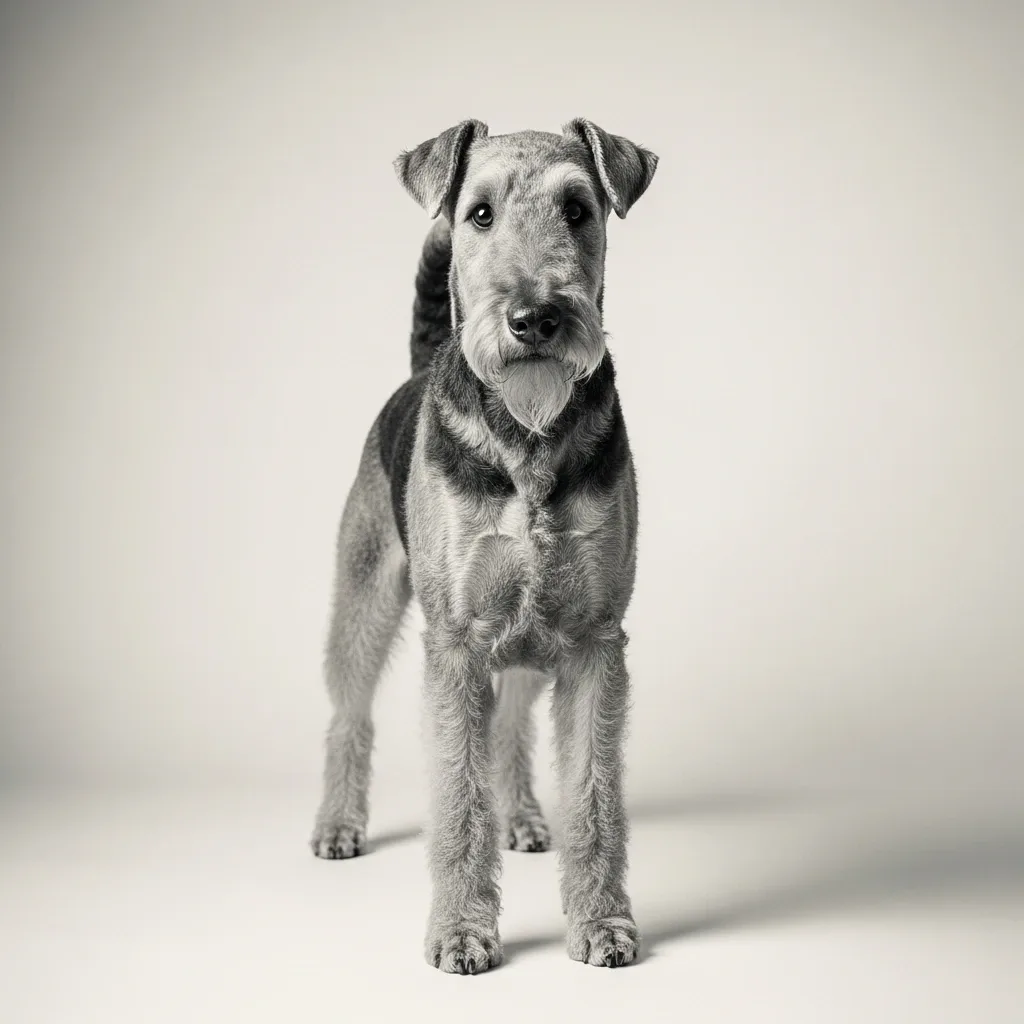
Airedale Terrier
The 'King of Terriers', the Airedale is the largest of all terrier breeds. They are brave, hardworking, and highly intelligent, making them excellent partners for active Kiwi families who love tramping and outdoor adventures.
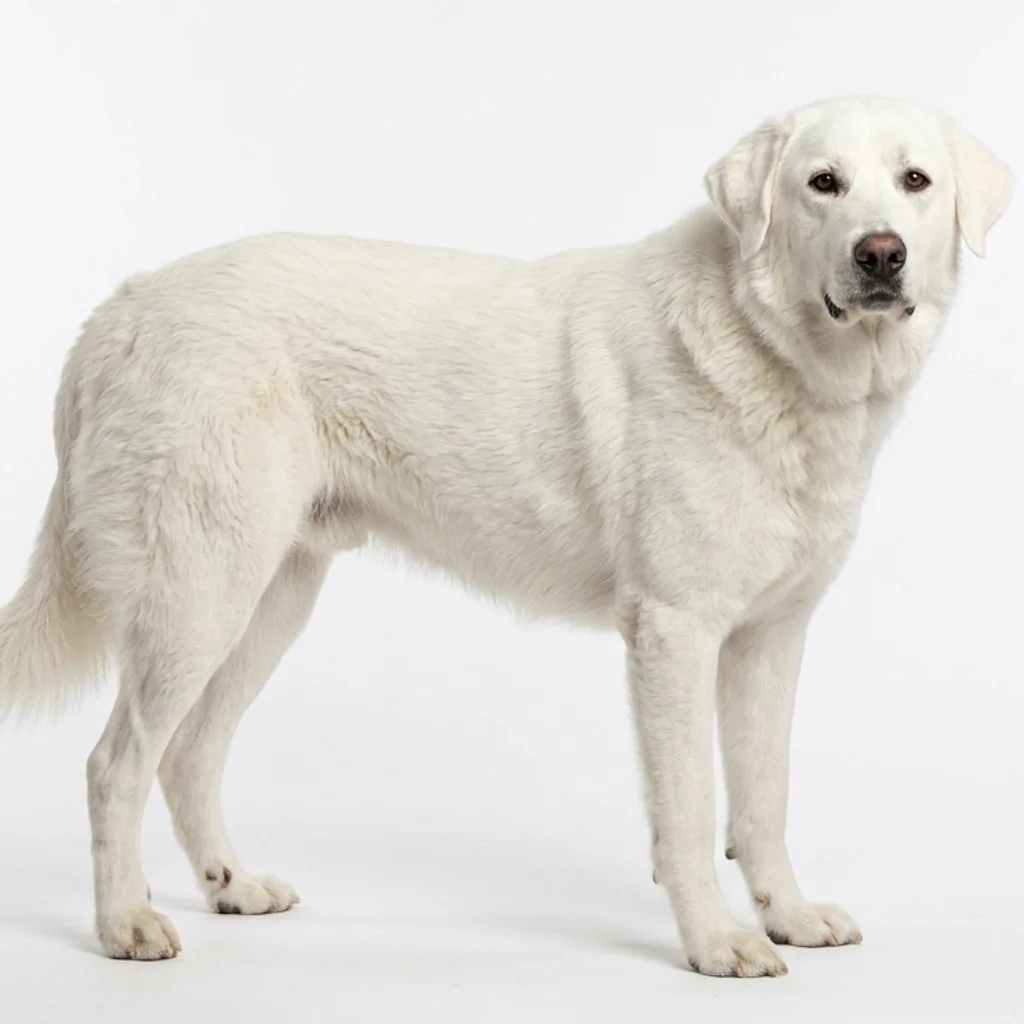
Akbash Dog
Originally a Turkish livestock guardian, the Akbash is a serious, protective, and independent breed. They are not suited for apartment living and thrive on large NZ lifestyle blocks where they can have a 'territory' to watch over.