Dog Breed Guide NZ
Briard
The Briard is a majestic and powerful French herding dog, instantly recognisable by its distinctive long, shaggy coat and confident demeanour. Known for their exceptional intelligence, courage, and unwavering loyalty, Briards form incredibly deep bonds with their families, acting as devoted guardians. Originally bred to herd and protect livestock, they possess a strong work ethic and an independent spirit. In New Zealand, a Briard thrives in an active household that can provide ample space, consistent training, and a commitment to their grooming needs. They are well-suited to families who enjoy the great outdoors, making them excellent companions for adventures across our beautiful landscapes.
Photo Gallery
Breed Snapshot
- Size
- Male: 32-45 kg; Female: 23-29 kg
- Lifespan
- 10-12 years
- Origin
- Being enriched
- Temperament
- Loyal, intelligent, protective, confident, courageous, devoted
- NZ Price
- $2,500 - $4,000 NZD from registered breeders; $150-$350 NZD adoption via SPCA (when available)
- Annual Vet Cost
- Estimated annual vet costs for a Briard in NZ can range from $800 - $1,500 NZD, excluding emergency treatments. This covers routine check-ups, vaccinations, parasite prevention (flea, worm, tick), and potential costs for breed-specific health screenings. Common health issues in Briards include hip and elbow dysplasia, bloat (gastric dilatation-volvulus), certain eye conditions like progressive retinal atrophy, and some forms of cancer. Regular vet visits are crucial for early detection and management of these conditions, which can significantly impact overall costs.
Personality Scores
NZ Lifestyle Fit
The Briard's large size and high energy levels mean they are generally not well-suited for apartment living, even in a city like Auckland. They require ample space to move, both indoors and out. A house with a securely fenced section is a minimum requirement, allowing them to burn off some energy throughout the day. Rural New Zealand farms or lifestyle blocks are often ideal, as their herding instincts can be satisfied, and they have plenty of room to roam and explore. New Zealand's climate presents specific considerations. Auckland's humid summers can be challenging for their thick, shaggy coats, necessitating diligent grooming to prevent matting and overheating. Conversely, their double coat provides excellent insulation against the cold, making them well-suited for South Island's colder winters. High UV levels across New Zealand mean that prolonged sun exposure should be managed, especially for lighter-coated dogs, to protect their skin and eyes. There are no specific MPI restrictions on owning Briards in New Zealand.
Origins & History
Originating from France, the Briard is an ancient and noble breed, with its history tracing back to at least the 14th century. These versatile dogs were primarily developed to herd and guard sheep, protecting flocks from predators and guiding them across vast terrains. Their intelligence, courage, and protective instincts made them invaluable working partners for French farmers. During World War I, Briards served with distinction in the French army, acting as sentinels, messengers, and search-and-rescue dogs, showcasing their incredible bravery and adaptability. Their historical roles highlight their innate capabilities as both a diligent worker and a steadfast companion.
Appearance
The Briard is a large, robust dog with a powerful build, designed for endurance and agility. Males typically weigh between 32-45 kg, while females are slightly smaller at 23-29 kg. Their most striking feature is their long, shaggy double coat, which can be black, fawn, or grey. This weather-resistant coat provided protection from the elements in their working life. A distinctive facial feature is their long hair that falls over their eyes, often described as a 'fringe', and a beard and moustache that give them a somewhat serious, yet endearing, expression. Their strong, well-muscled body is topped with a high-set tail carried with a slight curve, adding to their regal presence.
Temperament & Personality
Briards are renowned for their loyal, intelligent, and protective nature. They are incredibly devoted to their families, often forming a singular, deep bond with one person, though they are loving towards all household members. Their inherent confidence and courage make them excellent guardians, always alert to their surroundings. While they are affectionate and playful with their loved ones, they can be reserved or aloof with strangers, a trait stemming from their protective instincts. Early and consistent socialisation is crucial to ensure they are well-adjusted. Their intelligence means they are quick learners, but their independent spirit requires a patient and consistent training approach. A Briard thrives on being part of the family unit and needs significant human interaction to prevent boredom or destructive behaviours.
Life in New Zealand
Briards can thrive in various New Zealand settings, provided their needs for space, exercise, and mental stimulation are met. Their thick coat offers excellent protection against South Island's colder winters but requires diligent care during Auckland's humid summers to prevent matting and skin issues. They are ideal companions for active Kiwi families who enjoy outdoor activities like tramping, beach walks, or exploring our many dog-friendly reserves. Their herding background means they excel in dog sports like agility or obedience, which can be found through local NZ dog clubs. While not suited for apartment living, a home with a secure, decent-sized section is essential. Their protective nature makes them excellent watchdogs for a family home or even a rural property.
Is This the Right Breed for You?
Bringing a Briard into your life is a significant commitment. They require an owner who understands and appreciates their unique blend of intelligence, independence, and devotion. If you are looking for a loyal, protective companion who will be an integral part of your family, and you can commit to their extensive grooming, daily exercise, and ongoing training, a Briard could be your perfect match. They are not a 'hands-off' breed and will flourish with consistent attention and a clear leadership. For active New Zealanders who embrace the outdoors and are prepared for a dog with a big heart and a shaggy coat, the Briard offers unparalleled companionship and loyalty.
Fun Facts
Fact 1
Briards were used extensively by the French Army during World War I as sentinels, messengers, and search-and-rescue dogs.
Fact 2
Their distinctive long hair falling over their eyes is not just for show; it historically protected their eyes from dirt, dust, and sun while herding.
Fact 3
Briards are often described as 'a heart wrapped in fur' due to their deep emotional sensitivity and strong bonds with their families.
Fact 4
They have a unique 'floating' gait, where their feet barely seem to touch the ground, giving them an elegant and effortless movement.
Fact 5
Thomas Jefferson was an early admirer of the breed, importing Briards to the United States in the late 18th century.
Related Breeds
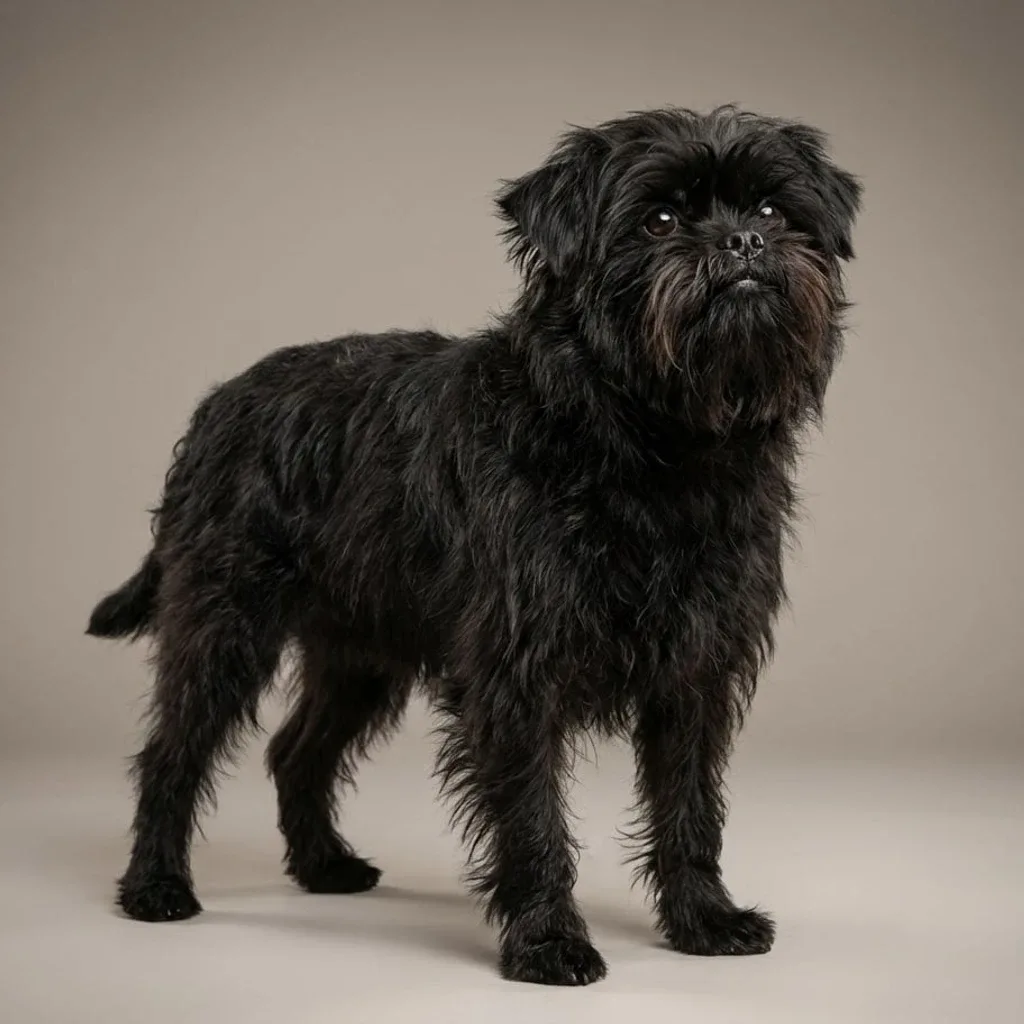
Affenpinscher
The Affenpinscher is a sturdy, monkey-like terrier-type toy breed known for its confidence and playful spirit. Despite its small size, it possesses a courageous heart and a loyal personality, making it a wonderful companion for Kiwi apartment dwellers or those with smaller sections.
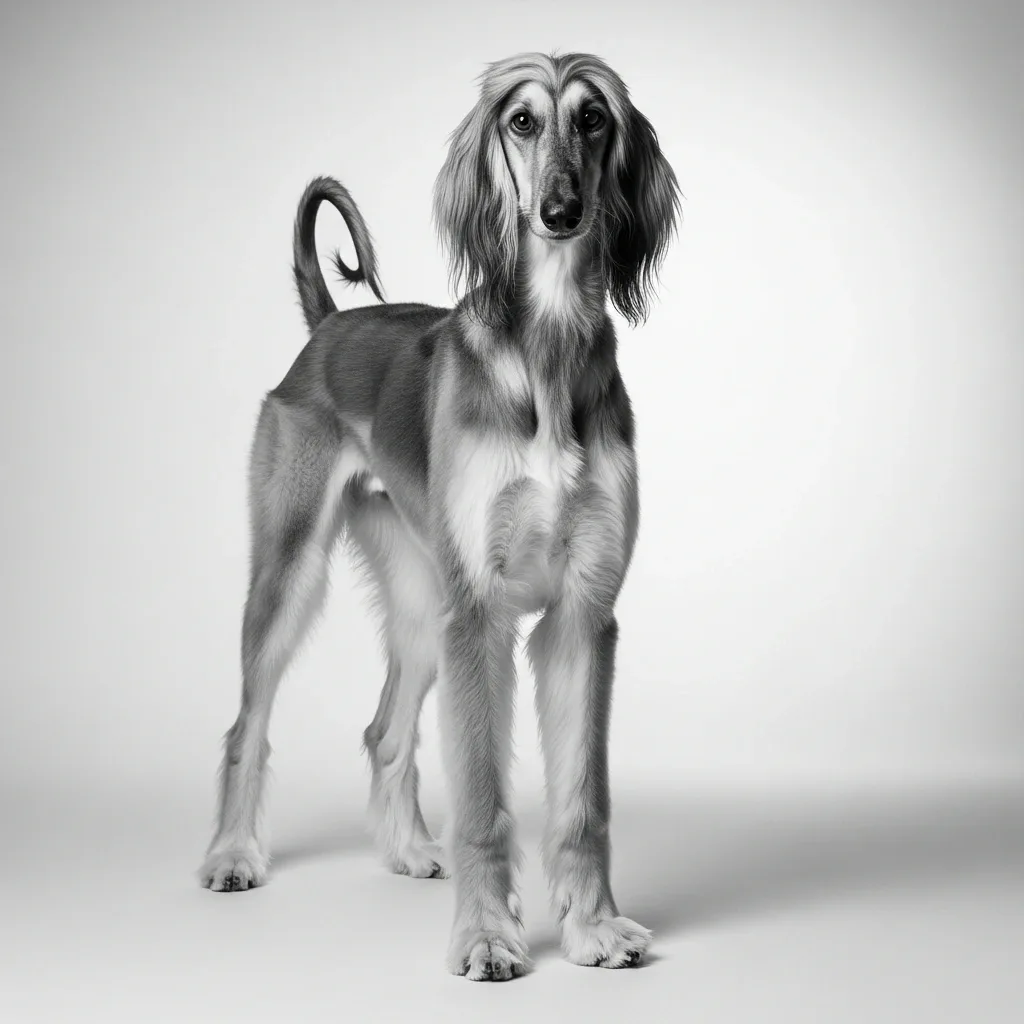
Afghan Hound
The Afghan Hound is an elegant aristocrat with a dignified and aloof personality. Known for its striking, silky coat, this breed is a high-maintenance beauty that requires ample space to run and an owner dedicated to its complex grooming needs.
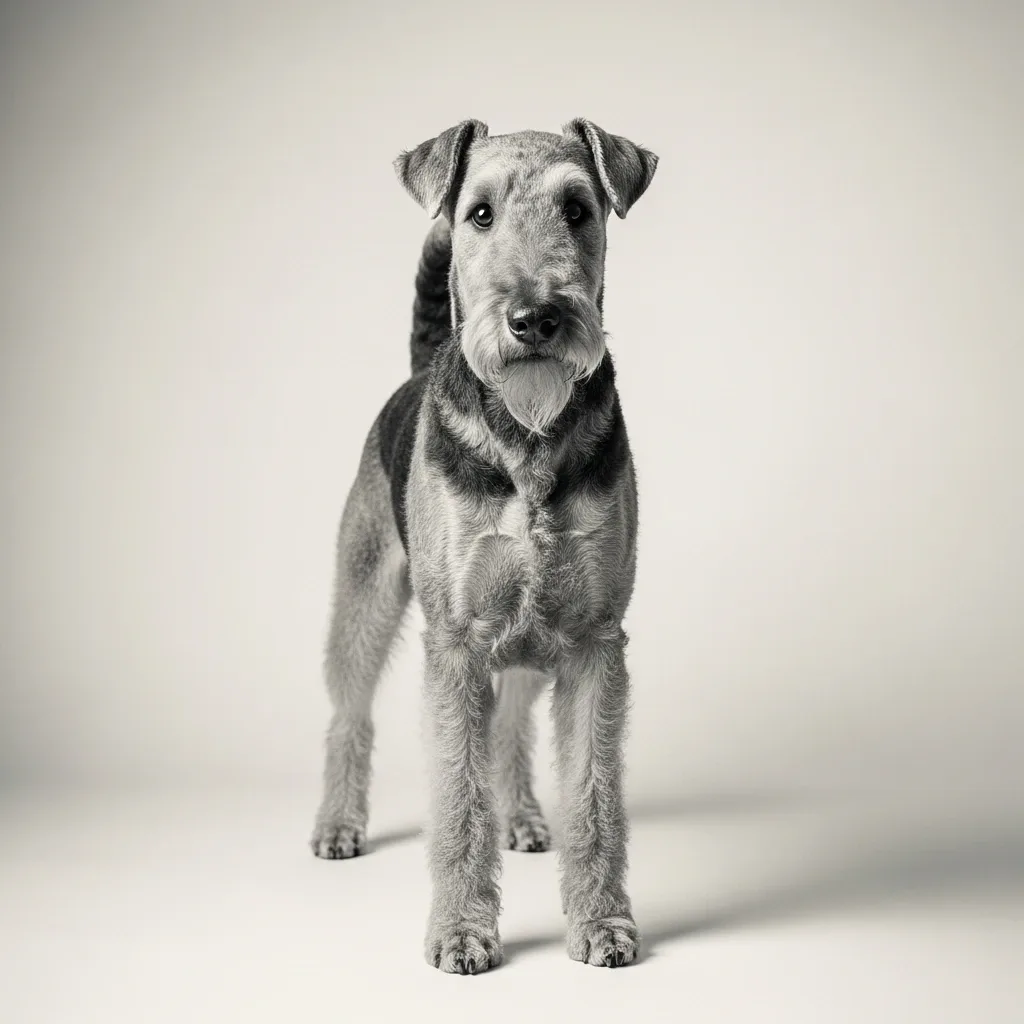
Airedale Terrier
The 'King of Terriers', the Airedale is the largest of all terrier breeds. They are brave, hardworking, and highly intelligent, making them excellent partners for active Kiwi families who love tramping and outdoor adventures.
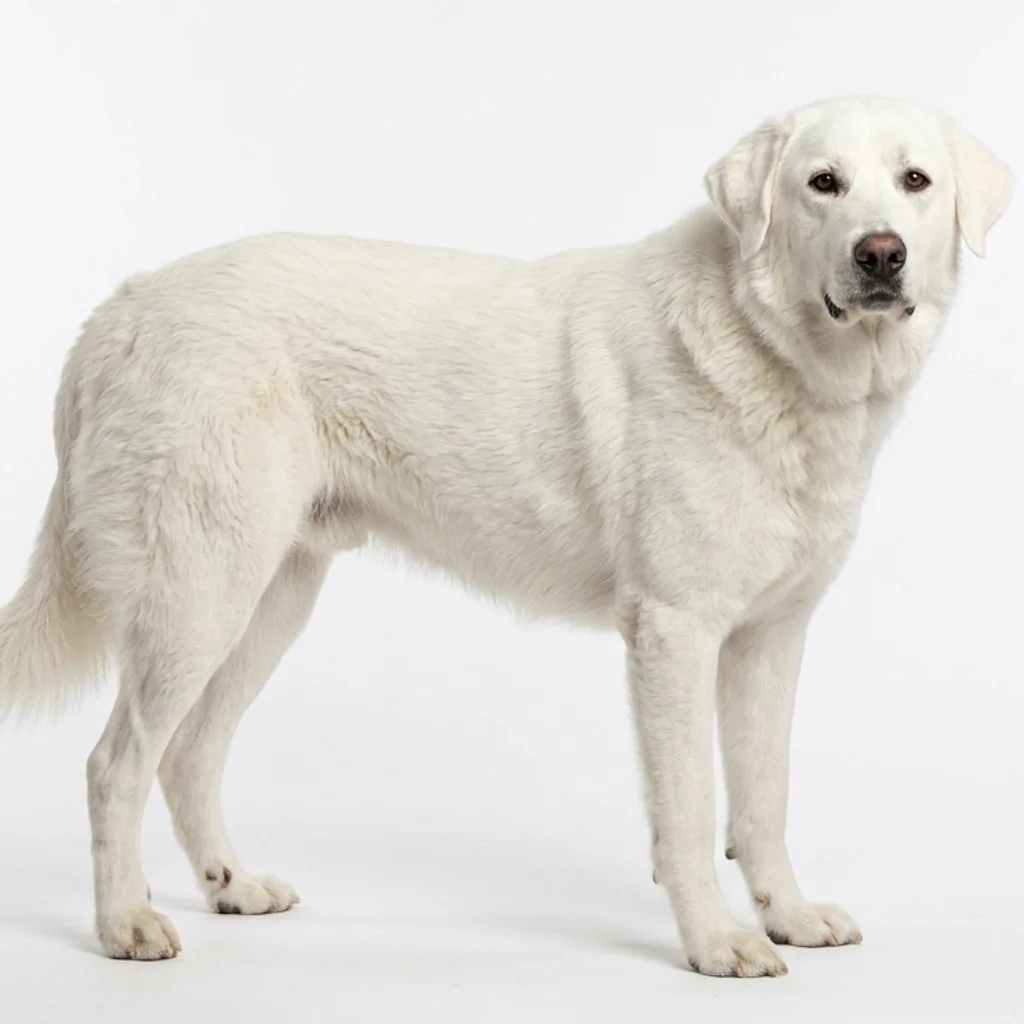
Akbash Dog
Originally a Turkish livestock guardian, the Akbash is a serious, protective, and independent breed. They are not suited for apartment living and thrive on large NZ lifestyle blocks where they can have a 'territory' to watch over.