Dog Breed Guide NZ
Boxer
The Boxer, often dubbed the 'clown' of the dog world, is an exuberant, playful, and high-energy companion. Renowned for their boundless enthusiasm and affectionate nature, they are famously patient with children, making them a superb choice for active Kiwi families. These intelligent athletes thrive on interaction and require plenty of exercise to keep them happy and healthy. Their loyalty and protective instincts, combined with their friendly demeanour, mean they fit wonderfully into a New Zealand lifestyle that embraces outdoor adventures and strong family bonds, especially in homes with a secure section.
Photo Gallery
Breed Snapshot
- Size
- Male: 29-36 kg; Female: 23-29 kg
- Lifespan
- 10-12 years
- Origin
- Being enriched
- Temperament
- Playful, energetic, loyal, intelligent, friendly, alert
- NZ Price
- $1,500 - $3,500 NZD from registered breeders; $150-$350 NZD adoption via SPCA
- Annual Vet Cost
- Estimated annual vet costs for a Boxer in NZ typically range from $600 - $1,200 NZD for routine care (vaccinations, flea/worm treatments, annual check-ups). However, Boxers are prone to several breed-specific health issues that can significantly increase these costs. Common concerns include various cancers (e.g., mast cell tumours, lymphoma), heart conditions (e.g., Aortic Stenosis, Boxer Cardiomyopathy), hip dysplasia, and bloat (Gastric Dilatation-Volvulus). Addressing these conditions can involve specialist consultations, diagnostics, medications, or surgery, potentially adding thousands of dollars to annual expenses. Pet insurance is highly recommended.
Personality Scores
NZ Lifestyle Fit
Boxers are generally well-suited to New Zealand life, provided their specific needs are met. An apartment in Auckland is generally not ideal due to their high energy levels; however, if an owner is extremely committed to multiple vigorous daily walks and mental stimulation, it could work. Auckland's humid summers necessitate access to shade and cool indoor spaces to prevent overheating. A house with a secure section is an excellent fit, allowing them space to play and explore safely. For rural NZ farm life, Boxers enjoy the space but are not typical working farm dogs; careful training and supervision around livestock are crucial. South Island cold winters will require a warm dog coat for their short, single coat. High UV levels across NZ mean light-coloured Boxers, especially on their noses and ears, may need sun protection to prevent sunburn and skin cancer. There are no specific MPI (Ministry for Primary Industries) restrictions on owning Boxers in New Zealand.
Origins & History
The Boxer breed traces its roots back to 19th-century Germany, where it was developed from the Bullenbeisser, a dog of Mastiff descent used for bull-baiting and hunting large game. These powerful dogs were prized for their strength, agility, and tenacious grip. As bull-baiting declined, breeders began refining the Bullenbeisser with English Bulldogs to create a more agile, elegant, and versatile utility dog. The result was the Boxer, named perhaps for their tendency to 'box' with their front paws during play. Initially used for herding cattle, as police dogs, and even as military dogs during World War I, Boxers quickly gained popularity as loyal and affectionate family companions due to their charming personalities. They arrived in New Zealand in the mid-20th century and have since become a beloved breed among Kiwi households.
Appearance
Boxers are medium-sized, sturdy dogs with a distinctive, muscular build. Males typically weigh between 29-36 kg, while females range from 23-29 kg. They possess a short, smooth, and tight-fitting coat that comes in various shades of fawn (from light tan to mahogany) and brindle (fawn with dark stripes). White markings, often referred to as 'flashy,' are common on their chest, belly, and paws. Pure white Boxers also occur, though they are often prone to deafness. Their most recognisable feature is their square-shaped head with a broad, blunt muzzle and a characteristic undershot jaw. Their dark, intelligent eyes convey their alert and curious nature. Traditionally, Boxers had docked tails and cropped ears, but both practices are now illegal in New Zealand, meaning most Boxers in NZ have natural, long tails and floppy ears.
Temperament & Personality
The Boxer's temperament is a delightful blend of playful exuberance and unwavering loyalty. They are famously energetic, intelligent, and friendly, earning them the nickname 'clown' of the dog world due to their silly antics and playful nature. Boxers are incredibly devoted to their families and form strong bonds, often displaying a protective instinct without being overly aggressive. They are known for their patience and gentleness with children, making them excellent family pets. While generally friendly, they can be alert and wary of strangers initially, making early socialisation crucial. Their intelligence means they are highly trainable, but their sometimes-stubborn streak requires consistent, positive reinforcement. Boxers thrive on human interaction and do not do well when left alone for extended periods; they are truly a 'people dog' who wants to be an integral part of family life.
Life in New Zealand
Boxers are well-suited to life in New Zealand, particularly for active individuals or families who can provide ample exercise and companionship. Their short coat means they can adapt to various climates, though they will appreciate a warm coat in colder South Island winters and plenty of shade and water during hot, humid Auckland summers. A secure, fenced section is essential for a Boxer, as their energy and curiosity can lead them to explore. They thrive on outdoor adventures, whether it's a run on a local beach, a tramp through a regional park, or a vigorous play session in a designated off-leash area. Responsible Boxer ownership in NZ includes ensuring they are well-socialised, trained, and integrated into family activities. They are not typically suited for apartment living unless their owners are committed to providing significant daily outdoor activity and mental stimulation.
Is This the Right Breed for You?
Bringing a Boxer into your home is a significant commitment, but for the right family, it's an incredibly rewarding experience. This breed is ideal for active individuals or families who can dedicate time to daily exercise, consistent training, and plenty of companionship. If you're looking for a couch potato, the Boxer is not for you; they need to be an active participant in your life. They thrive in homes with secure outdoor space where they can play and burn off energy. Their need for social interaction means they are best suited to households where someone is home for a good part of the day, or where they can be included in family outings. If you appreciate a dog with a playful spirit, unwavering loyalty, and a heart full of love, and you're prepared for their exercise and training needs, a Boxer could be the perfect addition to your Kiwi whānau.
Fun Facts
Fact 1
Boxers are often called the 'clowns of the dog world' due to their playful and sometimes goofy antics.
Fact 2
They are known for their distinctive 'Boxer shuffle' or 'kidney bean dance' when excited, wiggling their entire body.
Fact 3
The Boxer breed originated in Germany in the late 19th century, descended from the Bullenbeisser.
Fact 4
Boxers are one of the few breeds that 'talk' with a unique range of sounds, including groans, snorts, and 'woo-woos'.
Fact 5
Despite their muscular appearance, Boxers are surprisingly sensitive and thrive on close human companionship.
Related Breeds
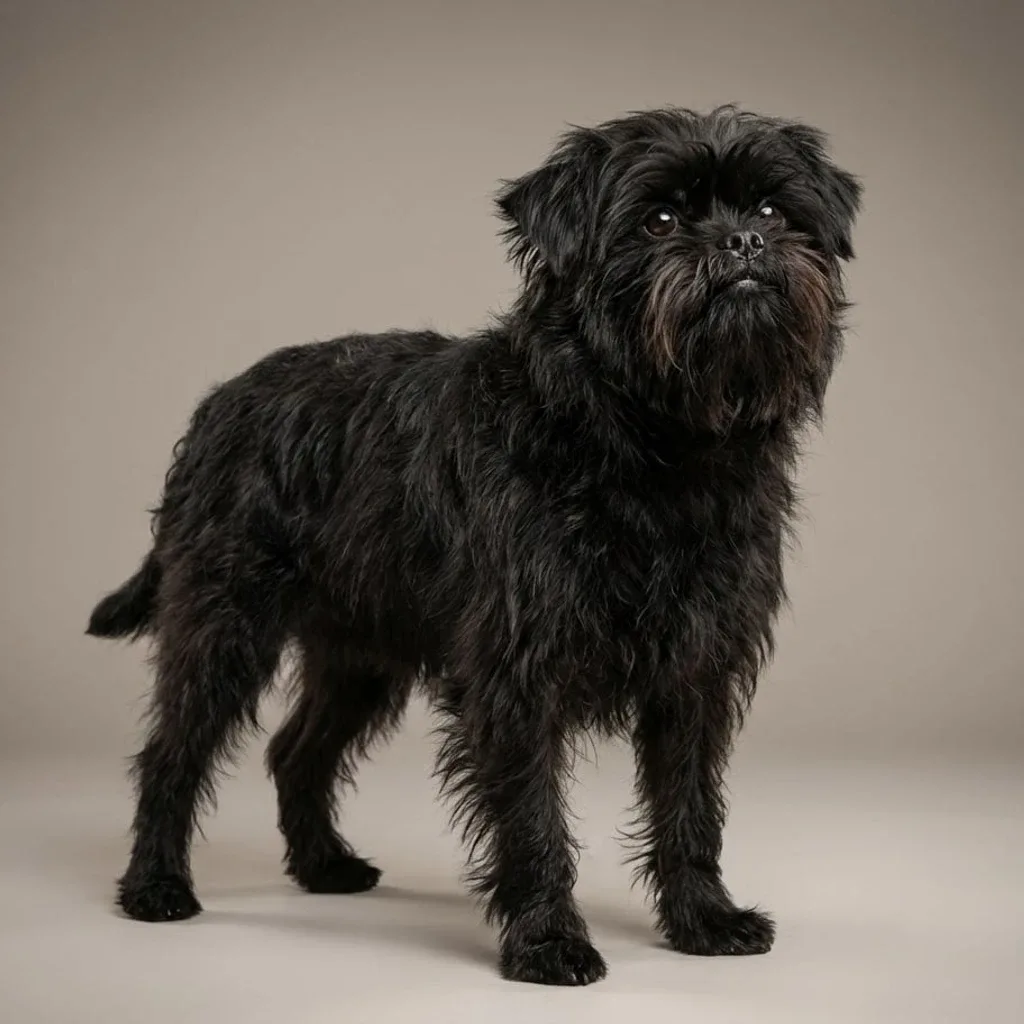
Affenpinscher
The Affenpinscher is a sturdy, monkey-like terrier-type toy breed known for its confidence and playful spirit. Despite its small size, it possesses a courageous heart and a loyal personality, making it a wonderful companion for Kiwi apartment dwellers or those with smaller sections.
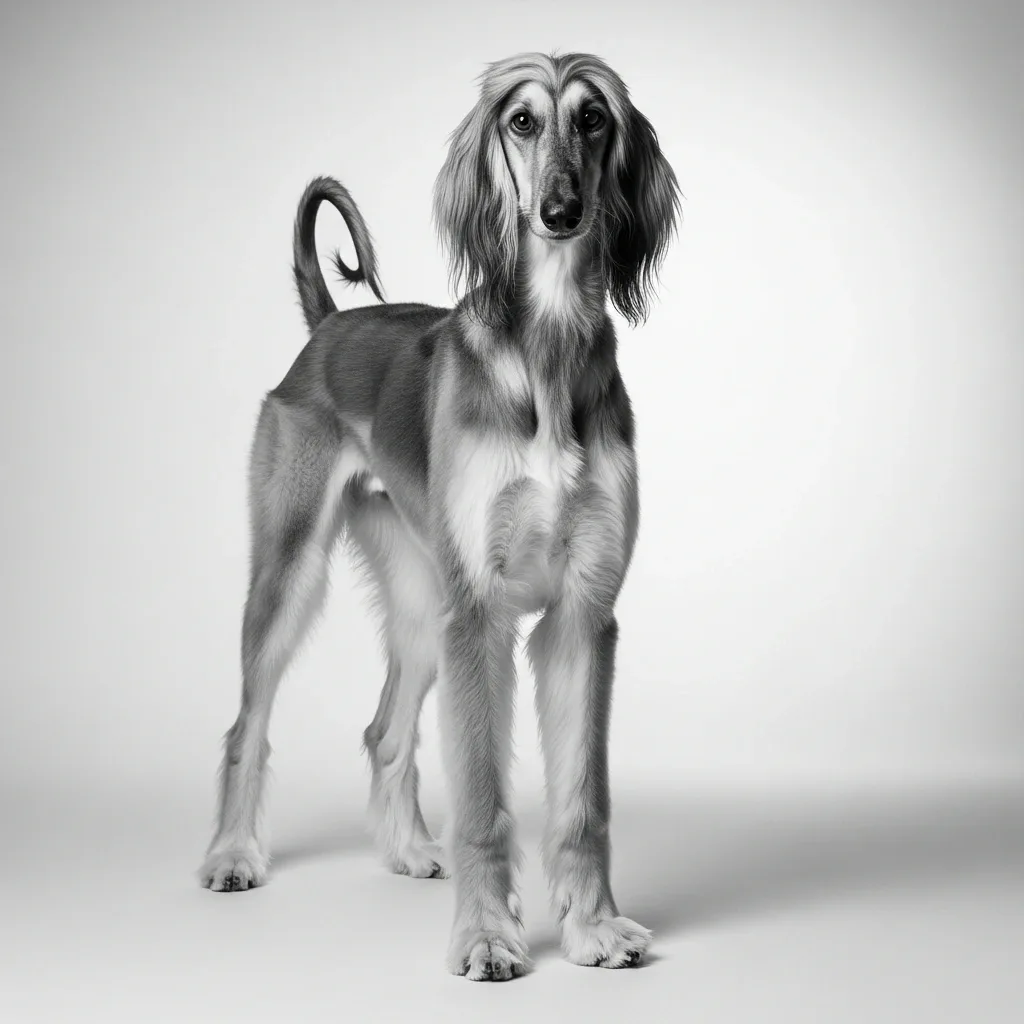
Afghan Hound
The Afghan Hound is an elegant aristocrat with a dignified and aloof personality. Known for its striking, silky coat, this breed is a high-maintenance beauty that requires ample space to run and an owner dedicated to its complex grooming needs.
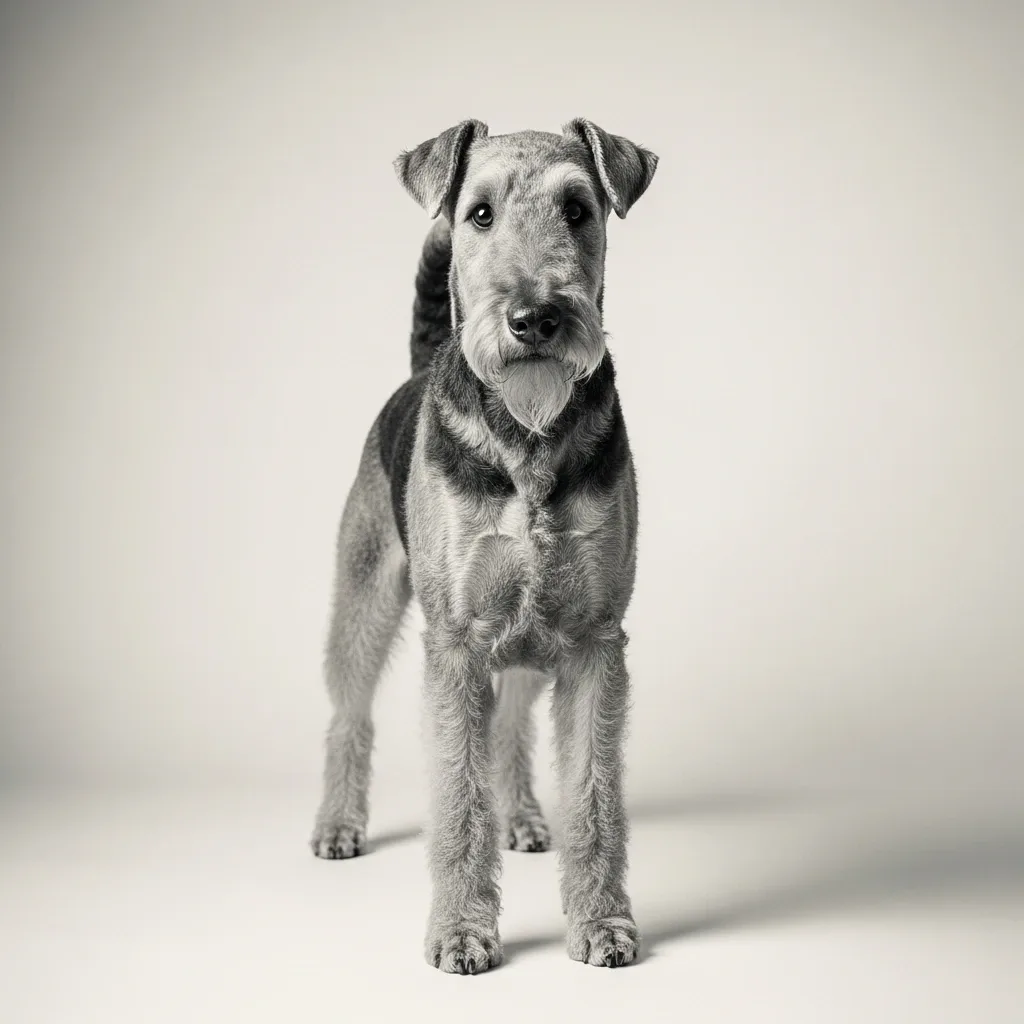
Airedale Terrier
The 'King of Terriers', the Airedale is the largest of all terrier breeds. They are brave, hardworking, and highly intelligent, making them excellent partners for active Kiwi families who love tramping and outdoor adventures.
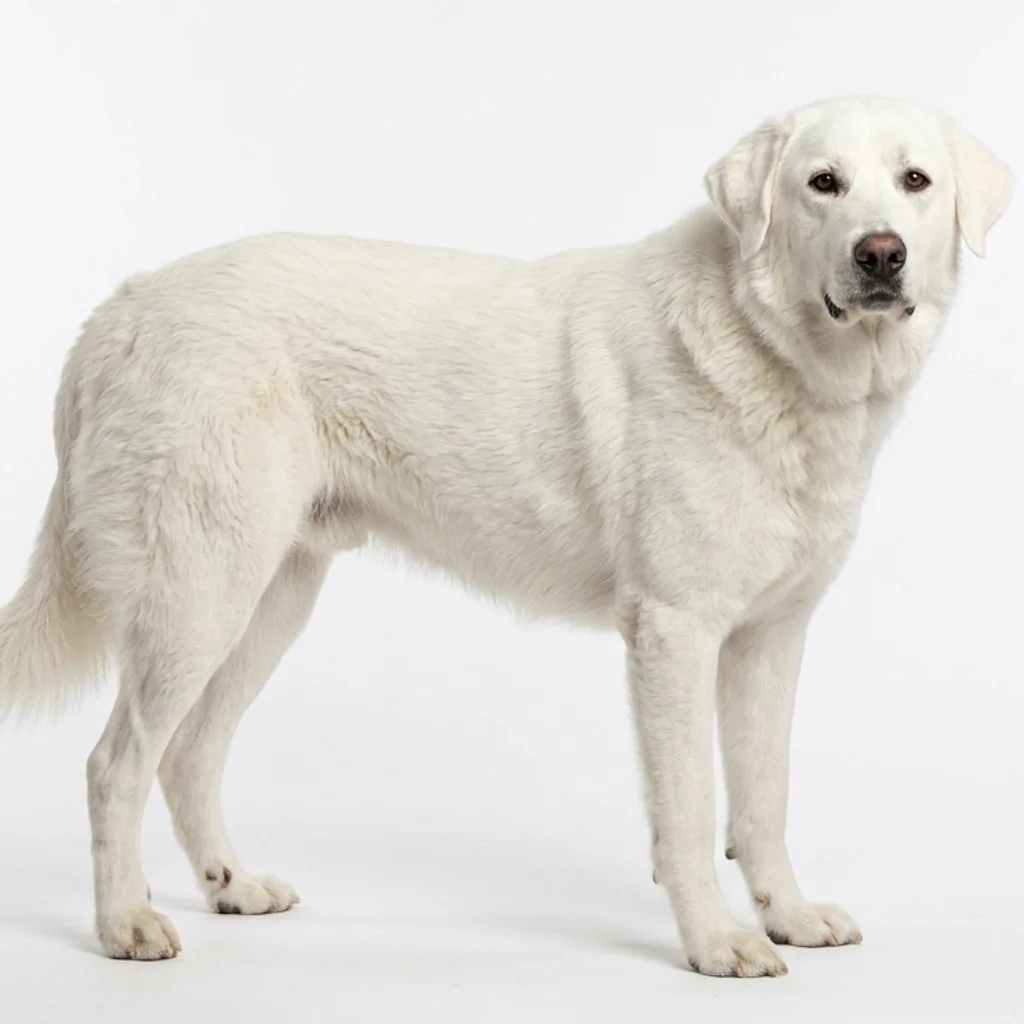
Akbash Dog
Originally a Turkish livestock guardian, the Akbash is a serious, protective, and independent breed. They are not suited for apartment living and thrive on large NZ lifestyle blocks where they can have a 'territory' to watch over.