Dog Breed Guide NZ
Bouvier des Flandres
The Bouvier des Flandres, a powerful and rugged working dog from Belgium, stands out with its distinctive shaggy coat and serious, intelligent expression. Originally bred for herding cattle, this versatile breed excels in various roles from guarding to pulling, showcasing a tireless work ethic and unwavering loyalty. Despite their imposing stature, Bouviers possess a calm and gentle nature, making them devoted family companions. They thrive with active owners who can provide consistent training and ample exercise. For Kiwis with a spacious home, a rural section, or a love for the outdoors, the Bouvier des Flandres can be an exceptional and protective addition to the whānau, perfectly suited to New Zealand's diverse landscapes and active lifestyle.
Photo Gallery
Breed Snapshot
- Size
- 32-50 kg
- Lifespan
- 10-12 years
- Origin
- Being enriched
- Temperament
- Loyal, intelligent, protective, courageous, calm, gentle
- NZ Price
- $2,000 - $4,000 NZD from registered breeders; $150-$350 NZD adoption via SPCA
- Annual Vet Cost
- Estimated annual vet costs for a Bouvier des Flandres in NZ range from $600 - $1,200 NZD, excluding emergency care. This covers vaccinations, regular worming, flea/tick prevention, and annual check-ups. Breed-specific health issues like hip and elbow dysplasia, bloat (gastric torsion), and certain eye conditions can incur significant additional costs. For instance, diagnostic imaging for dysplasia might be $500-$1,000, and surgery could be several thousand. Bloat is a life-threatening emergency requiring immediate veterinary intervention, potentially costing $2,000 - $5,000+. Pet insurance is highly recommended to help manage these potential expenses.
Personality Scores
NZ Lifestyle Fit
The Bouvier des Flandres is a robust breed that thrives in environments offering space and activity. An apartment or flat in Auckland would generally be unsuitable; their size and high energy needs demand more room than urban living typically provides, potentially leading to boredom and destructive behaviours. They are much better suited to a house with a decent, securely fenced section, allowing them indoor-outdoor flow and space to roam. Rural New Zealand farms are an excellent fit, aligning perfectly with their working heritage and providing ample opportunity for exercise and mental stimulation. Regarding climate, their dense double coat offers superb insulation for South Island cold winters, but owners must be mindful of Auckland's humid summers. Ensure access to shade, plenty of fresh water, and avoid strenuous exercise during the hottest parts of the day to prevent overheating. New Zealand's high UV index means their nose and any exposed skin should be protected from sunburn. There are no specific restrictions on the Bouvier des Flandres breed by the Ministry for Primary Industries (MPI) in New Zealand.
Origins & History
Originating from the windswept plains of Flanders, a region spanning parts of Belgium, France, and the Netherlands, the Bouvier des Flandres was initially bred by farmers and cattle drovers. Their name, literally meaning "Cow Herder of Flanders," perfectly encapsulates their historical purpose. These robust dogs were indispensable for herding cattle, pulling carts, and guarding livestock and property. Their formidable strength, intelligence, and protective instincts made them invaluable assets on the farm.
The breed's history is marked by significant challenges, particularly during the World Wars, which devastated their native region. Many Bouviers were lost, and the breed faced near extinction. However, dedicated breeders worked tirelessly to preserve them, often using the dogs for military work, carrying messages, and locating wounded soldiers. This period further solidified their reputation for courage and resilience. Post-war, the Bouvier des Flandres found new roles as police dogs, guard dogs, and loyal family companions, eventually gaining recognition worldwide, including in New Zealand, for their impressive capabilities and steadfast temperament.
Appearance
The Bouvier des Flandres is a substantial and powerful dog, built for endurance and strength. Males typically weigh between 36-50 kg and stand 62-68 cm at the shoulder, while females are slightly smaller, weighing 32-40 kg and standing 59-65 cm. Their most striking feature is their dense, harsh, and shaggy double coat, which provides excellent protection against harsh weather conditions. The coat colours range from fawn to black, often grizzled or salt-and-pepper, and they possess a distinctive beard and moustache, adding to their rugged charm.
Beneath the shaggy exterior lies a muscular and compact body, indicative of their working heritage. They have a broad head, dark, intelligent eyes, and a powerful jaw. Their gait is strong and free, allowing them to cover ground efficiently, whether herding livestock or enjoying a tramp through the New Zealand bush. Their overall appearance conveys an impression of strength, determination, and a serious, watchful nature.
Temperament & Personality
The Bouvier des Flandres is renowned for its loyal, intelligent, and protective temperament. They are courageous and steadfast, making them excellent guardians for their families and property. Despite their imposing presence, Bouviers are typically calm and gentle, especially with children and other pets within their own whānau, provided they are properly socialised from a young age. They form strong bonds with their owners and thrive on being an integral part of family life.
Their intelligence means they are highly trainable, but they also possess an independent and sometimes stubborn streak. This requires a confident, consistent, and patient owner who can establish themselves as the pack leader using positive reinforcement methods. Bouviers are not typically effusive in their affections but show their devotion through their constant presence and watchful eye. They can be reserved with strangers, a trait that makes them effective protectors, but early and ongoing socialisation is key to ensuring they are well-adjusted and polite members of society.
Life in New Zealand
For many active Kiwis, the Bouvier des Flandres can be a fantastic companion. Their robust build and weather-resistant coat make them well-suited to New Zealand's varied climate, from the crisp South Island winters to the more temperate North Island. They thrive on having a job to do or plenty of engaging activity, which aligns well with the outdoor-focused New Zealand lifestyle. Whether it's long walks on the beach, exploring local reserves, or even participating in dog sports like agility or obedience, a Bouvier will relish the opportunity to be active alongside their owner.
Due to their size and exercise requirements, Bouviers are best suited to homes with a decent-sized, securely fenced section or, ideally, a rural property where they can truly stretch their legs and fulfil their natural instincts. Their protective nature makes them excellent property guardians, a valuable trait for those living on larger blocks or farms. They are not typically suited for apartment or flat living in bustling cities like Auckland, as they need space to move and regular mental stimulation to prevent boredom and destructive behaviours.
Is This the Right Breed for You?
Bringing a Bouvier des Flandres into your home is a significant commitment, but for the right owner, it's an incredibly rewarding experience. This breed requires an owner who understands and appreciates their working dog heritage and is prepared to meet their needs for exercise, training, and grooming. They thrive on structure and consistency, responding best to a firm yet fair hand.
Ideal owners are active, experienced dog handlers who can provide early and ongoing socialisation and training. They need a home with ample space, preferably a large section or rural environment, where they can expend their considerable energy. If you're looking for a loyal, protective, and intelligent companion who will be a dedicated member of your whānau, and you're prepared for the responsibilities that come with a large, powerful dog, then the Bouvier des Flandres could be your perfect match in Aotearoa.
Fun Facts
Fact 1
The Bouvier des Flandres was originally known as 'Koehond' (cow dog) or 'Vuilbaard' (dirty beard) due to their shaggy appearance and work with cattle.
Fact 2
During World War I, the breed was nearly wiped out, but dedicated breeders and soldiers helped save them, often using them as ambulance dogs and messengers.
Fact 3
Their distinctive beard and moustache help protect their faces from dirt and debris while working in the fields.
Fact 4
Despite their rugged appearance, many Bouviers are known for their calm and gentle nature, particularly with children, earning them the nickname 'gentle giants'.
Fact 5
The Bouvier des Flandres is the official dog of the Belgian police and military, a testament to their intelligence, strength, and trainability.
Related Breeds
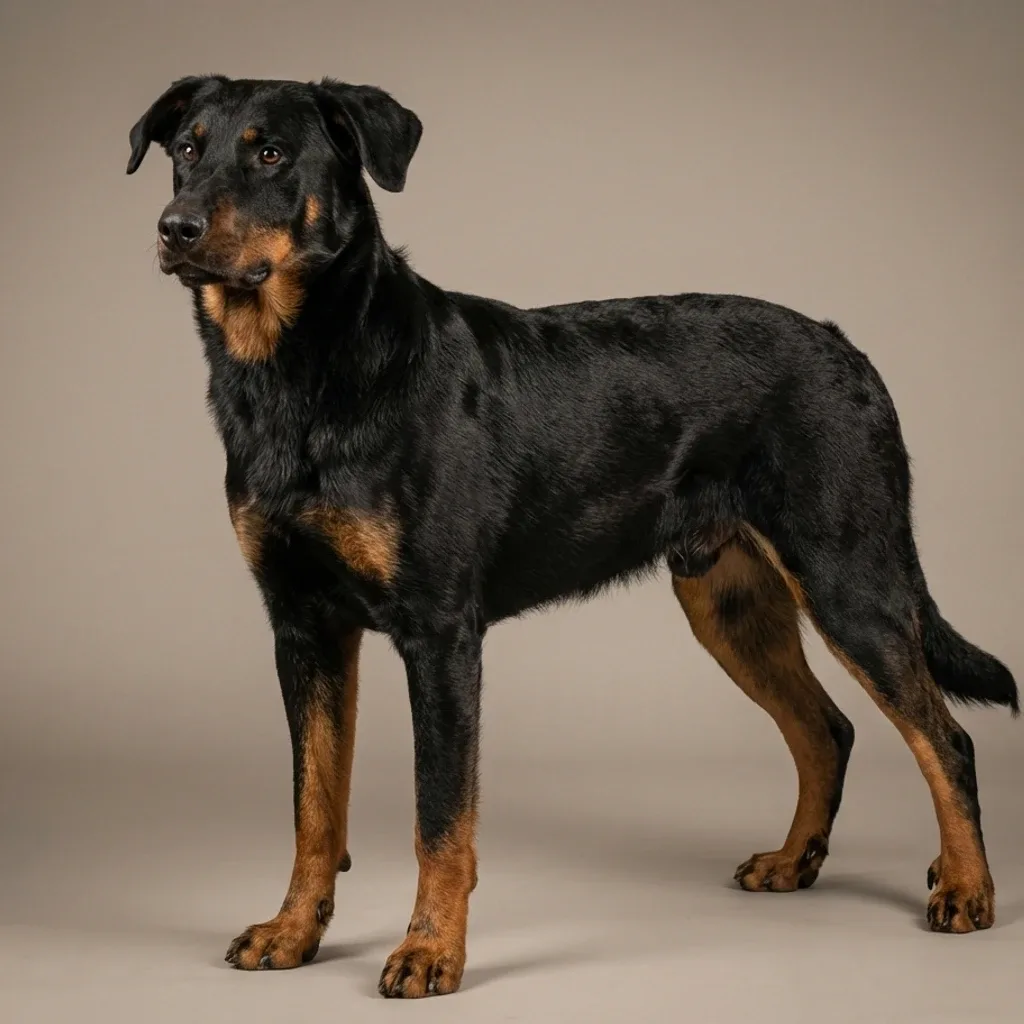
Beauceron
A large, powerful French herding dog with a self-assured and protective nature. The Beauceron is intelligent and versatile, used for both herding and guardian work. They require a confident owner and plenty of space.
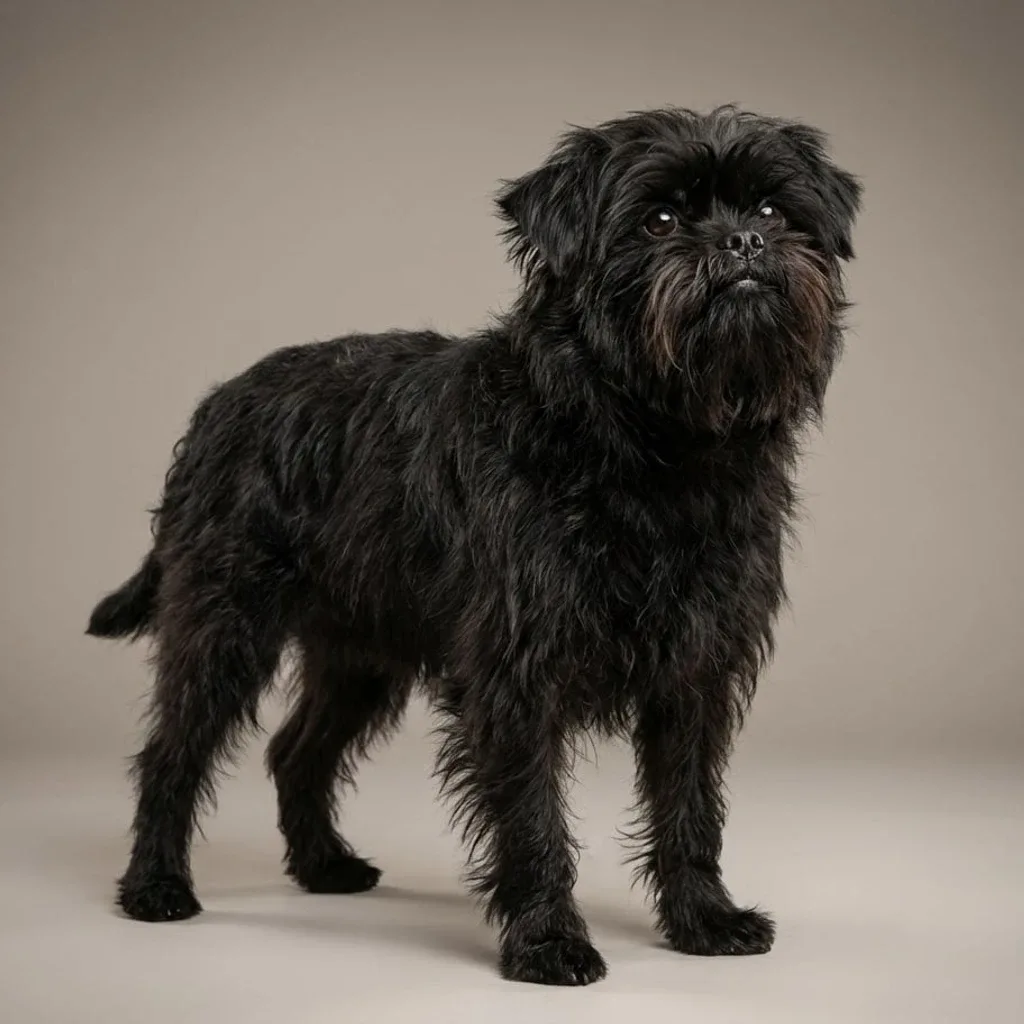
Affenpinscher
The Affenpinscher is a sturdy, monkey-like terrier-type toy breed known for its confidence and playful spirit. Despite its small size, it possesses a courageous heart and a loyal personality, making it a wonderful companion for Kiwi apartment dwellers or those with smaller sections.
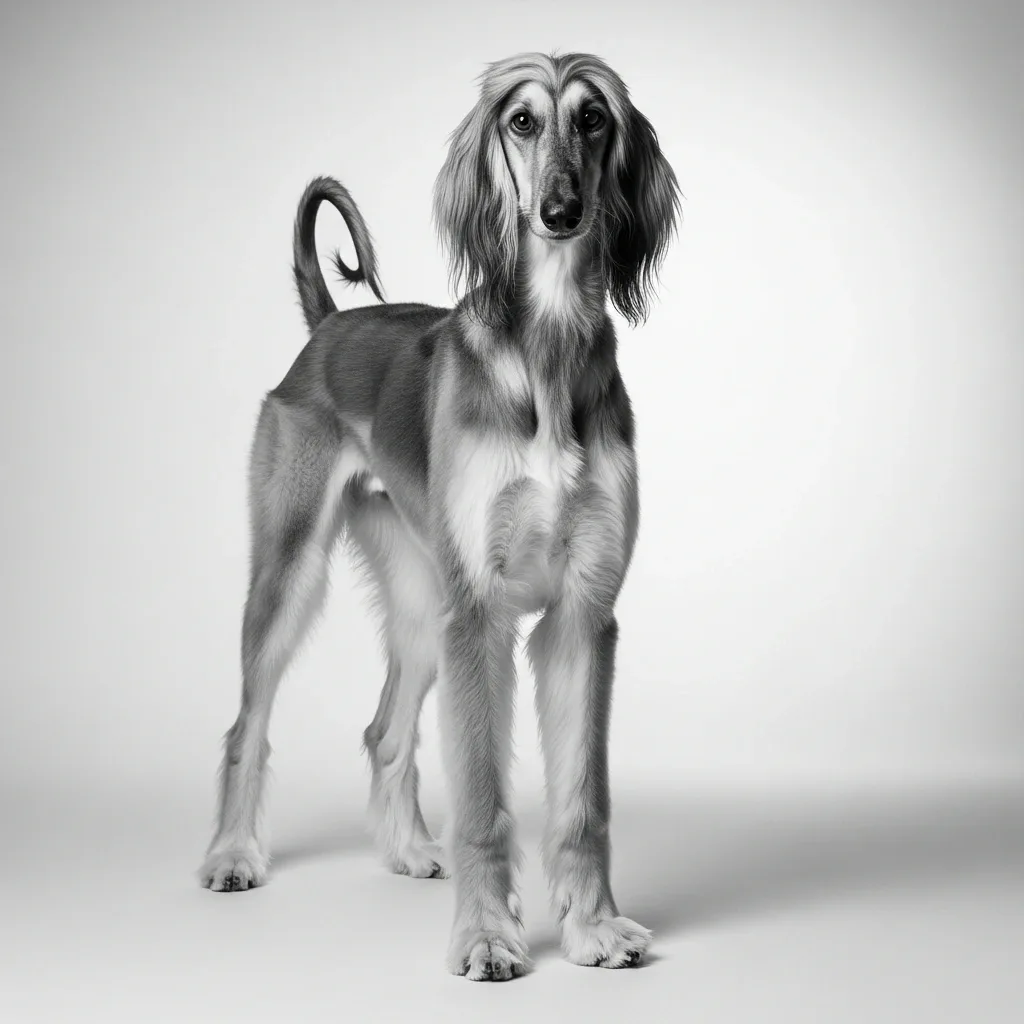
Afghan Hound
The Afghan Hound is an elegant aristocrat with a dignified and aloof personality. Known for its striking, silky coat, this breed is a high-maintenance beauty that requires ample space to run and an owner dedicated to its complex grooming needs.
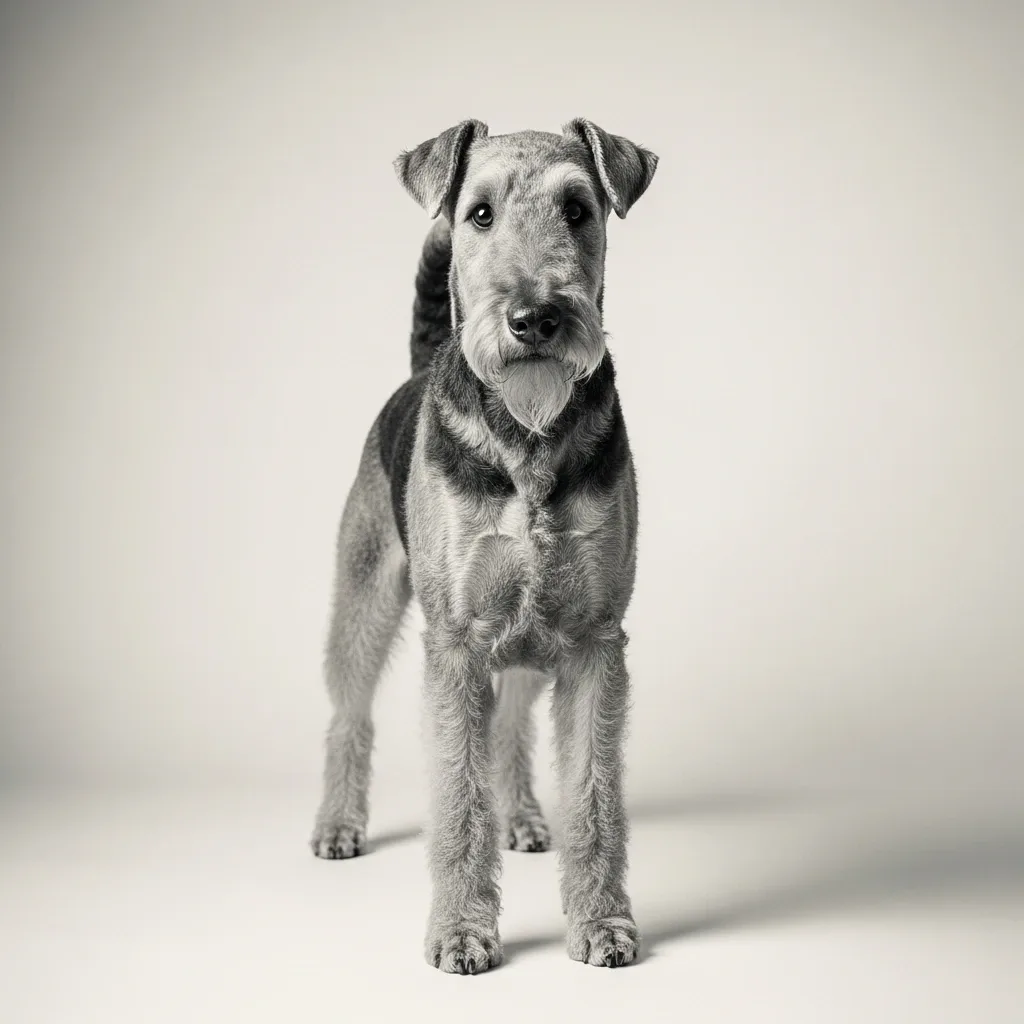
Airedale Terrier
The 'King of Terriers', the Airedale is the largest of all terrier breeds. They are brave, hardworking, and highly intelligent, making them excellent partners for active Kiwi families who love tramping and outdoor adventures.