Dog Breed Guide NZ
Beauceron
The Beauceron, a striking and powerful French herding dog, stands out with its intelligent gaze and distinctive double dewclaws. Known for its self-assured and protective nature, this versatile breed excels in both herding and guardian roles. Beaucerons are incredibly loyal to their families, displaying a courageous and confident demeanour that requires a similarly confident and experienced owner. Their sharp minds and high energy levels mean they thrive on purpose and consistent training. For active Kiwi families or those with a spacious property, a well-socialised Beauceron can be a magnificent and devoted companion, perfectly suited to New Zealand's outdoor lifestyle, provided their needs for exercise and mental stimulation are met.
Photo Gallery
Breed Snapshot
- Size
- 32-50 kg
- Lifespan
- 10-12 years
- Origin
- Being enriched
- Temperament
- Intelligent, loyal, protective, courageous, confident
- NZ Price
- $1,800 - $3,500 NZD from registered breeders; $150-$350 NZD adoption via SPCA
- Annual Vet Cost
- Estimated annual vet costs for a Beauceron in NZ typically range from $600 - $1,200 NZD. This includes routine check-ups, vaccinations, flea and worm treatments (which are essential year-round in NZ), and general health maintenance. However, Beaucerons are prone to certain breed-specific health issues such as hip and elbow dysplasia, bloat (gastric dilatation-volvulus), and certain eye conditions. Should these issues arise, diagnostic tests, medications, or surgical interventions could significantly increase annual costs, potentially adding several thousands of dollars for a single major event.
Personality Scores
NZ Lifestyle Fit
The Beauceron's suitability for life in New Zealand largely depends on the owner's lifestyle and living situation. An apartment in Auckland, or any urban flat, is generally unsuitable due to their large size, high energy levels, and need for space. They thrive in homes with a large, securely fenced section where they can run and play. Rural New Zealand farms are an ideal environment, allowing them to utilise their natural herding and guarding instincts, provided they are given appropriate training and tasks. Regarding climate, Beaucerons are adaptable. Their dense double coat offers protection against South Island's cold winters, but they will still need adequate shelter. Auckland's humid summers and New Zealand's high UV levels mean owners must ensure constant access to shade and fresh water, especially during peak heat. Sun protection for their noses and ears is also important for dogs spending significant time outdoors. There are no specific MPI (Ministry for Primary Industries) restrictions on owning Beaucerons in New Zealand, but responsible ownership, including secure containment and proper training, is always expected.
Origins & History
The Beauceron, often referred to as the 'Berger de Beauce' or 'Bas Rouge' (red stockings), is an ancient French herding breed with a rich history dating back to the 16th century. Originating from the plains region of La Beauce, southwest of Paris, these dogs were primarily developed to herd and guard large flocks of sheep and cattle. Unlike many breeds that were refined for specific aesthetics, the Beauceron was bred purely for its working ability, resulting in a robust, intelligent, and fearless companion. Their exceptional versatility meant they were also employed by the French military and police, particularly during both World Wars, serving as messengers, mine detectors, and search and rescue dogs. Despite their long history, they remained relatively unknown outside of France until recent decades, slowly gaining recognition for their impressive capabilities and loyal nature.
Appearance
The Beauceron is a large, well-muscled, and powerful dog with a noble and imposing presence. Males typically stand between 65-70 cm at the shoulder, while females range from 61-68 cm, with weights between 32-50 kg. They possess a short, dense double coat, which is typically black and tan (harlequin is also accepted, featuring patches of grey). The tan markings are often referred to as 'red stockings' due to their placement on the legs. A defining characteristic of the breed is the presence of double dewclaws on each hind leg, a trait specifically mentioned in the breed standard. Their eyes are dark and intelligent, and their ears are traditionally cropped in some countries, though this practice is illegal in New Zealand. Uncropped ears are medium-sized and lie flat against the head.
Temperament & Personality
Intelligent, loyal, protective, courageous, and confident – these words perfectly describe the Beauceron's temperament. They are highly intelligent and eager to please, making them capable of learning complex commands and tasks. However, their strong will and self-assured nature mean they require a firm, consistent, and experienced owner who can provide clear leadership. Beaucerons form deep bonds with their families and are fiercely protective, making them excellent guardians. They are naturally reserved with strangers, observing new people with a watchful eye rather than immediate friendliness. Early and extensive socialisation is paramount to ensure they grow into well-adjusted adults, comfortable and confident in various situations. Without proper training and mental stimulation, their intelligence and energy can lead to destructive behaviours.
Life in New Zealand
For a Beauceron to thrive in New Zealand, an owner must be prepared for their significant needs. These dogs are not suited to apartment living or small urban sections; they require ample space, ideally a large, securely fenced section or a rural property where they can exercise and fulfil their working instincts. Their dense coat provides good insulation against cooler South Island winters, but owners must be mindful of Auckland's humid summers and New Zealand's high UV levels, ensuring access to shade and fresh water. Beaucerons excel in dog sports like agility, obedience, and tracking, which are readily available through various clubs across the country. Their protective nature makes them excellent watchdogs for Kiwi homes, but responsible ownership, including early socialisation and consistent training, is crucial to ensure they are good canine citizens in our communities and around other pets or people in public spaces like beaches and reserves.
Is This the Right Breed for You?
The Beauceron is not a breed for first-time dog owners or those seeking a low-maintenance companion. They demand a significant commitment of time, energy, and expertise. The ideal owner is confident, experienced with large, strong-willed breeds, and dedicated to consistent training and socialisation from puppyhood. They need an active lifestyle and a home environment that provides plenty of physical exercise and mental stimulation. If you are looking for a highly intelligent, loyal, and protective partner for tramping, dog sports, or as a guardian for your family and property, and you have the experience and dedication to meet their needs, then a Beauceron could be an incredibly rewarding addition to your New Zealand home. However, if you prefer a more laid-back dog or have limited time for training and exercise, this powerful breed may not be the best fit.
Fun Facts
Fact 1
Beaucerons are one of the few breeds that possess distinctive double dewclaws on each hind leg, a specific requirement in their breed standard.
Fact 2
They are often referred to as 'Bas Rouge' in France, which translates to 'red stockings,' due to the tan markings on their lower legs.
Fact 3
During World War I and II, Beaucerons were extensively used by the French military as messengers, supply carriers, landmine detectors, and search and rescue dogs.
Fact 4
Despite their ancient origins, the Beauceron remained largely unknown outside of France until the latter half of the 20th century.
Fact 5
The Beauceron is sometimes mistaken for a Rottweiler or a Doberman Pinscher due to its similar black and tan colouring, but it is a distinct and much older breed.
Related Breeds
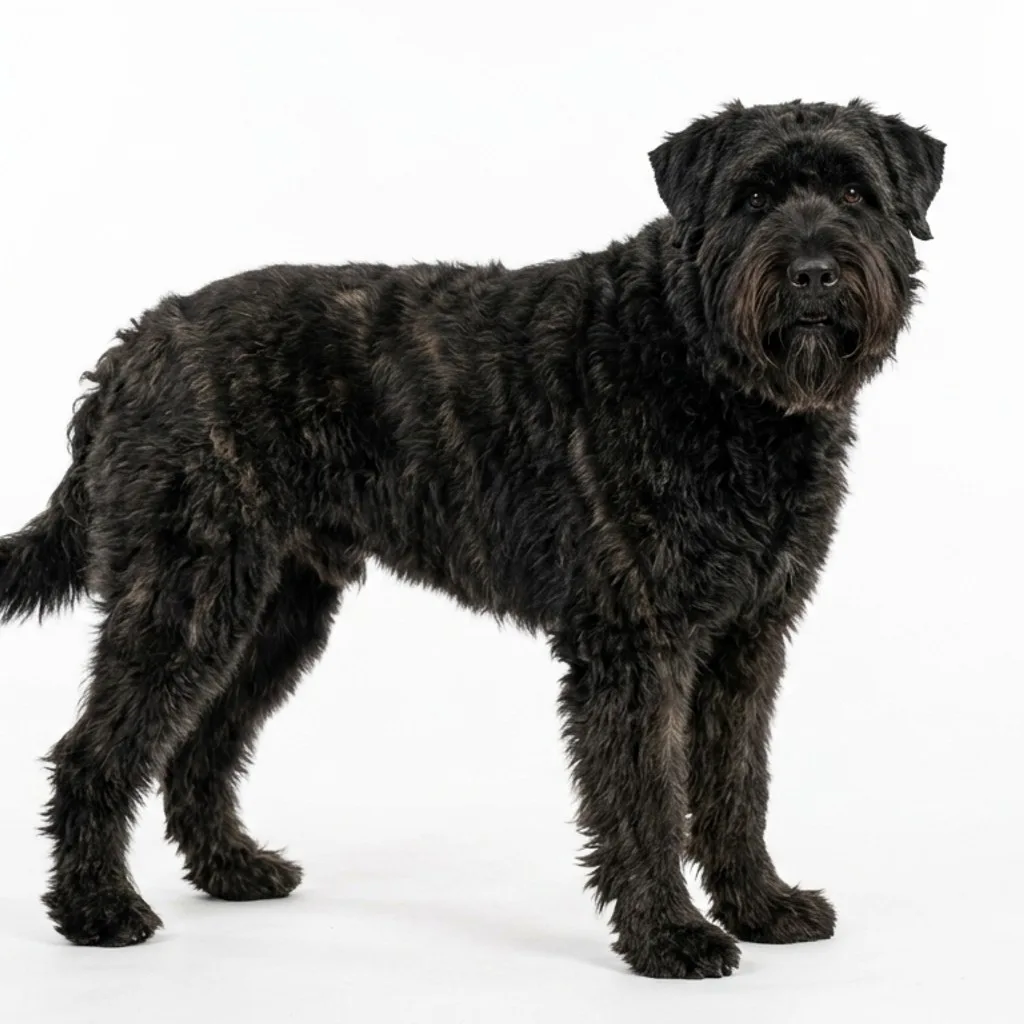
Bouvier des Flandres
A powerful, rugged herding dog from Belgium, the Bouvier is known for its tireless work ethic and serious temperament. They are versatile, capable of herding, guarding, and pulling, making them excellent partners for active owners.
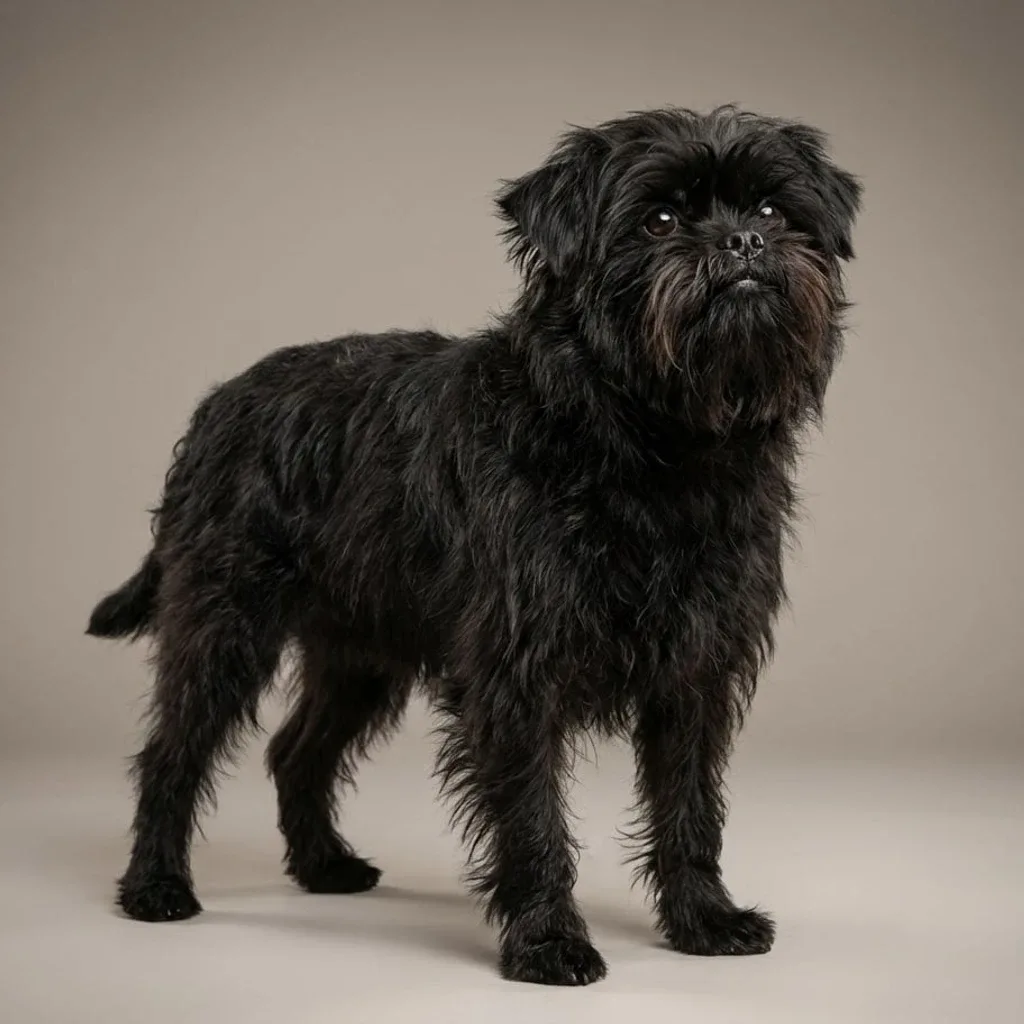
Affenpinscher
The Affenpinscher is a sturdy, monkey-like terrier-type toy breed known for its confidence and playful spirit. Despite its small size, it possesses a courageous heart and a loyal personality, making it a wonderful companion for Kiwi apartment dwellers or those with smaller sections.
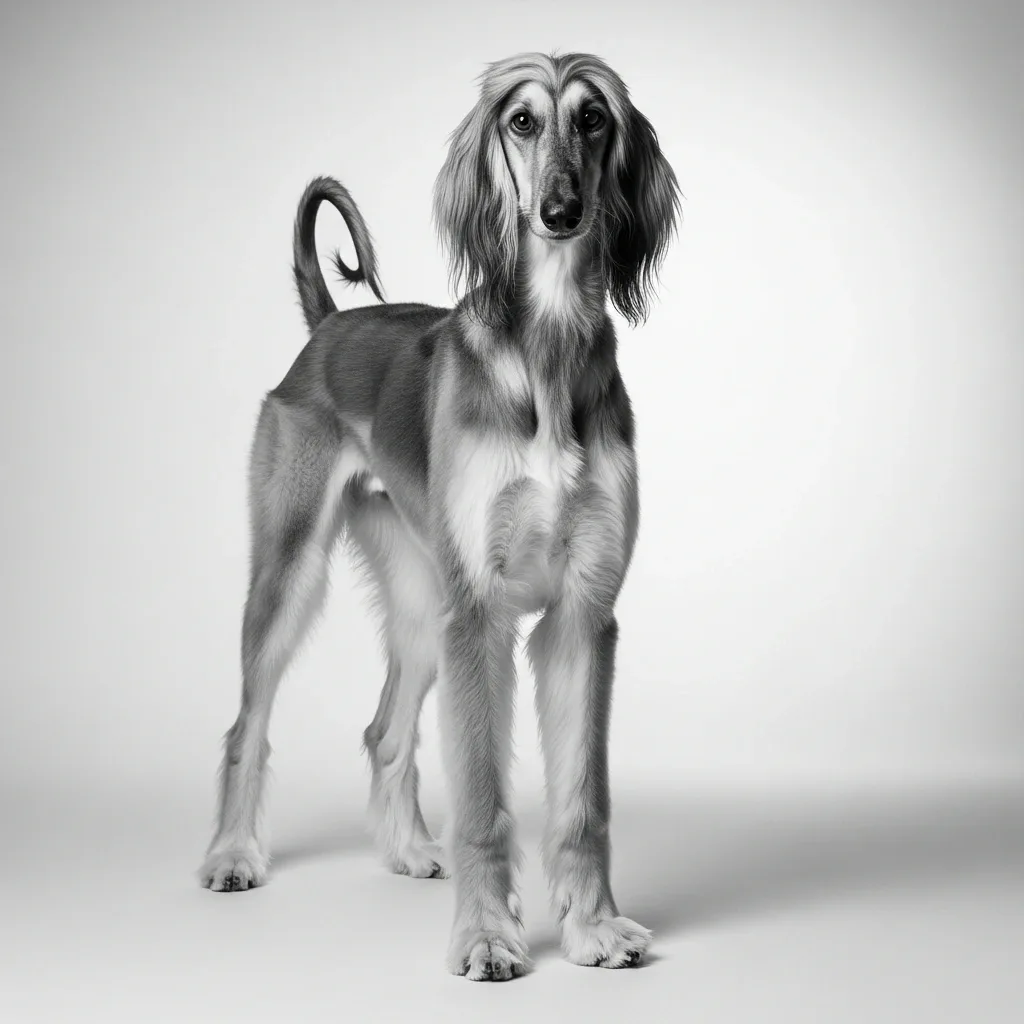
Afghan Hound
The Afghan Hound is an elegant aristocrat with a dignified and aloof personality. Known for its striking, silky coat, this breed is a high-maintenance beauty that requires ample space to run and an owner dedicated to its complex grooming needs.
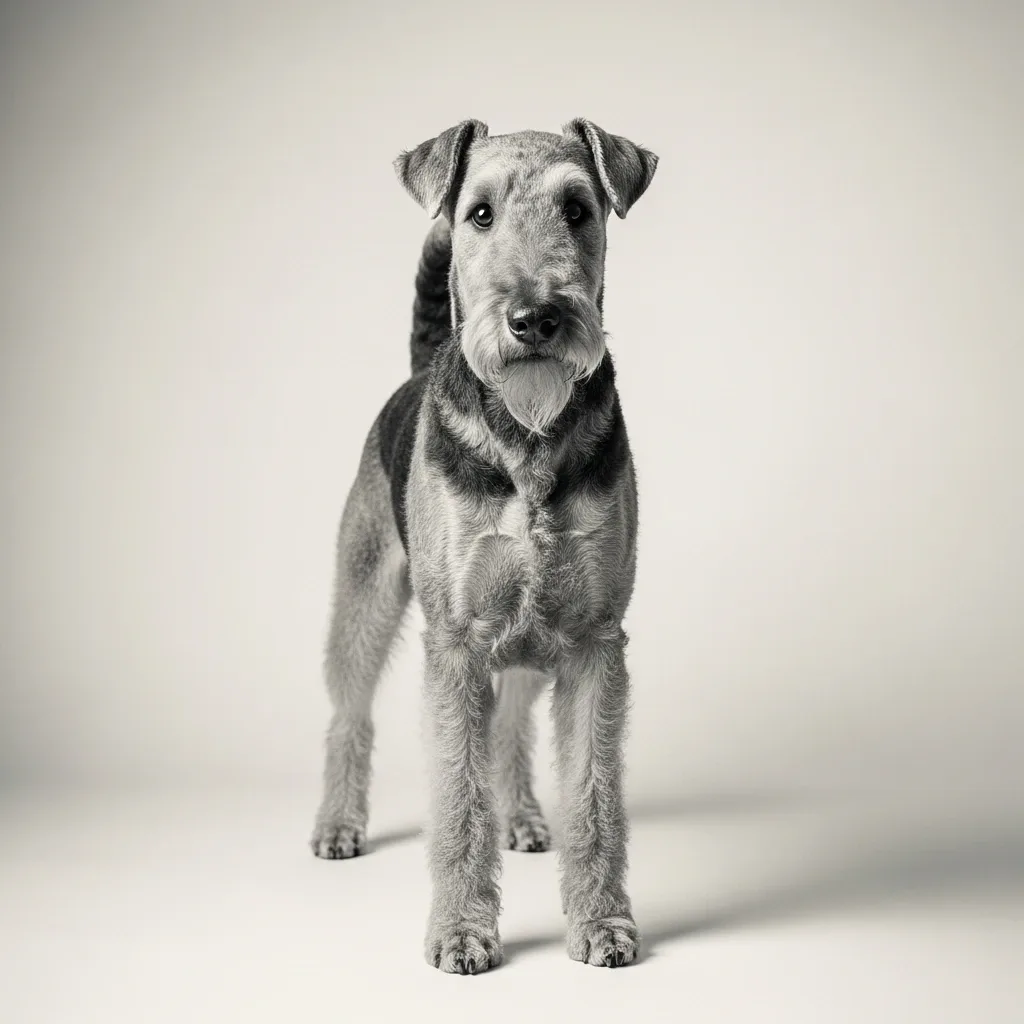
Airedale Terrier
The 'King of Terriers', the Airedale is the largest of all terrier breeds. They are brave, hardworking, and highly intelligent, making them excellent partners for active Kiwi families who love tramping and outdoor adventures.