Dog Breed Guide NZ
Boston Terrier
Known affectionately as the 'American Gentleman,' the Boston Terrier is a charming, intelligent, and lively small breed that brings immense joy to any household. With their distinctive 'tuxedo' markings and expressive eyes, they are as dapper as they are delightful. These adaptable companions thrive in various living situations, making them an excellent choice for Kiwis seeking a loyal friend. Whether you're in an Auckland townhouse, a Wellington flat, or a suburban home with a small section, a Boston Terrier seamlessly integrates into the New Zealand lifestyle, offering endless affection and playful antics. Their compact size and moderate exercise needs mean they're well-suited to urban environments, fitting perfectly into the bustling rhythm of city life across Aotearoa.
Photo Gallery
Breed Snapshot
- Size
- 5-11 kg
- Lifespan
- 11-13 years
- Origin
- Being enriched
- Temperament
- Friendly, intelligent, outgoing, playful
- NZ Price
- $1,500 - $3,500 NZD from registered breeders; $150-$350 NZD adoption via SPCA
- Annual Vet Cost
- Estimated annual vet costs for a Boston Terrier in NZ typically range from $600 - $1,000 NZD. This includes routine check-ups, vaccinations, flea/worm treatments, and pet insurance premiums. However, due to their breed-specific health issues, costs can be higher. Boston Terriers are prone to Brachycephalic Obstructive Airway Syndrome (BOAS), which may require surgical intervention costing several thousands. Other common issues include eye conditions (e.g., cataracts, glaucoma), patellar luxation, and sometimes deafness, all of which can incur significant specialist vet fees. Regular dental care is also crucial.
Personality Scores
NZ Lifestyle Fit
The Boston Terrier's adaptable nature makes them highly suitable for various New Zealand living arrangements. They excel in apartment living, making them perfect companions for flats in bustling cities like Auckland or Wellington. Their moderate exercise needs are easily met with daily walks, eliminating the need for a large section. For homes with a small section, they'll happily enjoy supervised outdoor play. Rural NZ farm life is generally less ideal; while they are adaptable, they are not working dogs and their brachycephalic nature makes them sensitive to extreme weather and rough terrain. Owners must be vigilant about New Zealand's climate: Auckland's humid summers can pose a heatstroke risk due to their short snouts, requiring indoor cooling. Conversely, South Island's cold winters necessitate warm coats for outdoor excursions. High UV levels also mean sun protection is wise for their short coats. MPI (Ministry for Primary Industries) has no specific restrictions on owning Boston Terriers in New Zealand, making them a straightforward choice for pet ownership.
Origins & History
The Boston Terrier's story begins in the late 19th century in Boston, Massachusetts, USA. They are one of the few dog breeds to have originated in the United States. The breed's foundation can be traced back to a single dog named Judge, a cross between an English Bulldog and a white English Terrier (now extinct). Judge was then bred with a smaller, white female, and their offspring became the progenitors of what would eventually be recognised as the Boston Terrier. Initially, these dogs were larger and used in pit fighting, but over time, selective breeding focused on developing a smaller, more companionable dog with a distinctive appearance. They were first recognised by the American Kennel Club in 1893, making them one of the earliest American breeds to be officially acknowledged. Their gentle nature and refined appearance quickly earned them the nickname 'The American Gentleman,' a moniker that perfectly encapsulates their charming demeanour.
Appearance
Boston Terriers are compact, well-muscled dogs with a distinctive, dapper appearance. They typically weigh between 5 and 11 kg, making them a small to medium-sized breed. Their most striking feature is their short, smooth coat, which comes in brindle, seal, or black, all with crisp white markings that often resemble a tuxedo – a white muzzle, blaze, chest, and often part of the legs. They have a square-shaped head, a short muzzle, and large, round, dark eyes that convey an intelligent and friendly expression. Their ears are naturally erect and often cropped in some regions, though in New Zealand, natural ears are common and preferred. Their tail is naturally short, either straight or corkscrew-shaped. Their agile and graceful gait adds to their overall elegant presentation.
Temperament & Personality
The Boston Terrier truly lives up to its 'American Gentleman' reputation. They are renowned for their friendly, intelligent, and outgoing personalities. These dogs are highly affectionate and thrive on human companionship, often forming strong bonds with their families. Their playful nature makes them excellent companions for children, provided the children are taught to interact gently. Boston Terriers are also generally good with other pets, especially when socialised from a young age. They possess a keen intelligence, making them relatively easy to train, though they can have a stubborn streak. Their lively spirit means they enjoy games and interaction, but they are also content to cuddle up on the couch. They are known for their expressive faces and comical antics, often bringing laughter and joy to their homes.
Life in New Zealand
Boston Terriers are exceptionally well-suited to life in New Zealand. Their adaptable nature means they can thrive in various Kiwi living situations, from inner-city flats in Auckland or Wellington to suburban homes with a small section. Their moderate exercise needs are easily met with daily walks around local parks, along footpaths, or short stints at dog-friendly beaches (always check local council bylaws). They are not built for strenuous tramping or long runs, especially in warmer weather, due to their brachycephalic (short-nosed) structure. Their compact size makes them ideal travel companions for bach holidays or road trips across the North and South Islands. However, owners must be mindful of New Zealand's climate extremes – protecting them from Auckland's humid summers and the South Island's colder winters, as their short coats and brachycephalic traits make them sensitive to temperature fluctuations. They are generally well-behaved indoors, making them a joy to share a home with.
Is This the Right Breed for You?
The Boston Terrier is an excellent choice for individuals or families seeking an affectionate, intelligent, and relatively low-maintenance companion. They are ideal for first-time dog owners due to their trainability and eager-to-please nature. Their adaptability makes them suitable for urban dwellers, retirees, or families with children. However, potential owners must be prepared for their brachycephalic health considerations, which require careful management, especially regarding heat and exercise. They thrive on companionship and do not do well when left alone for extended periods, making them best suited for homes where someone is usually present or where they can join in daily activities. If you're looking for a charming, devoted, and entertaining canine friend to share your Kiwi lifestyle, the Boston Terrier might just be your perfect match.
Fun Facts
Fact 1
Boston Terriers are one of the few dog breeds to have originated in the United States, specifically in Boston, Massachusetts.
Fact 2
They are affectionately known as 'The American Gentleman' due to their dapper 'tuxedo' markings and polite demeanour.
Fact 3
The Boston Terrier was originally bred for pit fighting but was quickly refined into a gentle companion dog.
Fact 4
Their distinctive short, corkscrew tail is a natural trait and not docked.
Fact 5
Boston Terriers are known for their expressive faces and often make comical 'snorting' sounds.
Related Breeds
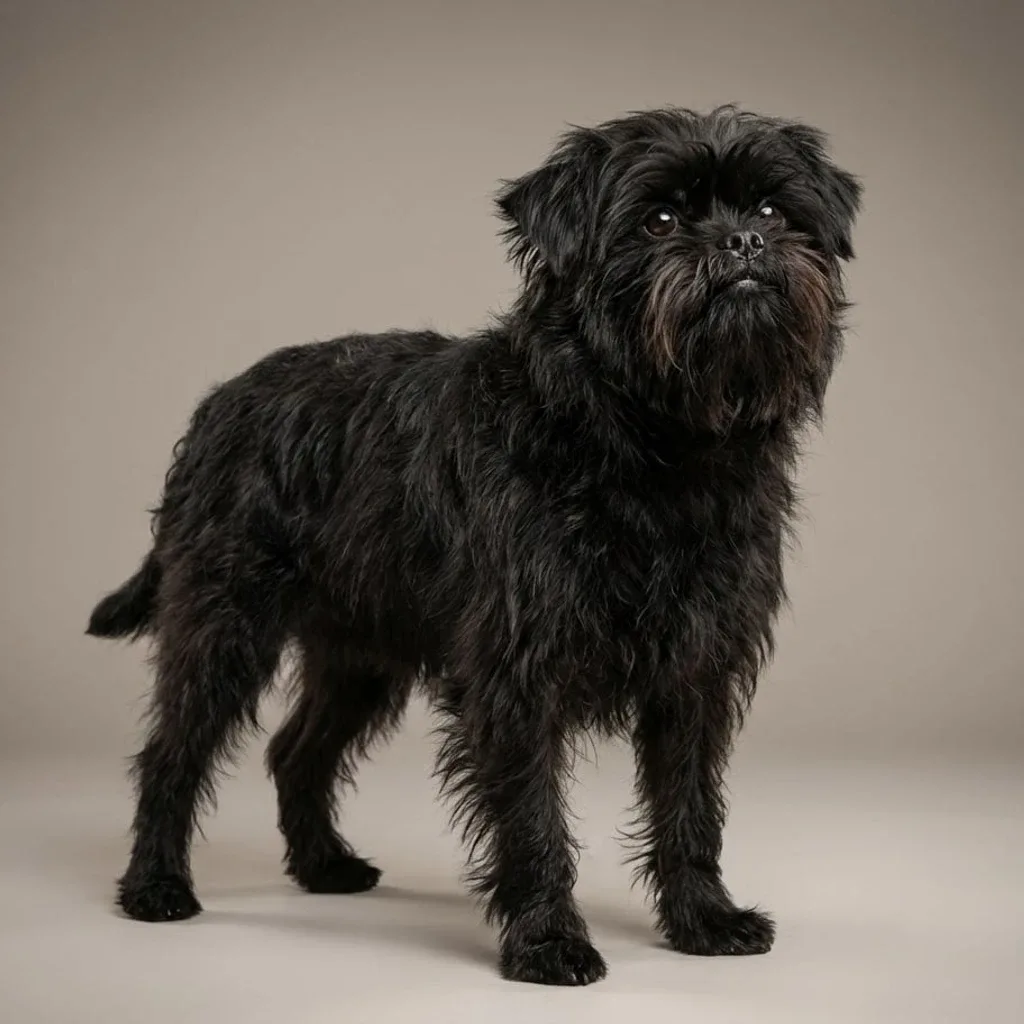
Affenpinscher
The Affenpinscher is a sturdy, monkey-like terrier-type toy breed known for its confidence and playful spirit. Despite its small size, it possesses a courageous heart and a loyal personality, making it a wonderful companion for Kiwi apartment dwellers or those with smaller sections.
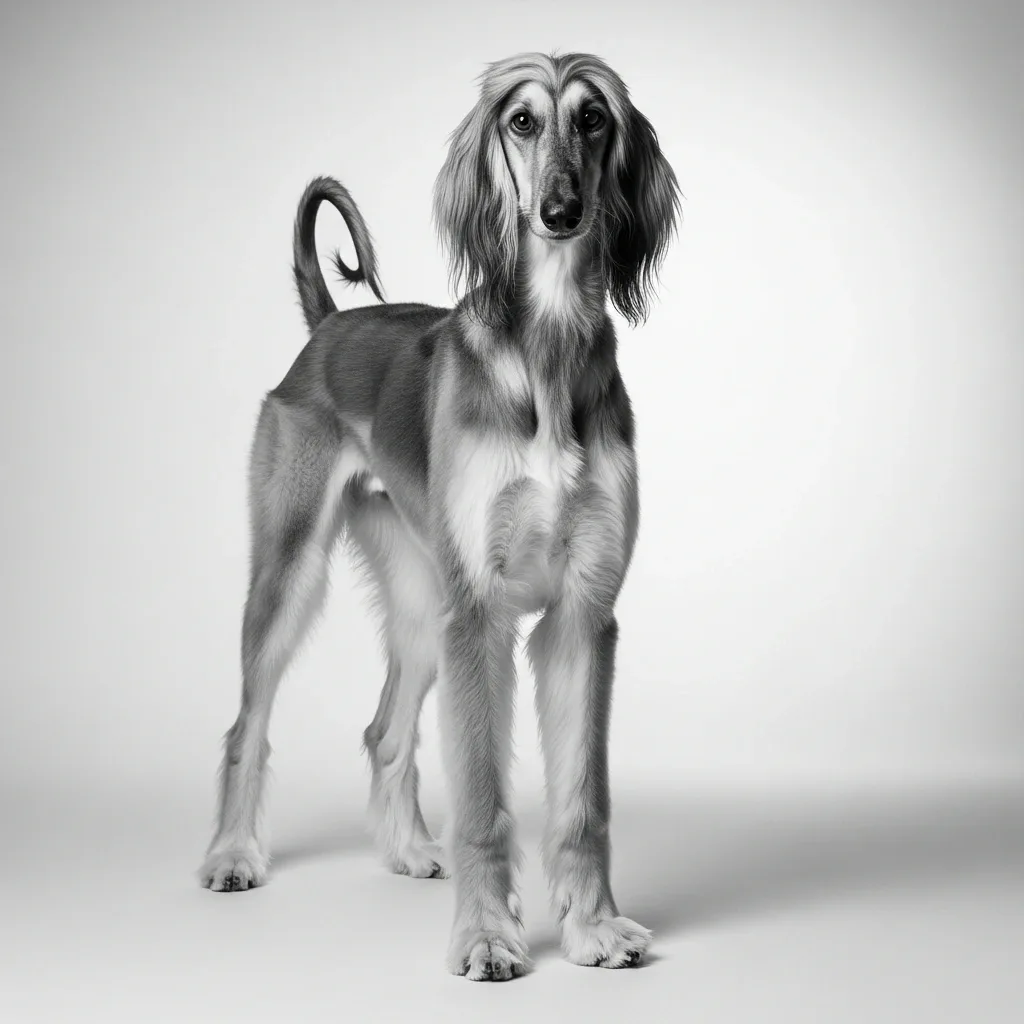
Afghan Hound
The Afghan Hound is an elegant aristocrat with a dignified and aloof personality. Known for its striking, silky coat, this breed is a high-maintenance beauty that requires ample space to run and an owner dedicated to its complex grooming needs.
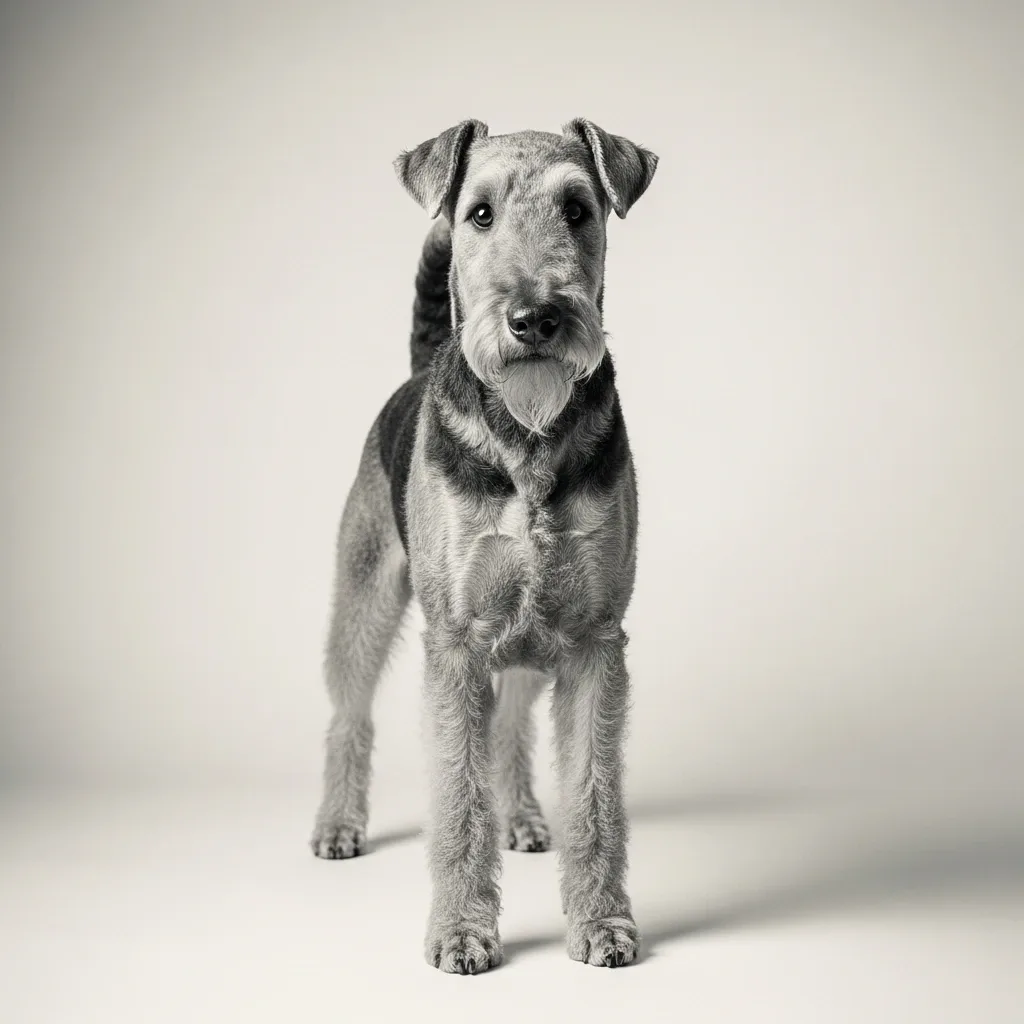
Airedale Terrier
The 'King of Terriers', the Airedale is the largest of all terrier breeds. They are brave, hardworking, and highly intelligent, making them excellent partners for active Kiwi families who love tramping and outdoor adventures.
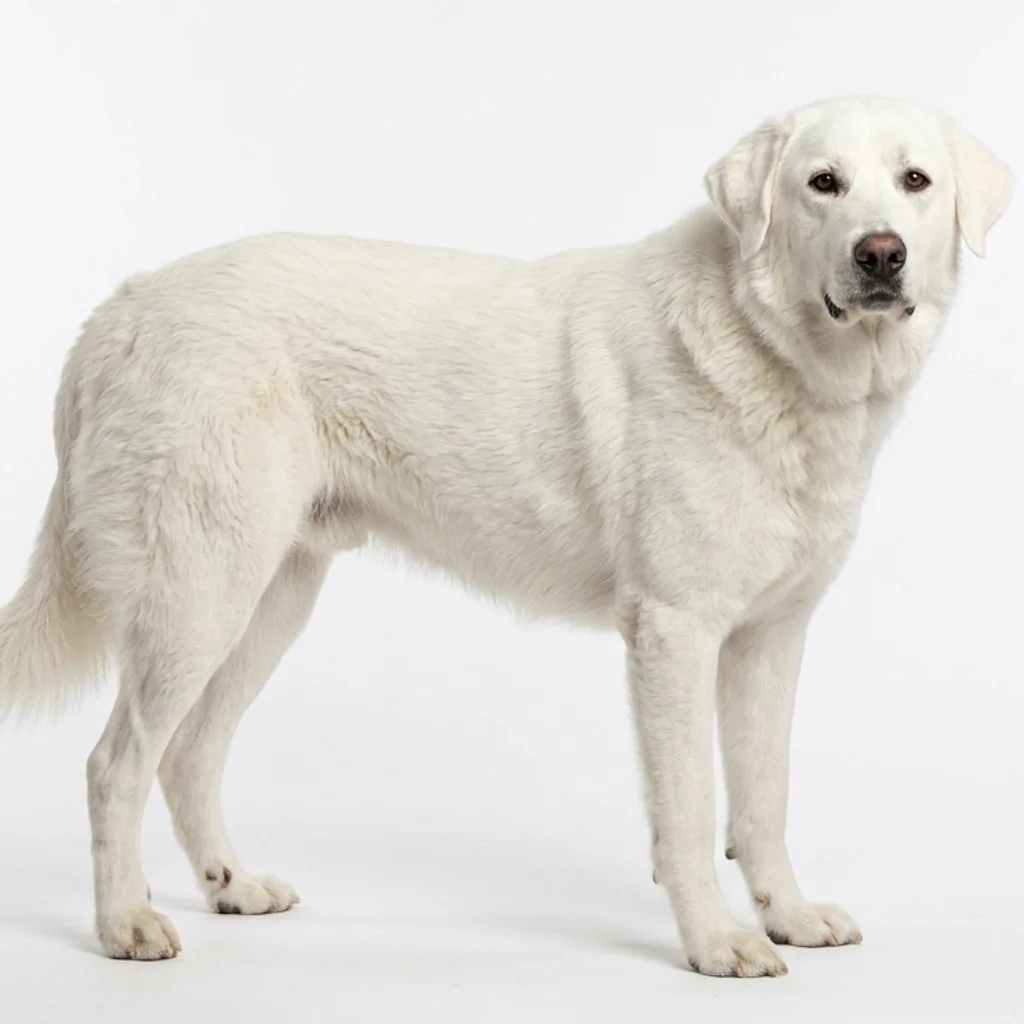
Akbash Dog
Originally a Turkish livestock guardian, the Akbash is a serious, protective, and independent breed. They are not suited for apartment living and thrive on large NZ lifestyle blocks where they can have a 'territory' to watch over.