Dog Breed Guide NZ
Borzoi
The Borzoi, often called the Russian Wolfhound, is a striking and elegant sighthound renowned for its aristocratic appearance and incredible speed. While they possess a powerful prey drive, indoors they transform into calm, dignified, and surprisingly quiet companions, often preferring a comfortable couch to boisterous play. Their graceful build and flowing coat make them truly unique. In a New Zealand setting, a Borzoi thrives in homes with securely fenced sections where they can stretch their legs, offering a serene yet majestic presence to a family prepared for their specific needs, particularly their need for space and a firm, gentle hand.
Photo Gallery
Breed Snapshot
- Size
- 27-48 kg
- Lifespan
- 9-12 years
- Origin
- Being enriched
- Temperament
- The Borzoi is typically calm, dignified and sensitive rather than pushy. As a sighthound it can be affectionate with family while remaining aloof with strangers and independent when movement catches its eye.
- NZ Price
- $2,500 - $4,500 NZD from registered breeders; $150-$350 NZD adoption via SPCA (rarely available)
- Annual Vet Cost
- Estimated annual vet costs for a Borzoi in NZ range from $800 - $1,500 NZD. This includes routine check-ups, vaccinations, flea/worm treatments, and potential costs for breed-specific issues. Borzoi are prone to Gastric Dilatation-Volvulus (Bloat), which can be a life-threatening emergency requiring expensive surgery (potentially $3,000 - $8,000+ NZD). Other concerns include osteosarcoma (bone cancer), dilated cardiomyopathy (a heart condition), and hypothyroidism, all of which can incur significant treatment costs.
Personality Scores
NZ Lifestyle Fit
The Borzoi's suitability for different New Zealand living situations varies significantly. An apartment in Auckland, even a spacious one, is generally not ideal due to their size and need for bursts of speed. While calm indoors, they require substantial daily exercise, which would mean constant trips to parks, potentially challenging in Auckland's humid summers. A house with a large, securely fenced section is much more suitable, allowing them to run safely. Fences must be high and robust, as their prey drive can lead them to attempt escapes. For rural NZ farms, Borzoi can thrive with ample space, but extreme caution is paramount around livestock; their strong prey drive means they could easily chase sheep or chickens, requiring strict supervision and training. South Island cold winters are manageable with their coat, but they need a warm, dry shelter. High UV levels across NZ mean lighter-coated Borzoi may need sun protection on sensitive areas. There are no MPI restrictions on Borzoi.
Origins & History
The Borzoi's history is steeped in Russian aristocracy, where they were developed over centuries to hunt wolves, foxes, and hares across the vast open plains. Their name, 'Borzoi', is derived from the old Russian word 'borzyi', meaning 'swift'. These magnificent sighthounds were prized for their incredible speed, keen eyesight, and ability to work in pairs or trios to bring down large prey. They were a symbol of status among the Russian nobility, with their breeding lines meticulously maintained by the Tsars and wealthy landowners. After the Russian Revolution, the breed faced near extinction, but dedicated enthusiasts in other parts of the world, including Europe and America, worked to preserve these unique dogs. Today, the Borzoi remains a testament to its regal past, embodying grace, speed, and a distinctive, somewhat aloof charm.
Appearance
The Borzoi is a large, elegant dog, instantly recognisable by its long, lean head, arched back, and a deep chest that tapers to a tucked-up abdomen. Males typically stand between 71-82 cm at the shoulder, while females are slightly smaller. Their most striking feature is their silky, often wavy or curly coat, which can come in virtually any colour or pattern, though white with patches of fawn, brindle, or black is common. The coat is longer on the neck, chest, tail, and hindquarters, giving them a feathered appearance. Their long, slender legs and powerful musculature are built for bursts of extreme speed, allowing them to cover ground with an effortless, floating gait. Despite their size, they move with remarkable agility and grace, a true athlete in an elegant package.
Temperament & Personality
Borzoi possess a unique temperament that blends regal dignity with a gentle, affectionate nature towards their family. They are often described as 'cat-like' indoors, preferring to lounge quietly and observe their surroundings. While they can be aloof with strangers, they are rarely aggressive, typically greeting new people with polite indifference. With their loved ones, they are devoted and gentle, often forming strong bonds. However, their sighthound heritage means they have an extremely high prey drive. Small, fast-moving animals will trigger an instinct to chase, making secure fencing and leashed walks paramount. They are intelligent but can be independent thinkers, requiring patient and consistent training. They are generally good with respectful children and can coexist with other pets if raised with them, though their instinct to chase remains.
Life in New Zealand
Bringing a Borzoi into a Kiwi home requires an understanding of their specific needs. Their large size and exercise requirements mean they are best suited to homes with a substantial, securely fenced section. While they enjoy lounging indoors, they need regular opportunities to stretch their legs in a safe, enclosed space. Their flowing coat offers some protection against cooler South Island winters, but they are not built for extreme cold and require warm, sheltered sleeping areas. In humid North Island summers, their coat can be prone to matting, and they appreciate cool, shaded spots. Their high prey drive necessitates careful management around New Zealand's abundant wildlife and livestock, especially in rural areas. Owners must be vigilant on walks, ensuring they are always on a lead unless in a designated, fully secure off-leash area. There are no specific MPI restrictions on importing Borzoi into New Zealand, but standard pet import regulations apply.
Is This the Right Breed for You?
The Borzoi is not a breed for everyone, but for the right owner, they are incredibly rewarding companions. If you appreciate a dog that is calm and dignified indoors, yet capable of breathtaking speed outdoors, and you have the space and commitment to meet their needs, a Borzoi could be a wonderful addition to your whānau. They thrive with owners who understand sighthound behaviour, are committed to secure containment, and can provide consistent, positive reinforcement training. They are generally gentle with children and other pets, provided they are introduced properly. However, if you're looking for an off-leash adventure buddy for tramping through national parks without a lead, or if your property isn't securely fenced, this may not be the ideal breed. Their unique blend of elegance, athleticism, and serene companionship makes them truly special for those prepared for the journey.
Fun Facts
Fact 1
The Borzoi's name comes from the old Russian word 'borzyi', meaning 'swift', perfectly describing their incredible speed.
Fact 2
They were originally bred by Russian nobility to hunt wolves, often working in pairs or trios to bring down their formidable prey.
Fact 3
Despite their hunting prowess, Borzoi are known for being incredibly gentle and quiet indoors, often referred to as '45-kilo lapdogs'.
Fact 4
Their distinctive 'roach back' or arched loin is a key feature, contributing to their powerful galloping stride.
Fact 5
Borzoi have a unique 'sighthound gaze', often appearing to look through you rather than at you, a trait linked to their hunting style.
Related Breeds
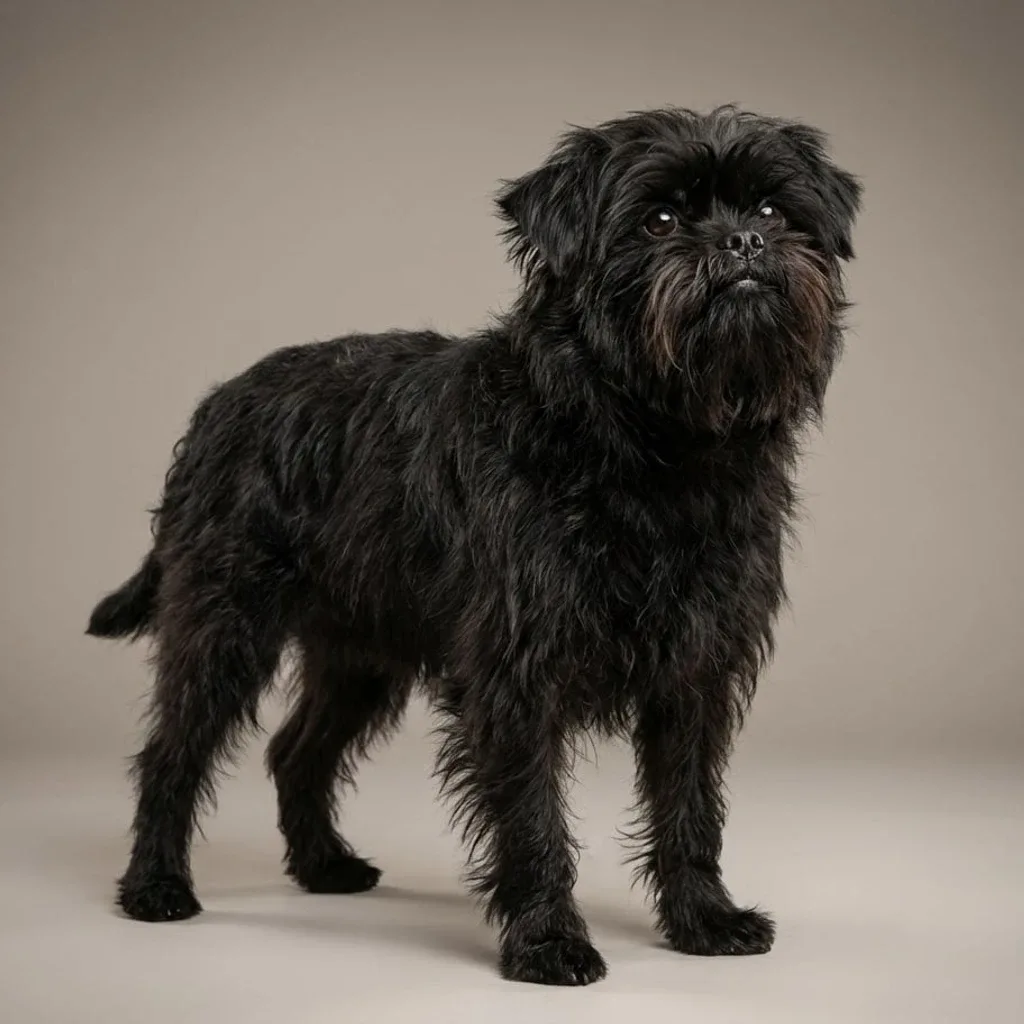
Affenpinscher
The Affenpinscher is a sturdy, monkey-like terrier-type toy breed known for its confidence and playful spirit. Despite its small size, it possesses a courageous heart and a loyal personality, making it a wonderful companion for Kiwi apartment dwellers or those with smaller sections.
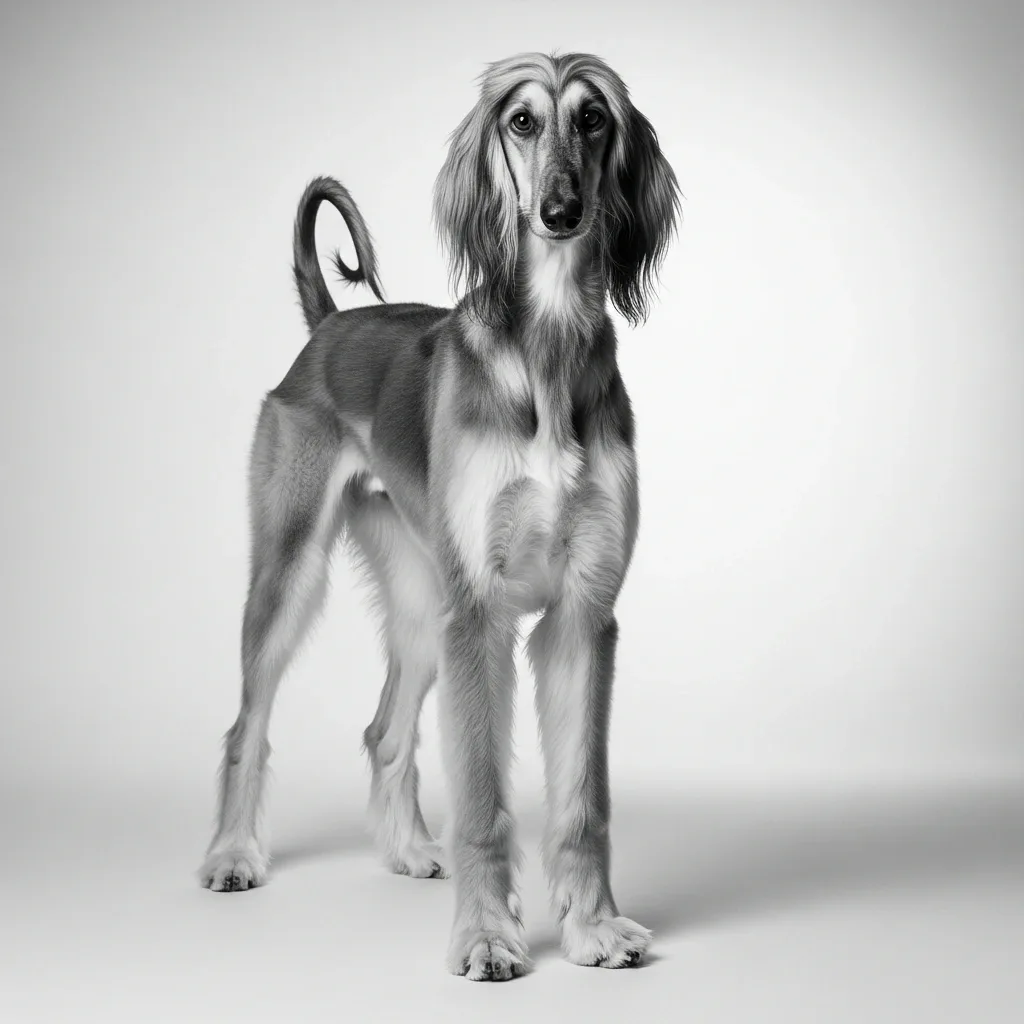
Afghan Hound
The Afghan Hound is an elegant aristocrat with a dignified and aloof personality. Known for its striking, silky coat, this breed is a high-maintenance beauty that requires ample space to run and an owner dedicated to its complex grooming needs.
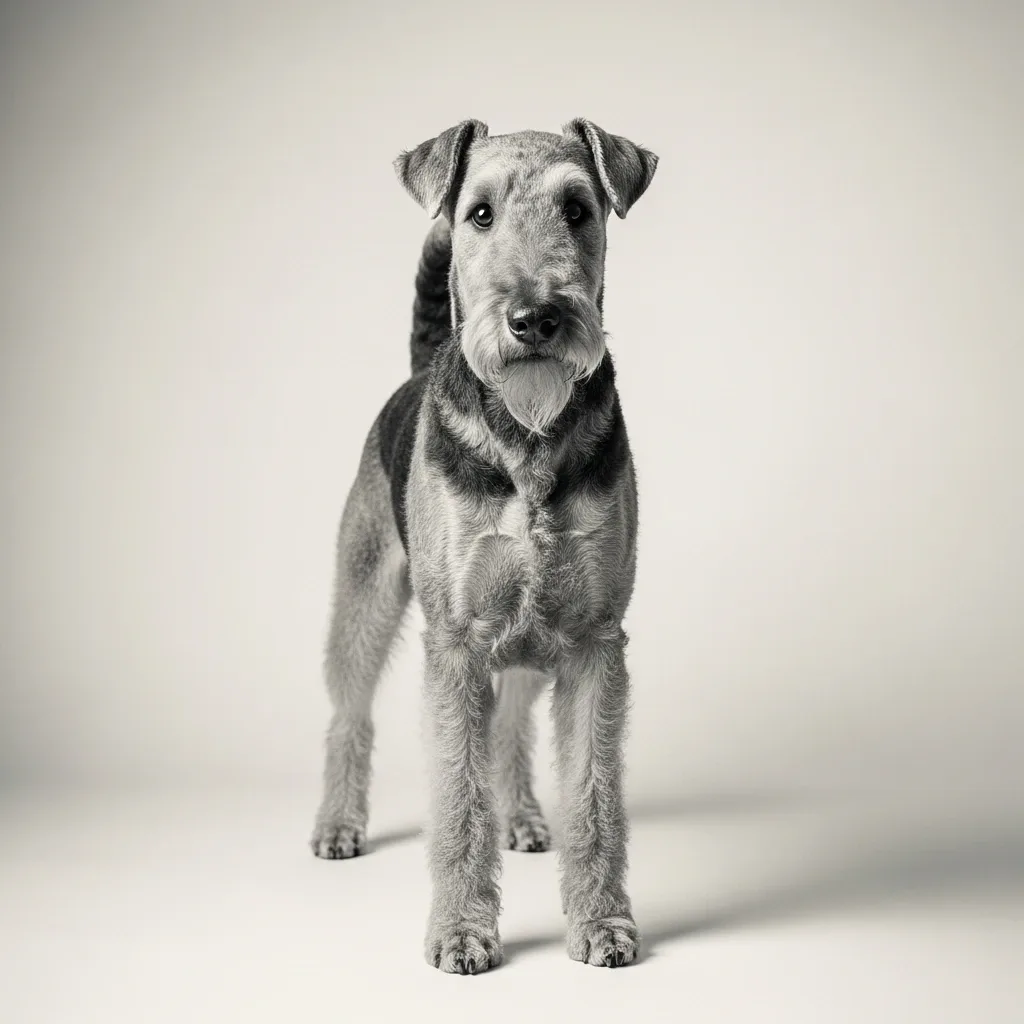
Airedale Terrier
The 'King of Terriers', the Airedale is the largest of all terrier breeds. They are brave, hardworking, and highly intelligent, making them excellent partners for active Kiwi families who love tramping and outdoor adventures.
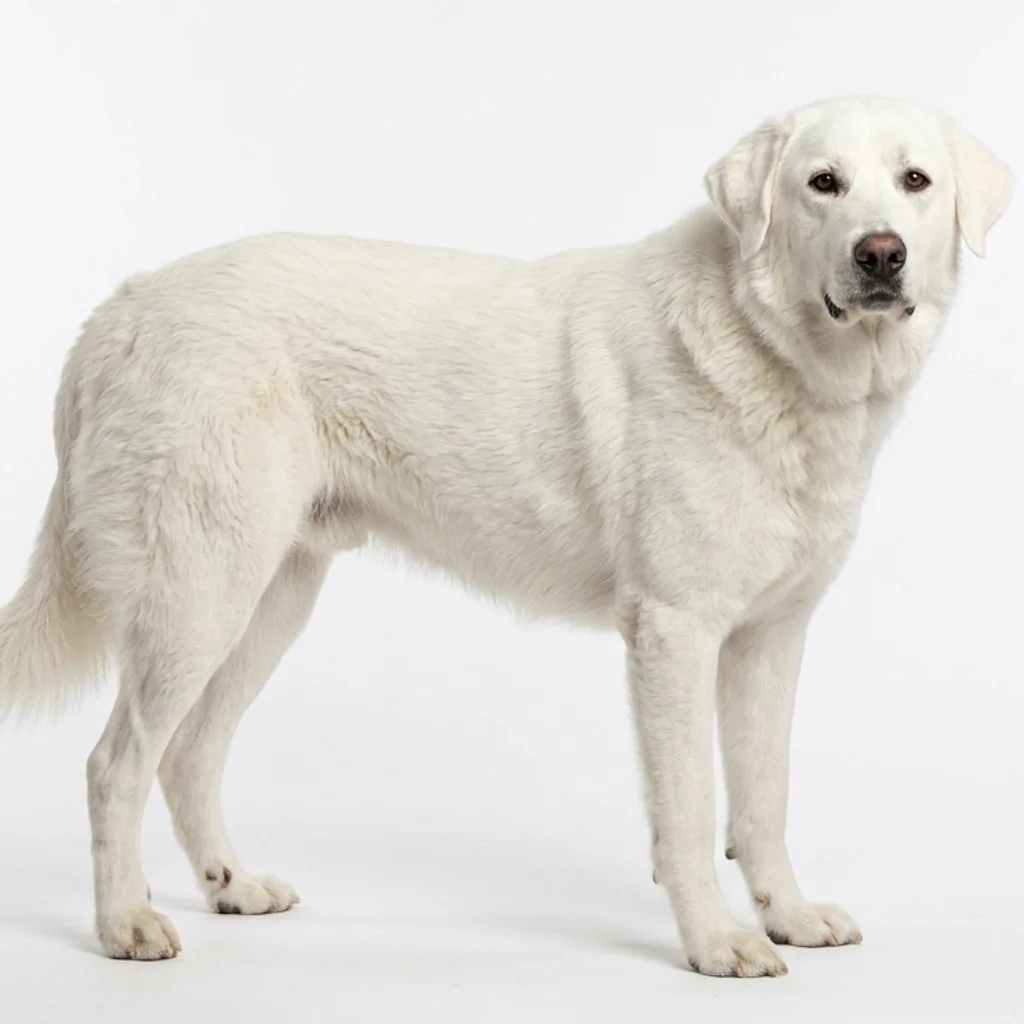
Akbash Dog
Originally a Turkish livestock guardian, the Akbash is a serious, protective, and independent breed. They are not suited for apartment living and thrive on large NZ lifestyle blocks where they can have a 'territory' to watch over.