Dog Breed Guide NZ
Boerboel
The Boerboel, a formidable mastiff-type breed originating from South Africa, is a true guardian at heart. Renowned for their intelligence, unwavering loyalty, and potent protective instincts, these impressive dogs were historically bred to defend homesteads against predators. While calm and confident, they require a seasoned owner who can provide firm, consistent leadership and early socialisation to thrive. In New Zealand, a Boerboel fits best with families who have a securely fenced, spacious property, ideally in a rural or semi-rural setting, and are committed to their extensive training and exercise needs. They are not suited for flat living but can be a devoted companion for the right Kiwi owner.
Photo Gallery
Breed Snapshot
- Size
- Male: 68-91 kg; Female: 50-68 kg
- Lifespan
- 9-11 years
- Origin
- Being enriched
- Temperament
- Confident, intelligent, loyal, protective, calm
- NZ Price
- $2,500 - $4,500 NZD from registered breeders; $150-$350 NZD adoption via SPCA (rarely available)
- Annual Vet Cost
- Estimated annual vet costs for a Boerboel in New Zealand can range from $800 - $1,500 NZD. This includes routine check-ups, vaccinations, flea and worm treatments, and general health maintenance. However, as a large breed, Boerboels are prone to specific health issues that can significantly increase costs. These include hip and elbow dysplasia, which may require expensive diagnostic imaging and potentially surgery. Bloat (gastric dilatation-volvulus), a life-threatening condition, is also a risk, and emergency surgery can cost thousands. Eye conditions like entropion or ectropion might require surgical correction. Regular preventative care, including appropriate diet and exercise, is crucial to mitigate some of these risks.
Personality Scores
NZ Lifestyle Fit
The Boerboel's suitability for different New Zealand living situations varies significantly. For apartment living in Auckland or any urban centre, they are generally unsuitable. Their substantial size, need for space, and moderate exercise requirements mean they will quickly become frustrated and potentially destructive in a confined flat. A house with a generous, securely fenced section is a minimum requirement, allowing them room to move and patrol. Rural New Zealand farms or lifestyle blocks are often ideal, aligning perfectly with their historical role as guardians and providing ample space for exercise and mental stimulation. Regarding climate, Boerboels are adaptable but need consideration. Auckland's humid summers and high UV require constant access to shade and water, and owners should be mindful of heatstroke. In the South Island's cold winters, a warm, dry, indoor sleeping area is essential. There are no specific restrictions on Boerboels by the Ministry for Primary Industries (MPI) in New Zealand, but their powerful nature means responsible ownership is paramount.
Origins & History
The Boerboel, meaning "farmer's dog" in Afrikaans, traces its roots back to South Africa, where it was developed to protect homesteads and livestock from dangerous predators like lions and hyenas. The breed's lineage is thought to include various mastiff and bulldog types brought to South Africa by European settlers, particularly the Dutch, during the 17th century. These dogs were selectively bred for their strength, courage, intelligence, and protective instincts, creating a formidable guardian. Over centuries, the Boerboel became an indispensable part of farm life, known for its ability to work independently and its unwavering loyalty to its family. By the mid-20th century, the breed faced near extinction due to indiscriminate breeding and cross-breeding, but dedicated enthusiasts initiated a revival, meticulously working to preserve and standardise the breed we know today. While not as ancient as some breeds, its history is deeply intertwined with the rugged landscape and pioneering spirit of South Africa.
Appearance
The Boerboel is a large, powerful, and well-muscled dog, exuding an impression of strength and athleticism. Males typically stand between 60-70 cm at the shoulder and weigh a substantial 68-91 kg, while females are slightly smaller, ranging from 55-65 cm and 50-68 kg. Their build is robust and symmetrical, with a broad, blocky head that is characteristic of mastiff breeds. The muzzle is relatively short and wide, and they possess a strong, scissor bite. Their short, dense coat is smooth and lies close to the body, coming in various shades including fawn, brindle, brown, and black. Some may have a black mask, which is preferred. Their eyes are typically brown and convey an intelligent, confident, and watchful expression. The tail is often docked in countries where it is permitted, but in New Zealand, it is usually left natural. Their powerful physique is a testament to their working heritage, built for endurance and protective tasks.
Temperament & Personality
The Boerboel's temperament is a complex blend of confidence, intelligence, loyalty, and a strong protective instinct. They are inherently calm and self-assured, rarely displaying unprovoked aggression, but they are always aware of their surroundings. Towards their family, Boerboels are incredibly devoted and affectionate, often forming strong bonds with children within their household, though their sheer size necessitates supervision. They are intelligent and eager to please their owners, making them trainable, but their strong will requires a confident and consistent leader. They are naturally wary of strangers and possess a formidable guarding instinct, making them excellent protectors of their home and family. Early and extensive socialisation is paramount to ensure they are well-adjusted and can differentiate between a genuine threat and a harmless visitor. Without proper guidance, their protective nature can become problematic. A well-socialised Boerboel is a calm, reliable, and loyal companion.
Life in New Zealand
Bringing a Boerboel into a New Zealand home requires careful consideration of their specific needs and the local environment. Their large size and exercise requirements mean they are not suited for apartment or flat living; a house with a securely fenced, spacious section is essential. Rural properties or lifestyle blocks are often ideal, providing ample room for them to patrol and exercise. New Zealand's varied climate, from Auckland's humid summers to the South Island's cold winters, means owners must ensure adequate shelter and protection. In summer, access to shade and fresh water is crucial to prevent overheating, especially given the high UV levels. In colder months, a warm, dry indoor sleeping area is a must. While there are no specific MPI restrictions on the Boerboel breed in New Zealand, their powerful nature means responsible ownership, including secure containment and effective training, is vital to ensure they are good canine citizens within the community. Public perception of large, powerful breeds means owners must be extra diligent.
Is This the Right Breed for You?
The Boerboel is not a breed for first-time dog owners or those seeking a low-maintenance companion. They thrive with experienced, confident owners who understand the demands of a large, protective breed. You must be prepared to invest significant time and effort into early socialisation, consistent training, and providing a secure environment. Their strong protective instincts mean they need clear boundaries and a firm leader to channel their guarding abilities appropriately. They require a spacious home with a very secure, high fence – a simple picket fence won't suffice. Daily exercise and mental stimulation are crucial to prevent boredom and destructive behaviours. If you have the experience, space, and commitment to provide consistent leadership, training, and love, a Boerboel can be an incredibly loyal, devoted, and protective family member, offering unparalleled companionship and security. However, if you're looking for a dog that can be left alone for long periods, lives happily in a small space, or doesn't require extensive training, the Boerboel is likely not the right fit.
Fun Facts
Fact 1
The name 'Boerboel' translates to 'farmer's dog' in Afrikaans, reflecting their original purpose as guardians on South African farms.
Fact 2
They were historically bred to protect homesteads from formidable predators, including lions and baboons.
Fact 3
Boerboels possess an incredibly powerful bite force, among the strongest of all dog breeds.
Fact 4
The breed faced near extinction in the mid-20th century but was revived through dedicated breeding programmes.
Fact 5
Despite their imposing size and protective nature, Boerboels are known for being gentle and affectionate with their immediate family.
Related Breeds
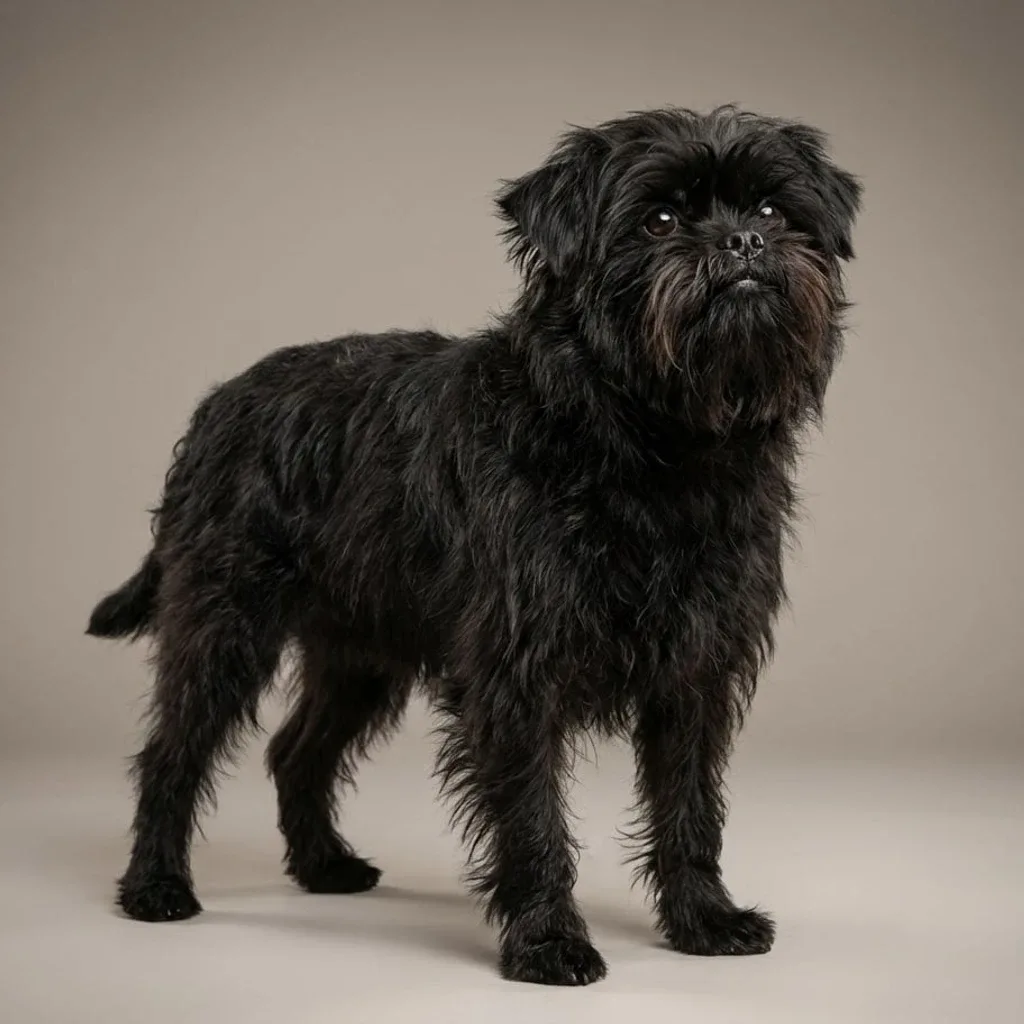
Affenpinscher
The Affenpinscher is a sturdy, monkey-like terrier-type toy breed known for its confidence and playful spirit. Despite its small size, it possesses a courageous heart and a loyal personality, making it a wonderful companion for Kiwi apartment dwellers or those with smaller sections.
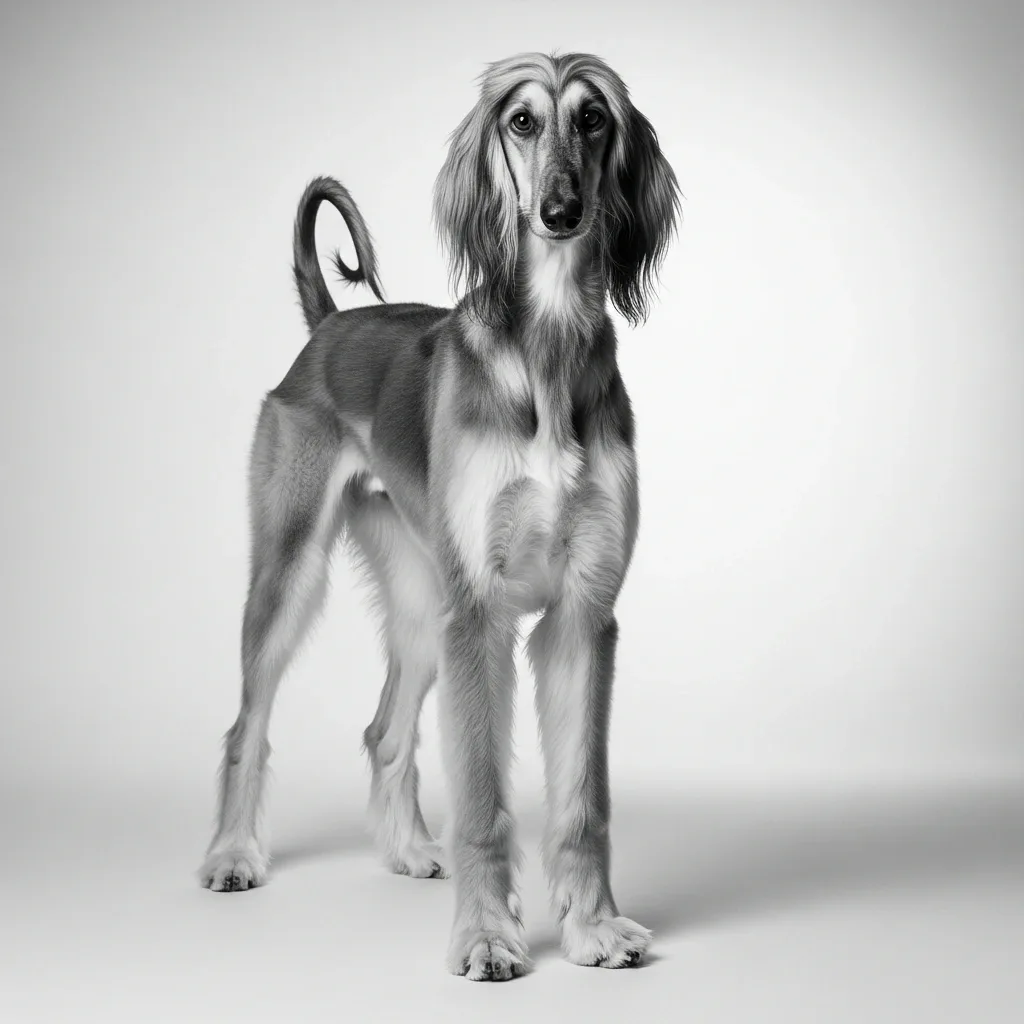
Afghan Hound
The Afghan Hound is an elegant aristocrat with a dignified and aloof personality. Known for its striking, silky coat, this breed is a high-maintenance beauty that requires ample space to run and an owner dedicated to its complex grooming needs.
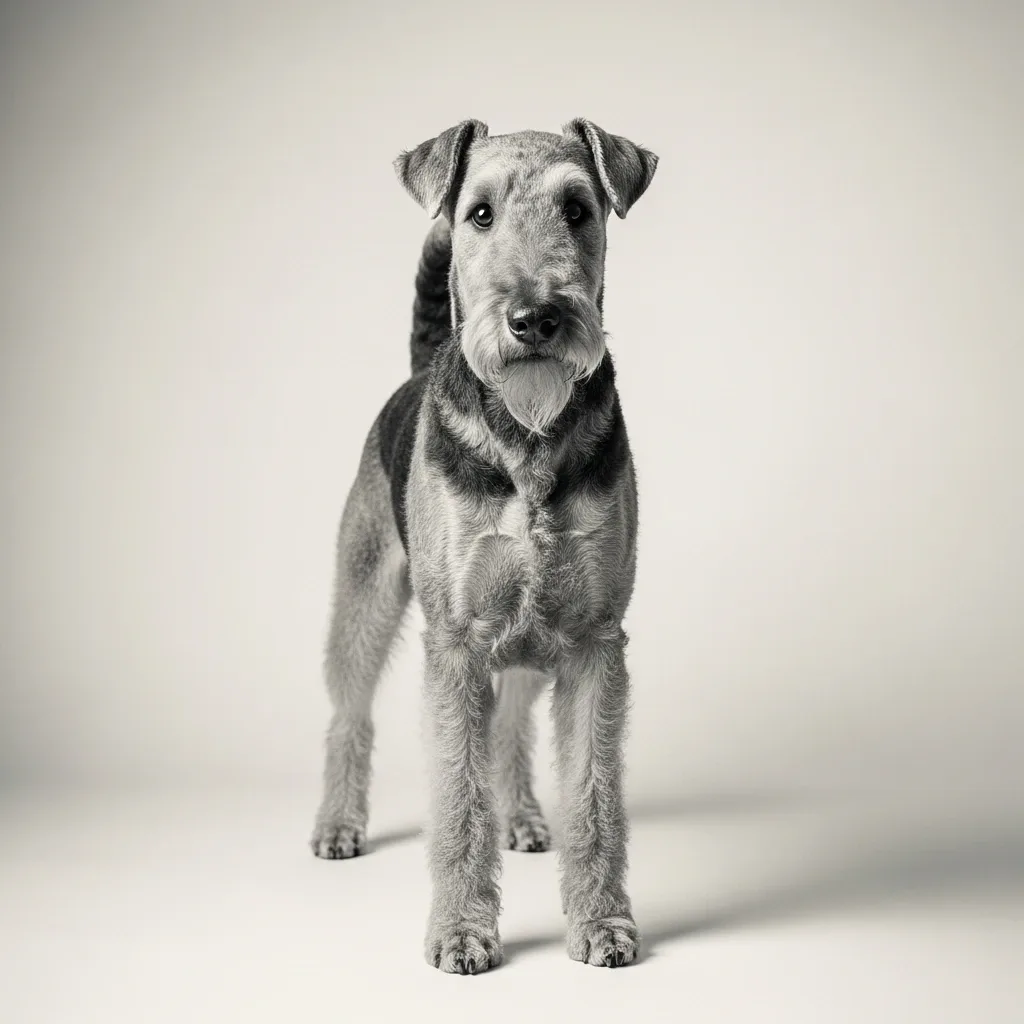
Airedale Terrier
The 'King of Terriers', the Airedale is the largest of all terrier breeds. They are brave, hardworking, and highly intelligent, making them excellent partners for active Kiwi families who love tramping and outdoor adventures.
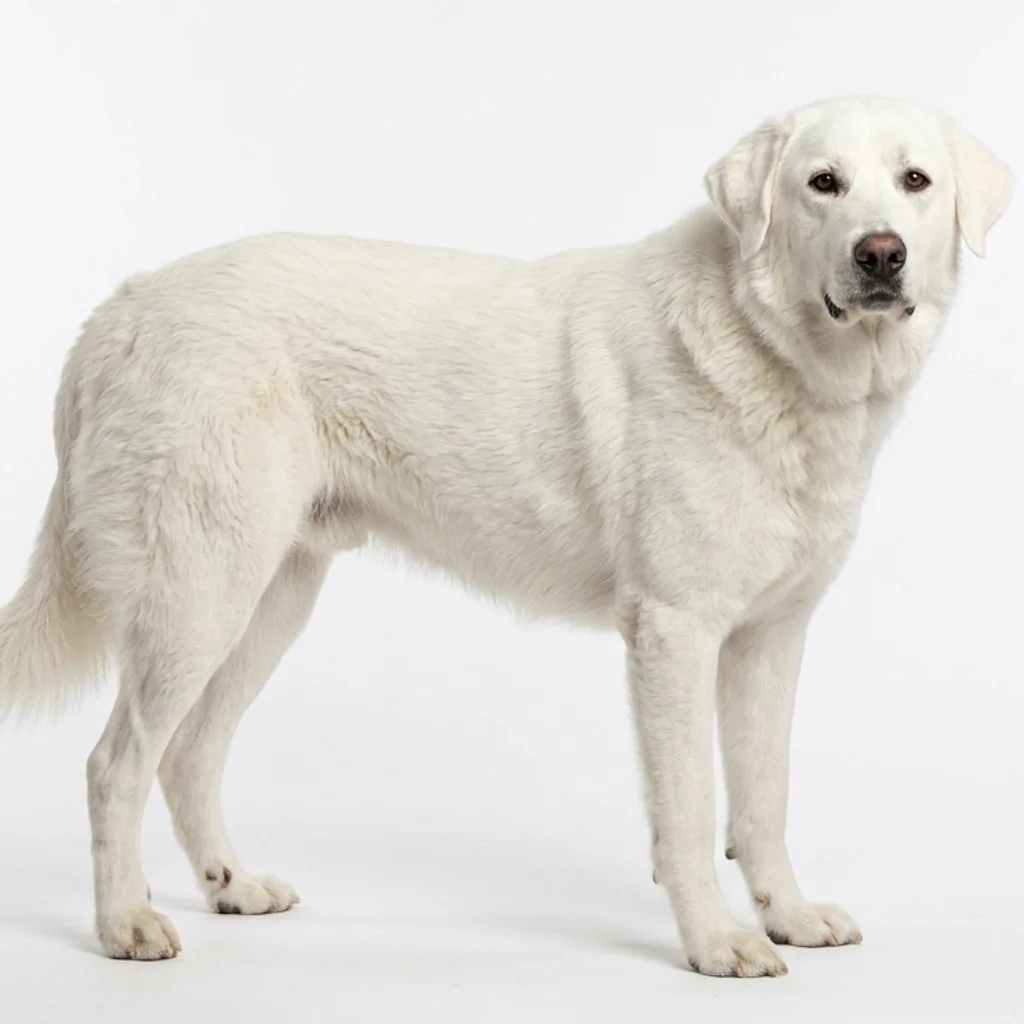
Akbash Dog
Originally a Turkish livestock guardian, the Akbash is a serious, protective, and independent breed. They are not suited for apartment living and thrive on large NZ lifestyle blocks where they can have a 'territory' to watch over.