Dog Breed Guide NZ
Bluetick Coonhound
The Bluetick Coonhound is an athletic and muscular scenthound instantly recognisable by its striking blue-ticked coat. Renowned for their exceptional 'cold nose' trailing ability and distinctive baying voice, these dogs are friendly, intelligent, and deeply devoted to their work and families. Originating from the USA, they are tireless hunters with a strong prey drive. In a New Zealand setting, a Bluetick thrives in homes that can provide ample space for their energy, secure environments for their scent-driven explorations, and consistent training. They are loyal companions, well-suited to active Kiwi families who appreciate a dog with character and a purpose.
Photo Gallery
Breed Snapshot
- Size
- Male: 25-36 kg; Female: 20-29 kg
- Lifespan
- 11-12 years
- Origin
- Being enriched
- Temperament
- Friendly, intelligent, loyal, devoted, work-focused
- NZ Price
- $1,500 - $3,500 NZD from registered breeders; $200-$450 NZD adoption via SPCA
- Annual Vet Cost
- Estimated annual vet costs for a Bluetick Coonhound in New Zealand typically range from $600 - $1,200 NZD. This includes routine check-ups, vaccinations, flea/worm treatments, and potential costs for breed-specific health issues. Blueticks can be prone to hip and elbow dysplasia, bloat (gastric torsion), certain eye conditions like progressive retinal atrophy, and ear infections due to their long, pendulous ears. Regular vet visits are crucial for early detection and management of these conditions, potentially reducing long-term costs.
Personality Scores
NZ Lifestyle Fit
Bluetick Coonhounds are generally not suited for apartment living, even in a bustling city like Auckland. Their size, high energy levels, and characteristic baying voice would likely cause issues for neighbours and leave the dog unfulfilled. A house with a good-sized, securely fenced section is a much better fit, allowing them space to burn off energy and explore safely. Their powerful scent drive means fences must be robust and escape-proof. Rural New Zealand farms or lifestyle blocks are ideal, offering vast spaces for them to utilise their natural instincts for trailing and exploration. Regarding climate, their short coat means they can tolerate Auckland's humid summers with access to shade and water, but care must be taken to prevent overheating during peak UV times. In the South Island's colder winters, they will definitely require warm, sheltered sleeping arrangements. New Zealand's high UV index means owners should be mindful of sun exposure, especially for areas with less pigmentation. There are no specific MPI (Ministry for Primary Industries) restrictions on owning Bluetick Coonhounds in New Zealand, but local council bylaws regarding dog control, barking, and containment must always be adhered to.
Origins & History
The Bluetick Coonhound's lineage traces back to the United States, specifically to the French Hounds brought to America by early settlers, including George Washington. These French Staghounds were crossed with English Foxhounds, Cur dogs, and ultimately, the American Foxhound. The goal was to create a dog with superior scenting ability, endurance, and a distinctive voice, specifically for hunting raccoons and other nocturnal game. Their 'cold nose' ability, meaning they can pick up and follow old or faint trails, became legendary. Initially considered a variety of the English Foxhound, the Bluetick Coonhound gained independent recognition in the mid-20th century, celebrated for its unique appearance and unparalleled hunting prowess. While their primary role remains as a working scenthound, their friendly nature has also made them cherished family companions.
Appearance
The Bluetick Coonhound is a medium-to-large sized dog, built for endurance and agility. Males typically weigh between 25-36 kg, while females range from 20-29 kg. Their most striking feature is undoubtedly their coat: a dense, short, and coarse coat that gives them their name. It's predominantly dark blue, covered with various-sized black spots on the back, ears, and sides, giving a 'ticked' or mottled appearance. Lighter blue ticking is also common. Tan markings often appear on the muzzle, chest, and legs, with a distinctive red or tan 'pencil' mark on the toes. They possess long, low-set ears, a deep chest, and a strong, muscular build. Their eyes are typically dark and expressive, conveying intelligence and eagerness.
Temperament & Personality
Bluetick Coonhounds are known for their friendly, intelligent, and loyal disposition. They are devoted to their families and can form strong bonds, often displaying an affectionate and playful side indoors. However, their strong work ethic and keen intelligence mean they thrive on having a 'job' to do. Their scent drive is incredibly powerful, making them highly focused and persistent when on a trail. This can translate into an independent streak, as their nose often dictates their actions. They are vocal dogs, known for their characteristic baying, which can be charming to some but a challenge for close neighbours. Early socialisation and consistent training are crucial to harness their intelligence and ensure they are well-adjusted family members. They are generally good with children and other pets if raised together, though their prey drive means small, unfamiliar animals should be approached with caution.
Life in New Zealand
Bringing a Bluetick Coonhound into a Kiwi home means understanding their specific needs. Their high energy levels and strong scent drive make them less suited to apartment living, even in cities like Auckland. They truly flourish in homes with large, securely fenced sections or, ideally, in rural New Zealand settings where they have ample space to roam and explore safely. Owners must be prepared for their vocal nature, especially if living in suburban areas, and ensure their baying doesn't become a nuisance. The short coat generally copes well with New Zealand's varied climate, though they'll appreciate shelter from the strong UV rays in summer and warmth during colder South Island winters. Regular, stimulating exercise is non-negotiable, whether it's long walks on beaches, exploring dog-friendly reserves, or even participating in scent work activities. Their devotion makes them wonderful companions for active Kiwi families who can commit to their physical and mental needs.
Is This the Right Breed for You?
The Bluetick Coonhound is an exceptional dog for the right owner. If you're an active individual or family in New Zealand who enjoys outdoor adventures, has a securely fenced property, and is prepared for a dog with a powerful voice and an even more powerful nose, a Bluetick could be your perfect match. They are intelligent and eager to please, but their independent, scent-driven nature requires consistent, positive reinforcement training from a young age. Prospective owners should be aware of their need for mental stimulation, as a bored Bluetick can become destructive or excessively vocal. They thrive on companionship and are not suited to being left alone for long periods. If you're looking for a loyal, energetic, and unique companion who will keep you on your toes and bring endless joy, and you can provide the space and commitment they require, then the Bluetick Coonhound might just be the ideal addition to your Kiwi whānau.
Fun Facts
Fact 1
Bluetick Coonhounds are known for their distinctive 'cold nose' ability, meaning they can follow a scent trail that is several hours or even days old.
Fact 2
Their unique blue-ticked coat pattern is a result of a genetic trait called 'ticking', where small spots of colour appear on a lighter background.
Fact 3
Blueticks have a characteristic baying voice, which is a deep, resonant howl used to alert hunters to their location or when they've treed game.
Fact 4
Despite their strong hunting instincts, Bluetick Coonhounds are often described as 'gentle giants' with their families, known for being affectionate and playful.
Fact 5
They are one of six recognised breeds of Coonhounds, each developed for specific hunting traits and often named for their unique coat patterns.
Related Breeds
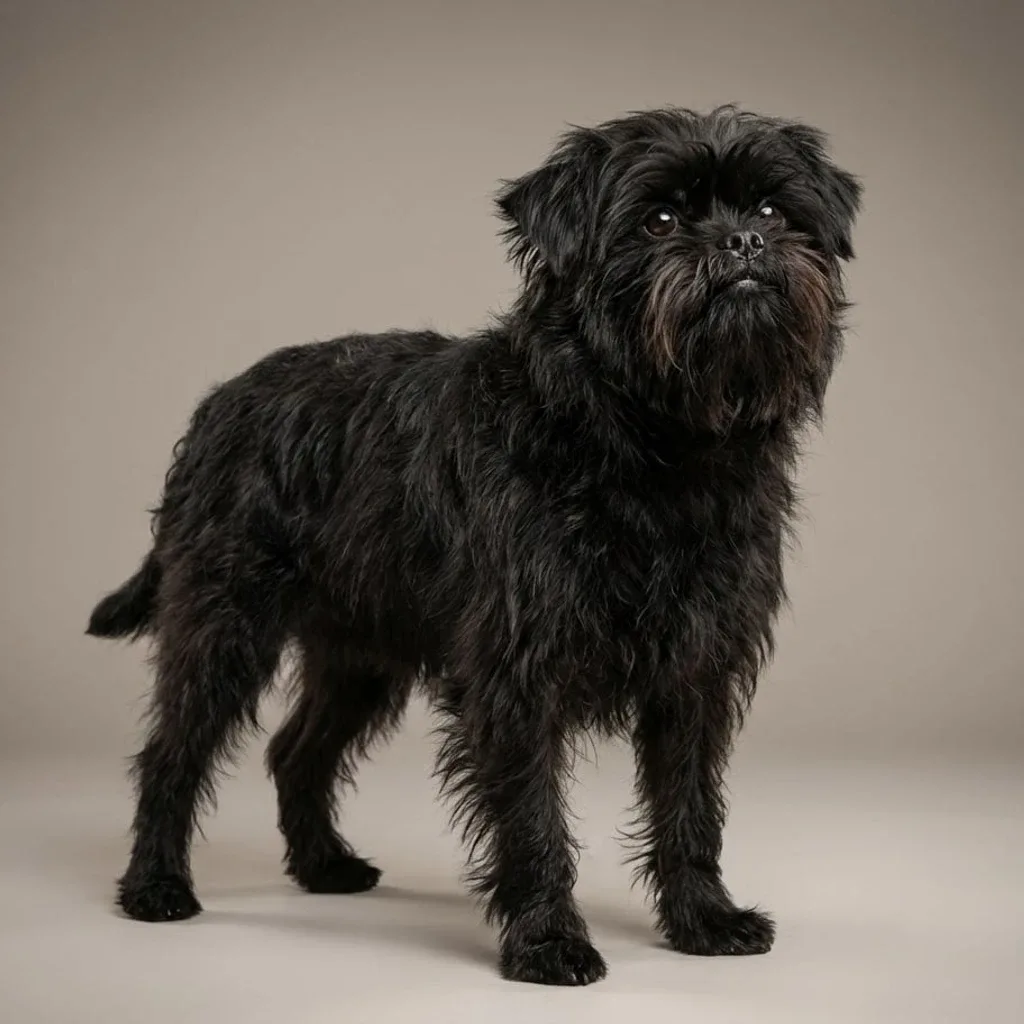
Affenpinscher
The Affenpinscher is a sturdy, monkey-like terrier-type toy breed known for its confidence and playful spirit. Despite its small size, it possesses a courageous heart and a loyal personality, making it a wonderful companion for Kiwi apartment dwellers or those with smaller sections.
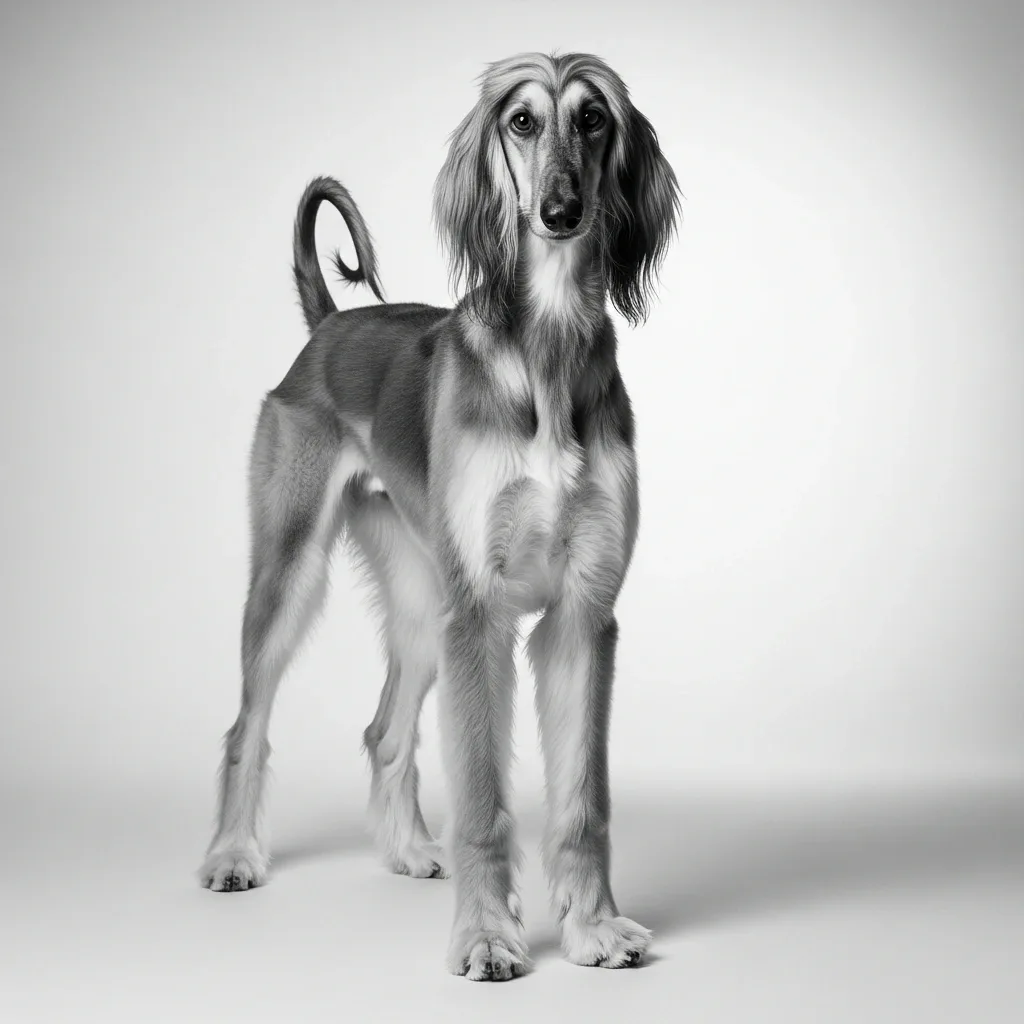
Afghan Hound
The Afghan Hound is an elegant aristocrat with a dignified and aloof personality. Known for its striking, silky coat, this breed is a high-maintenance beauty that requires ample space to run and an owner dedicated to its complex grooming needs.
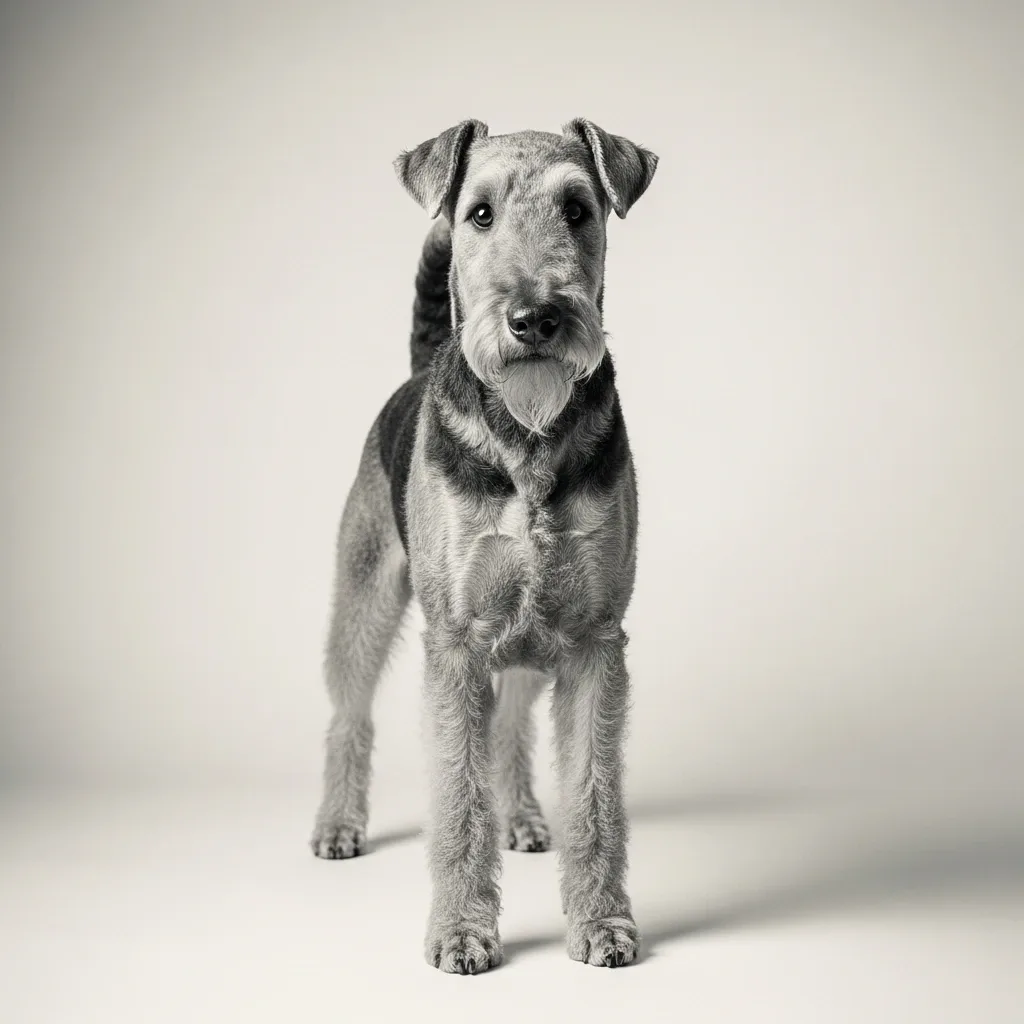
Airedale Terrier
The 'King of Terriers', the Airedale is the largest of all terrier breeds. They are brave, hardworking, and highly intelligent, making them excellent partners for active Kiwi families who love tramping and outdoor adventures.
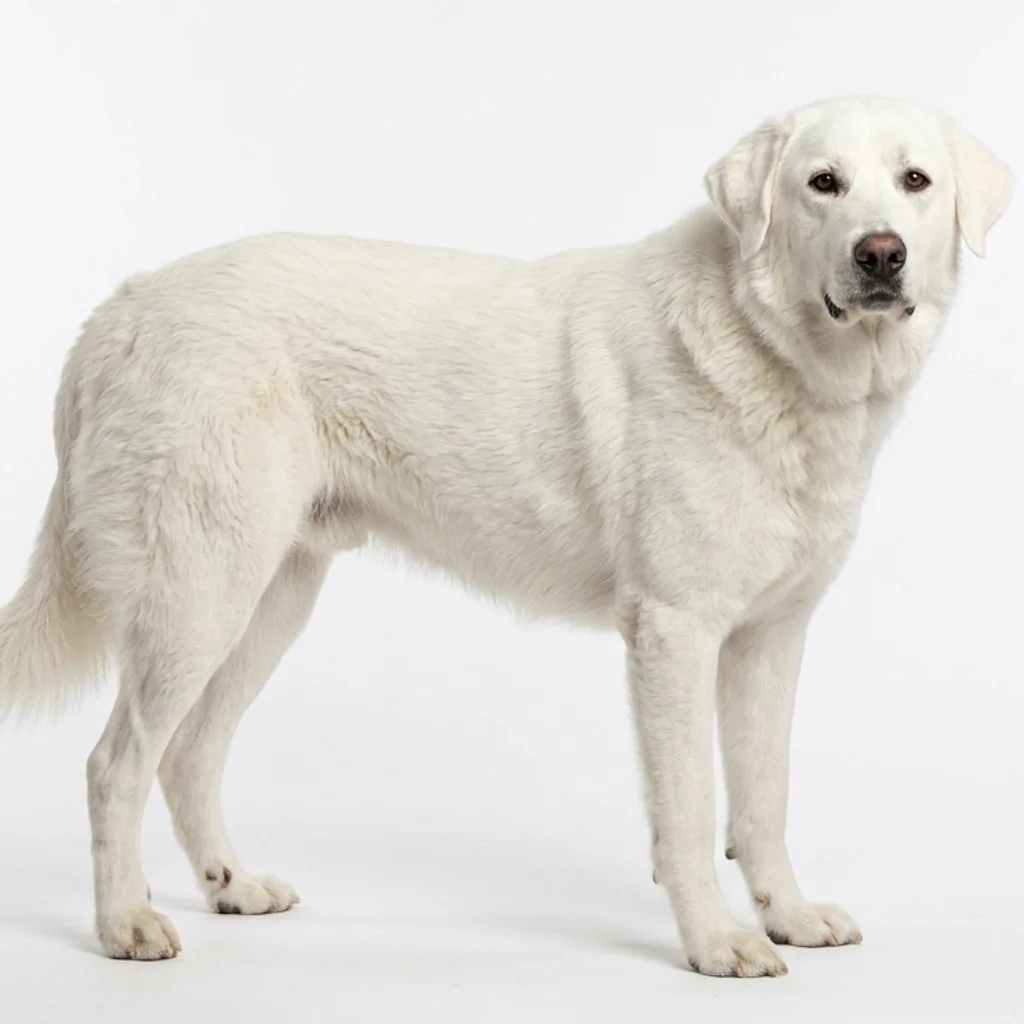
Akbash Dog
Originally a Turkish livestock guardian, the Akbash is a serious, protective, and independent breed. They are not suited for apartment living and thrive on large NZ lifestyle blocks where they can have a 'territory' to watch over.