Dog Breed Guide NZ
Black and Tan Coonhound
The Black and Tan Coonhound is a robust and powerful American scent hound, celebrated for its unwavering determination on the trail and a distinctive, loud, and musical bark. Despite their formidable hunting heritage, these dogs are remarkably friendly, intelligent, and easygoing companions, making them wonderful family pets for the right home. Their impressive stamina and vocal nature mean they thrive in environments where they have ample space to explore and exercise their keen senses. In New Zealand, this breed is best suited to rural properties or homes with very large, securely fenced sections, offering them the freedom to roam and express their natural instincts without disturbing close neighbours. They are not typically a flat-dwelling breed in our Kiwi cities.
Photo Gallery
Breed Snapshot
- Size
- 29-50 kg
- Lifespan
- 10-12 years
- Origin
- Being enriched
- Temperament
- Friendly, outgoing, intelligent, alert, adaptable, easygoing
- NZ Price
- $800 - $2,500 NZD from registered breeders; $150-$350 NZD adoption via SPCA
- Annual Vet Cost
- Estimated annual vet costs for a Black and Tan Coonhound in New Zealand can range from $600 to $1,200 NZD, excluding emergency treatments. This covers routine check-ups, vaccinations, flea and worm treatments, and general health screenings. Breed-specific health issues to factor in include hip and elbow dysplasia, which may require X-rays and potential joint supplements or surgery. Eye conditions such as ectropion (droopy eyelids) are also common and might need veterinary attention. Their deep chests make them susceptible to bloat (gastric dilatation-volvulus), a life-threatening emergency requiring immediate veterinary intervention. Regular ear cleaning is crucial to prevent infections due to their long, pendulous ears, which can incur additional costs if infections develop. Preventative care and early detection are key to managing these conditions effectively.
Personality Scores
NZ Lifestyle Fit
An apartment in Auckland would be highly unsuitable for a Black and Tan Coonhound. Their large size, high exercise requirements, and particularly their loud, musical bark would make them a nuisance to neighbours and lead to an unhappy dog. A house with a generous, securely fenced section offers a better environment, but owners must be prepared for their vocal nature and commitment to daily vigorous exercise. Rural New Zealand farms or lifestyle blocks are truly the ideal setting, providing ample space for them to roam, follow scents, and expend their energy. Auckland's humid summers are generally manageable for this breed with access to shade and fresh water, while their dense coat offers some protection in the South Island's colder winters, though a warm, sheltered sleeping area is essential. High UV levels mean owners should be mindful of sun exposure, especially on their noses and ears during long outdoor sessions. There are no specific MPI restrictions on owning Black and Tan Coonhounds in New Zealand.
Origins & History
The Black and Tan Coonhound's lineage traces back to the United States, where they were meticulously developed from the English Foxhound and the Bloodhound. Their primary purpose was, and remains, the tracking and treeing of raccoons and opossums, often at night. This selective breeding for scenting ability and endurance in challenging terrain has resulted in a dog with an unparalleled nose and a relentless drive. While their exact historical development is somewhat shrouded, it's clear that early American settlers and hunters sought a dog that could navigate dense forests and rugged landscapes, following a cold trail for hours. The Bloodhound's exceptional scenting prowess and the Foxhound's speed and stamina were combined to create a hound perfectly adapted to the demands of coon hunting. They were officially recognised as a distinct breed by the American Kennel Club in 1945, solidifying their place as a true American original.
Appearance
The Black and Tan Coonhound is a large, powerful dog, typically weighing between 29 and 50 kg and standing 58-69 cm at the shoulder. They possess a striking and easily recognisable appearance. Their most defining feature is their sleek, dense, short coat, which is jet black with rich tan markings on their muzzle, chest, legs, and above their eyes – giving them their characteristic 'black and tan' name. They have long, pendulous ears that are set low and hang in graceful folds, framing their expressive, dark brown eyes. These ears are not just for show; they help to sweep scents towards their powerful nose. Their strong, muscular build, deep chest, and well-boned legs speak to their endurance and athleticism, while their long, tapering tail is carried with a slight curve. Overall, they exude an air of noble strength and determination.
Temperament & Personality
Beneath their rugged exterior, Black and Tan Coonhounds are renowned for their friendly, outgoing, and easygoing temperament. They are intelligent and alert, making them quick learners, though their strong scent drive can sometimes make them appear stubborn when a compelling trail is present. They are adaptable and generally get along well with children and other pets, provided they are properly socialised from a young age. Their loyalty to their family is unwavering, and they enjoy being part of household activities. However, their most defining personality trait is their vocal nature. They possess a deep, resonant bay or 'musical bark' that they use to alert their owners to a scent or to express excitement. While charming to some, this can be a significant consideration for those with close neighbours or living in urban environments. They are generally calm indoors after sufficient exercise but require mental stimulation to prevent boredom.
Life in New Zealand
Bringing a Black and Tan Coonhound into a New Zealand home requires careful consideration of their unique needs. Their size, energy levels, and particularly their vocal tendencies mean they are best suited to properties with ample space. Rural lifestyle blocks or farms are ideal, offering them the freedom to roam securely and engage their powerful sense of smell. Owners must be committed to providing consistent training and socialisation from a young age to ensure they integrate well into a Kiwi family and community. Their short, dense coat is relatively low maintenance but offers good protection against New Zealand's varied weather, though they will appreciate shelter from extreme heat or cold. Given their strong prey drive, secure fencing is paramount, especially in areas with native wildlife or livestock. Regular exercise, including opportunities for scent work, is crucial for their physical and mental well-being, helping them to be calm and content companions in the home.
Is This the Right Breed for You?
The Black and Tan Coonhound is a fantastic companion for active individuals or families who understand and appreciate their unique hound characteristics. If you live in a rural setting or have a very large, securely fenced property, and you're prepared for a dog with a loud, distinctive bark, this breed could be an excellent fit. They thrive on companionship and activity, enjoying long walks, tramping, and opportunities to use their incredible nose. However, if you live in a small flat, have close neighbours who might be sensitive to noise, or are unable to commit to daily vigorous exercise and mental stimulation, a Black and Tan Coonhound might not be the best choice. Their friendly nature makes them wonderful with children and other pets, but their strong prey drive means small, non-canine pets should be introduced with caution. Ultimately, an owner who can provide consistent training, secure boundaries, and plenty of love and adventure will find an incredibly devoted and rewarding companion in a Black and Tan Coonhound.
Fun Facts
Fact 1
Black and Tan Coonhounds are known for their distinctive 'bay' or 'musical bark', which can carry for long distances.
Fact 2
Their long, pendulous ears are not just for looks; they help to funnel scents towards their powerful nose.
Fact 3
They are one of only six Coonhound breeds recognised in the United States, and the first to be officially registered.
Fact 4
Despite their hunting background, they are incredibly affectionate and gentle companions within their family.
Fact 5
A Black and Tan Coonhound's nose is so sensitive they can follow a 'cold trail' – a scent that is hours or even days old.
Related Breeds
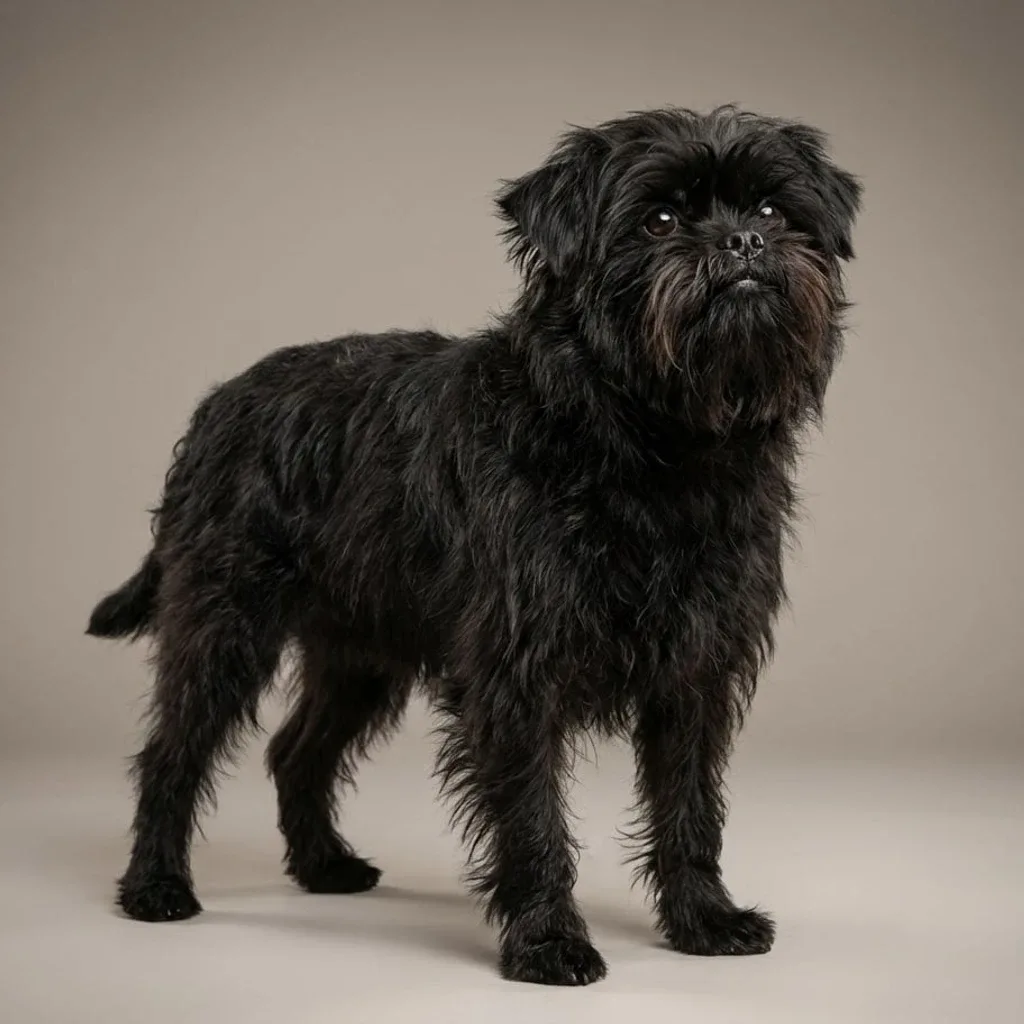
Affenpinscher
The Affenpinscher is a sturdy, monkey-like terrier-type toy breed known for its confidence and playful spirit. Despite its small size, it possesses a courageous heart and a loyal personality, making it a wonderful companion for Kiwi apartment dwellers or those with smaller sections.
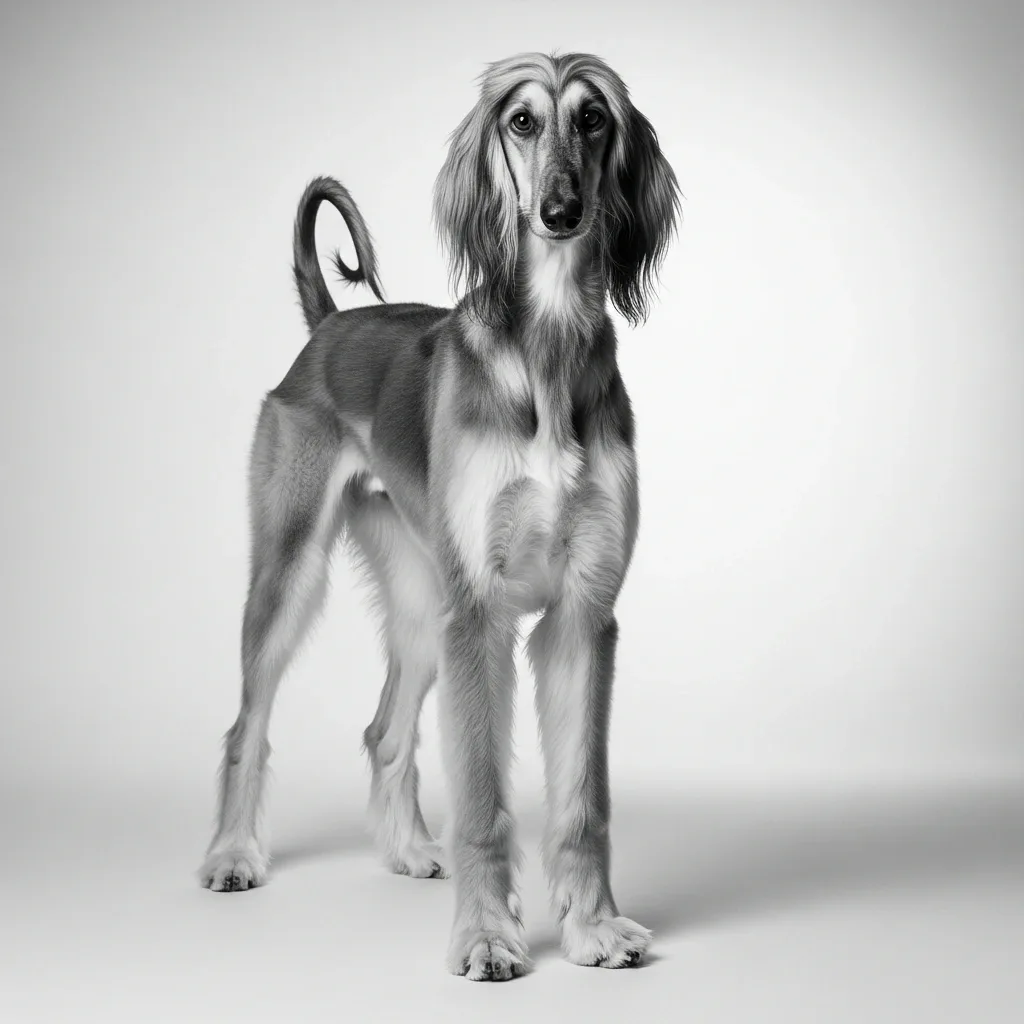
Afghan Hound
The Afghan Hound is an elegant aristocrat with a dignified and aloof personality. Known for its striking, silky coat, this breed is a high-maintenance beauty that requires ample space to run and an owner dedicated to its complex grooming needs.
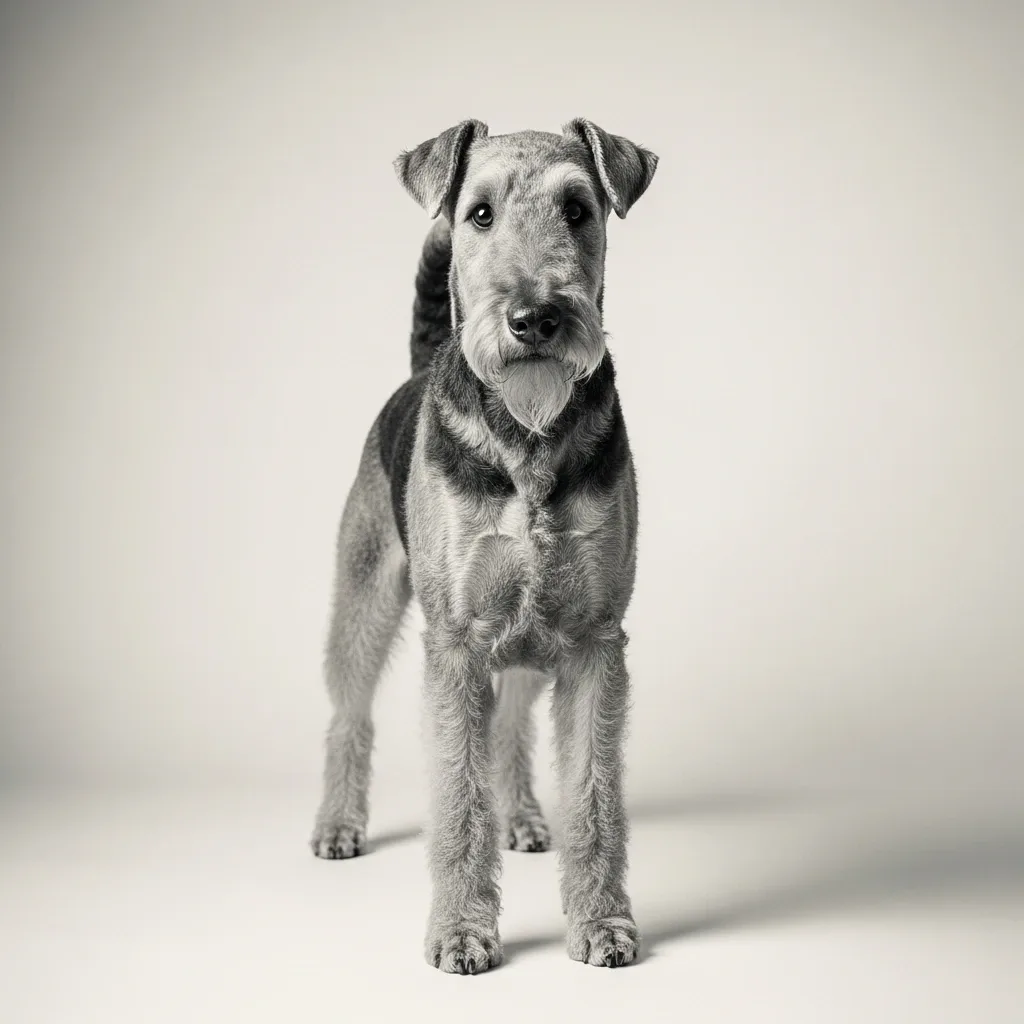
Airedale Terrier
The 'King of Terriers', the Airedale is the largest of all terrier breeds. They are brave, hardworking, and highly intelligent, making them excellent partners for active Kiwi families who love tramping and outdoor adventures.
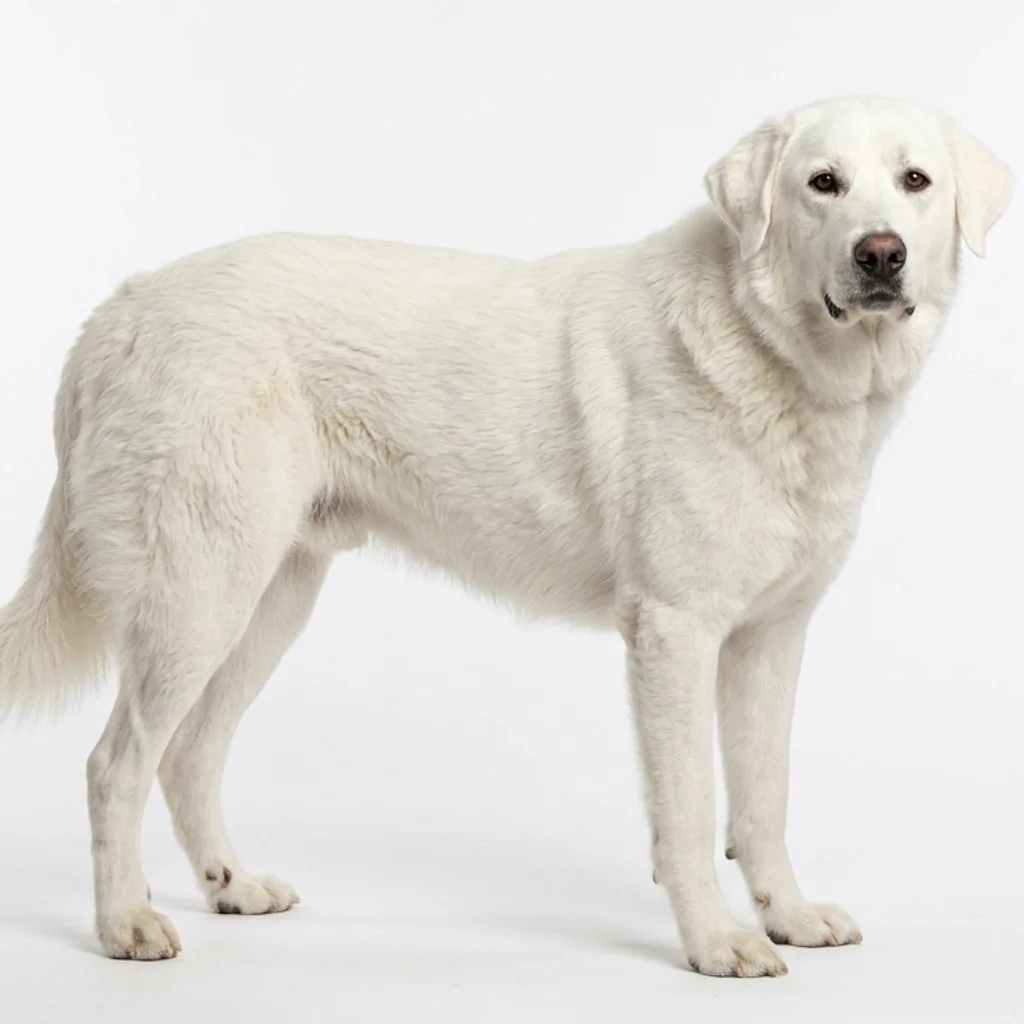
Akbash Dog
Originally a Turkish livestock guardian, the Akbash is a serious, protective, and independent breed. They are not suited for apartment living and thrive on large NZ lifestyle blocks where they can have a 'territory' to watch over.