Dog Breed Guide NZ
Belgian Malinois
The Belgian Malinois is an elite working dog, renowned globally for its unparalleled intelligence, intense drive, and unwavering loyalty. Often seen in police, military, and search and rescue roles, this breed is not for the faint of heart or the average pet owner. They demand a dedicated guardian who can provide serious, consistent mental stimulation and rigorous physical exercise daily. For the right experienced Kiwi owner who understands their needs and can integrate them into an active, purpose-driven New Zealand lifestyle, a Malinois can be an incredibly rewarding and devoted companion, excelling in dog sports and working disciplines across our unique landscapes.
Photo Gallery
Breed Snapshot
- Size
- Male: 27-36 kg; Female: 18-27 kg
- Lifespan
- 12-14 years
- Origin
- Being enriched
- Temperament
- Intelligent, confident, energetic, loyal, alert, work-focused, protective
- NZ Price
- $2,500 - $4,500 NZD from registered breeders (rare in NZ); $150-$350 NZD adoption via SPCA (rarely available).
- Annual Vet Cost
- Estimated annual veterinary costs for a Belgian Malinois in New Zealand typically range from $800 to $1,800 NZD for routine preventive care, including annual health checks, core DHPPi and Leptospirosis vaccinations, broad-spectrum parasite control, and council-approved microchipping. However, highly active working dogs face elevated lifetime risks of musculoskeletal trauma, cruciate ligament tears ($3,000–$5,500 NZD surgical repair), and hip/elbow dysplasia management. Diagnostic imaging and emergency treatment for Gastric Dilatation-Volvulus (GDV/bloat) can exceed $4,000–$8,000 NZD, making comprehensive pet insurance with high working-dog coverage highly recommended.
Personality Scores
NZ Lifestyle Fit
The Belgian Malinois is an elite working breed with extraordinary drive, athleticism, and intelligence, making its suitability in New Zealand highly specialised. In urban Auckland or Wellington townhouses and apartments, the Malinois is almost universally unsuitable; without a full-time training outlet, intense physical work, and secure boundaries, the breed quickly develops destructive behaviours and severe frustration. A property with high, secure fencing (minimum 1.8-metre boundary fences) is a non-negotiable requirement. While rural properties, lifestyle blocks, and operational working homes (such as search-and-rescue, agility sport, or police/security roles) provide the space they need, owners must actively manage high prey drive around NZ livestock (sheep, cattle, poultry). In warmer Northland and Auckland summers, intense exercise must be shifted to early mornings or late evenings to prevent heat stress, while South Island sub-zero winters require warm, draft-free indoor shelter. Prospective Kiwi owners should note that purebred Malinois litters registered with Dogs NZ (New Zealand Kennel Club) are limited, requiring dedicated engagement with recognised working dog clubs.
Origins & History
The Belgian Malinois hails from the city of Malines (Mechelen) in Belgium, where it was originally bred in the late 19th century as a versatile herding dog. It is one of four distinct Belgian Shepherd varieties, distinguished primarily by its short, fawn-coloured coat with a black mask. While its cousins, the Groenendael, Tervuren, and Laekenois, also served as herders, the Malinois quickly gained recognition for its exceptional work ethic, intelligence, and trainability. Early breeders focused on developing a dog that was not only adept at managing livestock but also possessed the courage and protective instincts to guard farms. By the early 20th century, the breed's remarkable capabilities saw it transition from the pastures to more demanding roles, becoming a preferred choice for military, police, and protection work worldwide. Its history is deeply rooted in utility, making it one of the most respected working dog breeds today.
Appearance
The Belgian Malinois is a medium to large-sized dog, exuding an athletic and powerful presence. Males typically weigh between 27-36 kg and stand 61-66 cm at the shoulder, while females are slightly smaller, weighing 18-27 kg and standing 56-61 cm. They possess a square, well-muscled build, reflecting their agility and endurance. Their most distinguishing feature is their short, straight, weather-resistant coat, which is typically fawn to mahogany in colour, often with black tipping on the hairs. A characteristic black mask on the face and black ears complete their alert and intelligent expression. Their eyes are dark and almond-shaped, conveying keenness, and their ears are erect and triangular, adding to their watchful demeanour. The Malinois's overall appearance is one of balanced strength and elegance, perfectly suited for demanding physical tasks.
Temperament & Personality
The temperament of a Belgian Malinois is defined by its intense intelligence, unwavering confidence, and boundless energy. They are inherently alert, loyal, and possess a strong protective instinct towards their family and territory. This breed thrives on having a 'job' to do, whether it's advanced obedience, agility, protection work, or search and rescue. Without sufficient mental and physical stimulation, a Malinois can become destructive, anxious, or develop undesirable behaviours. They are incredibly sensitive and form deep bonds with their owners, often described as 'velcro dogs' due to their desire to be constantly near their people. Their work-focused nature means they are always observing and learning, making them highly trainable but also requiring an owner who is equally committed and consistent. Early and ongoing socialisation is crucial to ensure they are well-adjusted around strangers and other animals, as their protective instincts can be strong.
Life in New Zealand
For the right owner, a Belgian Malinois can thrive in New Zealand's diverse environments. Their high energy levels make them ideal companions for active Kiwis who enjoy tramping, trail running, or spending time at our many dog-friendly beaches and reserves. They excel in dog sports like agility, obedience, and protection work, with numerous clubs and organisations across the country offering training and competition opportunities. Their short coat is relatively low maintenance and handles New Zealand's varied climate well, though protection from extreme sun (high UV) and shelter from South Island cold winters is always necessary. Owning a Malinois in New Zealand means embracing an active, outdoor-oriented lifestyle, providing ample space for them to run and explore, and committing to their rigorous training needs. They are not suited to being left alone for long periods and flourish when fully integrated into family life, participating in daily activities.
Is This the Right Breed for You?
Bringing a Belgian Malinois into your home is a significant commitment that extends far beyond typical pet ownership. This breed is unequivocally not for first-time dog owners or those seeking a low-maintenance companion. They require an experienced, confident, and consistent leader who understands canine behaviour and is prepared to dedicate substantial time daily to training, exercise, and mental enrichment. Owners must be prepared for their dog's intense drive and high energy, channeling it into productive activities rather than allowing it to manifest as problem behaviours. If you lead an active lifestyle, are passionate about dog training, and are looking for a loyal, intelligent partner for advanced dog sports or working roles, a Malinois could be an exceptional match. However, if your lifestyle is more sedentary, or you lack the time and expertise for intensive training, it's advisable to consider a less demanding breed. A Malinois thrives on purpose and partnership, offering unparalleled devotion to the owner who can meet its unique needs.
Fun Facts
Fact 1
Belgian Malinois are one of four types of Belgian Shepherd dogs, distinguished by their short coat.
Fact 2
They are often referred to as 'Maligators' due to their powerful bite and intense focus in protection work.
Fact 3
A Malinois named Cairo was part of the US Navy SEAL team that took down Osama bin Laden.
Fact 4
Despite their intense nature, they are known for forming incredibly strong, 'velcro-like' bonds with their primary handler.
Fact 5
They excel in a wide array of dog sports, including agility, obedience, tracking, and bite work, often dominating competitions.
Related Breeds
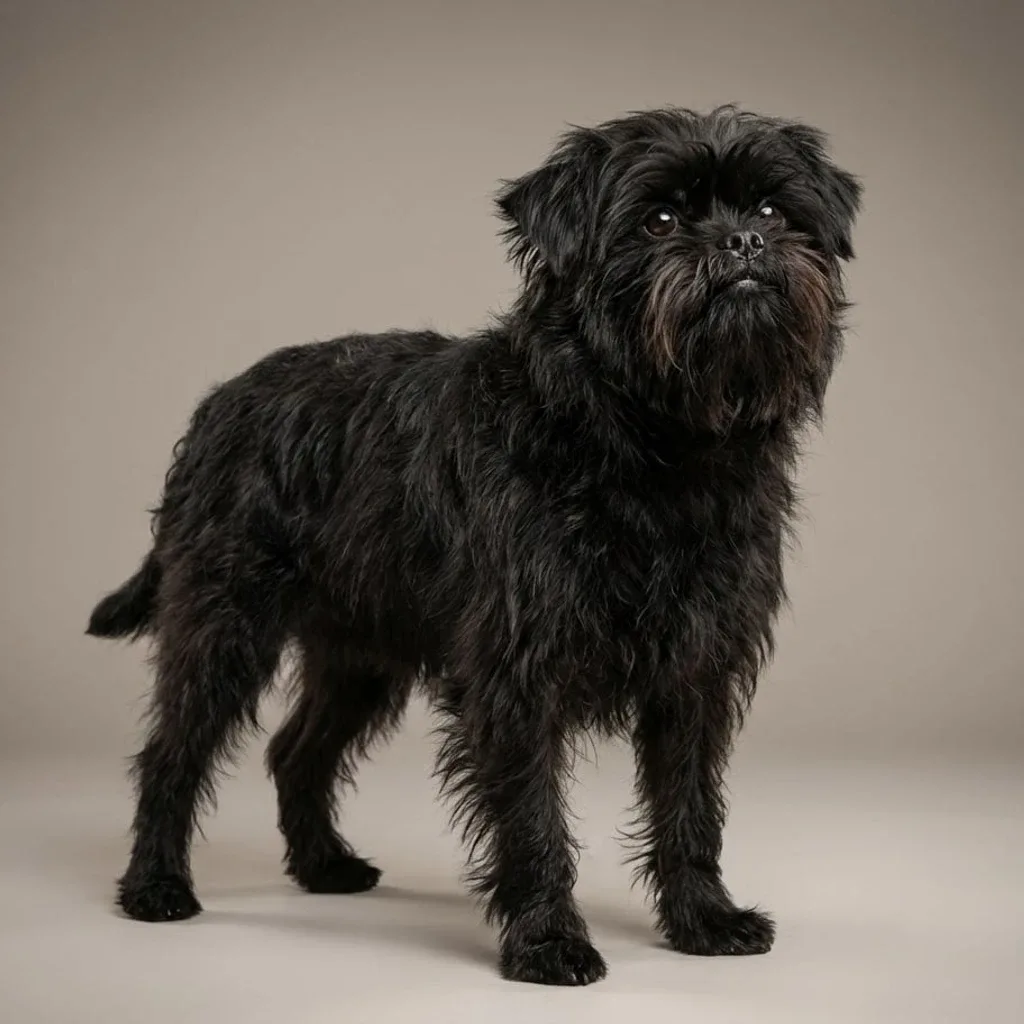
Affenpinscher
The Affenpinscher is a sturdy, monkey-like terrier-type toy breed known for its confidence and playful spirit. Despite its small size, it possesses a courageous heart and a loyal personality, making it a wonderful companion for Kiwi apartment dwellers or those with smaller sections.
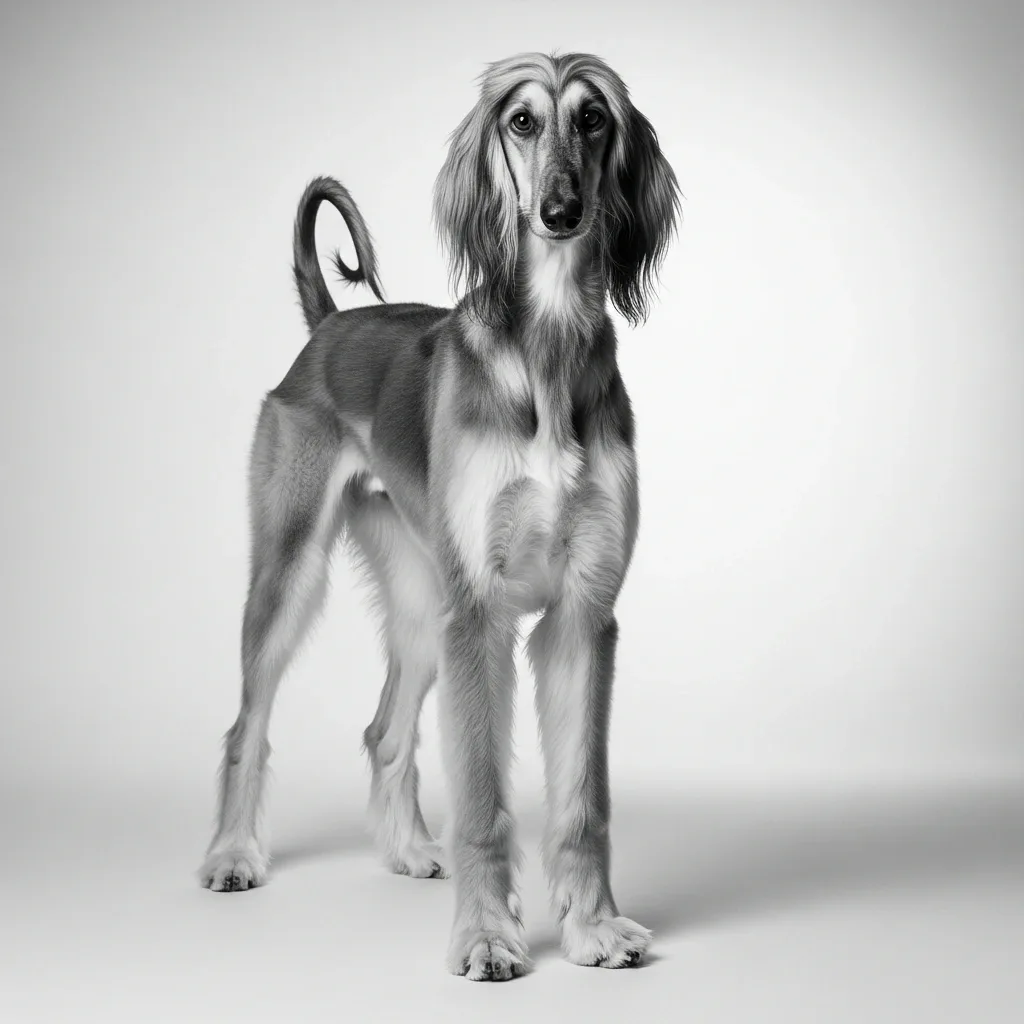
Afghan Hound
The Afghan Hound is an elegant aristocrat with a dignified and aloof personality. Known for its striking, silky coat, this breed is a high-maintenance beauty that requires ample space to run and an owner dedicated to its complex grooming needs.
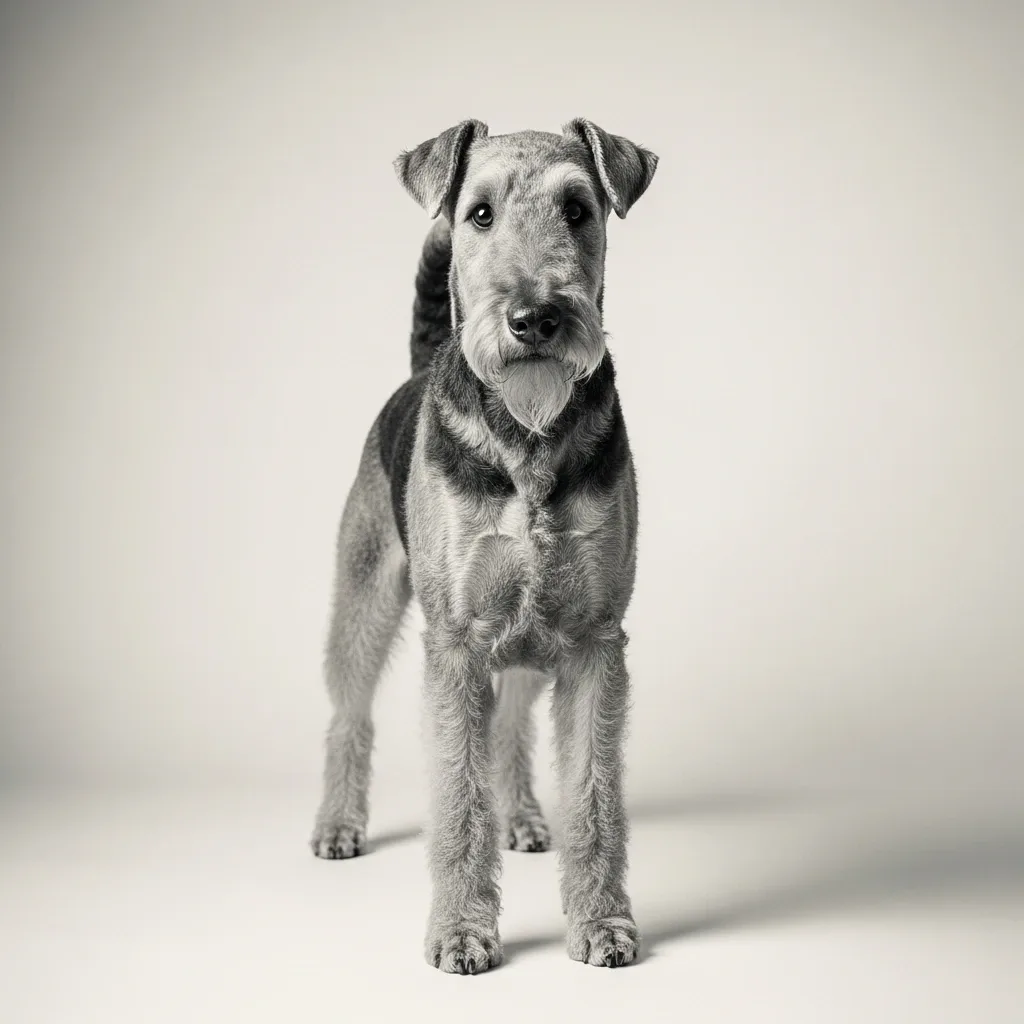
Airedale Terrier
The 'King of Terriers', the Airedale is the largest of all terrier breeds. They are brave, hardworking, and highly intelligent, making them excellent partners for active Kiwi families who love tramping and outdoor adventures.
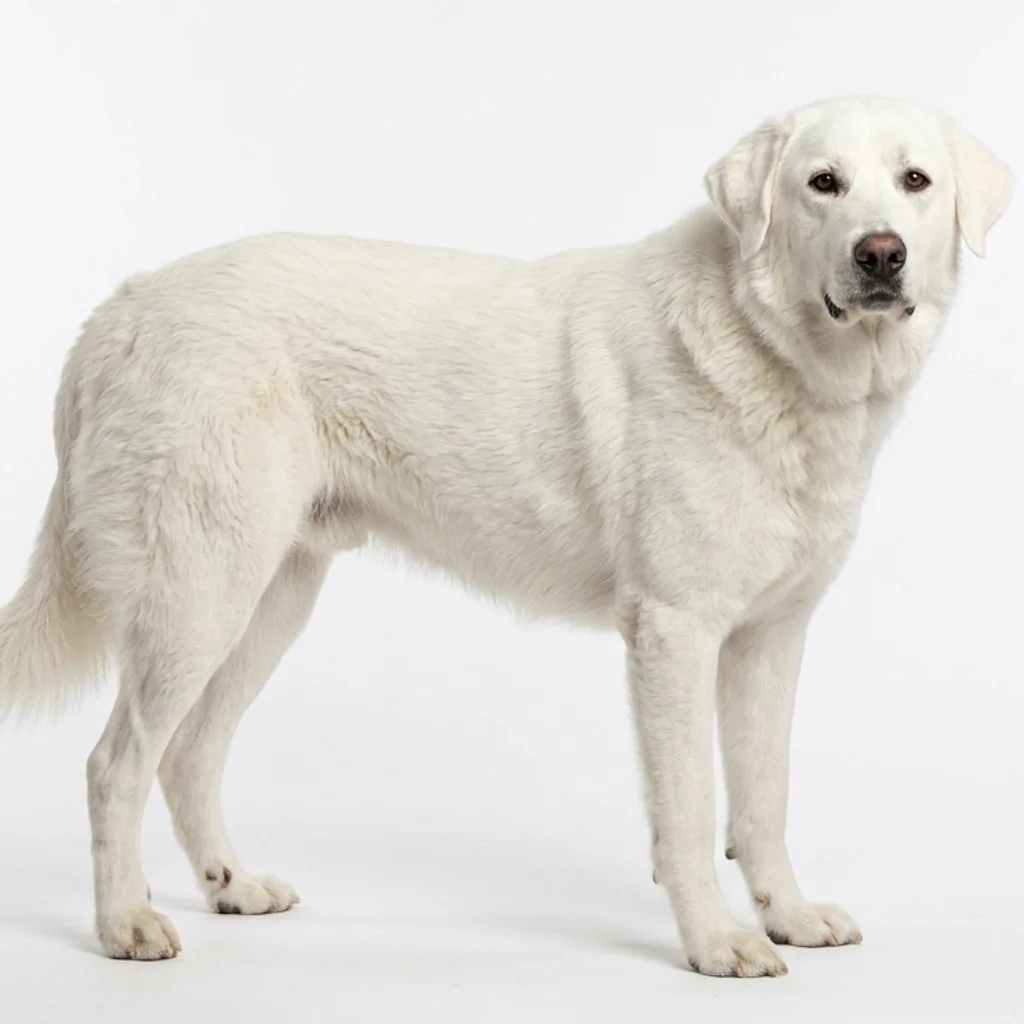
Akbash Dog
Originally a Turkish livestock guardian, the Akbash is a serious, protective, and independent breed. They are not suited for apartment living and thrive on large NZ lifestyle blocks where they can have a 'territory' to watch over.