Dog Breed Guide NZ
Basset Hound
The Basset Hound, with its distinctive long, velvety ears, mournful eyes, and low-slung body, is an iconic scent hound. Originating from France, this breed is renowned for its exceptional tracking abilities and incredibly calm, devoted nature. While they enjoy a good nap on the couch, Bassets are surprisingly active outdoors, driven by their powerful noses. They are friendly and gentle, making them wonderful companions for families. Their independent streak means training requires patience and consistency. In New Zealand, a Basset Hound fits well into a home that appreciates a laid-back yet characterful companion, provided their exercise and grooming needs are met, and their love for a good sniff is indulged on local walks.
Photo Gallery
Breed Snapshot
- Size
- 18-30 kg
- Lifespan
- 12-13 years
- Origin
- Being enriched
- Temperament
- Friendly, calm, gentle, loyal, independent, devoted
- NZ Price
- $1,500 - $3,500 NZD from registered breeders; $150-$450 NZD adoption via SPCA or breed-specific rescues.
- Annual Vet Cost
- Estimated annual vet costs for a Basset Hound in NZ are typically $600 - $1,200 NZD. This includes routine check-ups, vaccinations, flea/worm treatments, and potential costs for breed-specific issues. Bassets are prone to ear infections (due to their long, pendulous ears), intervertebral disc disease (IVDD) due to their long backs, bloat (gastric dilatation-volvulus), and joint issues like elbow dysplasia. Regular ear cleaning and monitoring for back pain are essential preventative measures.
Personality Scores
NZ Lifestyle Fit
Basset Hounds can adapt to various New Zealand living situations, but each has considerations. For an apartment in Auckland, their low indoor energy is a plus, but daily walks are crucial to prevent boredom and weight gain. Secure outdoor access for toilet breaks and sniff-exploration is ideal. Auckland's humid summers necessitate diligent ear cleaning to prevent infections. A house with a section is excellent, provided the fencing is secure and high enough to deter a determined Basset following a scent – they are surprisingly agile when motivated. For rural NZ farm life, Bassets are generally unsuitable unless strictly contained; their strong prey drive and independent nature mean they will wander far, potentially endangering themselves or livestock. South Island's cold winters require a warm, sheltered sleeping area due to their short coats. High UV levels across NZ mean sun protection for any exposed skin, though their short coat generally offers good coverage. MPI has no specific restrictions on owning Basset Hounds in New Zealand.
Origins & History
The Basset Hound's lineage can be traced back to 16th-century France, where they were developed by monks at the Abbey of St. Hubert. The name 'Basset' is derived from the French word 'bas', meaning 'low', a clear reference to their distinctive short stature. Bred primarily for hunting small game like rabbits and hares, their low-to-the-ground build and incredible sense of smell allowed them to track scent trails through dense undergrowth where taller hounds struggled. Their short legs meant hunters could follow them on foot, making them popular with nobility and commoners alike. The breed gained significant popularity in England in the late 19th century and eventually made its way around the world, cherished not just for its hunting prowess but also for its unique appearance and gentle temperament. Today, the Basset Hound remains a beloved companion dog, admired for its charming personality and unmistakable look.
Appearance
The Basset Hound is instantly recognisable by its unique physical traits. They possess a heavy bone structure, short, powerful legs, and a long, substantial body, giving them a sturdy, low-slung appearance. Their most striking features are undoubtedly their long, pendulous ears, which are set low on the head and hang in graceful folds, often dragging on the ground to help sweep scents towards their nose. Their large, dark, often 'sad-looking' eyes, combined with wrinkled brows and loose skin around the face, contribute to their famously mournful expression. The coat is short, smooth, and dense, typically tricolour (black, tan, and white) or bicolour (lemon and white, or tan and white). Despite their somewhat clumsy appearance, Basset Hounds move with a deliberate, powerful gait, always ready to follow a captivating scent.
Temperament & Personality
Basset Hounds are known for their exceptionally friendly, calm, and gentle disposition. They are devoted companions, forming strong bonds with their families and generally getting along well with children and other pets. Their placid nature makes them excellent indoor dogs, content to lounge around, but don't let their relaxed demeanour fool you; they possess a strong independent streak. Once they catch a scent, their focus becomes singular, and they can be notoriously stubborn, making consistent training essential. They are not typically aggressive but can be quite vocal, using a distinctive bay or 'howl' when excited or lonely. Their loyalty is unwavering, and they thrive on companionship, preferring to be part of family activities rather than left alone for long periods.
Life in New Zealand
Bringing a Basset Hound into a New Zealand home offers a unique blend of laid-back companionship and outdoor adventure. Their calm indoor nature makes them suitable for various living situations, from a flat with a small garden to a house with a decent-sized section. They enjoy exploring our beautiful beaches (where permitted), local reserves, and dog-friendly walking tracks, always with their nose to the ground. Kiwi owners will appreciate their low-maintenance coat, though their long ears require regular cleaning, especially in our humid northern summers, to prevent infections. Their love for food means owners need to be diligent with diet and exercise to prevent obesity, a common issue for the breed. Socialisation with other dogs and people in local parks or at dog training clubs will ensure they grow into well-adjusted members of the community.
Is This the Right Breed for You?
The Basset Hound is an ideal companion for individuals or families seeking a loyal, gentle, and somewhat comical dog. They fit well into homes that can provide consistent, positive training to manage their independence and a secure environment to prevent them from following their noses on an adventure. Owners must be prepared for their distinctive baying, occasional stubbornness, and the need for regular ear care. While they are not high-energy dogs, they do require daily walks and mental stimulation through scent games. If you appreciate a dog with character, a relaxed attitude, and an exceptional sense of smell, and you're ready to embrace their unique quirks, a Basset Hound could be the perfect addition to your Kiwi household.
Fun Facts
Fact 1
The Basset Hound's name comes from the French word 'bas', meaning 'low', referring to their short stature.
Fact 2
Their long, droopy ears not only look distinctive but also help sweep scents from the ground up towards their nose, enhancing their tracking ability.
Fact 3
Basset Hounds have one of the best senses of smell in the canine world, second only to the Bloodhound.
Fact 4
They are known for their unique 'bay' or 'howl', a deep, resonant vocalisation used to communicate, especially when on a scent trail.
Fact 5
Basset Hounds have been featured in popular culture, including as the logo for Hush Puppies shoes and as characters in various films and TV shows.
Related Breeds
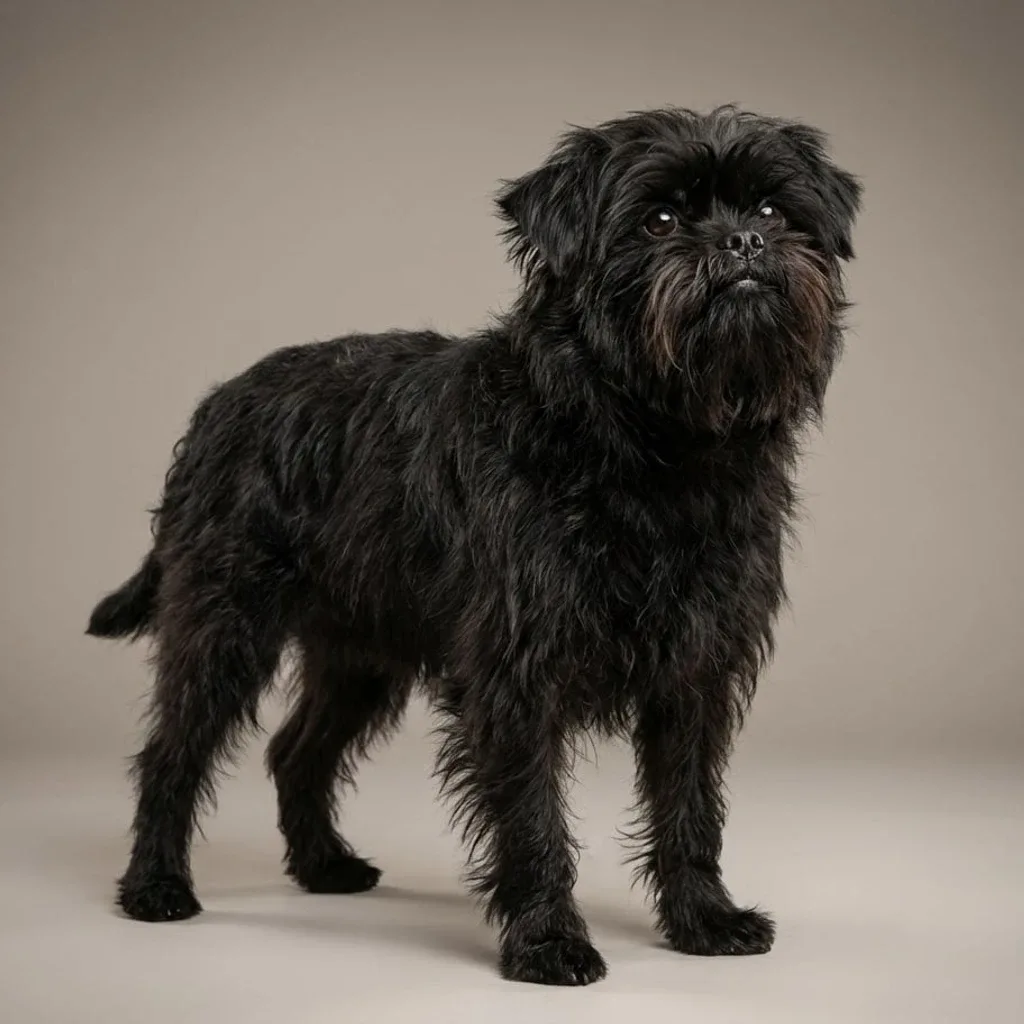
Affenpinscher
The Affenpinscher is a sturdy, monkey-like terrier-type toy breed known for its confidence and playful spirit. Despite its small size, it possesses a courageous heart and a loyal personality, making it a wonderful companion for Kiwi apartment dwellers or those with smaller sections.
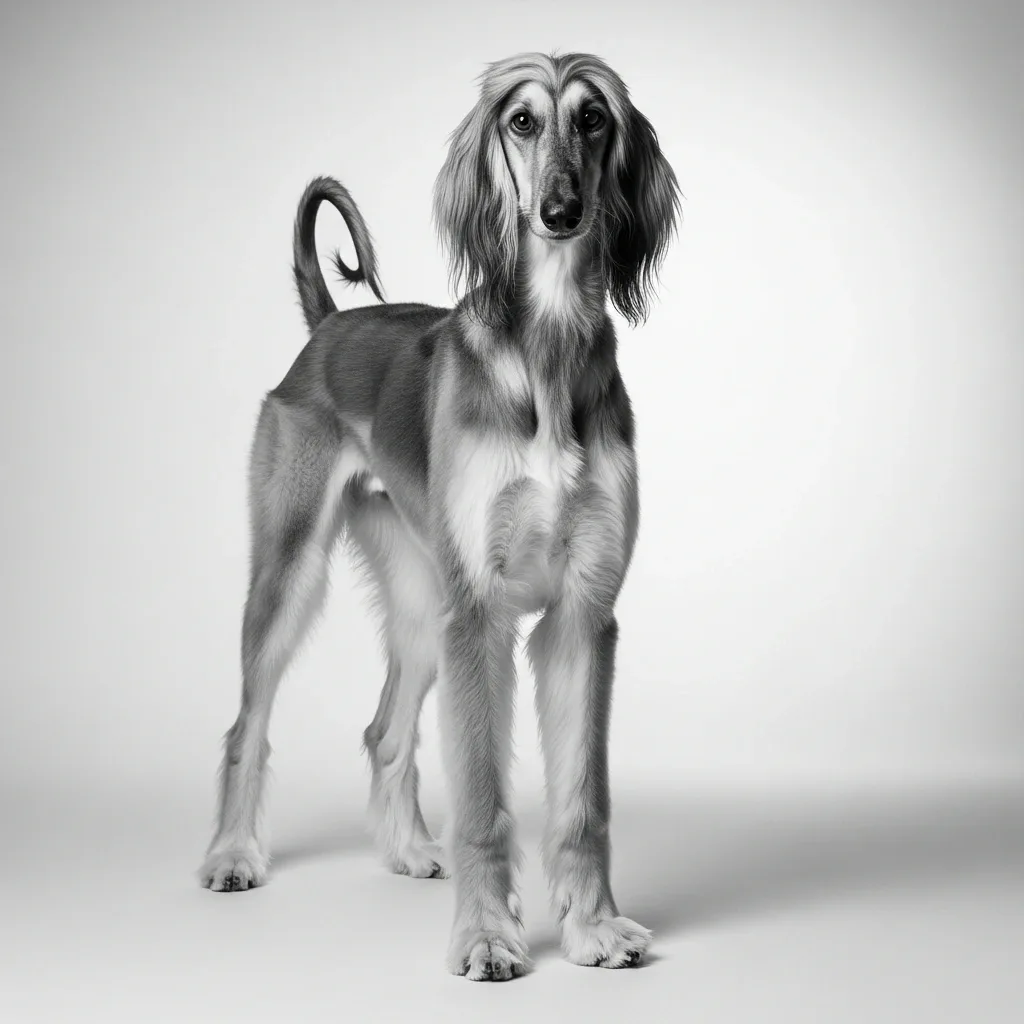
Afghan Hound
The Afghan Hound is an elegant aristocrat with a dignified and aloof personality. Known for its striking, silky coat, this breed is a high-maintenance beauty that requires ample space to run and an owner dedicated to its complex grooming needs.
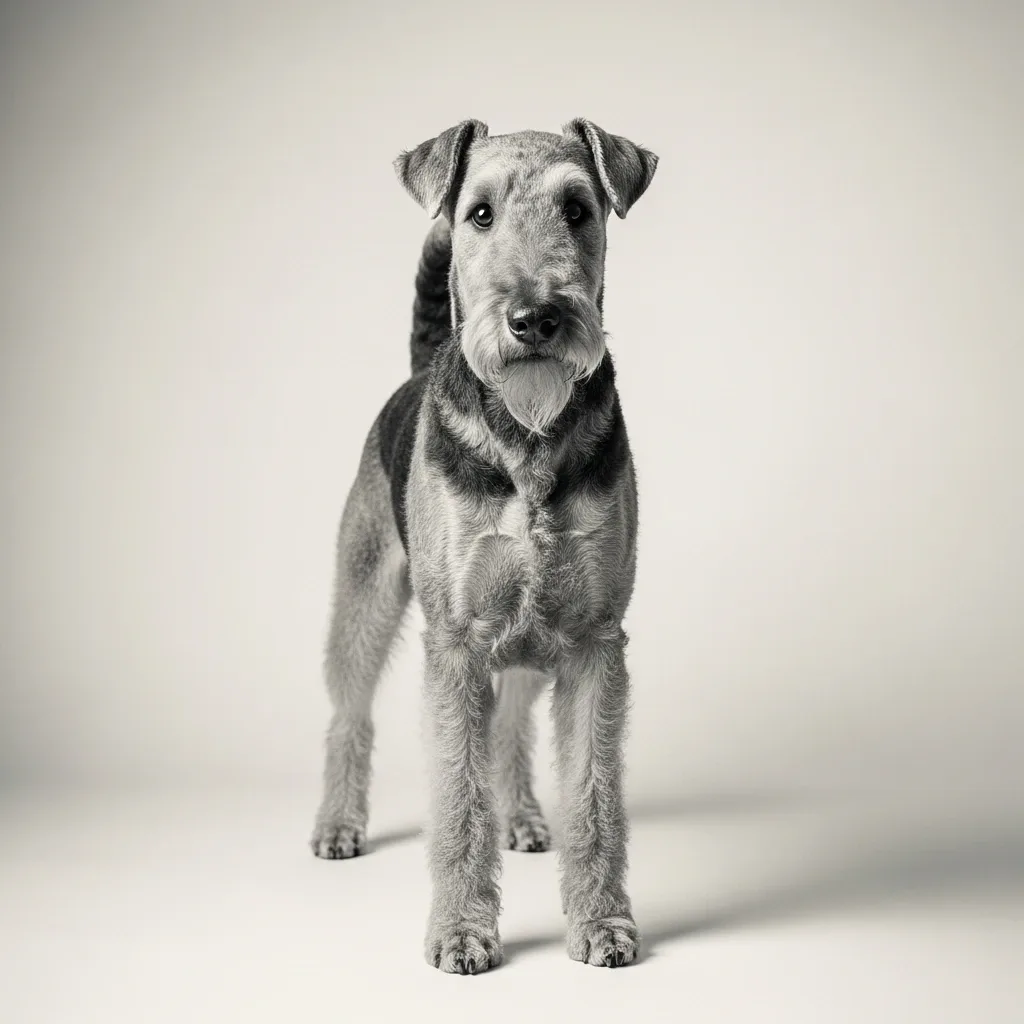
Airedale Terrier
The 'King of Terriers', the Airedale is the largest of all terrier breeds. They are brave, hardworking, and highly intelligent, making them excellent partners for active Kiwi families who love tramping and outdoor adventures.
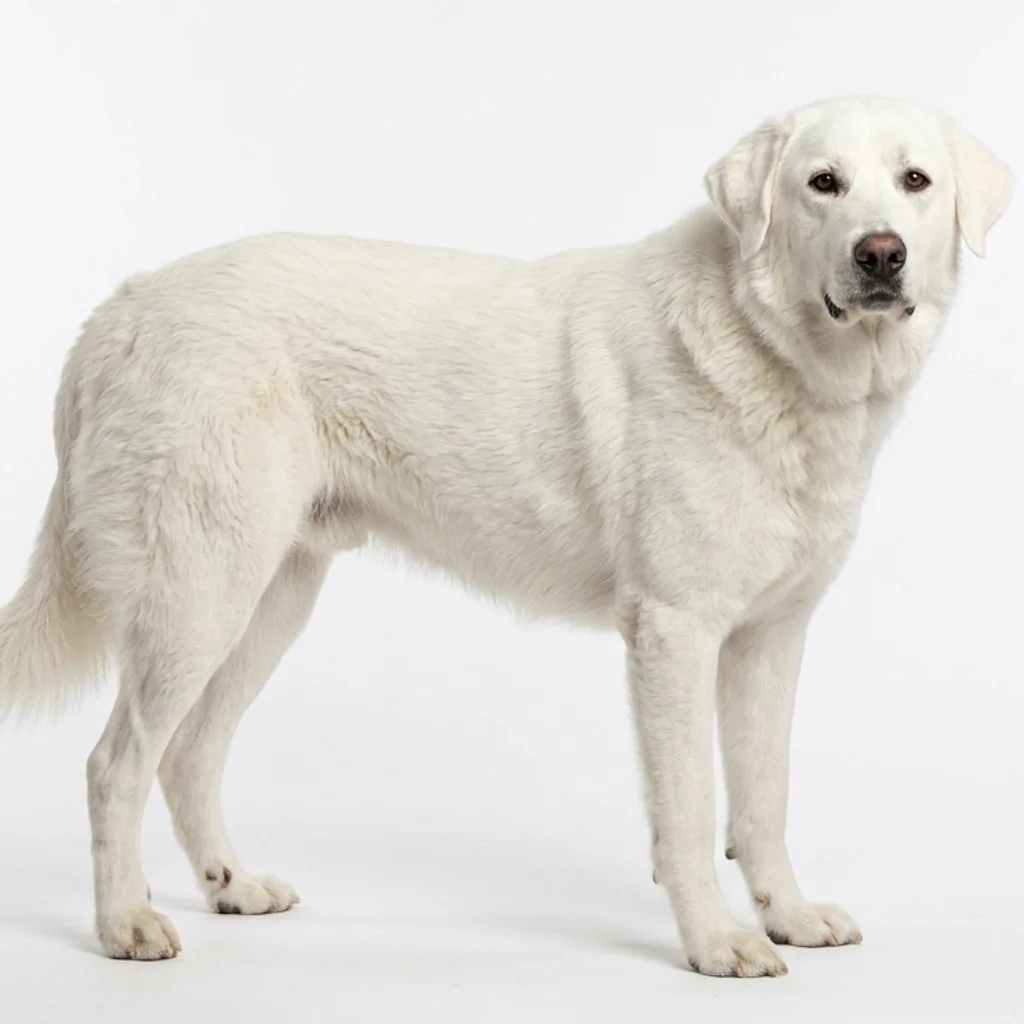
Akbash Dog
Originally a Turkish livestock guardian, the Akbash is a serious, protective, and independent breed. They are not suited for apartment living and thrive on large NZ lifestyle blocks where they can have a 'territory' to watch over.