Dog Breed Guide NZ
Basset Bleu de Gascogne
The Basset Bleu de Gascogne is a truly distinctive scent hound, instantly recognisable by its striking blue-mottled coat, soulful eyes, and exceptionally long, pendulous ears. Hailing from France, these noble dogs are renowned for their gentle and friendly disposition, making them wonderful companions. Beneath their calm demeanour lies a powerful nose and an independent, often stubborn, spirit that requires patient handling. They are medium-sized, low-slung, and possess a remarkable sense of smell. In a New Zealand home, the Basset Bleu de Gascogne thrives as a loyal family member, enjoying a secure section for sniffing adventures and regular walks around the local reserves or beaches, perfectly suiting a relaxed Kiwi lifestyle.
Photo Gallery
Breed Snapshot
- Size
- 16-18 kg
- Lifespan
- 10-14 years
- Origin
- Being enriched
- Temperament
- Gentle, friendly, alert, loyal, independent
- NZ Price
- $2,500 - $4,000 NZD from registered breeders; $150-$350 NZD adoption via SPCA (if available)
- Annual Vet Cost
- Estimated annual vet costs for a Basset Bleu de Gascogne in NZ can range from $600 - $1,200 NZD. This includes routine check-ups, vaccinations, flea/worm treatments, and potential costs for breed-specific issues like chronic ear infections, bloat (gastric dilatation-volvulus), hip/elbow dysplasia, and certain eye conditions such as entropion or ectropion. Regular ear cleaning and monitoring can help mitigate infection costs.
Personality Scores
NZ Lifestyle Fit
The Basset Bleu de Gascogne can adapt to various New Zealand living situations, but some are more suitable than others. For apartment living in Auckland, it's challenging but not impossible. They are relatively calm indoors, but their strong scent drive necessitates dedicated daily walks and mental stimulation to prevent boredom and destructive behaviours. A house with a secure section is ideal, providing them with space to sniff and potter safely. Rural NZ farm life can also suit them, but extreme caution is needed; their powerful nose means they will follow a scent for miles, potentially leading them into danger or onto neighbouring properties. Secure fencing is paramount, even on a farm. Regarding climate, their short coat handles Auckland's humid summers and the South Island's cold winters reasonably well. However, their long ears are prone to infections in humid conditions, requiring diligent cleaning. High UV in NZ means sun protection might be needed for lighter-coated areas or if they spend extended time outdoors. There are no specific MPI restrictions for the Basset Bleu de Gascogne in New Zealand.
Origins & History
The Basset Bleu de Gascogne, as its name suggests, hails from the historic region of Gascony in southwestern France. This ancient breed is a descendant of the much larger Grand Bleu de Gascogne, selectively bred to create a shorter-legged version suitable for hunting on foot. Their lineage can be traced back centuries, originally developed to track hare, deer, and wild boar, utilising their exceptional sense of smell and melodious baying voice. While once a common sight in rural France, the breed faced near extinction in the late 19th and early 20th centuries. Thanks to dedicated breeders, particularly Alain Bourbon, the Basset Bleu de Gascogne was revived and continues to be cherished for its unique appearance and charming temperament. They are still relatively rare outside of France, making them a unique addition to the New Zealand dog community.
Appearance
The Basset Bleu de Gascogne is a medium-sized, low-slung dog, built for endurance and tracking. Males typically weigh between 16-18 kg and stand around 30-38 cm at the shoulder. Their most striking feature is undoubtedly their coat: a short, dense, and hard-wearing blue-mottled pattern, often appearing as black patches on a white background, giving a slate-blue impression. Tan markings are common on the cheeks, above the eyes, and on the legs, creating a tricolour effect. Their head is noble and somewhat elongated, featuring a prominent nose, often black. The eyes are dark and expressive, conveying a gentle and intelligent nature. Perhaps their second most iconic feature is their incredibly long, pendulous ears, set low and folding elegantly. These ears not only contribute to their distinctive look but also help to funnel scents towards their powerful nose. They have a deep chest, a strong back, and sturdy, short legs, all contributing to their robust and hardy appearance.
Temperament & Personality
Known for their gentle and friendly nature, Basset Bleu de Gascognes are typically calm and affectionate dogs, making them excellent family pets. They are generally good with children, displaying patience and a tolerant demeanour, and often get along well with other dogs and even cats if socialised from a young age. Their loyalty to their family is unwavering. However, their strong scent drive is a defining characteristic; once they catch a compelling scent, their independent nature takes over, and they can become single-minded in their pursuit. This means they require a securely fenced section and reliable recall training. While generally placid indoors, they are alert and will often 'bay' or bark to announce visitors or anything unusual. They can possess a stubborn streak, a common trait among scent hounds, which requires consistent, positive reinforcement training and a good sense of humour from their owners.
Life in New Zealand
The Basset Bleu de Gascogne can adapt well to life in New Zealand, provided their specific needs are met. Their short coat makes them relatively resilient to both warmer Auckland summers and colder South Island winters, though common sense care is still needed. In summer, ensure they have access to shade and fresh water, and be mindful of high UV levels, especially for any areas with less dense fur. In winter, a warm, dry sleeping area is essential. Their strong desire to follow a scent means a secure, escape-proof section is non-negotiable for their safety. They will thrive on daily walks, exploring local parks, beaches, or even suitable tramping tracks, always on a lead unless in a fully secure off-leash area. Their love for sniffing makes them excellent companions for exploring New Zealand's diverse natural landscapes. They are not a breed with any specific MPI restrictions for import, though standard pet import regulations apply.
Is This the Right Breed for You?
The Basset Bleu de Gascogne is an ideal companion for individuals or families who appreciate a calm, affectionate, and somewhat independent dog. They are best suited to homes with a securely fenced section where they can safely explore scents. Owners should be prepared for their strong scent drive, which means they might not be the best choice for those seeking an off-leash hiking companion in unfenced areas. Their gentle nature makes them wonderful with children and other pets, but their stubbornness requires patience and consistency in training. If you enjoy daily walks, can provide mental stimulation through scent games, and are willing to manage their grooming needs (especially ear care), a Basset Bleu de Gascogne could be a loyal and loving addition to your Kiwi household. They are not a high-energy breed, but they do require regular, moderate exercise and mental engagement.
Fun Facts
Fact 1
The Basset Bleu de Gascogne's 'blue' coat isn't actually blue, but rather a striking mottled pattern of black patches on a white background, giving a slate-blue appearance.
Fact 2
Their exceptionally long, low-set ears are not just for show; they help to funnel scents towards their powerful nose, enhancing their tracking abilities.
Fact 3
Despite their relatively calm demeanour, these dogs possess one of the most powerful noses in the canine world, making them expert scent hounds.
Fact 4
They are considered a 'basset' breed, meaning 'low-set' in French, referring to their short legs and long body.
Fact 5
The Basset Bleu de Gascogne is known for its distinctive, melodious 'bay' when on a scent trail, a characteristic sound of many hound breeds.
Related Breeds
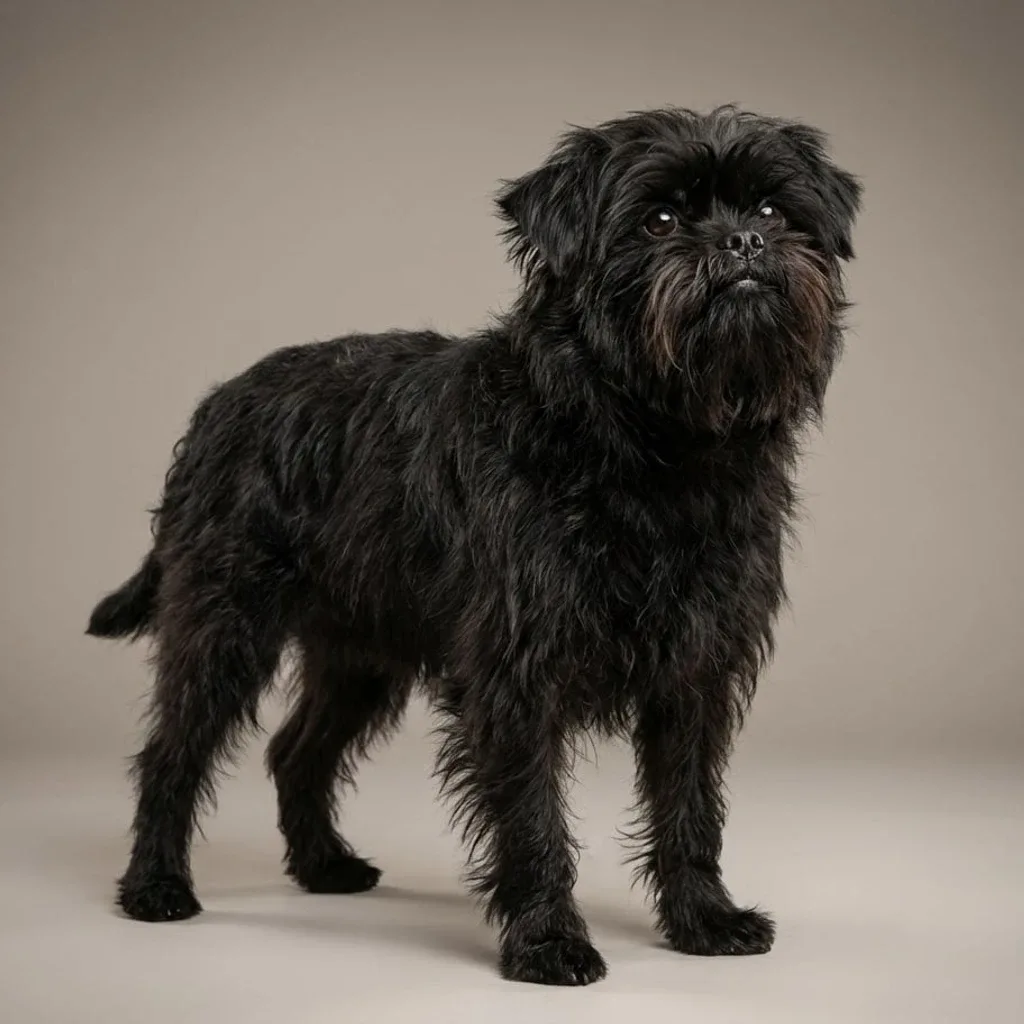
Affenpinscher
The Affenpinscher is a sturdy, monkey-like terrier-type toy breed known for its confidence and playful spirit. Despite its small size, it possesses a courageous heart and a loyal personality, making it a wonderful companion for Kiwi apartment dwellers or those with smaller sections.
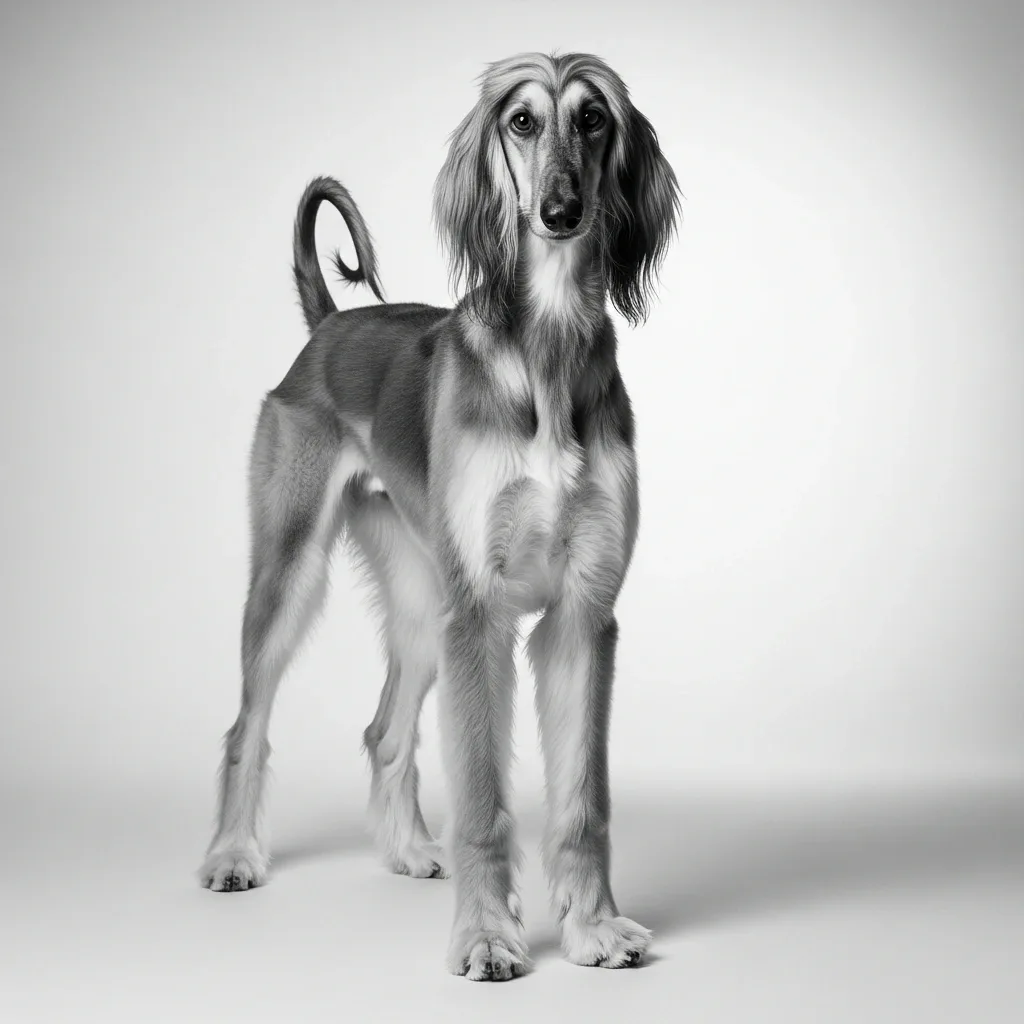
Afghan Hound
The Afghan Hound is an elegant aristocrat with a dignified and aloof personality. Known for its striking, silky coat, this breed is a high-maintenance beauty that requires ample space to run and an owner dedicated to its complex grooming needs.
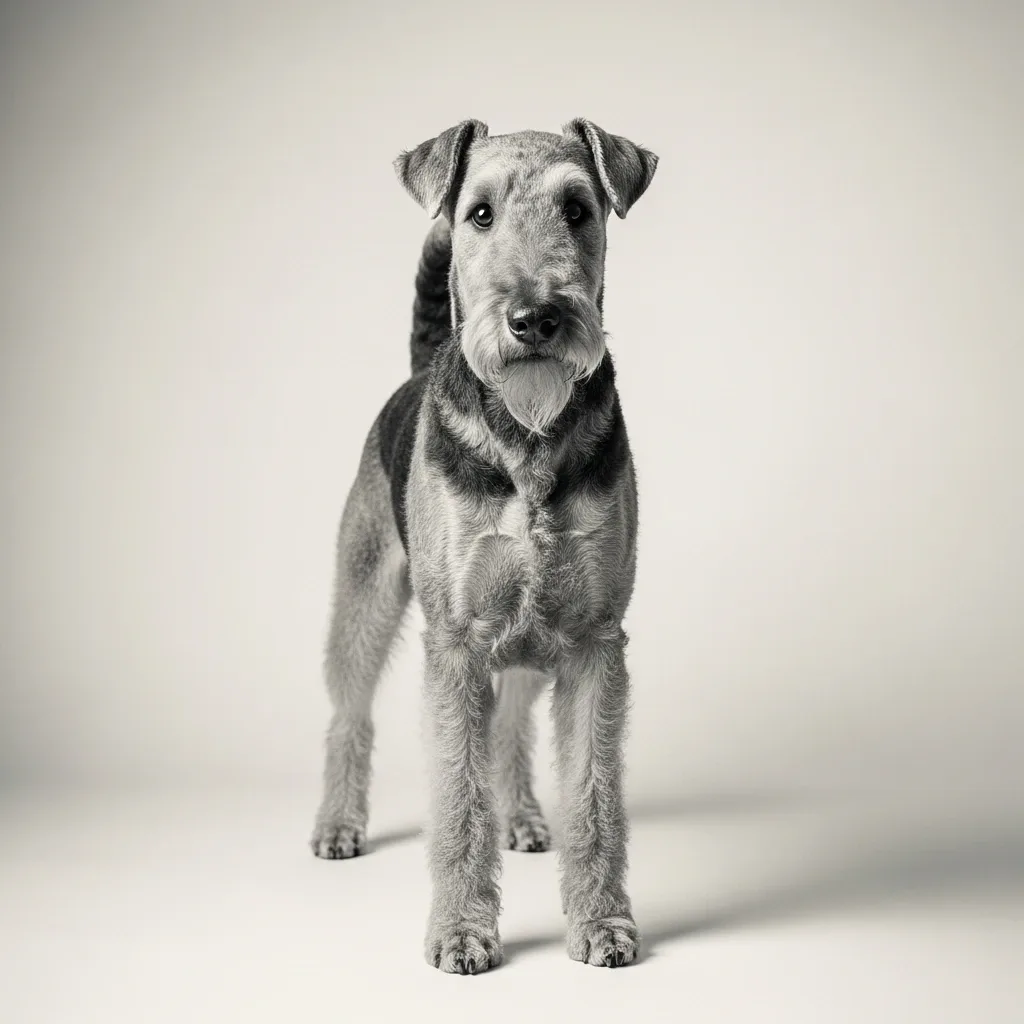
Airedale Terrier
The 'King of Terriers', the Airedale is the largest of all terrier breeds. They are brave, hardworking, and highly intelligent, making them excellent partners for active Kiwi families who love tramping and outdoor adventures.
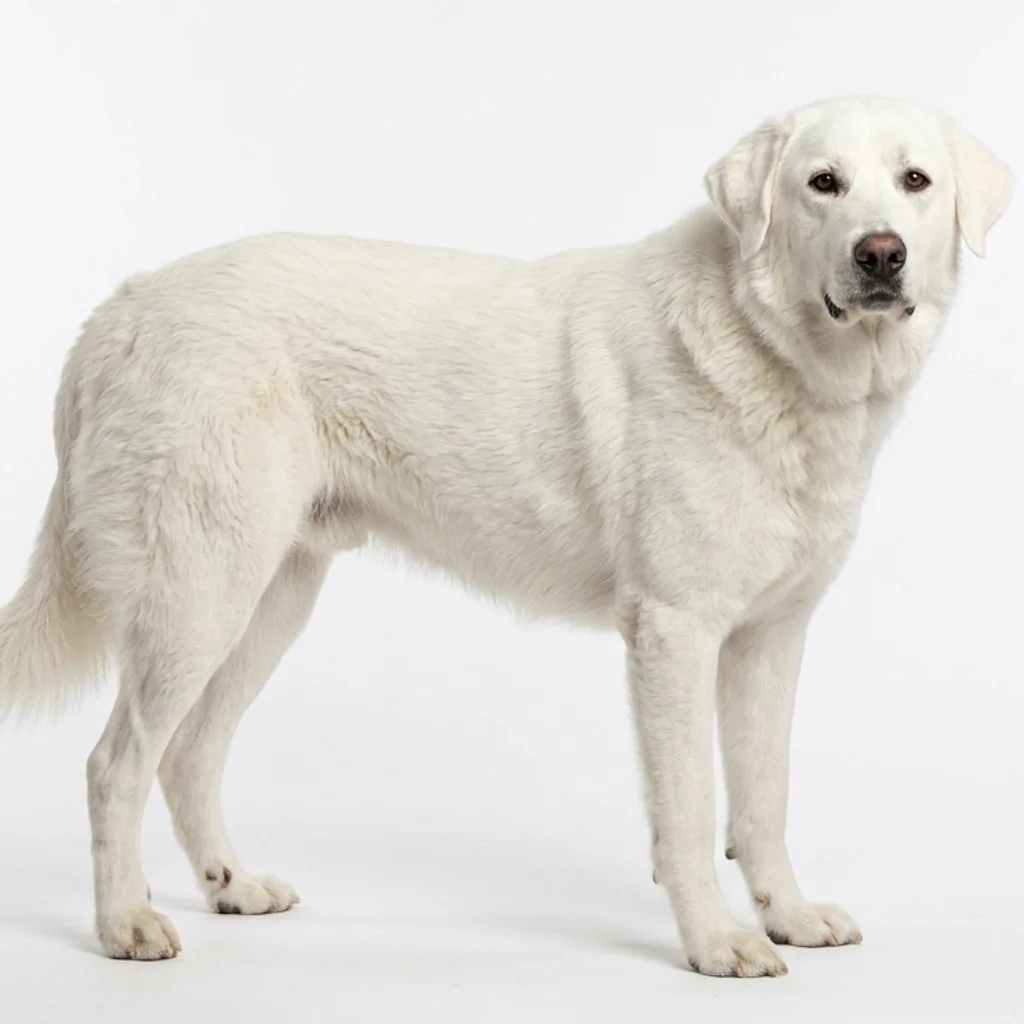
Akbash Dog
Originally a Turkish livestock guardian, the Akbash is a serious, protective, and independent breed. They are not suited for apartment living and thrive on large NZ lifestyle blocks where they can have a 'territory' to watch over.