Dog Breed Guide NZ
Basenji
Known as the 'barkless dog' of Africa, the Basenji is a truly unique and ancient breed that has found a niche amongst discerning Kiwi owners. Instead of barking, they communicate with an endearing yodel, often called a 'barroo', and possess a remarkably clean, almost cat-like fastidiousness with little to no typical doggy odour. Intelligent, independent, and perpetually curious, Basenjis are a captivating blend of elegance and athleticism. While their spirited nature requires an experienced hand, their devotion to their chosen family is unwavering. For active New Zealanders who appreciate a dog with character and can provide consistent training and secure environments, a Basenji can be a rewarding companion, fitting well into suburban homes with a good section or even some city flats with dedicated exercise routines.
Photo Gallery
Breed Snapshot
- Size
- Male: 10-12 kg; Female: 9-11 kg
- Lifespan
- 13-14 years
- Origin
- Being enriched
- Temperament
- Independent, intelligent, alert, energetic, curious, affectionate
- NZ Price
- $1,500 - $3,500 NZD from registered breeders; $150-$450 NZD adoption via SPCA (when available)
- Annual Vet Cost
- Estimated annual vet costs for a Basenji in NZ range from $400 - $800 NZD for routine care (vaccinations, flea/worming, annual check-ups). This breed is predisposed to certain genetic conditions such as Fanconi syndrome (a kidney disorder), Progressive Retinal Atrophy (PRA), and pyruvate kinase deficiency. Costs for managing these conditions, if they arise, could significantly increase annual expenses, potentially adding $500 - $2,000+ NZD for diagnostics and ongoing treatment.
Personality Scores
NZ Lifestyle Fit
Basenjis can adapt to various New Zealand living situations, but their suitability largely depends on the owner's commitment to their specific needs. For an apartment in Auckland, a Basenji could potentially thrive if they receive ample daily exercise outside the flat, including regular trips to dog parks or long walks along the waterfront. Their clean nature is a plus for apartment living. However, their energy means a small flat without easy outdoor access might be challenging. A house with a section is generally more suitable, provided the section is securely fenced – Basenjis are notorious escape artists and can climb or dig. Rural NZ farm life is generally not recommended; their strong prey drive makes them a risk to livestock and local wildlife, and their wanderlust means they're likely to roam far from home. Regarding climate, Basenjis have short coats, so while Auckland's humid summers are generally fine with access to shade and water, they will need protection (like a dog coat) during South Island's cold winters. High UV levels across NZ mean light-coloured Basenjis should have sun protection during prolonged outdoor exposure. There are no specific MPI restrictions on owning Basenjis in New Zealand.
Origins & History
Originating from the dense jungles of Central Africa, the Basenji is one of the oldest dog breeds, with a history stretching back thousands of years. Often depicted in ancient Egyptian artefacts, these dogs were originally used by tribal hunters to flush out game, relying on their keen senses, agility, and silent hunting style. Their unique vocalisation, a yodel rather than a bark, served them well in the wild, allowing them to communicate without alerting larger predators. The breed remained largely isolated in Africa until the late 19th and early 20th centuries when European explorers brought them to the Western world. Despite their ancient lineage, Basenjis are still considered a relatively rare breed in New Zealand, cherished by those who appreciate their distinctive qualities.
Appearance
The Basenji is a medium-sized, elegant, and athletic dog, built for speed and agility. Males typically weigh between 10-12 kg, while females are slightly lighter at 9-11 kg. They possess a short, fine, and glossy coat that comes in various colours, including red and white, black and white, brindle, and tri-colour. Distinctive features include their wrinkled forehead, giving them an inquisitive expression, and their tightly curled tail that sits high over their back. Their erect, pointed ears further contribute to their alert and intelligent appearance, making them instantly recognisable.
Temperament & Personality
Basenjis are renowned for their independent, intelligent, and alert nature. They are often described as having a 'cat-like' personality due to their fastidious grooming habits and aloofness towards strangers, though they are deeply affectionate and loyal to their immediate family. Energetic and curious, they thrive on mental stimulation and physical activity. Their independence means they are not always eager to please, making training a unique challenge that requires patience and consistency. While generally good-natured, their strong prey drive means they can be a handful around smaller pets or in environments with tempting wildlife. They are known for their playful antics and can be quite mischievous, always keeping their owners on their toes.
Life in New Zealand
Bringing a Basenji into a New Zealand home offers a unique experience. Their clean nature and lack of doggy odour make them pleasant housemates, even in smaller dwellings, provided their exercise needs are met. Their short coat is well-suited to New Zealand's varied climate, though they may appreciate a coat in colder South Island winters. Basenjis thrive on activity, making them excellent companions for Kiwis who enjoy exploring our beautiful beaches, reserves, and walking tracks. However, their strong prey drive and tendency to roam mean secure fencing is non-negotiable, and off-leash activities should be limited to fully enclosed areas. Early socialisation with other dogs and people is crucial for them to become well-adjusted members of the family and community.
Is This the Right Breed for You?
The Basenji is not a breed for the faint-hearted or first-time dog owner. Their intelligence and independence require an owner who understands canine behaviour and is committed to consistent, positive reinforcement training. They need significant daily exercise and mental engagement to prevent boredom and destructive behaviours. If you appreciate a dog with a unique personality, are prepared for their spirited nature, and can provide a secure, stimulating environment, a Basenji can be an incredibly rewarding companion. They form strong bonds with their families and, with the right care, will bring years of joy and entertainment to a dedicated Kiwi household.
Fun Facts
Fact 1
Basenjis don't bark; instead, they make a unique yodelling sound often described as a 'barroo'.
Fact 2
They are one of the most ancient dog breeds, with origins tracing back thousands of years to Central Africa.
Fact 3
Basenjis are known for their cat-like fastidiousness, often grooming themselves meticulously.
Fact 4
They have a distinctive wrinkled forehead and a tightly curled tail that sits over their back.
Fact 5
Basenjis are highly intelligent and independent, often described as having a 'cat-like' personality.
Related Breeds
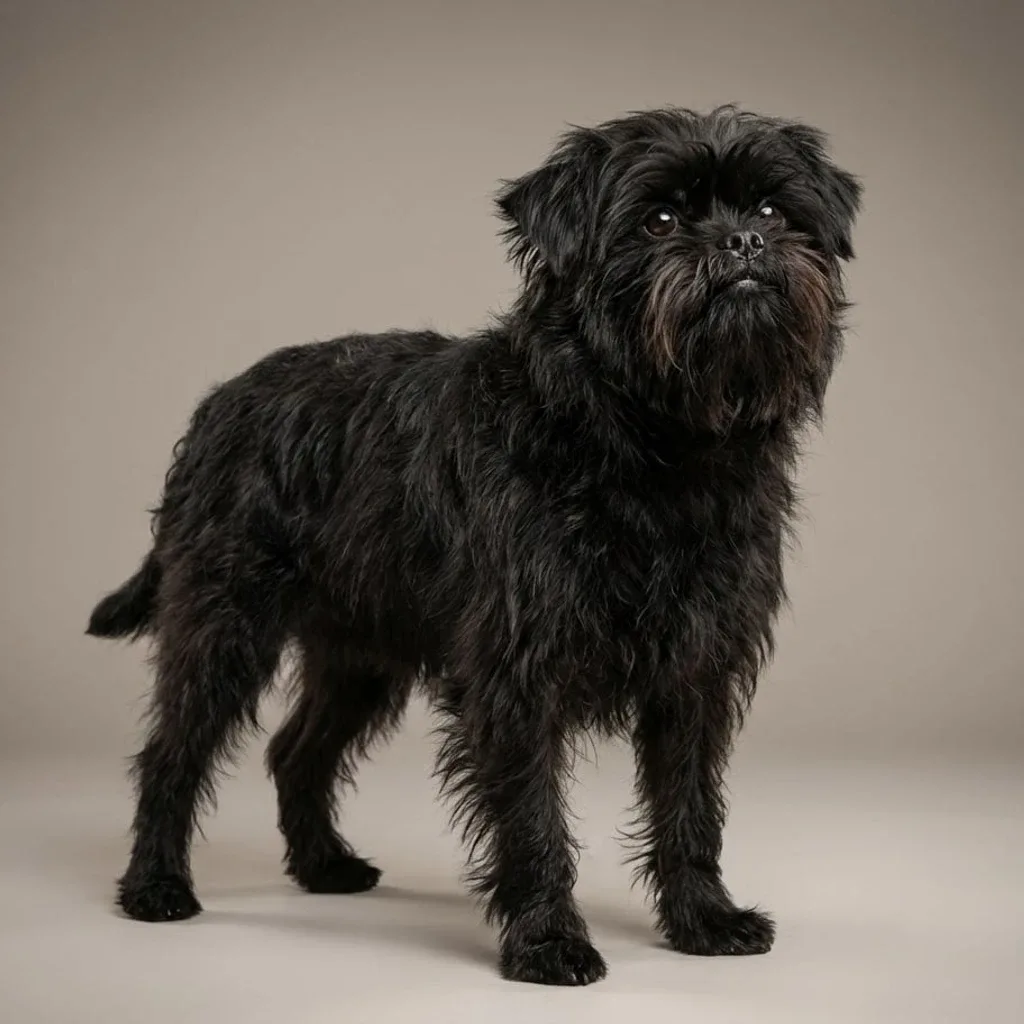
Affenpinscher
The Affenpinscher is a sturdy, monkey-like terrier-type toy breed known for its confidence and playful spirit. Despite its small size, it possesses a courageous heart and a loyal personality, making it a wonderful companion for Kiwi apartment dwellers or those with smaller sections.
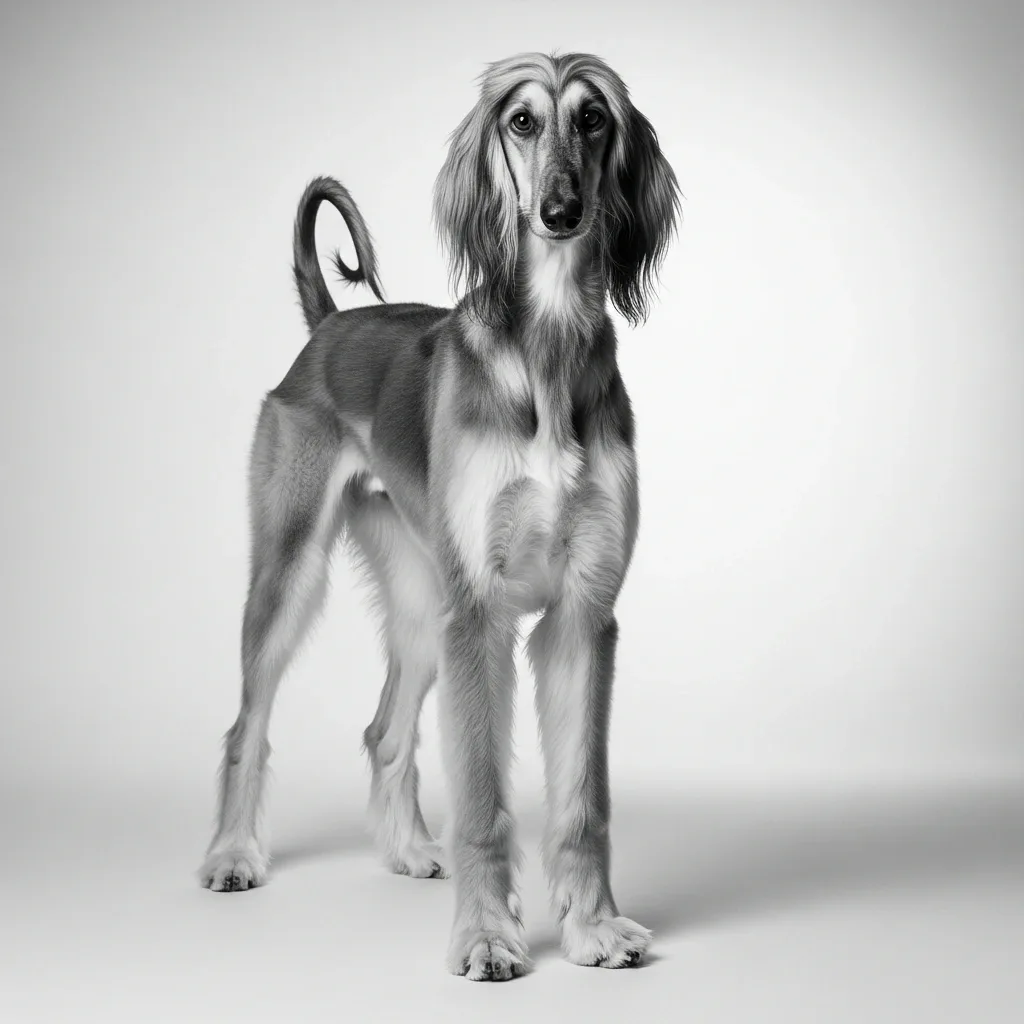
Afghan Hound
The Afghan Hound is an elegant aristocrat with a dignified and aloof personality. Known for its striking, silky coat, this breed is a high-maintenance beauty that requires ample space to run and an owner dedicated to its complex grooming needs.
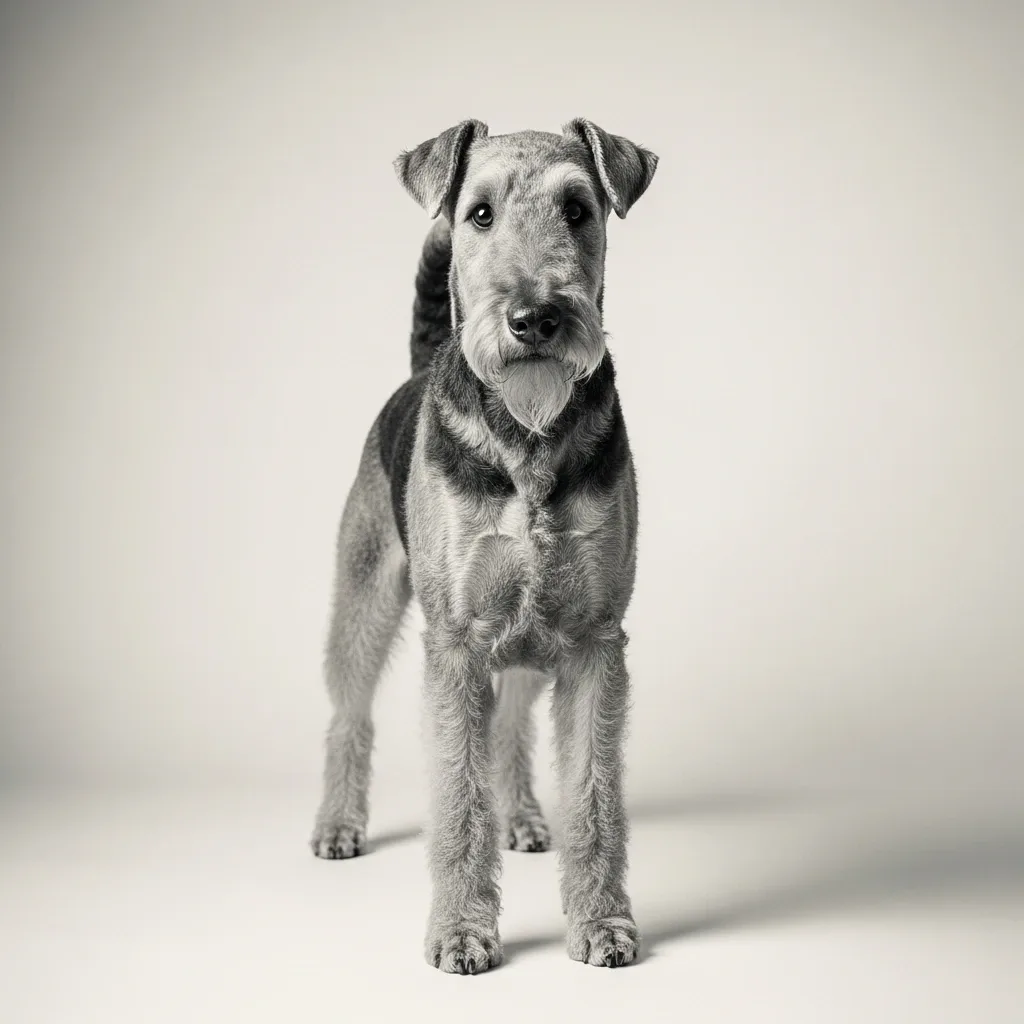
Airedale Terrier
The 'King of Terriers', the Airedale is the largest of all terrier breeds. They are brave, hardworking, and highly intelligent, making them excellent partners for active Kiwi families who love tramping and outdoor adventures.
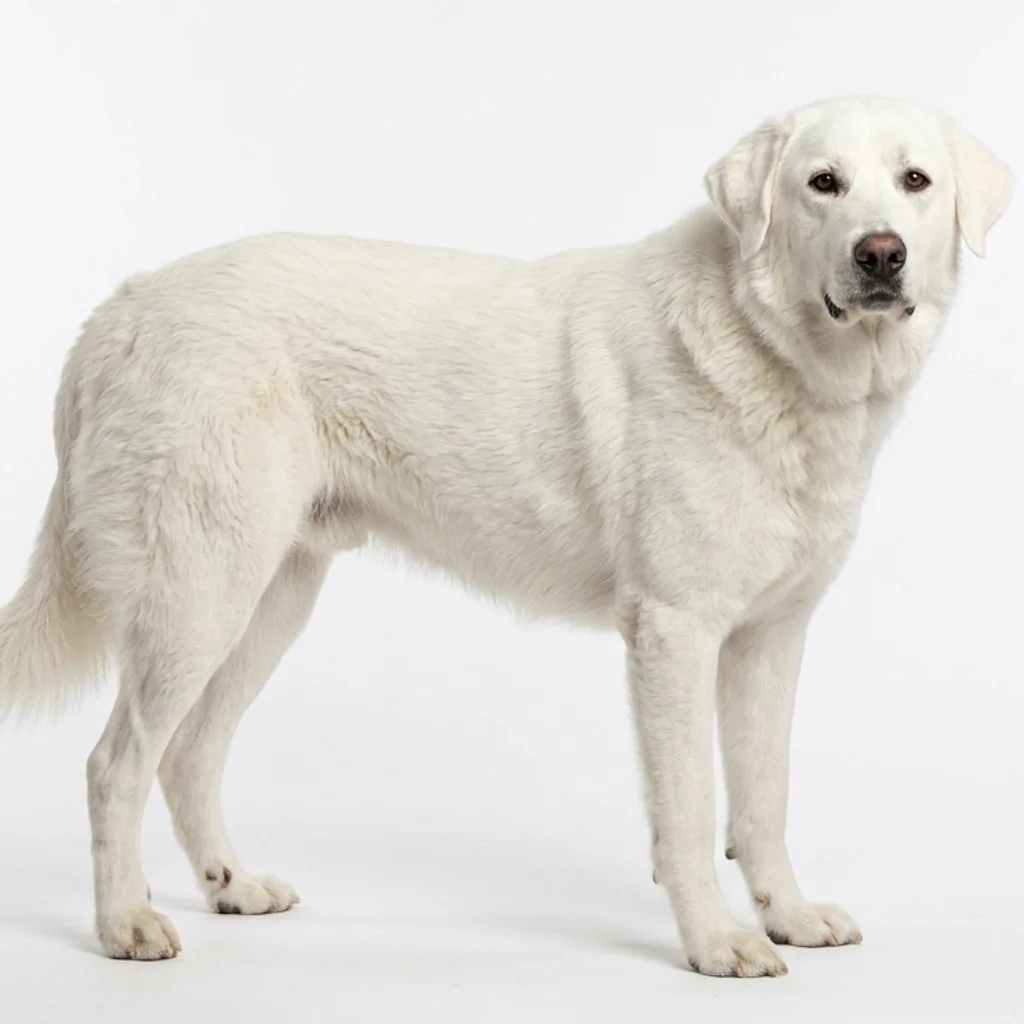
Akbash Dog
Originally a Turkish livestock guardian, the Akbash is a serious, protective, and independent breed. They are not suited for apartment living and thrive on large NZ lifestyle blocks where they can have a 'territory' to watch over.