Dog Breed Guide NZ
Barbet
The Barbet, a joyful and intelligent French water dog, is instantly recognisable by its distinctive woolly, curly coat. These versatile athletes are devoted companions who absolutely adore swimming, making them perfect for active Kiwi households. Known for their friendly and even-tempered nature, Barbets integrate seamlessly into family life, thriving on companionship and outdoor adventures. Whether it's a splash at the beach, a bush walk, or simply playing in the backyard, their adaptable and affectionate personality makes them an ideal furry friend for those who embrace New Zealand's vibrant outdoor lifestyle and can commit to their grooming needs.
Photo Gallery
Breed Snapshot
- Size
- 17-28 kg
- Lifespan
- 12-14 years
- Origin
- Being enriched
- Temperament
- Friendly, intelligent, loyal, playful, athletic, devoted
- NZ Price
- $3,500 - $6,000 NZD from registered breeders; $150-$350 NZD adoption via SPCA (if available, which is rare for this breed)
- Annual Vet Cost
- Estimated annual vet costs for a Barbet in New Zealand typically range from $600 - $1,200 NZD. This includes routine check-ups, vaccinations, flea and worm treatments. Breed-specific health issues like hip and elbow dysplasia, progressive retinal atrophy (PRA), and epilepsy may require additional diagnostic tests or treatments, potentially increasing costs. Due to their floppy ears and love for water, ear infections are common and may incur frequent vet visits for cleaning and medication.
Personality Scores
NZ Lifestyle Fit
The Barbet's adaptability makes them suitable for various New Zealand living situations, though a house with a section is generally preferred. While they can adapt to apartment living in cities like Auckland, it requires a significant commitment to daily, vigorous exercise outside the flat. A house with a good-sized, securely fenced section provides ample space for them to play and burn off energy. They truly thrive in rural New Zealand settings, where their love for water and the outdoors can be fully indulged, whether it's exploring a farm or swimming in a nearby stream or lake. New Zealand's climate presents specific considerations. Auckland's humid summers necessitate diligent grooming to prevent their dense coat from matting and to ensure they don't overheat. In the South Island's colder winters, their thick coat provides excellent insulation, but they'll still appreciate a warm, dry place indoors. High UV levels across NZ mean owners should be mindful of sun exposure, especially for lighter-coloured Barbets, protecting sensitive areas like noses and ear tips. There are no specific MPI restrictions on owning a Barbet in New Zealand.
Origins & History
Originating from France, the Barbet is one of the oldest European water dog breeds, with a history stretching back centuries. Their name, derived from the French word 'barbe' meaning beard, perfectly describes their shaggy facial hair. Historically, Barbets were highly valued by hunters for their exceptional ability to retrieve waterfowl from icy waters, thanks to their dense, protective coats and natural swimming prowess. They were the original 'water dog' and are believed to be ancestors to many other modern water breeds, including the Poodle and Portuguese Water Dog. Despite their ancient lineage, the breed faced near extinction in the early 20th century, but dedicated breeders have worked tirelessly to revive and preserve this charming and versatile companion, bringing them back to a global presence, including here in Aotearoa.
Appearance
The Barbet is a medium-sized dog, typically weighing between 17-28 kg. Their most striking feature is their long, dense, woolly or curly coat, which covers their entire body, including their expressive eyes and long, pendulous ears. This unique coat is non-shedding, making them a potential option for some allergy sufferers, though no dog is truly hypoallergenic. Coat colours can vary, including black, brown, fawn, grey, and various shades in between, often with white markings. They possess a robust, athletic build, designed for endurance and agility in water. Their intelligent and gentle expression, often peeking out from behind their shaggy fringe, is a hallmark of the breed's endearing personality.
Temperament & Personality
True to their 'joyful' reputation, Barbets are known for their friendly, intelligent, and loyal disposition. They are highly sociable dogs that thrive on human companionship and are generally excellent with children and other pets, making them wonderful family dogs. Their playful nature ensures there's never a dull moment, and their athletic build means they're always up for an adventure. Barbets are eager to please and possess a keen intelligence, making them highly trainable. They form strong bonds with their families and can be quite sensitive, responding best to positive reinforcement and gentle handling. A well-socialised Barbet is a confident, adaptable, and devoted companion who loves to be involved in all family activities.
Life in New Zealand
Barbets are well-suited to the active lifestyle many New Zealanders enjoy. Their love for water makes them ideal companions for trips to our numerous beaches, lakes, and rivers (where dogs are permitted and safe). Their robust build and energetic nature mean they'll happily join you on bush walks or tramping adventures. However, their distinctive coat requires significant grooming to prevent matting, especially after swims or outdoor excursions, which is an important consideration for our humid summers and varied terrains. They thrive in homes where they are considered part of the family and receive plenty of attention and mental stimulation. With proper care and exercise, a Barbet can be a fantastic addition to a Kiwi household, embracing everything our beautiful country has to offer.
Is This the Right Breed for You?
Bringing a Barbet into your life is a commitment to an active, engaged, and well-groomed companion. They are not suited to being left alone for long periods, as their sociable nature can lead to separation anxiety. Prospective owners should be prepared for regular grooming sessions, including daily brushing and professional clipping every 6-8 weeks, to maintain their coat's health and appearance. Their intelligence and eagerness to please make them a joy to train, but consistency and early socialisation are key. If you're an active individual or family who enjoys the outdoors, is prepared for dedicated grooming, and wants a loyal, playful, and intelligent companion to share your life with, then the Barbet could be the perfect match for your New Zealand home.
Fun Facts
Fact 1
The name 'Barbet' comes from the French word 'barbe', meaning 'beard', referring to their distinctive facial hair.
Fact 2
Barbets are one of the oldest European water dog breeds, with a history dating back to the 16th century.
Fact 3
They are often considered ancestors to several other modern water dog breeds, including the Poodle and Portuguese Water Dog.
Fact 4
Barbets have webbed feet, making them exceptionally strong and agile swimmers.
Fact 5
Despite their ancient lineage, the breed faced near extinction in the early 20th century and is still considered rare globally.
Related Breeds
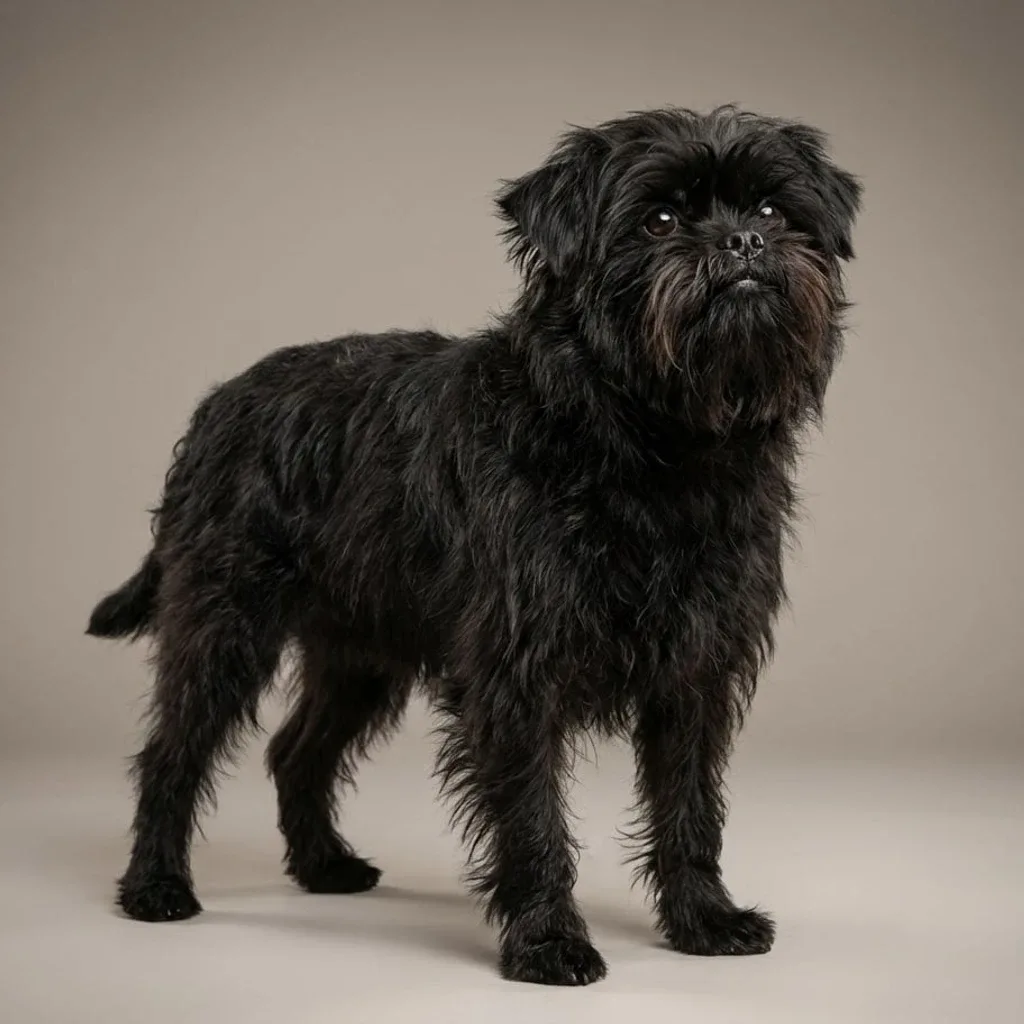
Affenpinscher
The Affenpinscher is a sturdy, monkey-like terrier-type toy breed known for its confidence and playful spirit. Despite its small size, it possesses a courageous heart and a loyal personality, making it a wonderful companion for Kiwi apartment dwellers or those with smaller sections.
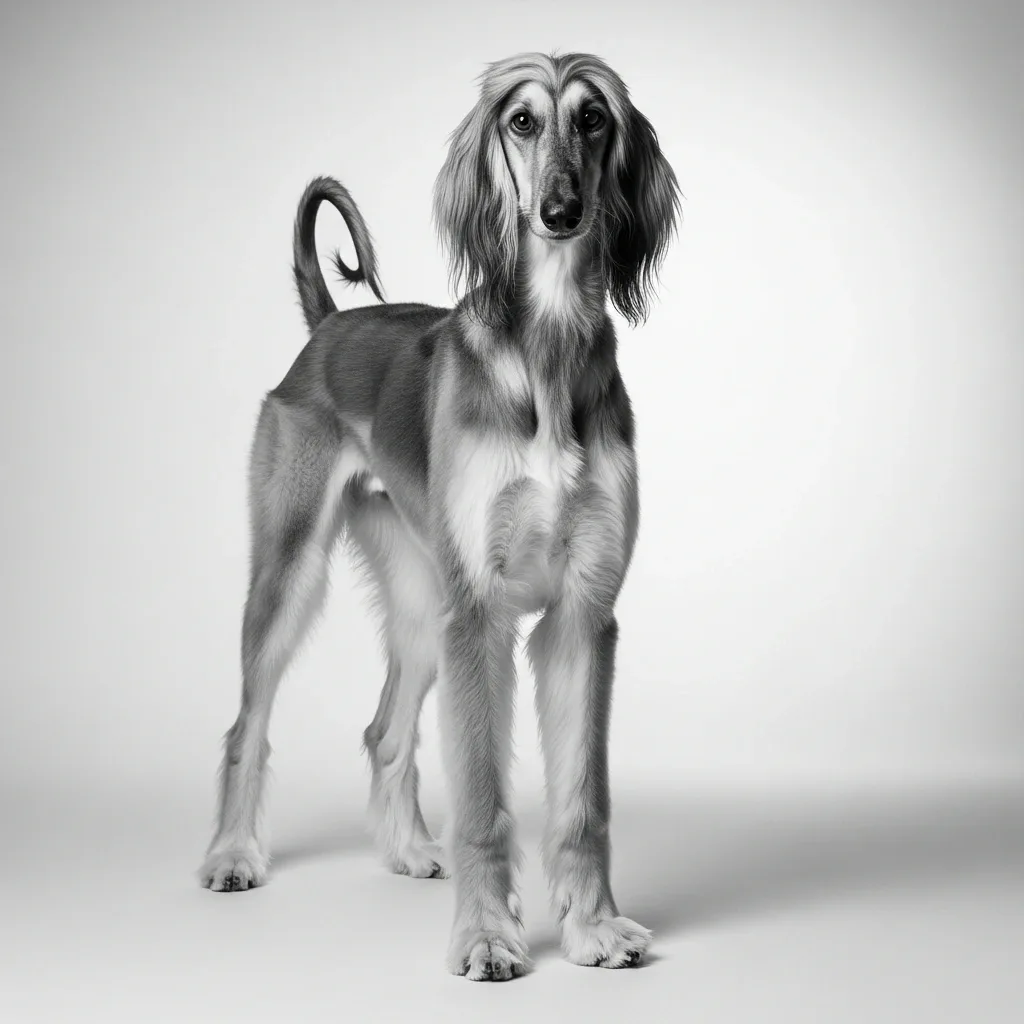
Afghan Hound
The Afghan Hound is an elegant aristocrat with a dignified and aloof personality. Known for its striking, silky coat, this breed is a high-maintenance beauty that requires ample space to run and an owner dedicated to its complex grooming needs.
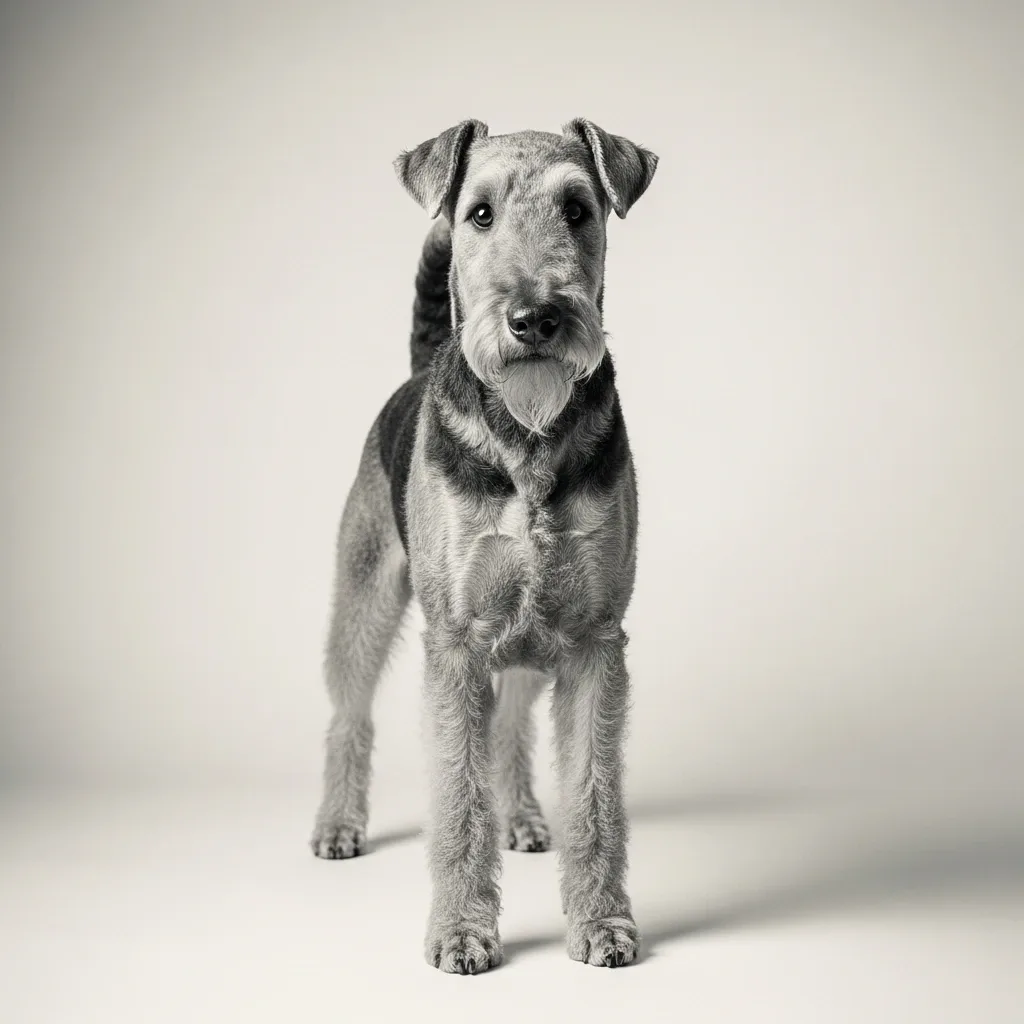
Airedale Terrier
The 'King of Terriers', the Airedale is the largest of all terrier breeds. They are brave, hardworking, and highly intelligent, making them excellent partners for active Kiwi families who love tramping and outdoor adventures.
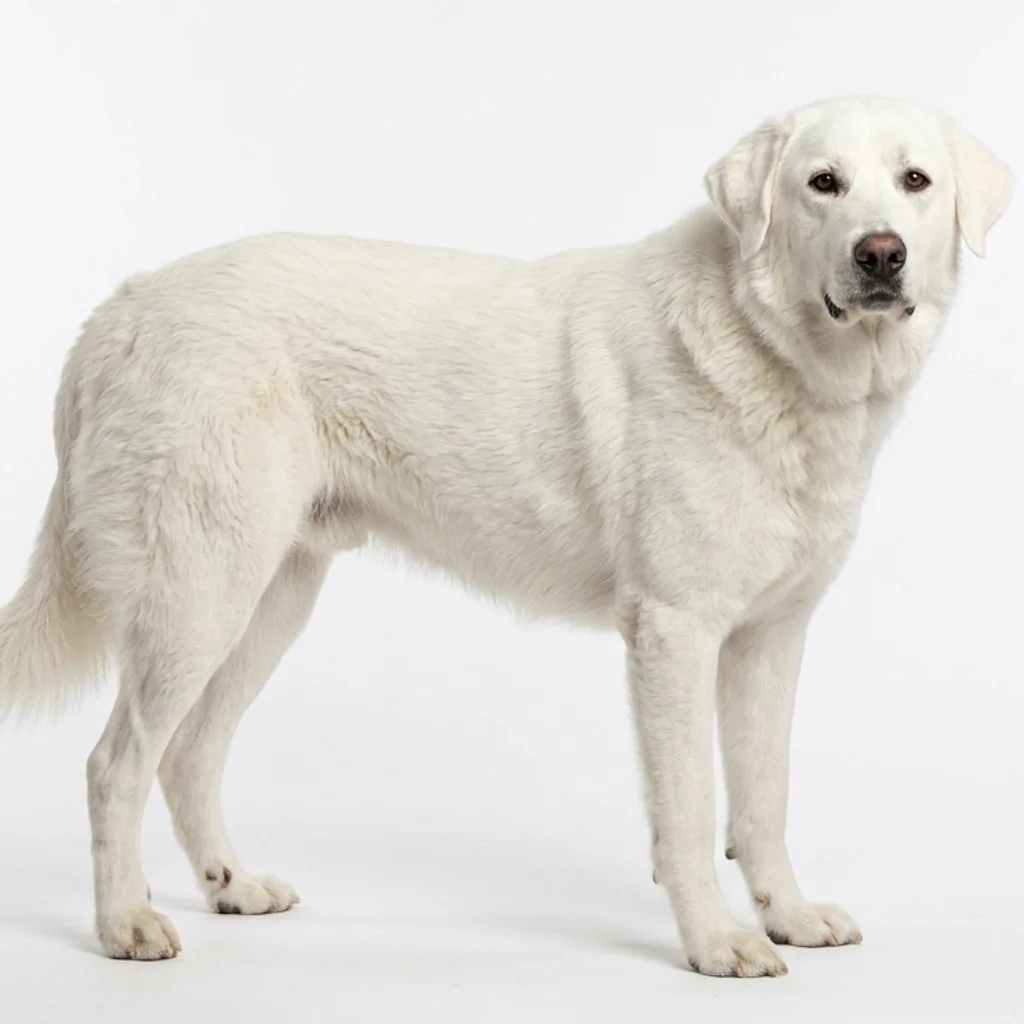
Akbash Dog
Originally a Turkish livestock guardian, the Akbash is a serious, protective, and independent breed. They are not suited for apartment living and thrive on large NZ lifestyle blocks where they can have a 'territory' to watch over.