Dog Breed Guide NZ
Azawakh
The Azawakh, an elegant and ancient sighthound from the Sahel region of West Africa, stands out with its striking lean physique and regal bearing. Built for incredible speed and endurance across vast desert landscapes, this breed is a true athlete. In New Zealand, their independent yet fiercely loyal nature makes them devoted family companions, though they remain reserved and aloof with strangers. While requiring ample space to stretch their legs and a securely fenced environment, an Azawakh can thrive in a Kiwi home with an active owner who appreciates their unique blend of athleticism and profound, though sometimes subtle, affection. They are best suited to properties with a good-sized section or rural access, fitting well into an active New Zealand lifestyle.
Photo Gallery
Breed Snapshot
- Size
- Male: 20-25 kg; Female: 15-20 kg
- Lifespan
- 12-15 years
- Origin
- Being enriched
- Temperament
- Independent, loyal, alert, protective, affectionate, aloof
- NZ Price
- $4,000 - $8,000 NZD from registered breeders; $150-$350 NZD adoption via sighthound rescues (rarely available)
- Annual Vet Cost
- Estimated annual vet costs for an Azawakh in New Zealand typically range from $400 - $800 NZD. This includes routine check-ups, vaccinations, flea and worm treatments. Breed-specific considerations include their sensitivity to anaesthesia, requiring careful veterinary planning for any procedures. Awareness of bloat (gastric torsion) is also important, and regular dental care is recommended. While generally healthy, these factors contribute to the overall annual health budget.
Personality Scores
NZ Lifestyle Fit
The Azawakh's needs make them best suited for specific New Zealand living situations. An apartment in Auckland would generally be unsuitable due to their high exercise requirements and need for space to run freely. A house with a good-sized, securely fenced section is far more appropriate, allowing them to burn off energy safely. Rural New Zealand farms can be ideal, provided there are secure areas to prevent them from chasing livestock, which their strong prey drive might encourage. Auckland's humid summers are generally manageable for their short coat, but shade and fresh water are crucial, along with protection from high UV. South Island's cold winters will necessitate warm dog coats and insulated bedding, as their lean physique offers little natural insulation. There are no specific MPI restrictions on importing Azawakhs, but standard dog import regulations and responsible ownership apply.
Origins & History
The Azawakh is an ancient sighthound, originating from the Sahel region of West Africa, specifically from the nomadic Tuareg people. For centuries, these elegant dogs have been companions and protectors to the Tuareg, used for hunting gazelle, hare, and wild boar, as well as guarding their camps. Their name is derived from the Azawakh Valley, a dry river basin in the Sahara. This breed's history is deeply intertwined with the harsh desert environment, shaping them into resilient, intelligent, and incredibly athletic animals. They are one of the few African sighthounds to be recognised internationally, showcasing their unique heritage and distinct characteristics.
Appearance
The Azawakh possesses a strikingly elegant and lean physique, often described as 'ethereal' or 'aristocratic'. They are tall, with long, slender legs, a deep chest, and a tucked-up abdomen, giving them a distinctive 'S' curve. Their short, fine coat comes in a variety of colours, including fawn, red, brindle, blue, black, and parti-colour, often with white markings on the chest, paws, and tail tip. Their skin is fine and close-fitting, revealing their musculature and bone structure. Males typically weigh between 20-25 kg and stand 64-74 cm at the shoulder, while females are lighter at 15-20 kg and 60-70 cm. Their almond-shaped eyes and graceful head complete their noble appearance, reflecting their keen intelligence and alert nature.
Temperament & Personality
True to their sighthound nature, Azawakhs are independent thinkers, yet fiercely loyal and protective of their immediate family. They form deep bonds with their owners, often displaying a sensitive and affectionate side once they feel secure and comfortable. However, they are famously aloof and reserved with strangers, often observing from a distance rather than engaging. Early and consistent socialisation is crucial to help them navigate new people and environments. They are alert and make excellent watchdogs, quick to notice anything out of the ordinary. Their strong prey drive means they will instinctively chase anything that moves, requiring secure fencing and careful management around smaller pets. Despite their independence, they thrive on companionship and do not do well when left alone for extended periods.
Life in New Zealand
Bringing an Azawakh into a New Zealand home requires an understanding of their unique needs. Their athletic build and high energy demand ample opportunities for vigorous exercise, making them well-suited to active Kiwi families who enjoy outdoor pursuits. Securely fenced properties are non-negotiable due to their speed and strong prey drive. While their short coat handles Auckland's humid summers well, protection from the intense New Zealand UV rays is essential, especially for lighter-coloured dogs. In colder South Island winters, their lean bodies mean they are sensitive to the cold and will require warm coats and comfortable, insulated bedding. Early socialisation at puppy classes and exposure to various sights and sounds will help them adjust to the diverse environments of New Zealand, from bustling city footpaths to quiet rural tracks.
Is This the Right Breed for You?
An Azawakh is a significant commitment, best suited for experienced dog owners who appreciate the sighthound temperament. They require a dedicated owner who can provide consistent training, extensive socialisation, and plenty of secure space for exercise. Their independent nature means they aren't always eager to please, and their sensitivity requires a gentle, positive reinforcement approach. Families with older, respectful children may find an Azawakh to be a devoted companion, but their reserved nature and potential prey drive might not make them ideal for homes with very young children or small, non-canine pets unless raised together from puppyhood. If you lead an active lifestyle, have a securely fenced property, and are prepared to invest in their unique needs, an Azawakh can be an incredibly rewarding and loyal member of your Kiwi whānau.
Fun Facts
Fact 1
The Azawakh is an ancient breed, having been companions to the nomadic Tuareg people of the Sahara and Sahel for thousands of years.
Fact 2
They are one of the fastest dog breeds, capable of reaching speeds up to 64 km/h, built for chasing prey across vast open plains.
Fact 3
Azawakhs are known for their distinctive 'floating' or 'cat-like' gait, which is incredibly light and elastic.
Fact 4
Due to their extremely lean bodies and thin skin, Azawakhs are highly sensitive to cold weather and often require coats in cooler climates.
Fact 5
Unlike many sighthounds, Azawakhs are known for their strong protective instincts towards their family and territory.
Related Breeds
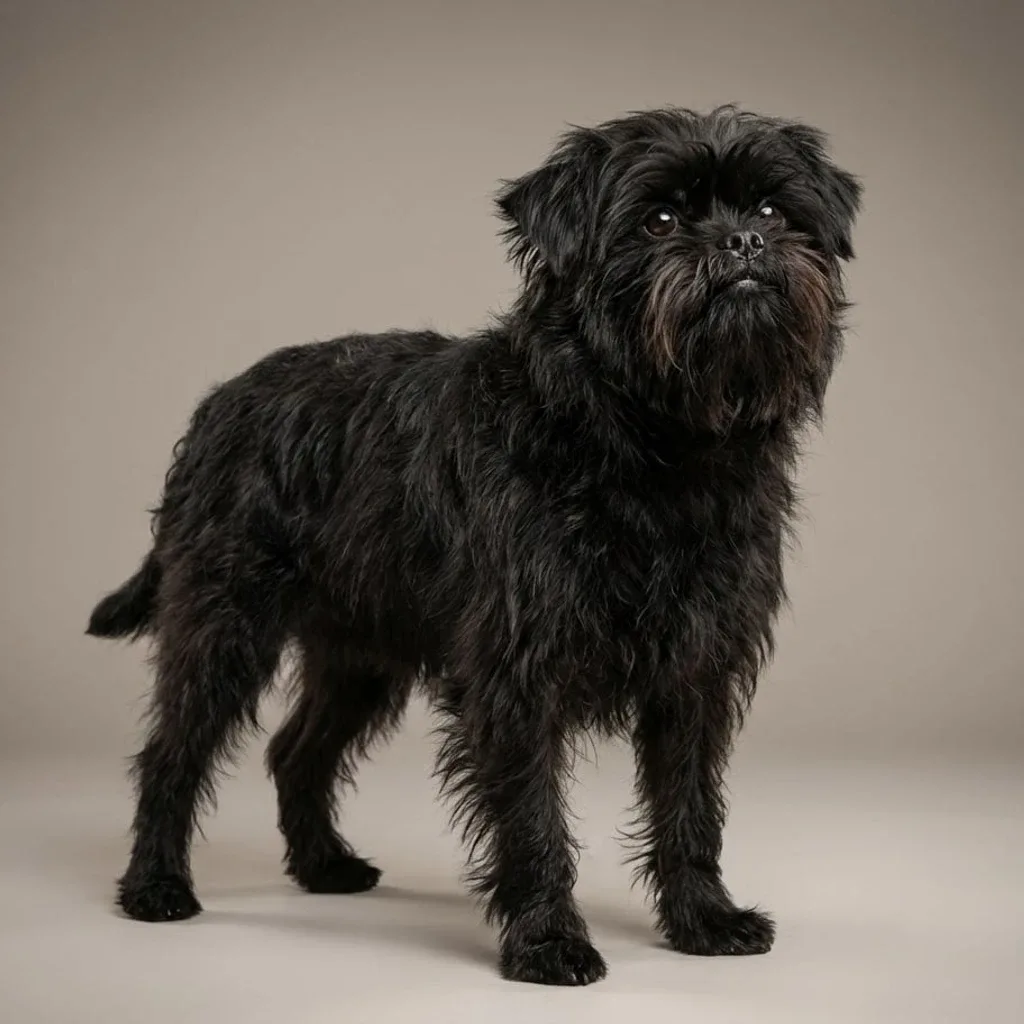
Affenpinscher
The Affenpinscher is a sturdy, monkey-like terrier-type toy breed known for its confidence and playful spirit. Despite its small size, it possesses a courageous heart and a loyal personality, making it a wonderful companion for Kiwi apartment dwellers or those with smaller sections.
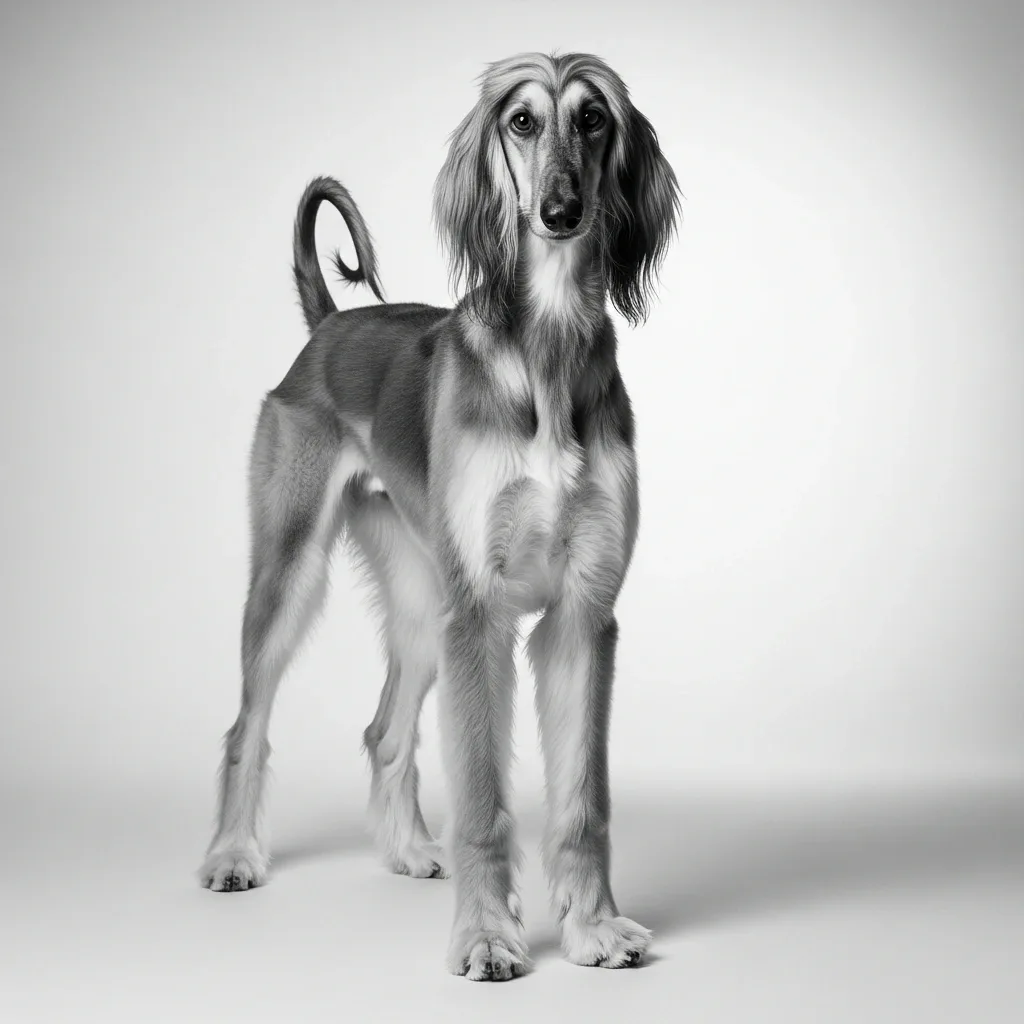
Afghan Hound
The Afghan Hound is an elegant aristocrat with a dignified and aloof personality. Known for its striking, silky coat, this breed is a high-maintenance beauty that requires ample space to run and an owner dedicated to its complex grooming needs.
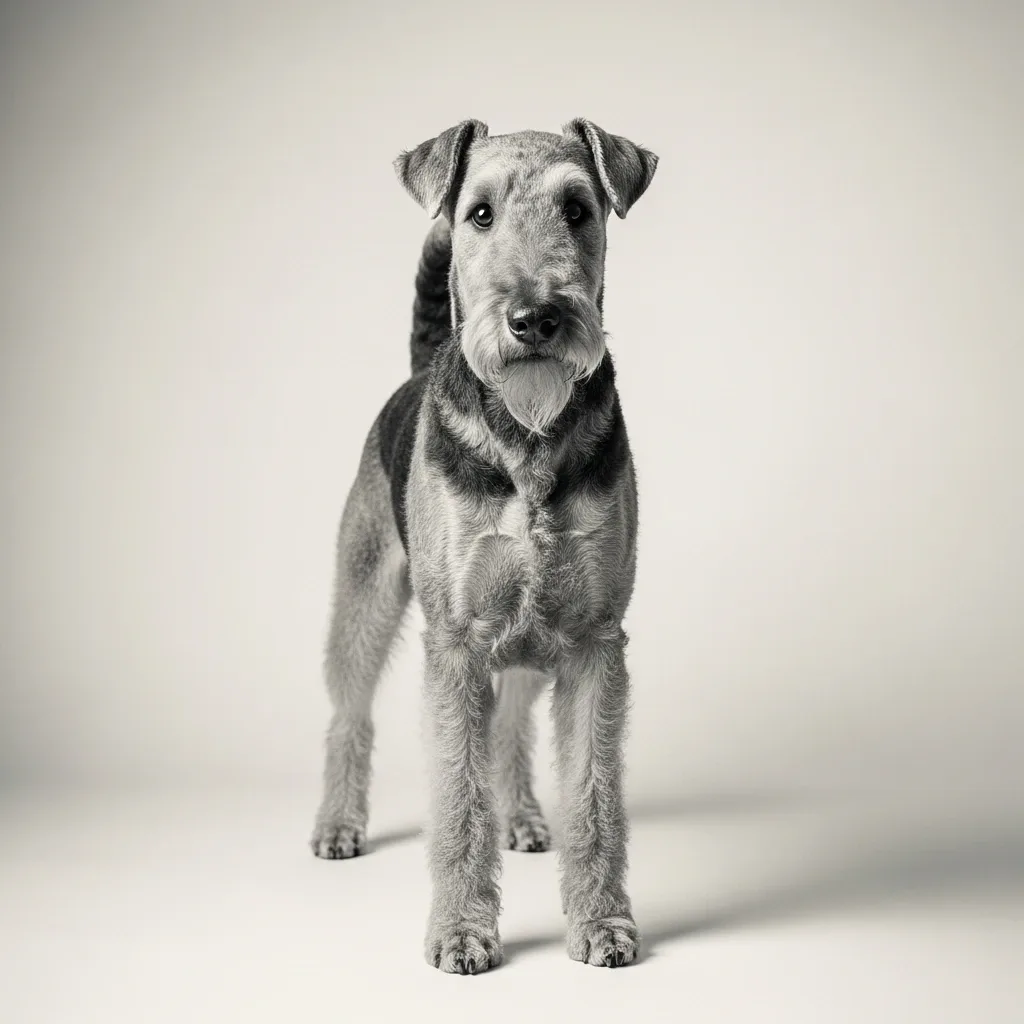
Airedale Terrier
The 'King of Terriers', the Airedale is the largest of all terrier breeds. They are brave, hardworking, and highly intelligent, making them excellent partners for active Kiwi families who love tramping and outdoor adventures.
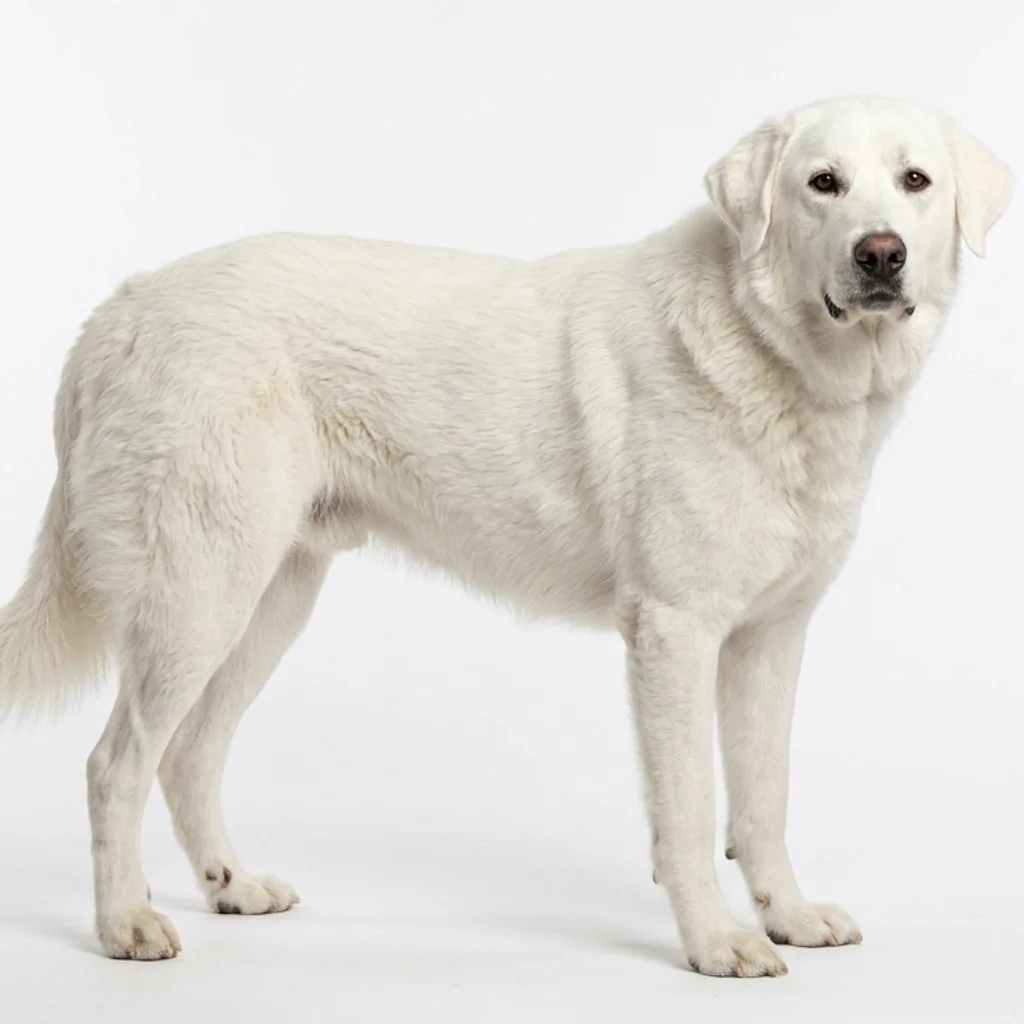
Akbash Dog
Originally a Turkish livestock guardian, the Akbash is a serious, protective, and independent breed. They are not suited for apartment living and thrive on large NZ lifestyle blocks where they can have a 'territory' to watch over.