PetMall Knowledge Hub

Dog Breed Guide NZ

Australian Terrier

The Australian Terrier is a small dog with a big personality, renowned for its spirited courage and unwavering loyalty. Originally bred to hunt vermin and snakes, these hardy little canines are much tougher than their size suggests, making them excellent watchdogs and adventurous companions. Intelligent and friendly, they thrive on human interaction and possess a delightful sense of humour. For Kiwis seeking an active, devoted, and entertaining addition to their family, the Australian Terrier offers a robust spirit perfectly suited to New Zealand's diverse landscapes and outdoor lifestyle, from city parks to bach holidays.

Apartment FriendlyHouse with SectionRural / FarmSouth Island ReadyAuckland Climate Friendly

Photo Gallery

Breed Snapshot

Size
7-9 kg
Lifespan
11-15 years
Origin
Being enriched
Temperament
Courageous, alert, friendly, loyal, intelligent
NZ Price
$1,500 - $3,000 NZD from registered breeders; $150-$350 NZD adoption via SPCA or breed-specific rescues (if available)
Annual Vet Cost
Estimated annual vet costs for an Australian Terrier in New Zealand typically range from $400 - $800 NZD for routine care (vaccinations, flea/worm treatments, annual check-ups). However, potential breed-specific health issues like patellar luxation, Legg-Calve-Perthes disease, or diabetes mellitus could incur additional costs, potentially ranging from $800 - $5,000+ NZD for diagnosis and treatment, depending on severity and required procedures (e.g., surgery for luxating patella). Pet insurance is highly recommended to help manage these unexpected expenses.

Personality Scores

Friendliness4/5
Trainability4/5
Energy4/5
Grooming3/5
Health Risk2/5
Apartment3/5
With Kids4/5
With Pets3/5

NZ Lifestyle Fit

The Australian Terrier's adaptable nature makes them surprisingly versatile for various New Zealand living situations. For those in an Auckland apartment, their small size is an advantage, but their energetic and alert nature means daily walks are non-negotiable, and mental stimulation is crucial to prevent boredom-induced barking. They cope well with Auckland's humid summers thanks to their double coat, but shade and fresh water are always essential. In a house with a section, they'll revel in having outdoor space to explore, though secure fencing is paramount due to their strong prey drive and digging tendencies. They thrive in active family environments. In rural NZ, their vermin-hunting instincts can be an asset, but careful management is needed around livestock and native wildlife. South Island's cold winters are generally fine for their hardy coat, but extreme cold might warrant a dog coat for older or less active individuals. High UV in NZ means sun protection, especially for lighter-coloured dogs or those with sparse hair on ears/nose, is a consideration during peak summer. There are no specific MPI restrictions on owning Australian Terriers in New Zealand.

Origins & History

The Australian Terrier holds the distinction of being the first native Australian breed to be recognised in its home country, with its roots tracing back to the early 19th century. Developed in Tasmania and Australia from a mix of British terrier breeds brought over by settlers, including the Cairn, Skye, Dandie Dinmont, and Yorkshire Terriers, their primary purpose was to control vermin and snakes on farms and in gold mines. These tough, adaptable dogs needed to be resilient in harsh conditions, courageous in the face of danger, and small enough to pursue prey into burrows. The breed was officially recognised in Australia in 1889 and later in England in 1933, before making its way around the world. Their history as working dogs has instilled in them a tenacious spirit and an independent streak, qualities that remain prominent in the breed today.

Appearance

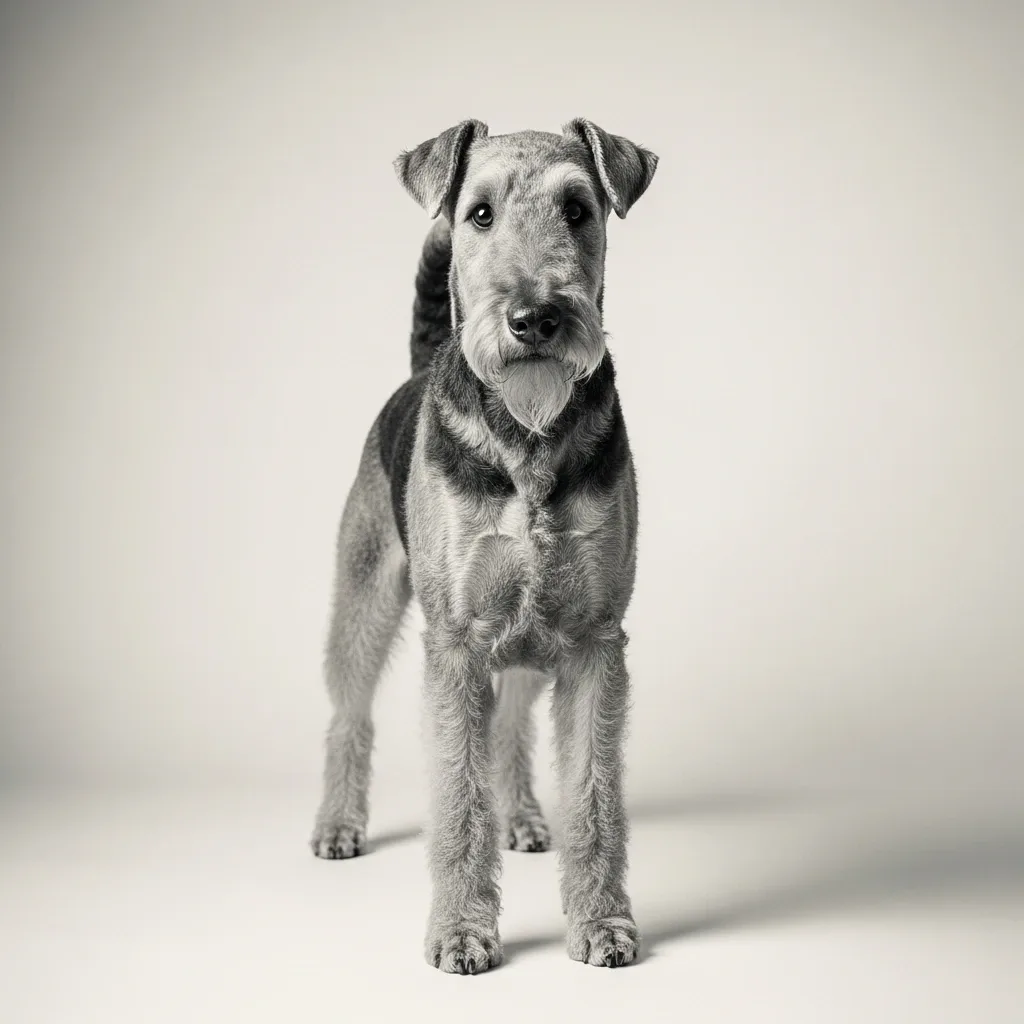
The Australian Terrier is a sturdy, low-set dog, typically weighing between 7-9 kg and standing about 25-28 cm at the shoulder. They possess a distinctive double coat: a harsh, straight outer coat about 6 cm long, and a soft, short undercoat. This coat provides excellent protection against the elements. Common colours include blue and tan (a dark blue-grey body with rich tan markings on the legs, chest, and muzzle), sandy, and red. They have small, erect, V-shaped ears, dark, intelligent eyes, and a strong, wedge-shaped head. Their tail is often docked in countries where it's permitted (though less common in NZ now), or naturally carried high. Their overall appearance is one of alertness and readiness, reflecting their working heritage.

Temperament & Personality

True to their terrier nature, Australian Terriers are spirited, courageous, and full of character. They are incredibly loyal to their families, often forming strong bonds and acting as devoted companions. Their intelligence makes them quick learners, though their independent terrier streak means training requires consistency and positive reinforcement. They are known for being alert and make excellent watchdogs, always ready to announce visitors or unusual sounds. Despite their toughness, they are generally friendly and enjoy being part of family activities. They possess a playful sense of humour and can be quite entertaining, but their strong prey drive means they may chase small animals. With proper socialisation, they can get along well with other dogs and respectful children.

Life in New Zealand

Australian Terriers are well-suited to life in New Zealand, adapting easily to various living situations provided their exercise and mental stimulation needs are met. Their hardy nature makes them resilient to different weather conditions, from the warmth of the North Island to the cooler South. They enjoy exploring New Zealand's diverse landscapes, whether it's a stroll along a local beach, a walk through a bush reserve, or a weekend away at the bach. Their compact size makes them good travel companions. They thrive on being included in family activities, making them ideal pets for active Kiwi families who appreciate a dog with personality and a zest for life. Early socialisation and consistent training are key to ensuring they are well-behaved members of the community, especially given their natural prey drive.

Is This the Right Breed for You?

If you're looking for a small, robust dog with a big personality, the Australian Terrier might be your perfect match. They are ideal for individuals or families who can provide consistent training, plenty of exercise, and a stimulating environment. Their loyalty and affectionate nature make them wonderful companions, but their independent streak and strong prey drive require an owner who understands terrier traits. They are not couch potatoes and need daily activity to prevent boredom. Owners should be prepared for their alert barking and commitment to regular grooming to maintain their distinctive coat. For those who appreciate a spirited, intelligent, and devoted canine friend, the Australian Terrier offers a rewarding partnership in the Kiwi lifestyle.

Fun Facts

Fact 1

The Australian Terrier is one of the smallest working terriers, originally bred to hunt rats, mice, and even snakes.

Fact 2

They are the first native Australian dog breed to be recognised in their home country.

Fact 3

Despite their small stature, Australian Terriers are known for their fearless and courageous nature, often tackling challenges much larger than themselves.

Fact 4

Their distinctive harsh, wiry coat is designed to be weather-resistant, protecting them from the elements and rough terrain.

Fact 5

Australian Terriers possess a strong sense of humour and are known for their playful antics and ability to entertain their families.

Related Breeds
PetMall Editorial Desk

Reviewed and curated for practical, vet-informed guidance

Every guide is edited into a consistent house style so readers can scan quickly, compare recommendations, and understand where general education stops and personal veterinary advice begins.

Updated
Recently updated
Positioning
Evidence-based pet care for NZ households

Structured Guide

Life Stage Care

Scan the most important priorities for each stage so readers can adapt routine, home setup, and monitoring as this profile matures.

Puppy · 8 weeks to 12 months

Australian Terrier puppies need recall, leave-it, bite inhibition, digging outlets, handling, and calm exposure to children, cats, bikes, and wildlife.

  • Use short reward-based sessions for name response, recall, handling, settle, and polite greetings.
  • Introduce grooming, tooth brushing, nail handling, ear checks, and vet-style body checks early.
  • Keep exercise age-appropriate and avoid repetitive high-impact activity while the body develops.
  • Feed a suitable puppy diet and transition foods gradually over 1-2 weeks.
  • Register and microchip according to local council rules.

Adult · 1 to 8 years

Adult Australian Terrier care should focus on daily walks, training refreshers, secure fencing, legal outlets for digging and chasing, grooming, and dental care.

  • Use the current profile notes as a starting point: match exercise to the individual dog's age, fitness, and temperament.
  • Build a daily rhythm that includes exercise, mental work, rest, and predictable household rules.
  • Keep grooming realistic: The Australian Terrier's distinctive harsh, wiry double coat requires regular grooming to maintain its condition and protect them from the elements. Weekly brushing with a slicker brush or a stiff bristle brush is essential to remove loose hair, prevent matting, and keep their coat healthy. Their topcoat should ideally be hand-stripped every 4-6 months to maintain its texture and colour, which can be done by a professional groomer or learned by the owner. Alternatively, some owners opt for clipping, but this can soften the coat over time. Regular nail trims are crucial, typically every 4-6 weeks, to prevent overgrowth and discomfort. Their ears should be checked weekly for cleanliness and signs of infection, and their teeth brushed several times a week to prevent dental disease. Occasional baths are needed, especially after adventures in muddy New Zealand conditions, using a dog-specific shampoo..
  • Watch body condition and adjust food before weight gain becomes obvious.
  • Refresh recall, lead manners, visitor routines, and calm greetings throughout adulthood.

Senior · 8 years and older

Senior Australian Terrier dogs need joint comfort, dental care, eye and ear checks, coat or skin monitoring, weight control, and lower-impact enrichment.

  • Use shorter, lower-impact exercise and add scent games, puzzle feeders, or gentle trick refreshers.
  • Monitor teeth, eyes, ears, skin, appetite, drinking, weight, stiffness, and behaviour changes.
  • Keep bedding warm and dry through damp NZ winters.
  • Maintain grooming so mats, soreness, lumps, or skin changes are noticed early.
  • Ask your vet about senior checks and pain management if activity changes.

NZ Specific Tips

New Zealand Care Notes

These local notes translate general breed guidance into climate, housing, and routine realities for New Zealand households.

NZ Fit

Verify local availability and fit before committing

Australian Terrier ownership in NZ should start with a realistic check of breeder/rescue availability, council registration, housing rules, and whether the breed's needs fit your household. Do not assume every international breed is easy to find locally.

Lifestyle

Match the breed to the weekly routine

Australian Terrier care should cover terrier prey drive, digging or chasing outlets, recall, secure fencing, dental and skin checks, and calm household routines. A good match is about the daily routine, not only the dog's size or appearance.

Training

Start with manners that protect the dog and the household

Prioritise recall, lead walking, settle, polite greetings, food manners, and safe handling. Keep sessions short, reward-based, and repeated across real-life places.

Grooming

Put coat, teeth, nails, ears, and skin on a schedule

The Australian Terrier's distinctive harsh, wiry double coat requires regular grooming to maintain its condition and protect them from the elements. Weekly brushing with a slicker brush or a stiff bristle brush is essential to remove loose hair, prevent matting, and keep their coat healthy. Their topcoat should ideally be hand-stripped every 4-6 months to maintain its texture and colour, which can be done by a professional groomer or learned by the owner. Alternatively, some owners opt for clipping, but this can soften the coat over time. Regular nail trims are crucial, typically every 4-6 weeks, to prevent overgrowth and discomfort. Their ears should be checked weekly for cleanliness and signs of infection, and their teeth brushed several times a week to prevent dental disease. Occasional baths are needed, especially after adventures in muddy New Zealand conditions, using a dog-specific shampoo.

Health

Use breed risks as vet and breeder questions

Discuss teeth, ears, eyes, joints, skin, weight, and inherited conditions with your vet or breeder. This is an owner-awareness prompt, not a diagnosis checklist.

Owner Questions

Common Questions

Is an Australian Terrier a good dog for New Zealand homes?+

It can be, when the household can meet the breed's needs. Sturdy, spirited, and courageous. The Australian Terrier is a hardy small dog built to hunt vermin and snakes. They are loyal companions with a sense of humor and are much tougher than their small size suggests. In NZ, also check council registration, housing rules, local availability, and whether daily exercise, grooming, training, and vet costs are realistic.

How much exercise does an Australian Terrier need?+

Exercise needs vary by age, health, and temperament. Add mental work as well as walking, and reduce intensity for puppies, seniors, heat, injury, or poor fitness.

Can an Australian Terrier live in an apartment or townhouse?+

Sometimes, but only when exercise, noise, enrichment, secure toileting, and rest are planned carefully. Larger, louder, high-drive, or guardian breeds usually need a stronger routine.

How much grooming does an Australian Terrier need?+

The Australian Terrier's distinctive harsh, wiry double coat requires regular grooming to maintain its condition and protect them from the elements. Weekly brushing with a slicker brush or a stiff bristle brush is essential to remove loose hair, prevent matting, and keep their coat healthy. Their topcoat should ideally be hand-stripped every 4-6 months to maintain its texture and colour, which can be done by a professional groomer or learned by the owner. Alternatively, some owners opt for clipping, but this can soften the coat over time. Regular nail trims are crucial, typically every 4-6 weeks, to prevent overgrowth and discomfort. Their ears should be checked weekly for cleanliness and signs of infection, and their teeth brushed several times a week to prevent dental disease. Occasional baths are needed, especially after adventures in muddy New Zealand conditions, using a dog-specific shampoo.

What health issues should Australian Terrier owners discuss with a vet?+

Discuss breed-specific screening, teeth, ears, eyes, joints, skin, weight, and any behaviour or mobility changes. Use this as a vet conversation prompt rather than a diagnosis checklist.

What should owners prepare before bringing home an Australian Terrier puppy?+

Prepare registration and microchipping tasks, a vet plan, puppy food, safe bedding, confinement or crate options, grooming tools, chew outlets, training rewards, and a gradual socialisation plan. SPCA NZ notes food changes should be transitioned gradually.

How much does a Australian Terrier cost in NZ?+

In New Zealand, a Australian Terrier typically costs $1,500 - $3,000 NZD from registered breeders; $150-$350 NZD adoption via SPCA or breed-specific rescues (if available) from a registered breeder, and usually less through rescue or adoption. Budget for ongoing costs too — food, vet care, parasite prevention and insurance — on top of the purchase price.

How big does a Australian Terrier get and how long do they live?+

The Australian Terrier is a 7-9 kg dog breed, typically living 11-15 years. Size affects food, equipment and exercise needs, so plan space and budget accordingly.

Are Australian Terriers good with children?+

In our breed profile the Australian Terrier scores 4/5 for getting on with children — generally very good with kids. Always supervise young children with any dog and teach gentle, respectful handling.

Are Australian Terriers easy to train?+

The Australian Terrier scores 4/5 for trainability in our profile — a quick, willing learner. Early socialisation and short, positive sessions work best in NZ homes.

Care Guides

Related Care Guides

Useful reading for NZ owners of this species.

Tools

Helpful Tools

Free interactive tools for NZ owners.

petmall.co.nz

Shop at PetMall

The products below are practical support items for your pet. PetMall ships across New Zealand.

Important Note

Information on PetMall is for education only and does not replace an in-person assessment by a veterinarian. If your pet is unwell, in pain, rapidly deteriorating, or you are unsure whether something is urgent, contact your local veterinary clinic promptly.