Dog Breed Guide NZ
Australian Silky Terrier
The Australian Silky Terrier is a spirited, refined toy breed known for its stunning silky blue-and-tan coat. While small in stature, these delightful dogs possess a true terrier personality—courageous, alert, and full of confidence. Originating from Australia, they were bred primarily as companions, excelling in both charm and intelligence. They make excellent, adaptable pets, thriving in various New Zealand living situations. Their moderate exercise needs and compact size make them particularly well-suited for apartment living in bustling urban centres like Wellington or Auckland, or for families seeking a loyal, lively companion for their suburban home.
Photo Gallery
Breed Snapshot
- Size
- 3.5-5 kg
- Lifespan
- 12-15 years
- Origin
- Being enriched
- Temperament
- Friendly, intelligent, alert, energetic, confident
- NZ Price
- $1,500 - $3,500 NZD from registered breeders; $150-$350 NZD adoption via SPCA
- Annual Vet Cost
- Estimated annual vet costs for an Australian Silky Terrier in NZ typically range from $400 - $800 NZD, covering routine check-ups, vaccinations, and parasite prevention. However, breed-specific health issues like patellar luxation, Legg-Calve-Perthes disease, and dental problems can incur additional costs, potentially adding $500 - $2,000+ NZD for diagnosis and treatment if they arise.
Personality Scores
NZ Lifestyle Fit
The Australian Silky Terrier is remarkably adaptable to various New Zealand living situations. They are excellent for apartment or flat living in cities like Auckland or Wellington due to their small size and moderate exercise requirements. For homes with a section, ensure it's securely fenced, as their terrier instincts might lead them to explore or dig. Rural NZ farm life isn't ideal for them as working dogs, but they can thrive on a lifestyle block if protected from livestock and given a safe, indoor environment. Regarding climate, Auckland's humid summers necessitate access to shade and fresh water to prevent overheating. South Island's colder winters mean a warm dog coat is essential for outdoor excursions. New Zealand's high UV levels also mean light-skinned areas like their nose and ears should be protected during peak sun hours. There are no specific MPI restrictions on owning an Australian Silky Terrier in New Zealand, making them a straightforward choice for pet ownership.
Origins & History
The Australian Silky Terrier, often simply called the Silky, has its roots firmly planted in Australia during the late 19th and early 20th centuries. Developed from a cross between the Australian Terrier and the Yorkshire Terrier, with some theories suggesting a dash of Skye Terrier blood, the breed was initially known as the Sydney Silky Terrier. Breeders aimed to create a robust yet refined toy terrier, combining the working tenacity of the Australian Terrier with the elegant coat of the Yorkshire Terrier. They were bred not for hunting or herding, but primarily as companion animals, though their terrier instincts made them excellent at dispatching vermin. The breed was officially recognised in Australia in 1906, and later gained international recognition, celebrated for its unique blend of beauty and spirited personality.
Appearance
The Australian Silky Terrier is a small, compact, and moderately low-set dog, typically weighing between 3.5 to 5 kilograms and standing around 23-26 centimetres at the shoulder. Their most distinctive feature is their long, flowing, silky coat, which is usually a striking blue and tan. The blue colour runs from the back of the head to the tail, while the tan appears on the muzzle, ears, and legs. The coat is fine and glossy, resembling human hair, and hangs straight down the sides of the body. They have small, V-shaped erect ears, dark, intelligent eyes, and a keen, alert expression. Despite their delicate appearance, they possess a surprisingly sturdy build, reflecting their terrier heritage. Their tail is typically docked in countries where it's permitted, but in New Zealand, natural tails are common.
Temperament & Personality
Beneath their elegant exterior, Australian Silky Terriers are true terriers at heart. They are friendly, intelligent, and incredibly alert, making them excellent little watchdogs who will happily announce any visitors or unusual sounds. Their energetic and confident nature means they are always up for an adventure, whether it's a walk around the block or a game in the garden. Silkys are known for their loyalty and devotion to their families, thriving on companionship and interaction. They can be quite playful and mischievous, often displaying a charming sense of humour. While generally good-natured, their terrier stubbornness can surface during training, requiring consistency and positive reinforcement. Early socialisation is key to ensuring they are well-adjusted around other pets and strangers.
Life in New Zealand
The Australian Silky Terrier is wonderfully suited to life in New Zealand. Their compact size makes them ideal for various living situations, from city flats in Auckland or Wellington to suburban homes with a modest section. They are adaptable dogs, capable of enjoying both indoor comforts and outdoor adventures. While they appreciate a good run, their moderate exercise needs can be met with daily walks around local parks or along dog-friendly beaches. Their alert nature makes them good deterrents for potential intruders, providing an extra layer of security. Kiwi owners will find them to be loyal, engaging companions who fit seamlessly into an active, family-oriented lifestyle, provided their grooming and socialisation needs are consistently met. They cope well with New Zealand's varied climate, though a warm coat is advisable for South Island winters.
Is This the Right Breed for You?
If you're seeking a small dog with a big personality, the Australian Silky Terrier might be your perfect match. They are incredibly loyal, intelligent, and make fantastic companions for individuals or families. Their alert nature means they'll always keep you informed of goings-on, but this can also translate into being quite vocal at times. They require consistent grooming to maintain their beautiful coat and benefit from early socialisation and consistent training to manage their terrier instincts. While adaptable to apartment living, they do need daily exercise and mental stimulation to prevent boredom. If you can commit to their grooming routine, provide plenty of love and attention, and appreciate a spirited, confident companion, a Silky Terrier will undoubtedly bring immense joy and character to your New Zealand home.
Fun Facts
Fact 1
The Australian Silky Terrier was originally known as the Sydney Silky Terrier.
Fact 2
Despite their elegant appearance, they possess a strong terrier instinct for hunting small prey.
Fact 3
Their coat texture is often compared to human hair, requiring similar care to prevent tangles.
Fact 4
They are often mistaken for Yorkshire Terriers, but Silkys are generally larger and more robust.
Fact 5
Silkys were primarily bred as companion dogs, making them excellent family pets.
Related Breeds
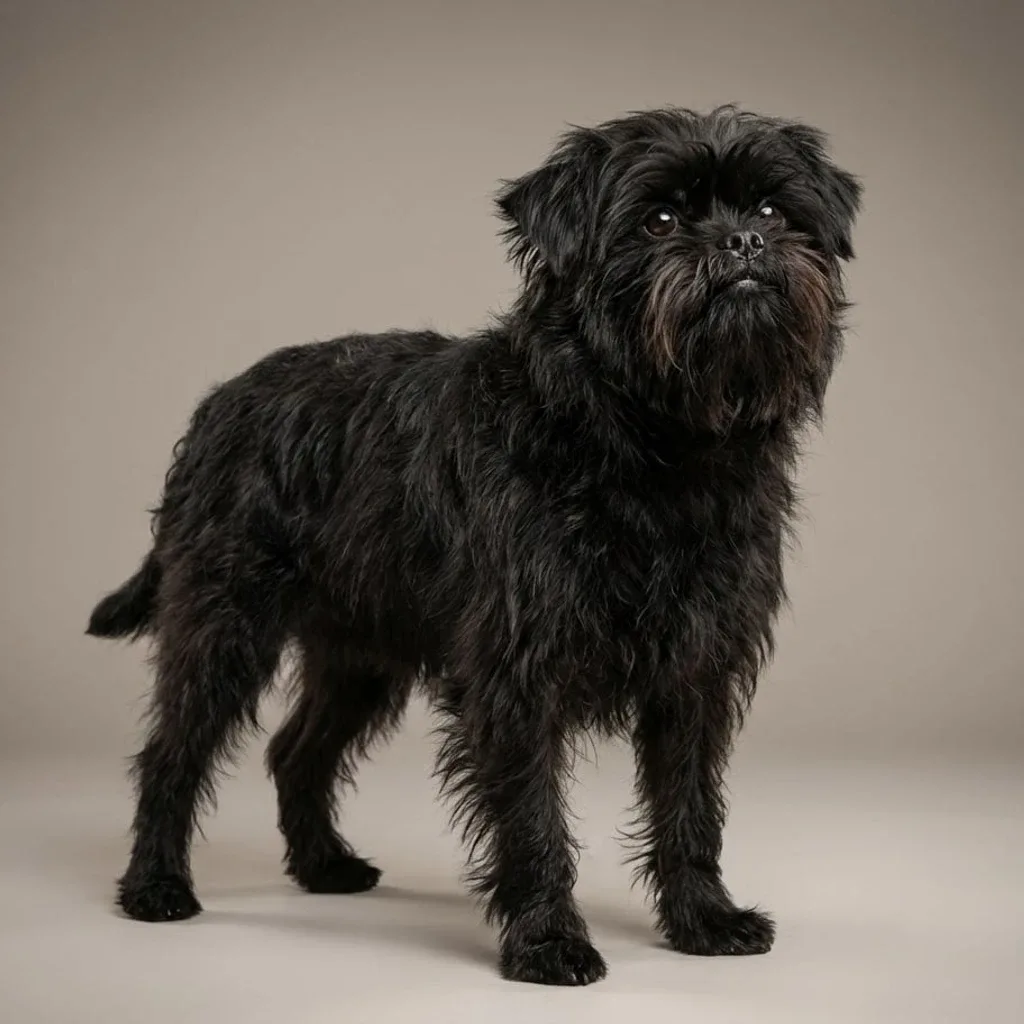
Affenpinscher
The Affenpinscher is a sturdy, monkey-like terrier-type toy breed known for its confidence and playful spirit. Despite its small size, it possesses a courageous heart and a loyal personality, making it a wonderful companion for Kiwi apartment dwellers or those with smaller sections.
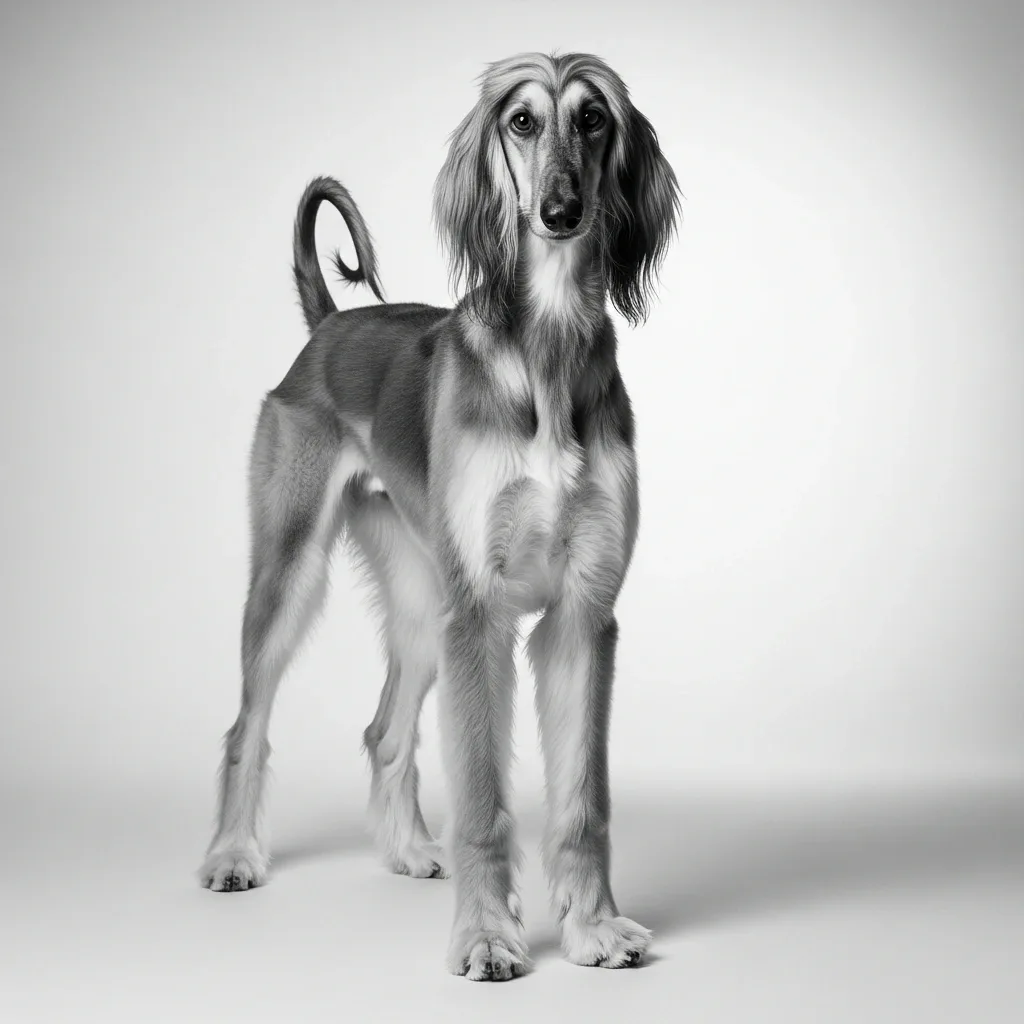
Afghan Hound
The Afghan Hound is an elegant aristocrat with a dignified and aloof personality. Known for its striking, silky coat, this breed is a high-maintenance beauty that requires ample space to run and an owner dedicated to its complex grooming needs.
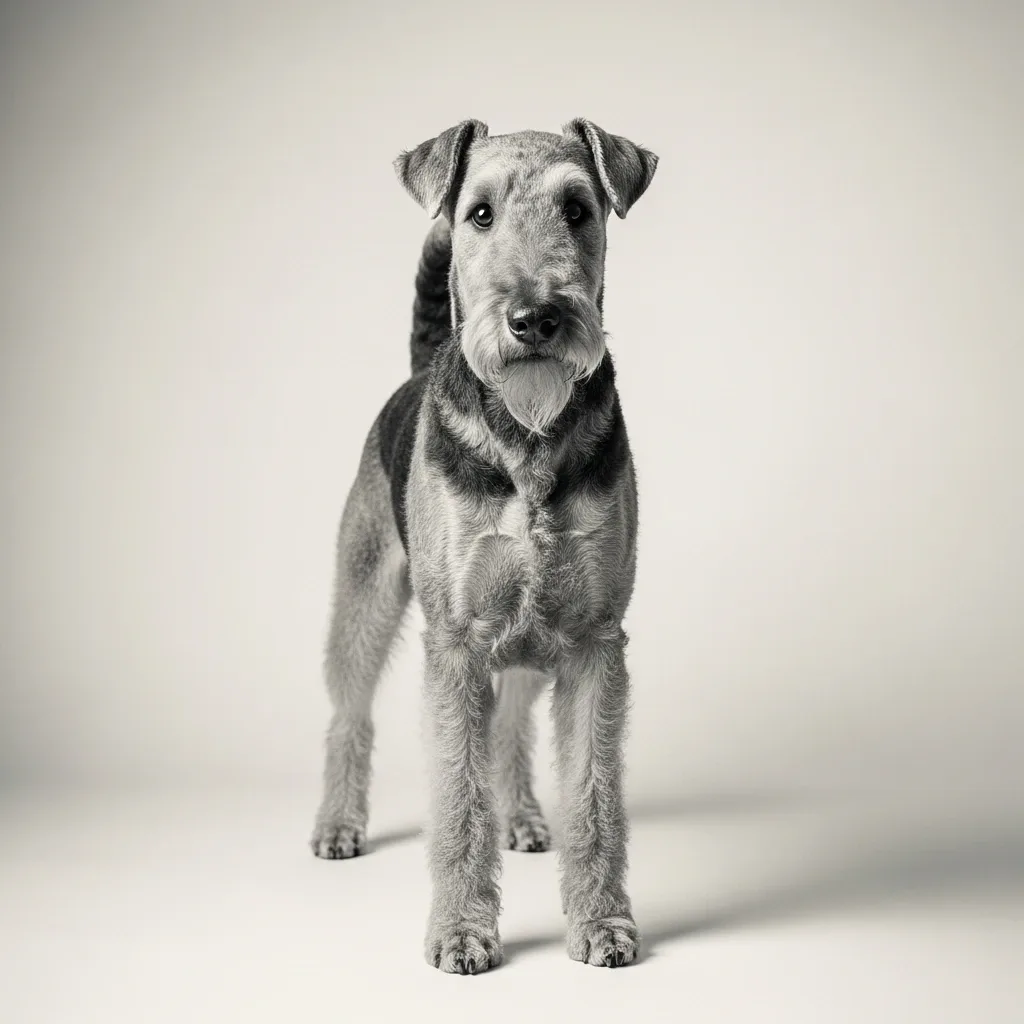
Airedale Terrier
The 'King of Terriers', the Airedale is the largest of all terrier breeds. They are brave, hardworking, and highly intelligent, making them excellent partners for active Kiwi families who love tramping and outdoor adventures.
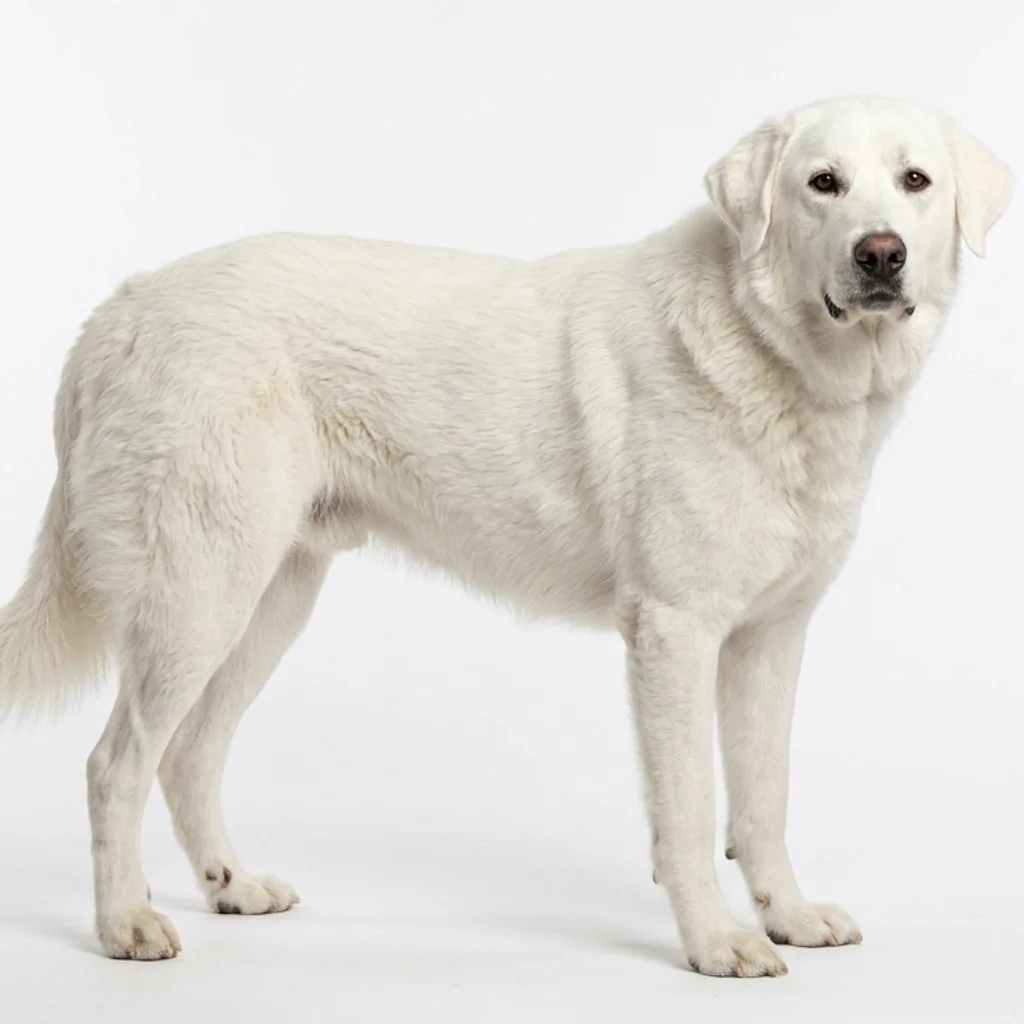
Akbash Dog
Originally a Turkish livestock guardian, the Akbash is a serious, protective, and independent breed. They are not suited for apartment living and thrive on large NZ lifestyle blocks where they can have a 'territory' to watch over.