Dog Breed Guide NZ
Appenzeller Sennenhund
The Appenzeller Sennenhund is a vibrant and intelligent Swiss mountain dog, renowned for its striking tricolour coat and distinctive curled tail. Highly energetic and incredibly vocal, these dogs are not for the faint-hearted but thrive in active environments. They are agile, hardworking, and possess a confident loyalty that makes them exceptional working dogs or devoted companions for very active Kiwi families. Their alert nature and need for purpose mean they excel in dog sports or as a vigilant guardian on a lifestyle block, fitting perfectly into New Zealand's outdoor-centric lifestyle.
Photo Gallery
Breed Snapshot
- Size
- Male: 22-32 kg; Female: 20-28 kg
- Lifespan
- 12-15 years
- Origin
- Being enriched
- Temperament
- Energetic, intelligent, confident, loyal, alert, work-focused
- NZ Price
- $2,500 - $4,500 NZD from registered breeders; $150-$350 NZD adoption via SPCA (rarely available)
- Annual Vet Cost
- Estimated annual vet costs for an Appenzeller Sennenhund in NZ can range from $700 - $1,200 NZD, excluding emergency care. This covers routine check-ups, vaccinations, flea/worming treatments, and potential costs for breed-specific health issues. Appenzellers can be prone to hip and elbow dysplasia, patellar luxation, and certain eye conditions (e.g., progressive retinal atrophy). Diagnostic tests and treatments for these conditions can significantly increase costs, potentially adding several hundred to thousands of dollars if surgery or ongoing medication is required.
Personality Scores
NZ Lifestyle Fit
Appenzeller Sennenhunds are generally not suited for apartment living, even in cities like Auckland. Their high energy levels, vocal nature, and need for space mean they require a larger environment to truly thrive. A house with a securely fenced section is a much better fit, allowing them ample room to play and explore, provided daily vigorous exercise is still a priority. They are exceptionally well-suited to rural NZ farms or lifestyle blocks, where their natural herding and guarding instincts can be fulfilled. Regarding climate, their double coat provides excellent insulation for the South Island's cold winters. However, during Auckland's humid summers and New Zealand's generally high UV levels, owners must ensure constant access to shade and fresh water to prevent overheating and sunburn. There are no specific MPI (Ministry for Primary Industries) restrictions on owning Appenzeller Sennenhunds in New Zealand, but responsible ownership, including registration and microchipping, is mandatory under local council bylaws.
Origins & History
The Appenzeller Sennenhund, often simply called an Appenzeller, hails from the Appenzell region of Switzerland. One of four Swiss Sennenhund breeds, alongside the Bernese Mountain Dog, Greater Swiss Mountain Dog, and Entlebucher Sennenhund, the Appenzeller is the rarest and arguably the most agile. Historically, these versatile dogs were indispensable to Swiss farmers, performing a variety of tasks including herding cattle, guarding livestock and property, and pulling carts. Their keen intelligence, robust build, and unwavering loyalty made them perfect for the rugged Alpine terrain and demanding farm work. While their exact lineage is somewhat debated, they are believed to be descendants of Roman molossers brought to Switzerland by invading armies. The breed was officially recognised in the late 19th and early 20th centuries, with efforts made to preserve its distinct characteristics and working abilities. Today, they remain a beloved working dog in their homeland and are slowly gaining recognition globally, including here in New Zealand, for their unique blend of brains and brawn.
Appearance
The Appenzeller Sennenhund is a medium-sized, well-muscled dog with a distinctive tricolour coat. Their base colour is typically black or Havana brown, with symmetrical rust-red (tan) and white markings. The tan markings are usually found above the eyes, on the cheeks, chest, and legs, while white markings adorn the muzzle, a blaze on the forehead, and the chest, extending to the feet. A hallmark of the breed is its tightly curled tail, carried high over the back, which often wags with enthusiasm. They possess a strong, athletic build, reflecting their heritage as working dogs. Males typically weigh between 22-32 kg and stand 52-56 cm at the shoulder, while females are slightly smaller, weighing 20-28 kg and standing 50-54 cm. Their eyes are small, almond-shaped, and dark, conveying an intelligent and alert expression. Their ears are triangular, set high, and drop close to the cheeks.
Temperament & Personality
Appenzellers are renowned for their energetic, intelligent, and confident personalities. They are incredibly loyal to their families, forming strong bonds and often displaying a protective instinct. This loyalty, combined with their inherent alertness, makes them excellent watchdogs, though their vocal nature means they will certainly let you know when something is amiss. They possess a strong work ethic and thrive when given a job to do, whether it's herding, participating in dog sports, or simply engaging in vigorous daily exercise. Without sufficient mental and physical stimulation, they can become bored and destructive. They are highly intelligent and eager to please, making them trainable, but their confidence can sometimes translate into stubbornness, requiring a firm, consistent, and positive reinforcement-based approach. Early socialisation is crucial to ensure they are well-adjusted around strangers and other animals, as they can be reserved or wary with those they don't know.
Life in New Zealand
For the right Kiwi family, an Appenzeller Sennenhund can be an incredible addition. Their love for the outdoors makes them well-suited to New Zealand's diverse landscapes, from our beautiful beaches (where permitted) to our extensive tramping tracks. They thrive on properties with ample space, such as a lifestyle block or a securely fenced section in a suburban area, where they can burn off their boundless energy. Their intelligence and agility mean they excel in dog sports like agility, obedience, and even herding trials, which are increasingly popular across New Zealand. Owners must be committed to providing consistent training and socialisation from a young age to harness their potential and manage their strong personalities. Their double coat provides good insulation for cooler South Island winters, but owners must be mindful of providing shade and fresh water during hot, humid Auckland summers and protecting them from high UV levels.
Is This the Right Breed for You?
An Appenzeller Sennenhund is not a breed for novice dog owners or those seeking a couch potato companion. They require an active, experienced owner who understands the needs of a working breed. Prospective owners must be prepared for significant daily exercise, consistent training, and ample mental stimulation. They thrive in homes where they are an integral part of family life and have a clear role or 'job'. If you live in an apartment or have a sedentary lifestyle, this is likely not the breed for you. However, if you're an active individual or family with a securely fenced property, a love for the outdoors, and the time and dedication to invest in their training and exercise, an Appenzeller can be an incredibly rewarding, loyal, and fun-loving companion that will thrive in the New Zealand environment.
Fun Facts
Fact 1
The Appenzeller Sennenhund is the rarest of the four Swiss Sennenhund breeds.
Fact 2
Their distinctive tightly curled tail, carried over their back, is often referred to as a 'posthorn' tail.
Fact 3
Appenzellers are known for their incredibly loud and unique bark, often described as a 'double bark' or 'bay'.
Fact 4
Historically, they were multi-purpose farm dogs, excelling at herding, guarding, and even pulling small carts.
Fact 5
The breed nearly went extinct in the early 20th century, but dedicated efforts helped revive their numbers.
Related Breeds
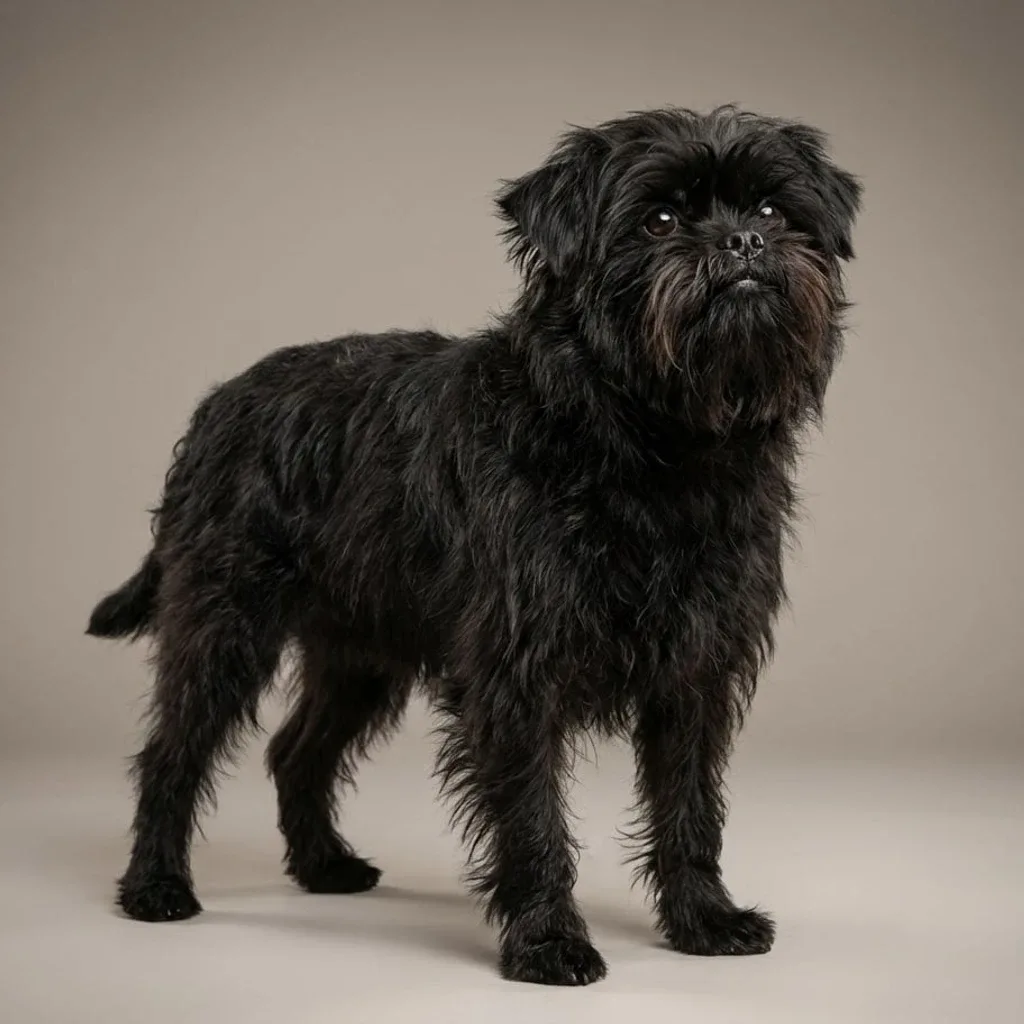
Affenpinscher
The Affenpinscher is a sturdy, monkey-like terrier-type toy breed known for its confidence and playful spirit. Despite its small size, it possesses a courageous heart and a loyal personality, making it a wonderful companion for Kiwi apartment dwellers or those with smaller sections.
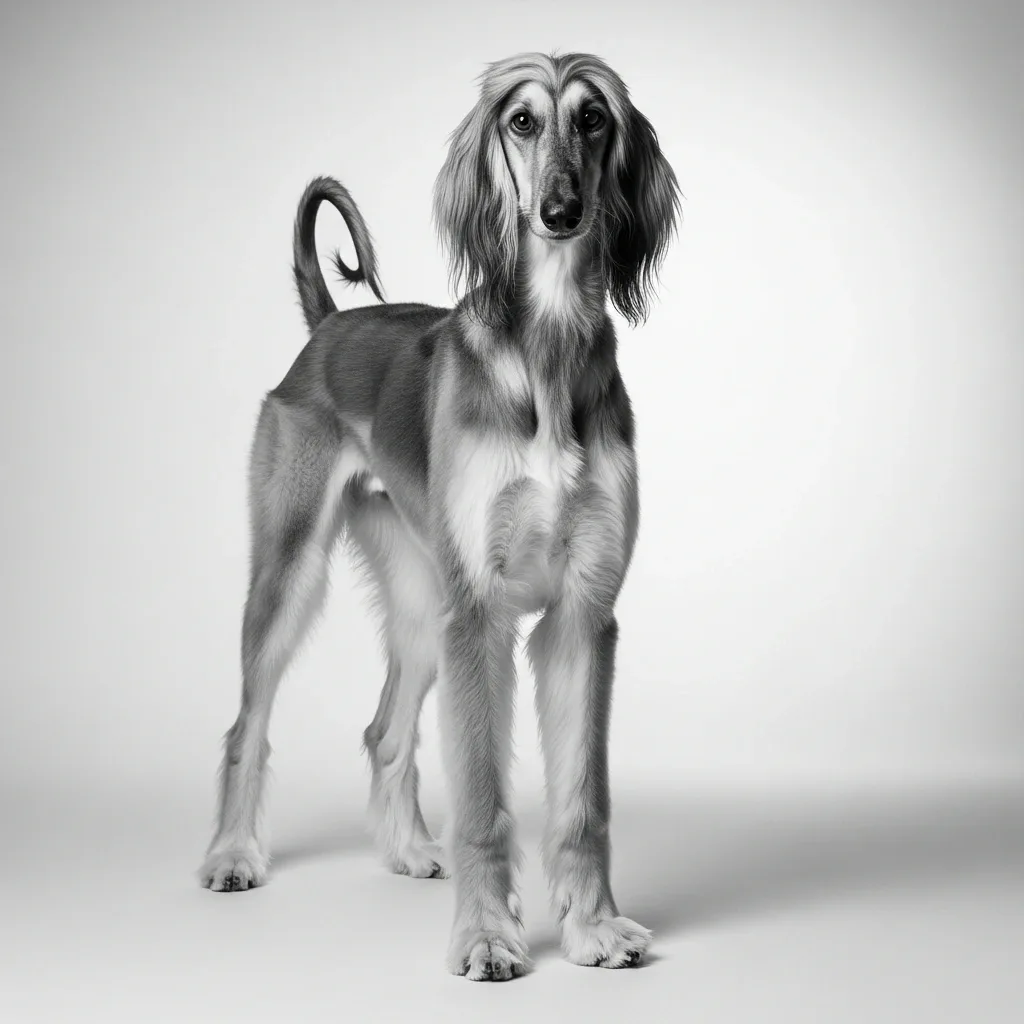
Afghan Hound
The Afghan Hound is an elegant aristocrat with a dignified and aloof personality. Known for its striking, silky coat, this breed is a high-maintenance beauty that requires ample space to run and an owner dedicated to its complex grooming needs.
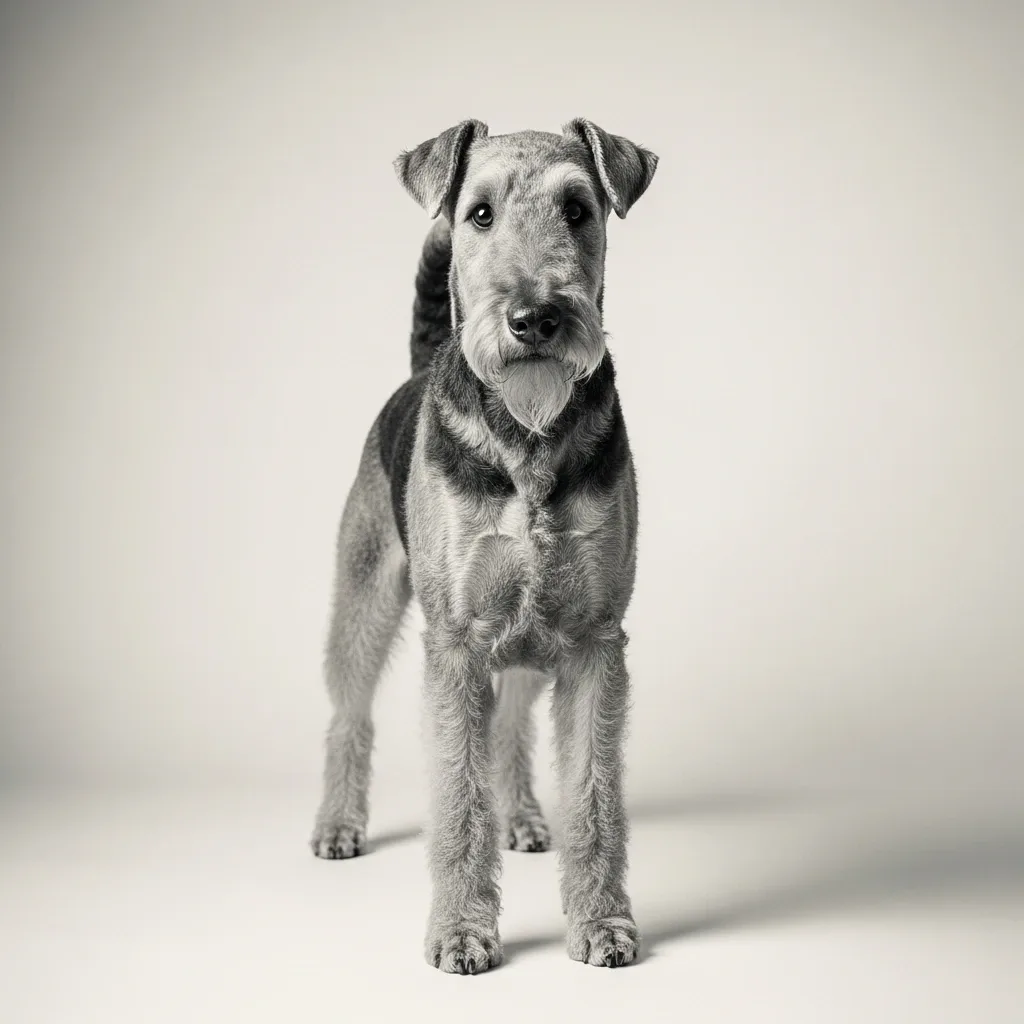
Airedale Terrier
The 'King of Terriers', the Airedale is the largest of all terrier breeds. They are brave, hardworking, and highly intelligent, making them excellent partners for active Kiwi families who love tramping and outdoor adventures.
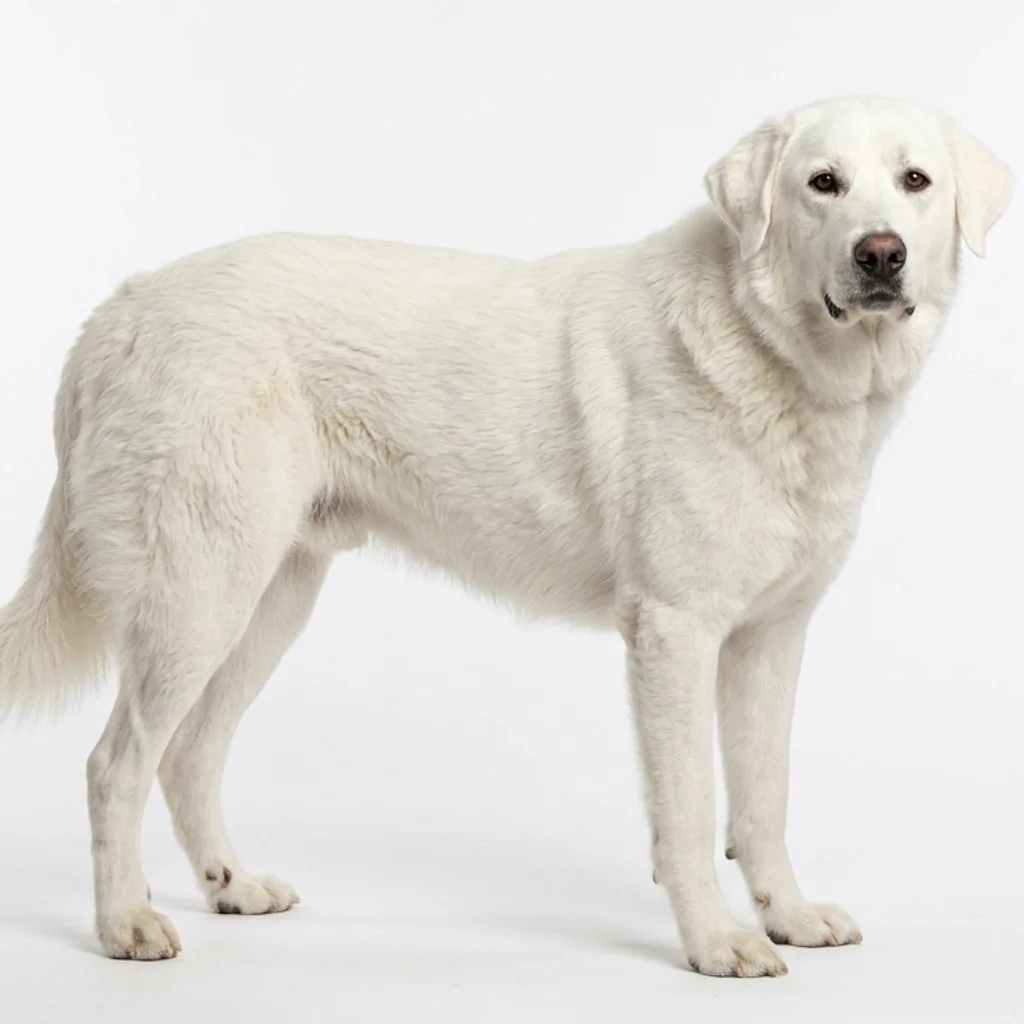
Akbash Dog
Originally a Turkish livestock guardian, the Akbash is a serious, protective, and independent breed. They are not suited for apartment living and thrive on large NZ lifestyle blocks where they can have a 'territory' to watch over.