Dog Breed Guide NZ
American Eskimo Dog (Miniature)
The Miniature American Eskimo Dog, affectionately known as the 'Mini Eskie', offers all the intelligence, beauty, and charm of its larger counterparts in a more compact, apartment-friendly package. Known for their striking white double coat, alert expression, and playful spirit, these dogs are highly adaptable and form strong bonds with their families. They thrive on interaction and mental stimulation, making them excellent companions for active individuals or families in New Zealand. While their size makes them suitable for smaller homes or flats, their energetic nature means they still require plenty of daily exercise and engagement. For Kiwis seeking a loyal, intelligent, and visually stunning companion that fits well into a diverse range of NZ lifestyles, the Mini Eskie is a fantastic choice, ready to join you on adventures from city parks to a relaxing bach getaway.
Photo Gallery
Breed Snapshot
- Size
- 4.5-9 kg
- Lifespan
- 13-15 years
- Origin
- Being enriched
- Temperament
- The Miniature American Eskimo Dog shares the breed's intelligent, alert and friendly temperament. It is usually loyal and quick to learn, but can be conservative with new people and benefits from early socialisation and clear, positive training.
- NZ Price
- $1,500 - $3,500 NZD from registered breeders; $150-$350 NZD adoption via SPCA (if available)
- Annual Vet Cost
- Estimated annual vet costs for a Miniature American Eskimo Dog in New Zealand typically range from $400 - $800 NZD. This covers routine check-ups, vaccinations, flea and worm treatments, and general preventative care. However, potential breed-specific health issues can increase these costs. Patellar luxation, a common knee condition, might require surgery costing $1,500 - $4,000 NZD per knee. Hip dysplasia, though less common in miniatures, can incur similar surgical expenses. Progressive Retinal Atrophy (PRA) requires ongoing monitoring and potential treatments. Diabetes management can involve lifelong medication and dietary changes, costing hundreds to thousands annually. Regular vet visits are crucial for early detection and management of these conditions.
Personality Scores
NZ Lifestyle Fit
The Miniature American Eskimo Dog is remarkably adaptable to various New Zealand living situations. For those in an Auckland apartment, their compact size is a definite advantage, but daily walks around the block, visits to local parks, and mental enrichment are non-negotiable. Auckland's humid summers can be challenging for their thick double coat, so ensure access to shade, cool water, and consider a cooling mat. For a house with a section, they'll appreciate the extra space to play and explore, though secure fencing is crucial as they can be escape artists. In rural NZ farm settings, they aren't traditional working dogs but can thrive as family companions if well-socialised and kept safe from livestock, as their prey drive might be stimulated. South Island cold winters are generally well-tolerated thanks to their insulating double coat, but a warm, dry shelter is still essential. New Zealand's high UV index means white-coated dogs can be susceptible to sunburn on their nose or paw pads, so shade and sun protection are important. MPI (Ministry for Primary Industries) currently has no specific restrictions on the American Eskimo Dog breed in New Zealand, making them readily available for responsible ownership.
Origins & History
The American Eskimo Dog, despite its name, does not originate from the Arctic regions or have direct ties to the Eskimo people. Its true ancestry traces back to the German Spitz, a family of Nordic dogs brought to America by German immigrants in the 19th century. These beautiful white Spitz dogs quickly gained popularity in the United States, particularly in travelling circuses where their intelligence, agility, and striking appearance made them star performers. They were known for their ability to learn complex tricks, walk tightropes, and perform incredible feats. During World War I, anti-German sentiment led to a rebranding of many German-named breeds, and the 'German Spitz' became the 'American Eskimo Dog'. The breed was officially recognised by the American Kennel Club (AKC) in 1995, with three distinct size varieties: Toy, Miniature, and Standard. The Miniature American Eskimo Dog maintains the same characteristics and lineage, simply bred for a smaller stature, making it a more versatile companion for various living situations.
Appearance
The Miniature American Eskimo Dog is a stunningly beautiful canine, instantly recognisable by its pristine white, thick double coat. This coat is dense and straight, standing off the body, with a noticeable ruff around the neck and chest, giving them a lion-like appearance. Their plumed tail curls gracefully over their back, a hallmark of the Spitz family. Dark, intelligent eyes, a black nose, and erect, triangular ears complete their alert and foxy expression. Males typically stand between 30-38 cm at the shoulder and weigh 7-11 kg, while females are slightly smaller. Beneath their luxurious coat, they possess a well-balanced and sturdy build, allowing for agility and endurance. Their striking appearance often draws attention, and they carry themselves with an air of confidence and elegance.
Temperament & Personality
Miniature American Eskimo Dogs are renowned for their intelligence, vivacity, and affectionate nature. They are highly social animals that thrive on human companionship and are known for forming strong bonds with their families. Their intelligence makes them highly trainable, eager to please, and quick learners, excelling in obedience, agility, and even trick training. However, this intelligence also means they require consistent mental stimulation to prevent boredom, which can lead to undesirable behaviours like excessive barking or destructive chewing. Eskies are naturally alert and make excellent watchdogs, often vocalising to announce visitors or unusual sounds. Early socialisation is crucial to ensure they are well-adjusted around strangers and other pets. They are generally good with children and other animals when raised together, displaying a playful and gentle demeanour. Their playful spirit and boundless energy make them delightful companions for active Kiwi families.
Life in New Zealand
The Miniature American Eskimo Dog is well-suited to life in New Zealand, adapting comfortably to various climates and living arrangements. Their double coat provides excellent insulation against cooler South Island winters, while their moderate size makes them suitable for both suburban homes with a section and city flats, provided they receive adequate exercise. Kiwis who enjoy an active lifestyle will find a Mini Eskie a willing companion for walks along the beach, hikes on local reserves, or exploring tramping tracks (always on lead where required). Their friendly nature makes them popular at dog parks and community events. However, responsible ownership is key; their vocal tendencies mean training is essential to manage barking, especially in urban environments. Given New Zealand's high UV levels, care should be taken to provide shade during hot summers, and their white coat can reflect heat, but also absorb it, so monitoring for overheating is important. Regular grooming is also a must to keep their beautiful coat healthy in our diverse conditions.
Is This the Right Breed for You?
The Miniature American Eskimo Dog can be an ideal companion for the right individual or family in New Zealand. If you're looking for an intelligent, loyal, and affectionate dog that thrives on interaction and can participate in various activities, the Mini Eskie might be perfect. They are generally good with children and other pets, making them a wonderful family dog. However, potential owners must be prepared for their grooming needs, their moderate exercise requirements, and their potential for being vocal. They are not a breed that can be left alone for extended periods; they crave companionship and mental engagement. If you can commit to consistent training, regular grooming, and providing plenty of love and attention, a Miniature American Eskimo Dog will reward you with years of devoted companionship and endless joy, fitting seamlessly into many Kiwi households, from bustling city life to a more relaxed suburban pace.
Fun Facts
Fact 1
Despite their name, American Eskimo Dogs are not from the Arctic and have no connection to the Eskimo people; they originated from German Spitz dogs.
Fact 2
The breed gained significant popularity in the United States as circus performers, known for their intelligence and ability to learn complex tricks.
Fact 3
They are often nicknamed 'Eskies' by their enthusiasts.
Fact 4
The American Eskimo Dog is a member of the Spitz family, characterised by their thick fur, pointed ears, and curled tail.
Fact 5
Eskies are known for their 'Eskie kiss,' where they gently rub their nose against their owner's face as a sign of affection.
Related Breeds
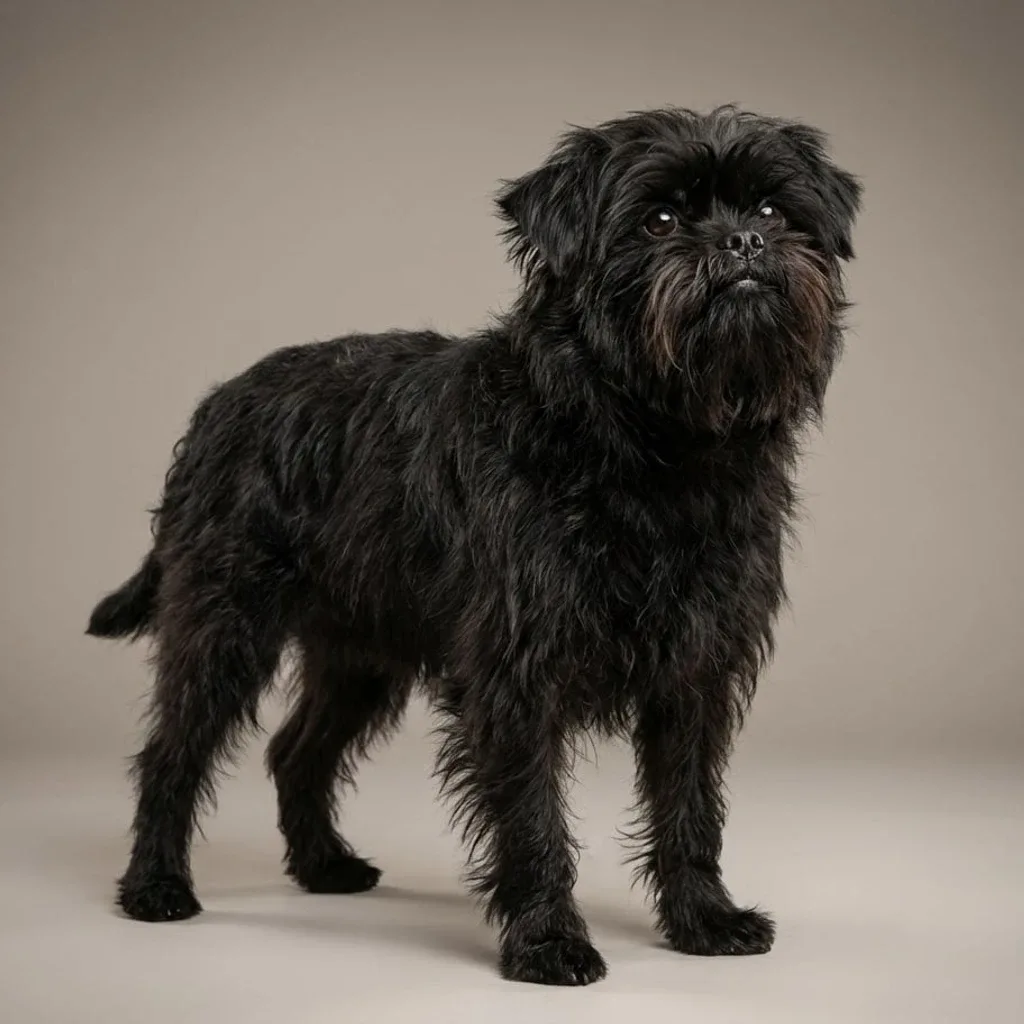
Affenpinscher
The Affenpinscher is a sturdy, monkey-like terrier-type toy breed known for its confidence and playful spirit. Despite its small size, it possesses a courageous heart and a loyal personality, making it a wonderful companion for Kiwi apartment dwellers or those with smaller sections.
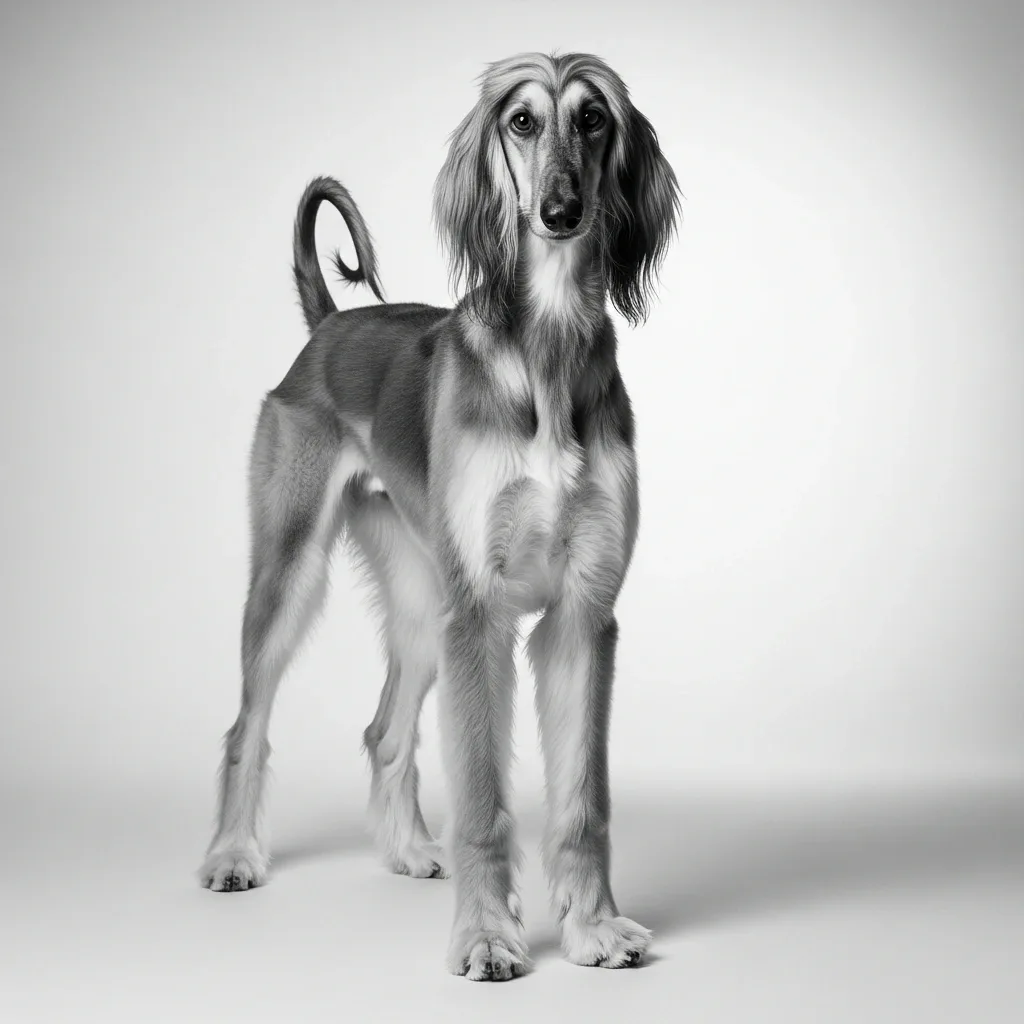
Afghan Hound
The Afghan Hound is an elegant aristocrat with a dignified and aloof personality. Known for its striking, silky coat, this breed is a high-maintenance beauty that requires ample space to run and an owner dedicated to its complex grooming needs.
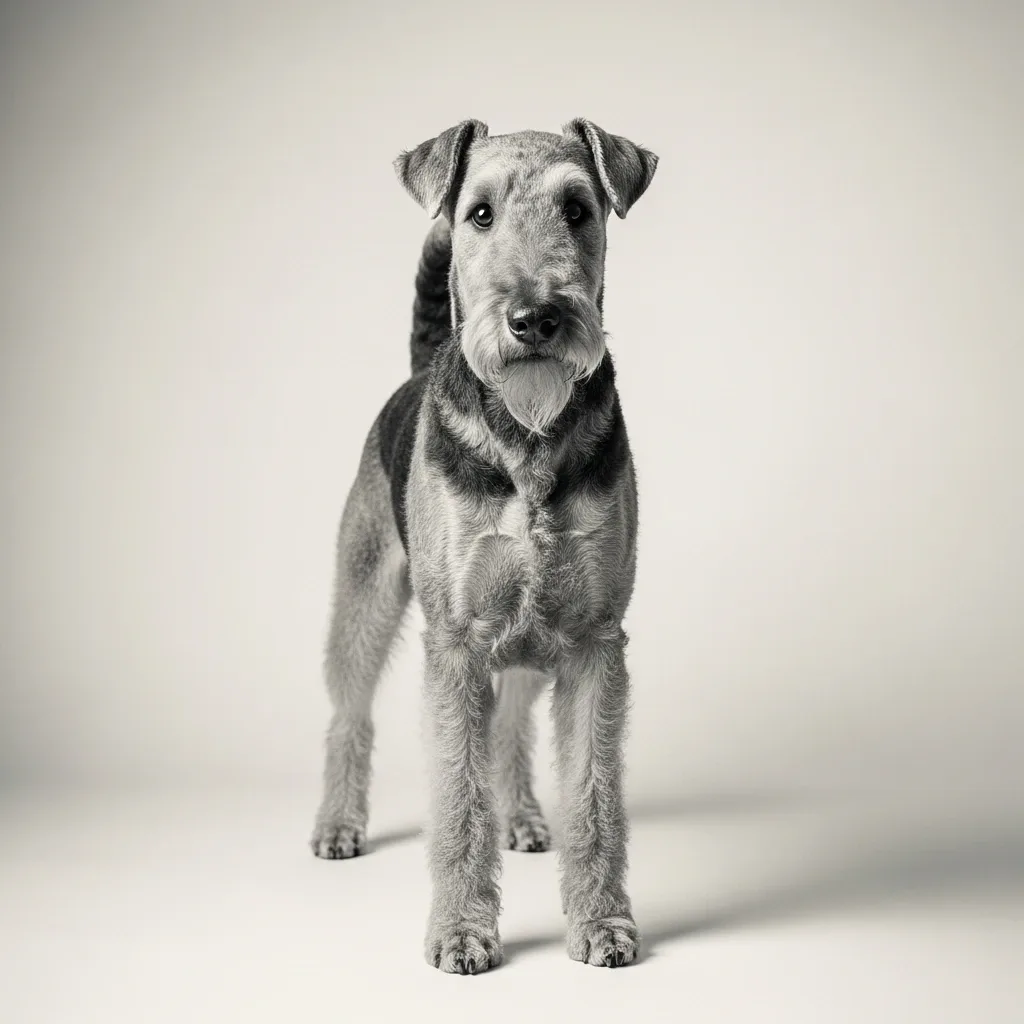
Airedale Terrier
The 'King of Terriers', the Airedale is the largest of all terrier breeds. They are brave, hardworking, and highly intelligent, making them excellent partners for active Kiwi families who love tramping and outdoor adventures.
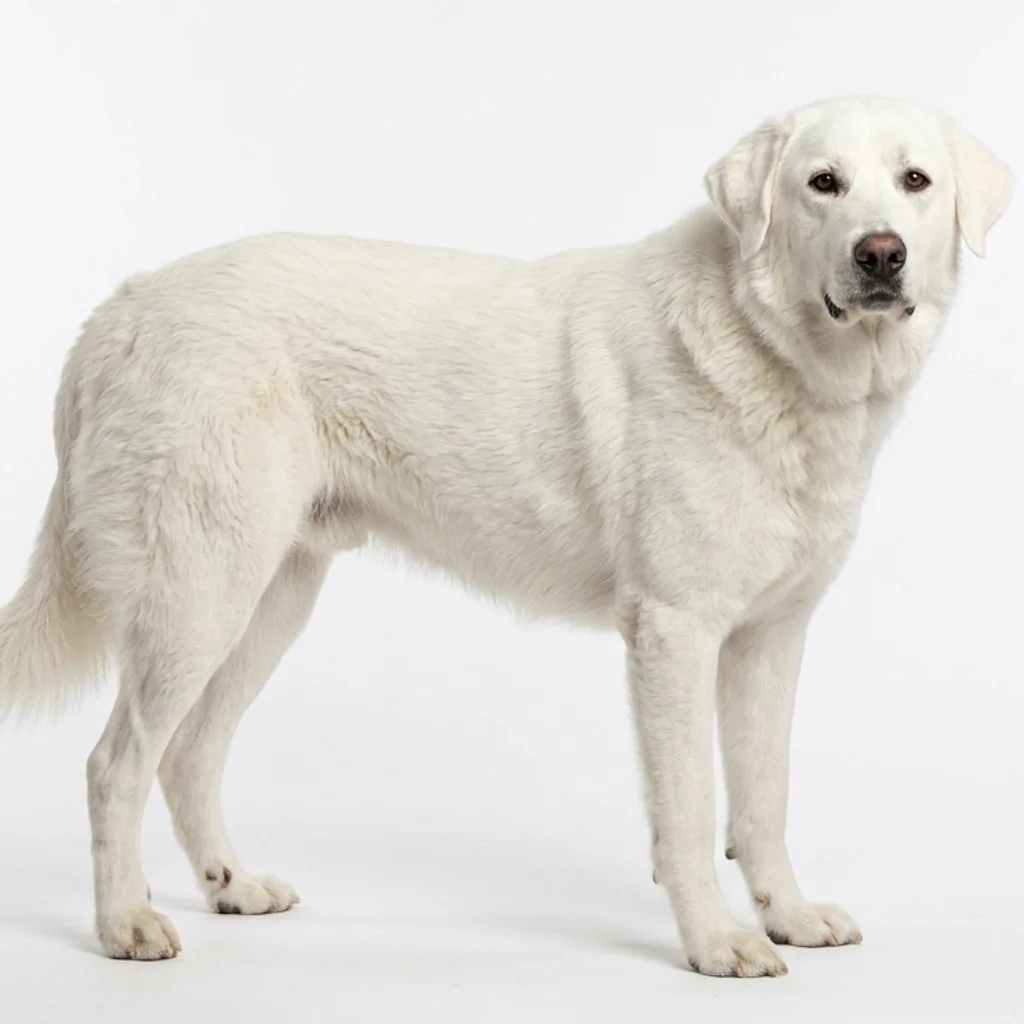
Akbash Dog
Originally a Turkish livestock guardian, the Akbash is a serious, protective, and independent breed. They are not suited for apartment living and thrive on large NZ lifestyle blocks where they can have a 'territory' to watch over.