Dog Breed Guide NZ
American Eskimo Dog
The American Eskimo Dog, affectionately known as the 'Eskie', is a stunning spitz-type dog renowned for its intelligent, alert, and friendly nature. With a beautiful snowy white double coat, erect ears, and a plumed tail curled over its back, the Eskie is a truly eye-catching companion. Despite their name, they originated from Germany and were popular circus performers due to their high trainability and eagerness to please. For Kiwi families, Eskies make excellent watchdogs, alerting their owners to anything unusual, and thrive on being an integral part of family life. Their adaptable size and loving temperament mean they can fit into various New Zealand households, from active urban dwellers to those with a bit more room to roam.
Photo Gallery
Breed Snapshot
- Size
- 3-16 kg
- Lifespan
- 13-15 years
- Origin
- Being enriched
- Temperament
- Intelligent, alert, friendly, playful, energetic, eager to please
- NZ Price
- $1,500 - $3,500 NZD from registered breeders; $150-$350 NZD adoption via SPCA
- Annual Vet Cost
- Estimated annual vet costs for an American Eskimo Dog in NZ range from $400 - $800 NZD for routine care (vaccinations, flea/worm treatments, annual check-ups). However, potential costs for breed-specific health issues like patellar luxation, hip dysplasia, or progressive retinal atrophy (PRA) could add significantly, potentially reaching $1,000 - $5,000+ NZD for diagnostics and treatment if these conditions arise.
Personality Scores
NZ Lifestyle Fit
The American Eskimo Dog can adapt to various New Zealand living situations with the right care. For an apartment in Auckland, an Eskie can thrive if daily walks, mental stimulation, and regular visits to dog parks are provided. Owners must be mindful of Auckland's humid summers; ensure good ventilation, shade, and fresh water to prevent overheating of their double coat. A house with a secure section is ideal, offering space for play and exploration, though daily walks are still essential. For rural NZ farm life, Eskies can enjoy the space, but their strong watchdog instincts mean they'll need training to distinguish between welcome visitors and potential threats, and to not chase livestock. Their double coat insulates well for South Island cold winters, but conversely, requires careful management during hot, high-UV summers across the country. Always provide ample shade and water. There are no specific MPI restrictions on owning an American Eskimo Dog in New Zealand.
Origins & History
The American Eskimo Dog's history is a fascinating tale of mistaken identity and circus stardom. Despite their name, Eskies do not hail from the Arctic or have any direct lineage to the Eskimo people. Their true ancestry traces back to the German Spitz, a family of Nordic dogs brought to the United States by German immigrants in the 19th century. Initially known as the American Spitz, their name was changed during World War I due to anti-German sentiment. These intelligent and agile dogs quickly found fame in travelling circuses across America, where they were renowned for their dazzling tricks and ability to walk tightropes. Their striking appearance and trainability made them popular performers, cementing their reputation as clever and eager-to-please companions. Today, the American Eskimo Dog is cherished worldwide for its beauty, brains, and charming personality.
Appearance
The American Eskimo Dog is a medium-sized, Nordic-type dog characterised by its dense, pure white double coat, erect triangular ears, and a distinctive plumed tail carried over its back. Their dark, intelligent eyes and black nose provide a striking contrast to their snowy fur. Eskies come in three size varieties: Toy (2.7-4.5 kg), Miniature (4.5-9 kg), and Standard (9-16 kg), offering options for different living situations. Their thick double coat consists of a short, dense undercoat and a longer, straight outer coat, providing excellent insulation against both cold and heat. Despite their pristine white appearance, their coat is surprisingly easy to maintain, as dirt tends to fall off rather than cling.
Temperament & Personality
Eskies are celebrated for their vibrant temperament, combining intelligence, alertness, and an undeniably friendly disposition. They are highly social dogs who thrive on human companionship and love being at the centre of family activities. Their playful and energetic nature means they enjoy interactive games and mental challenges. Being eager to please, they are generally highly trainable, making them excellent candidates for obedience, agility, and even trick training. However, their intelligence also means they can be mischievous if not adequately stimulated. As natural watchdogs, they are quick to alert their families to strangers or unusual sounds, making them effective, if sometimes vocal, guardians. Early socialisation is crucial to ensure they are well-adjusted around other pets and people.
Life in New Zealand
The American Eskimo Dog is well-suited to life in New Zealand, adapting well to various Kiwi lifestyles. Their moderate size makes them suitable for homes with a small section or even larger flats, provided they receive ample daily exercise and mental stimulation. They thrive on being part of the family, whether it's joining you for a stroll along a local beach, exploring a dog-friendly reserve, or simply relaxing at home. Their double coat provides good insulation for cooler South Island winters, but owners in hotter, more humid regions like Auckland will need to ensure they have plenty of shade, water, and ventilation during summer to prevent overheating. Eskies love exploring the outdoors, making them great companions for active individuals or families who enjoy New Zealand's beautiful landscapes.
Is This the Right Breed for You?
Bringing an American Eskimo Dog into your home is a commitment to an intelligent, active, and highly social companion. They are an excellent choice for active individuals or families who can provide consistent training, daily exercise, and plenty of mental stimulation. Their eagerness to please makes them a joy to train, but their intelligence means they can become bored and destructive if left alone for long periods without engagement. Eskies are generally wonderful with children and other pets when properly socialised, making them fantastic family dogs. However, potential owners should be prepared for their grooming needs, particularly during shedding seasons, and their tendency to be vocal. If you're looking for a loyal, playful, and beautiful dog that will be an active participant in your life, an American Eskimo Dog could be the perfect addition to your New Zealand home.
Fun Facts
Fact 1
Despite their name, American Eskimo Dogs originated from Germany, not the Arctic, and were initially called German Spitz.
Fact 2
Eskies were once popular circus performers, renowned for their intelligence and ability to learn complex tricks.
Fact 3
They are known for their distinctive 'Eskie smile', where they pull back their lips to show their teeth in a friendly greeting.
Fact 4
The American Eskimo Dog's pure white double coat is surprisingly self-cleaning, often shedding dirt rather than absorbing it.
Fact 5
Eskies are highly vocal dogs and will use barks, howls, and even 'talking' to communicate with their families.
Related Breeds
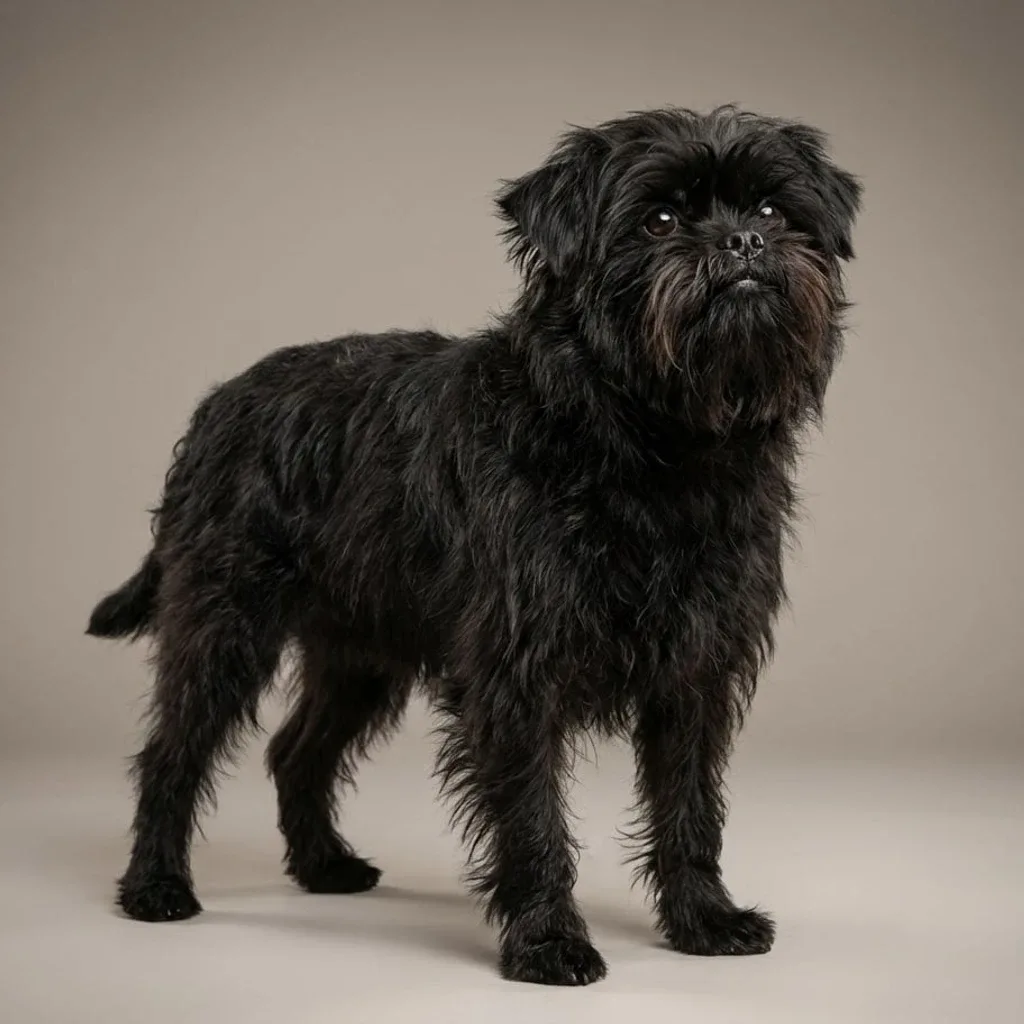
Affenpinscher
The Affenpinscher is a sturdy, monkey-like terrier-type toy breed known for its confidence and playful spirit. Despite its small size, it possesses a courageous heart and a loyal personality, making it a wonderful companion for Kiwi apartment dwellers or those with smaller sections.
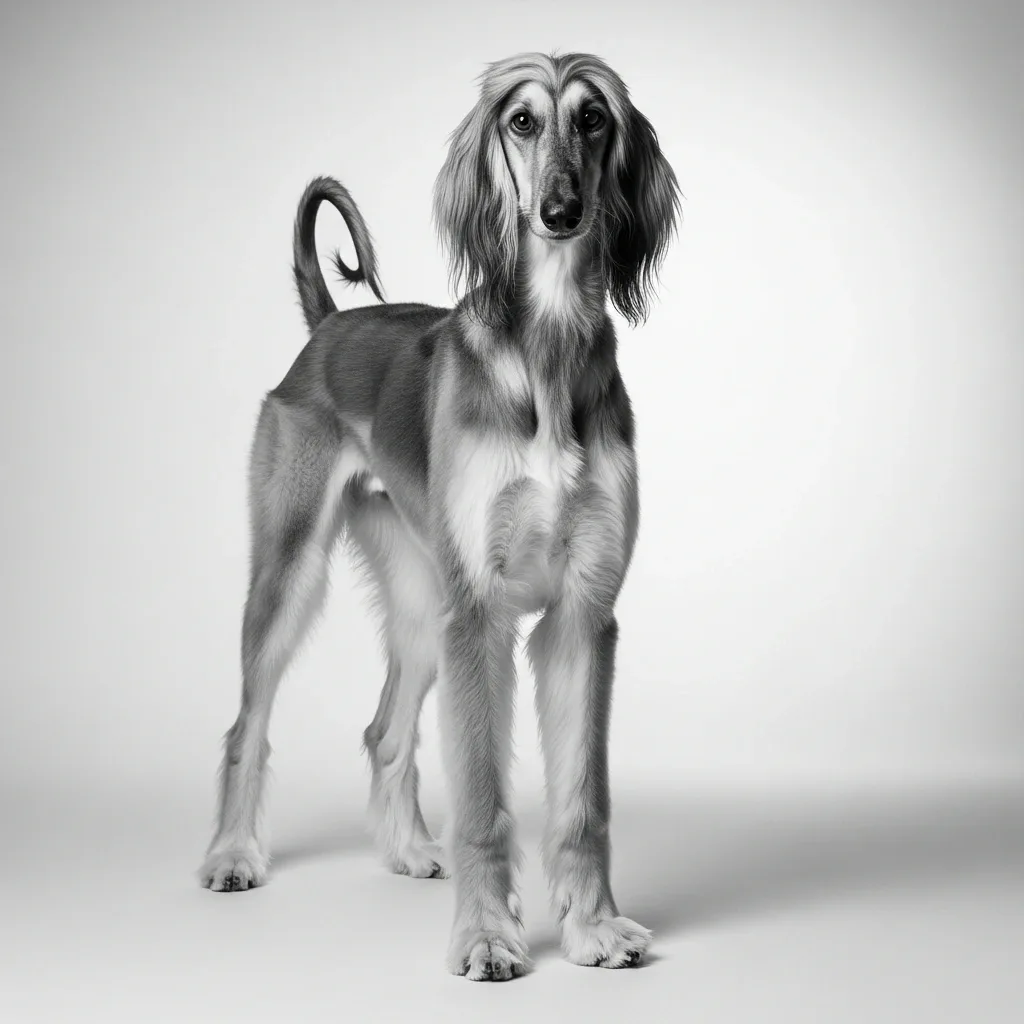
Afghan Hound
The Afghan Hound is an elegant aristocrat with a dignified and aloof personality. Known for its striking, silky coat, this breed is a high-maintenance beauty that requires ample space to run and an owner dedicated to its complex grooming needs.
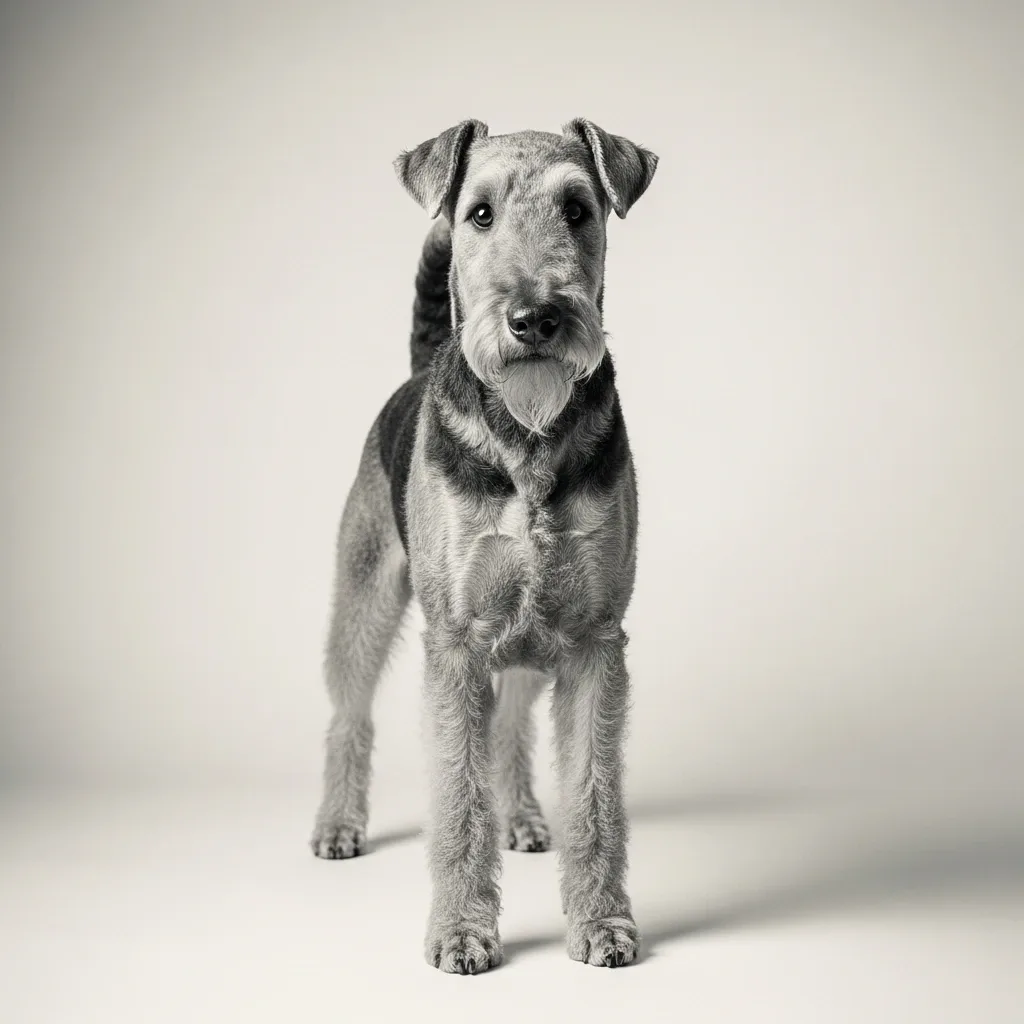
Airedale Terrier
The 'King of Terriers', the Airedale is the largest of all terrier breeds. They are brave, hardworking, and highly intelligent, making them excellent partners for active Kiwi families who love tramping and outdoor adventures.
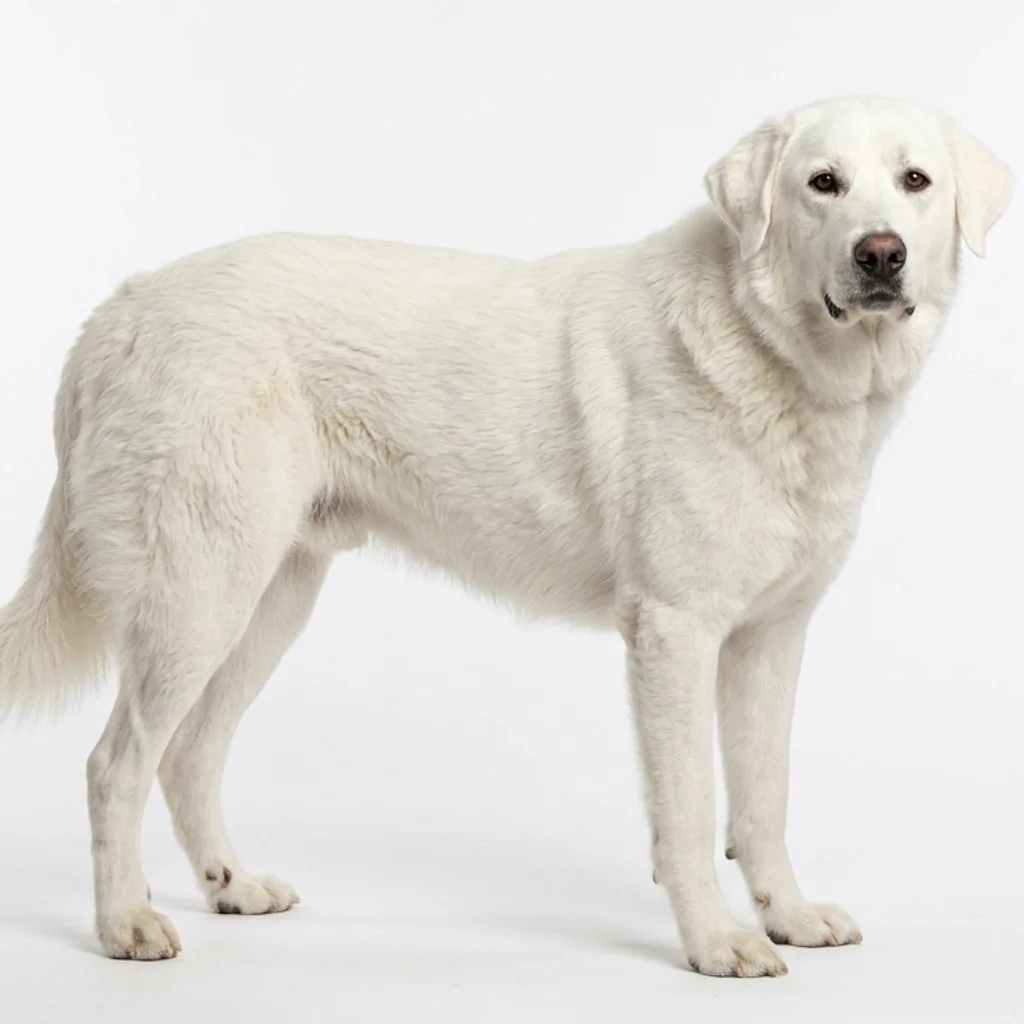
Akbash Dog
Originally a Turkish livestock guardian, the Akbash is a serious, protective, and independent breed. They are not suited for apartment living and thrive on large NZ lifestyle blocks where they can have a 'territory' to watch over.