PetMall Knowledge Hub

Dog Breed Guide NZ

American Bulldog

The American Bulldog is a powerful and confident companion, renowned for its unwavering loyalty and protective nature towards its family. Despite their muscular build, they possess a gentle and affectionate side, making them wonderful additions to active households. This versatile breed thrives on structured training and consistent exercise, channelling their energy into positive outlets. In New Zealand, their robust nature suits a lifestyle that embraces the outdoors, whether it's exploring local reserves or enjoying a run on the beach, provided they receive the mental and physical stimulation they need to be well-adjusted family members. They fit well with Kiwis who appreciate a strong, devoted dog.

Apartment FriendlyHouse with SectionRural / FarmSouth Island ReadyAuckland Climate Friendly

Photo Gallery

Breed Snapshot

Size
Male: 34-45 kg; Female: 27-36 kg
Lifespan
10-12 years
Origin
Being enriched
Temperament
Confident, loyal, protective, energetic, affectionate, courageous
NZ Price
$1,500 - $3,500 NZD from registered breeders; $250-$500 NZD adoption via SPCA or breed-specific rescues
Annual Vet Cost
Estimated annual vet costs for an American Bulldog in New Zealand can range from $800 - $1,500 NZD, not including unexpected emergencies or major surgeries. This covers essential routine care such as annual health checks, booster vaccinations, regular flea and worm treatments, and potentially pet insurance premiums, which are highly recommended for this breed. American Bulldogs are prone to several breed-specific health issues that can significantly increase veterinary expenses. Hip and elbow dysplasia are common orthopaedic concerns, often requiring diagnostic imaging like X-rays and potentially costly surgical interventions or long-term pain management. Eye conditions such as entropion (inward-rolling eyelids) and ectropion (outward-rolling eyelids) may necessitate surgical correction to prevent discomfort and vision problems. Allergies, both environmental and food-related, can lead to chronic skin issues, requiring ongoing medication, special diets, and frequent vet visits. Other potential concerns include certain heart conditions and thyroid issues. Regular preventative care, a balanced diet, and maintaining a healthy weight are crucial for mitigating these risks and managing potential costs.

Personality Scores

Friendliness4/5
Trainability4/5
Energy3/5
Grooming2/5
Health Risk2/5
Apartment2/5
With Kids5/5
With Pets4/5

NZ Lifestyle Fit

The American Bulldog's robust nature means their suitability in New Zealand depends heavily on the owner's lifestyle and commitment. An apartment in Auckland, while possible, would be challenging. They require significant daily exercise and mental stimulation; a small flat would struggle to provide this, potentially leading to destructive behaviours. A house with a good-sized section is far more appropriate, offering space for play and exercise, though a secure fence is paramount given their strength and protective instincts. Rural New Zealand farms could be an ideal environment, allowing them ample space to roam and fulfil their working dog heritage, provided they are properly trained and supervised. Auckland's humid summers necessitate access to shade and fresh water to prevent overheating, especially for active dogs. South Island's cold winters mean a warm, sheltered sleeping area is essential for their short coat. High UV levels across New Zealand require vigilance, particularly for dogs with white or light-coloured noses and ears, to prevent sunburn. There are no specific MPI restrictions on American Bulldogs in New Zealand, but responsible ownership, including registration and microchipping, is mandatory under local council bylaws.

Origins & History

The American Bulldog's lineage traces back to the Old English Bulldog, brought to the American South by working-class immigrants. These dogs were selectively bred for their utility on farms and ranches, primarily for catching feral hogs and cattle, and as guardians of property. Unlike many breeds developed for show, the American Bulldog's evolution focused purely on function, resulting in a robust, athletic, and courageous dog. After nearly facing extinction post-World War II, dedicated breeders like John D. Johnson and Alan Scott worked to revive the breed, preserving its working characteristics. While not as common as some other breeds, the American Bulldog has found a dedicated following in New Zealand, appreciated for its strength, loyalty, and protective instincts, fitting into various Kiwi family dynamics.

Appearance

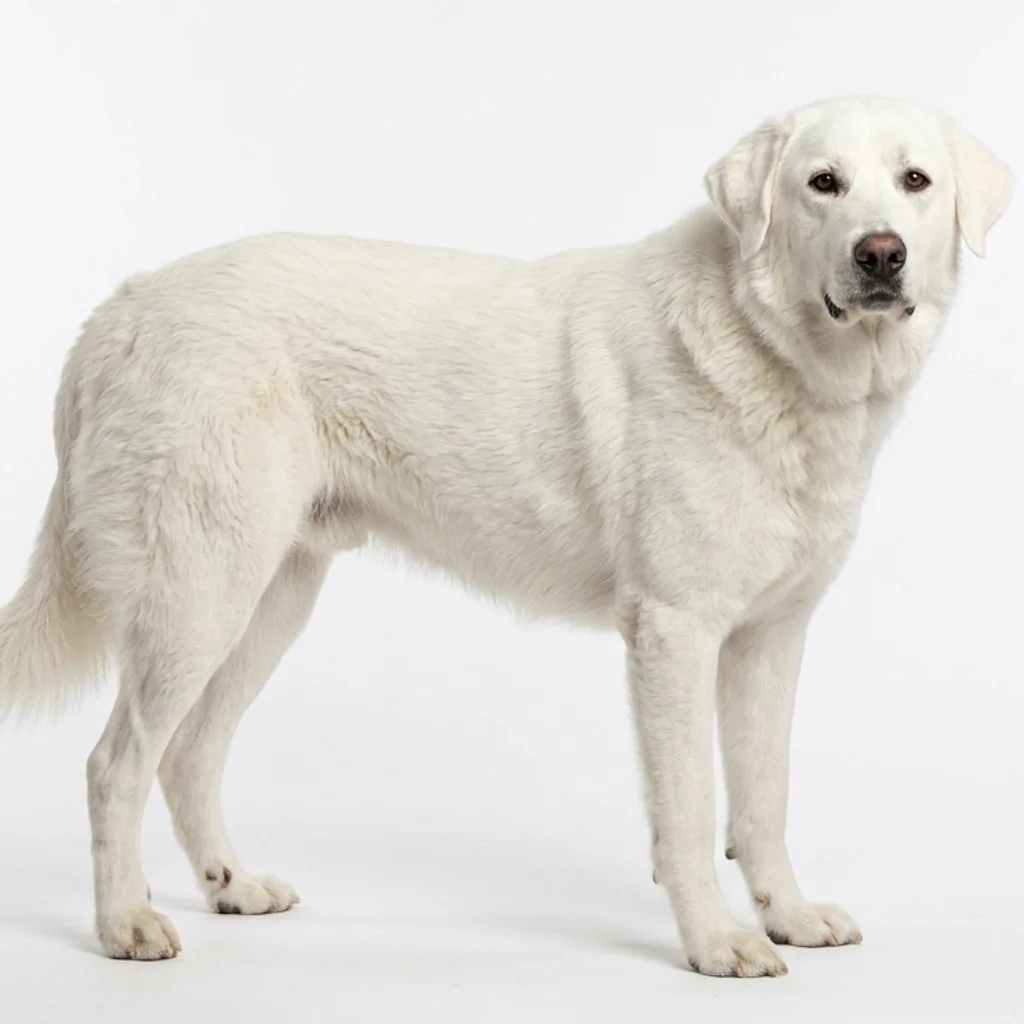
American Bulldogs are medium to large, powerfully built dogs, exuding strength and athleticism. Males typically weigh between 34-45 kg and stand 58-69 cm at the shoulder, while females are slightly smaller at 27-36 kg and 53-64 cm. They possess a broad, muscular head with strong jaws, often giving them a formidable yet intelligent expression. Their short, dense coat is typically white, or white with patches of brindle, fawn, red, or black. Their body is well-muscled and compact, built for agility and endurance. The tail is usually thick at the base, tapering to a point. Their alert and confident stance reflects their inherent protective nature.

Temperament & Personality

Confident, loyal, and incredibly affectionate with their families, the American Bulldog is a true companion. They are known for their unwavering courage and protective instincts, making them excellent guardians. However, this protective nature requires early socialisation and consistent training to ensure they differentiate between genuine threats and everyday occurrences. They are energetic and thrive on interaction, forming strong bonds with their human companions. When properly socialised and trained, they can be wonderful with children, often displaying a gentle and patient demeanour. Their intelligence means they learn quickly, but their strong will requires a firm, consistent, and positive training approach.

Life in New Zealand

American Bulldogs adapt well to various living situations in New Zealand, provided their needs for exercise and mental stimulation are met. They are not suited to being left alone for long periods, preferring to be an integral part of family life. Their short coat generally handles New Zealand's climate well, though owners should be mindful of extreme heat in summer and provide shelter in colder South Island winters. Their robust build makes them ideal partners for outdoor activities, from walks along the beach to exploring local walking tracks. Early and ongoing socialisation is crucial for them to integrate smoothly into Kiwi communities and interact politely with other dogs and people.

Is This the Right Breed for You?

The American Bulldog is best suited for experienced dog owners who can provide consistent leadership, structured training, and ample exercise. They thrive in active households where they are considered part of the family and receive plenty of attention. Owners must be prepared for their protective instincts and commit to thorough socialisation from a young age. If you're looking for a loyal, courageous, and affectionate companion who will be a devoted family member and a capable guardian, and you have the time and dedication to invest in their training and exercise, an American Bulldog could be an excellent fit for your Kiwi lifestyle.

Fun Facts

Fact 1

Despite their tough appearance, American Bulldogs are often referred to as "gentle giants" by their families due to their affectionate nature.

Fact 2

They were originally bred in the American South as all-around working dogs, used for tasks like catching feral hogs and guarding property.

Fact 3

The breed nearly went extinct after World War II, saved by dedicated breeders who focused on preserving their working abilities.

Fact 4

American Bulldogs are known for their "bulletproof" loyalty, forming incredibly strong bonds with their human family members.

Fact 5

They are highly versatile and can excel in various canine sports, including obedience, agility, weight pulling, and protection work.

Related Breeds
PetMall Editorial Desk

Reviewed and curated for practical, vet-informed guidance

Every guide is edited into a consistent house style so readers can scan quickly, compare recommendations, and understand where general education stops and personal veterinary advice begins.

Updated
Recently updated
Positioning
Evidence-based pet care for NZ households

Structured Guide

Life Stage Care

Scan the most important priorities for each stage so readers can adapt routine, home setup, and monitoring as this profile matures.

Puppy · 8 weeks to 18 months

American Bulldog puppies need polite greetings, bite inhibition, calm visitor routines, short training, safe growth exercise, and heat-aware habits.

  • Use short reward-based sessions for name response, recall, handling, settle, and polite greetings.
  • Introduce grooming, tooth brushing, nail handling, ear checks, and vet-style body checks early.
  • Keep exercise age-appropriate and avoid repetitive high-impact activity while the body develops.
  • Feed a suitable puppy diet and transition foods gradually over 1-2 weeks.
  • Register and microchip according to local council rules.

Adult · 18 months to 8 years

Adult American Bulldog care should focus on cool-weather exercise, strength-aware training, body condition, joint care, visitor manners, and rest.

  • Use the current profile notes as a starting point: match exercise to the individual dog's age, fitness, and temperament.
  • Build a daily rhythm that includes exercise, mental work, rest, and predictable household rules.
  • Keep grooming realistic: The American Bulldog's short, dense coat is relatively low maintenance, making their grooming routine straightforward. A weekly brush with a rubber curry brush or a shedding blade is usually sufficient to remove loose hair, distribute natural oils, and keep their coat shiny. This also helps minimise shedding around the house, particularly during seasonal changes. They don't require frequent bathing; a bath every 1-2 months, or when they get particularly dirty from exploring New Zealand's outdoors, is generally enough. Use a dog-specific shampoo to avoid skin irritation. Beyond coat care, regular nail trims are essential, typically every 3-4 weeks, or as needed, to prevent overgrowth which can cause discomfort and affect their gait. Pay attention to their ears, cleaning them weekly with a vet-approved solution to prevent infections, especially if they've been swimming. Daily dental care, including brushing, is crucial for preventing periodontal disease. Professional grooming is rarely needed for their coat type, but a vet or professional groomer can assist with nail trims or ear cleaning if you're uncomfortable doing it yourself..
  • Watch body condition and adjust food before weight gain becomes obvious.
  • Refresh recall, lead manners, visitor routines, and calm greetings throughout adulthood.

Senior · 8 years and older

Senior American Bulldog dogs need joint comfort, weight control, lump checks, heat management, low-impact movement, and supportive bedding.

  • Use shorter, lower-impact exercise and add scent games, puzzle feeders, or gentle trick refreshers.
  • Monitor teeth, eyes, ears, skin, appetite, drinking, weight, stiffness, and behaviour changes.
  • Keep bedding warm and dry through damp NZ winters.
  • Maintain grooming so mats, soreness, lumps, or skin changes are noticed early.
  • Ask your vet about senior checks and pain management if activity changes.

NZ Specific Tips

New Zealand Care Notes

These local notes translate general breed guidance into climate, housing, and routine realities for New Zealand households.

NZ Fit

Verify local availability and fit before committing

American Bulldog ownership in NZ should start with a realistic check of breeder/rescue availability, council registration, housing rules, and whether the breed's needs fit your household. Do not assume every international breed is easy to find locally.

Lifestyle

Match the breed to the weekly routine

American Bulldog care should cover heat-aware exercise, polite strength management, visitor routines, secure handling, body condition, and vet checks for breathing, joints, heart, skin, or lumps. A good match is about the daily routine, not only the dog's size or appearance.

Training

Start with manners that protect the dog and the household

Prioritise recall, lead walking, settle, polite greetings, food manners, and safe handling. Keep sessions short, reward-based, and repeated across real-life places.

Grooming

Put coat, teeth, nails, ears, and skin on a schedule

The American Bulldog's short, dense coat is relatively low maintenance, making their grooming routine straightforward. A weekly brush with a rubber curry brush or a shedding blade is usually sufficient to remove loose hair, distribute natural oils, and keep their coat shiny. This also helps minimise shedding around the house, particularly during seasonal changes. They don't require frequent bathing; a bath every 1-2 months, or when they get particularly dirty from exploring New Zealand's outdoors, is generally enough. Use a dog-specific shampoo to avoid skin irritation. Beyond coat care, regular nail trims are essential, typically every 3-4 weeks, or as needed, to prevent overgrowth which can cause discomfort and affect their gait. Pay attention to their ears, cleaning them weekly with a vet-approved solution to prevent infections, especially if they've been swimming. Daily dental care, including brushing, is crucial for preventing periodontal disease. Professional grooming is rarely needed for their coat type, but a vet or professional groomer can assist with nail trims or ear cleaning if you're uncomfortable doing it yourself.

Health

Use breed risks as vet and breeder questions

Discuss teeth, ears, eyes, joints, skin, weight, and inherited conditions with your vet or breeder. This is an owner-awareness prompt, not a diagnosis checklist.

Owner Questions

Common Questions

Is an American Bulldog a good dog for New Zealand homes?+

It can be, when the household can meet the breed's needs. A powerful, confident, and social breed. The American Bulldog is a versatile family companion that is both protective and gentle. They require an active owner who can provide structured training and exercise. In NZ, also check council registration, housing rules, local availability, and whether daily exercise, grooming, training, and vet costs are realistic.

How much exercise does an American Bulldog need?+

Exercise needs vary by age, health, and temperament. Add mental work as well as walking, and reduce intensity for puppies, seniors, heat, injury, or poor fitness.

Can an American Bulldog live in an apartment or townhouse?+

Sometimes, but only when exercise, noise, enrichment, secure toileting, and rest are planned carefully. Larger, louder, high-drive, or guardian breeds usually need a stronger routine.

How much grooming does an American Bulldog need?+

The American Bulldog's short, dense coat is relatively low maintenance, making their grooming routine straightforward. A weekly brush with a rubber curry brush or a shedding blade is usually sufficient to remove loose hair, distribute natural oils, and keep their coat shiny. This also helps minimise shedding around the house, particularly during seasonal changes. They don't require frequent bathing; a bath every 1-2 months, or when they get particularly dirty from exploring New Zealand's outdoors, is generally enough. Use a dog-specific shampoo to avoid skin irritation. Beyond coat care, regular nail trims are essential, typically every 3-4 weeks, or as needed, to prevent overgrowth which can cause discomfort and affect their gait. Pay attention to their ears, cleaning them weekly with a vet-approved solution to prevent infections, especially if they've been swimming. Daily dental care, including brushing, is crucial for preventing periodontal disease. Professional grooming is rarely needed for their coat type, but a vet or professional groomer can assist with nail trims or ear cleaning if you're uncomfortable doing it yourself.

What health issues should American Bulldog owners discuss with a vet?+

Discuss breed-specific screening, teeth, ears, eyes, joints, skin, weight, and any behaviour or mobility changes. Use this as a vet conversation prompt rather than a diagnosis checklist.

What should owners prepare before bringing home an American Bulldog puppy?+

Prepare registration and microchipping tasks, a vet plan, puppy food, safe bedding, confinement or crate options, grooming tools, chew outlets, training rewards, and a gradual socialisation plan. SPCA NZ notes food changes should be transitioned gradually.

How much does a American Bulldog cost in NZ?+

In New Zealand, a American Bulldog typically costs $1,500 - $3,500 NZD from registered breeders; $250-$500 NZD adoption via SPCA or breed-specific rescues from a registered breeder, and usually less through rescue or adoption. Budget for ongoing costs too — food, vet care, parasite prevention and insurance — on top of the purchase price.

How big does a American Bulldog get and how long do they live?+

The American Bulldog is a male: 34-45 kg; female: 27-36 kg dog breed, typically living 10-12 years. Size affects food, equipment and exercise needs, so plan space and budget accordingly.

Are American Bulldogs good with children?+

In our breed profile the American Bulldog scores 5/5 for getting on with children — generally very good with kids. Always supervise young children with any dog and teach gentle, respectful handling.

Are American Bulldogs easy to train?+

The American Bulldog scores 4/5 for trainability in our profile — a quick, willing learner. Early socialisation and short, positive sessions work best in NZ homes.

Care Guides

Related Care Guides

Useful reading for NZ owners of this species.

Tools

Helpful Tools

Free interactive tools for NZ owners.

petmall.co.nz

Shop at PetMall

The products below are practical support items for your pet. PetMall ships across New Zealand.

Important Note

Information on PetMall is for education only and does not replace an in-person assessment by a veterinarian. If your pet is unwell, in pain, rapidly deteriorating, or you are unsure whether something is urgent, contact your local veterinary clinic promptly.