Dog Breed Guide NZ
Alaskan Malamute
The Alaskan Malamute is a magnificent, heavy-duty freighting dog, renowned for its incredible strength, endurance, and friendly disposition. Built for hauling heavy loads over long distances in harsh Arctic conditions, they thrive on activity and companionship. Despite their powerful build, Malamutes are affectionate and loyal family members, known for their playful and outgoing nature. They possess a thick double coat perfectly suited to colder climates, making them particularly well-adapted to the cooler, more rugged regions of New Zealand, especially the South Island. However, prospective owners in warmer areas like Auckland must consider their needs for shade and cooling during summer. A Malamute fits best into an active Kiwi lifestyle with plenty of outdoor adventures.
Photo Gallery
Breed Snapshot
- Size
- Male: 36-41 kg; Female: 32-36 kg
- Lifespan
- 10-14 years
- Origin
- Being enriched
- Temperament
- Affectionate, friendly, loyal, playful, intelligent, energetic, outgoing
- NZ Price
- $2,500 - $4,500 NZD from registered breeders; $150-$400 NZD adoption via SPCA
- Annual Vet Cost
- Estimated annual vet costs for an Alaskan Malamute in NZ typically range from $800 - $1,500 NZD for routine care, vaccinations, and parasite prevention. This can increase significantly if breed-specific health issues arise. Common health concerns include hip and elbow dysplasia, bloat (gastric dilatation-volvulus), cataracts, and hypothyroidism, which may incur additional diagnostic and treatment costs.
Personality Scores
NZ Lifestyle Fit
The Alaskan Malamute's suitability in New Zealand largely depends on the owner's lifestyle and location. An apartment in Auckland is generally unsuitable due to their size, high energy levels, and thick coat. Auckland's humid summers can be particularly challenging, requiring air conditioning, constant access to shade, and limited outdoor activity during peak heat to prevent overheating. A house with a secure, spacious section is a far better option, allowing them room to roam and play, though they still require significant daily exercise outside the property. Rural NZ farms, especially in the cooler South Island, offer an ideal environment, providing ample space and opportunities for physical activity that aligns with their historical working roles. The South Island's cold winters are perfectly suited to their double coat. New Zealand's high UV levels mean lighter-coated Malamutes or those with pink noses can be susceptible to sunburn, necessitating shade and potentially dog-safe sunscreen. There are no specific MPI (Ministry for Primary Industries) restrictions on owning Alaskan Malamutes in New Zealand, but responsible ownership, including secure containment and proper care, is always expected.
Origins & History
The Alaskan Malamute is one of the oldest Arctic sled dog breeds, tracing its lineage back thousands of years to the Mahlemut Inuit tribe of Alaska's Kotzebue Sound. These indigenous people relied heavily on these powerful dogs for survival, using them to haul heavy loads of food, supplies, and equipment across vast, icy terrains. Unlike many other sled dog breeds developed for speed, the Malamute was specifically bred for strength and endurance, capable of working tirelessly in extreme cold. Their role was crucial for hunting large game and transporting goods, making them indispensable partners to the Mahlemut people. The breed's robust build, thick coat, and unwavering loyalty were honed over centuries, allowing them to withstand the harshest environments and form deep bonds with their human companions. The breed was officially recognised by the American Kennel Club in 1935, and their popularity has since spread globally, admired for their stunning appearance and formidable capabilities.
Appearance
The Alaskan Malamute is a large, powerful, and heavily boned dog, built for strength and endurance rather than speed. Males typically weigh between 36-41 kg, while females range from 32-36 kg. They possess a deep chest, well-muscled body, and a proud carriage. Their most distinctive feature is their dense, double coat, consisting of a coarse outer guard coat and a woolly, oily undercoat. This provides exceptional insulation against extreme cold, making them perfectly suited for New Zealand's cooler regions. Common coat colours include various shades of grey and white, black and white, sable and white, and red and white, often with distinctive facial markings. Their almond-shaped eyes are usually brown, and their erect, triangular ears are set wide apart. The Malamute's bushy, plumed tail is carried over the back, often resembling a waving plume, adding to their majestic appearance.
Temperament & Personality
Alaskan Malamutes are renowned for their affectionate, friendly, and loyal temperament. They are typically outgoing and enjoy being part of the family, thriving on companionship and interaction. Despite their imposing size, they are often gentle and playful, especially with children, making them excellent family pets when properly socialised and trained. Their intelligence is high, but they can also be independent and stubborn, requiring consistent and firm, yet positive, training from a young age. Malamutes possess a strong pack instinct and will look to their human family as their pack. Establishing clear leadership is crucial to ensure a well-behaved companion. They are generally not aggressive but can be reserved with strangers. Their energetic nature means they require significant physical and mental stimulation to prevent boredom and destructive behaviours. They are not typically suited as guard dogs due to their friendly nature, but their size can be a deterrent.
Life in New Zealand
Alaskan Malamutes can thrive in New Zealand, particularly in areas that offer cooler climates and ample space for exercise. The South Island's colder winters and rugged landscapes are often ideal for this breed, allowing them to fully utilise their natural adaptations. They excel in outdoor activities like tramping, long walks on beaches, or exploring dog-friendly reserves. However, prospective owners in warmer regions, such as Auckland or the Northland, must be diligent in managing their Malamute's comfort during humid summers. Providing plenty of shade, access to cool water, and limiting exercise during the hottest parts of the day is essential. Their thick double coat, while a blessing in winter, can be a challenge in summer. Malamutes are social animals and need to be integrated into family life, not left isolated. Their love for the outdoors makes them wonderful companions for active Kiwi families who enjoy exploring New Zealand's natural beauty.
Is This the Right Breed for You?
Bringing an Alaskan Malamute into your home is a significant commitment. This breed requires an owner who understands their needs for consistent training, extensive socialisation, and substantial daily exercise. They are not suited for sedentary lifestyles or for being left alone for long periods. Their strong prey drive means secure fencing is paramount, and off-leash activities require careful consideration and reliable recall training. While generally good with children, supervision is always recommended. Their grooming needs are considerable, especially during seasonal shedding. Potential owners must be prepared for the financial commitment of feeding a large dog and providing regular veterinary care. If you are an active individual or family living in a home with a secure section, preferably in a cooler part of New Zealand, and are willing to dedicate time and effort to their care, an Alaskan Malamute can be an incredibly rewarding and loyal companion, enriching your Kiwi lifestyle with their majestic presence and affectionate nature.
Fun Facts
Fact 1
Alaskan Malamutes are one of the oldest Arctic sled dog breeds, used by the Mahlemut Inuit tribe for thousands of years.
Fact 2
They are built for endurance and strength, capable of hauling heavy loads over long distances, rather than for speed.
Fact 3
Unlike many other sled dogs, Malamutes are known for their 'woo-woo' vocalisation rather than frequent barking.
Fact 4
Their thick double coat can withstand temperatures as low as -70 degrees Celsius, making them perfectly suited for cold NZ winters.
Fact 5
Alaskan Malamutes have a strong pack instinct and thrive on being an integral part of their human family.
Related Breeds
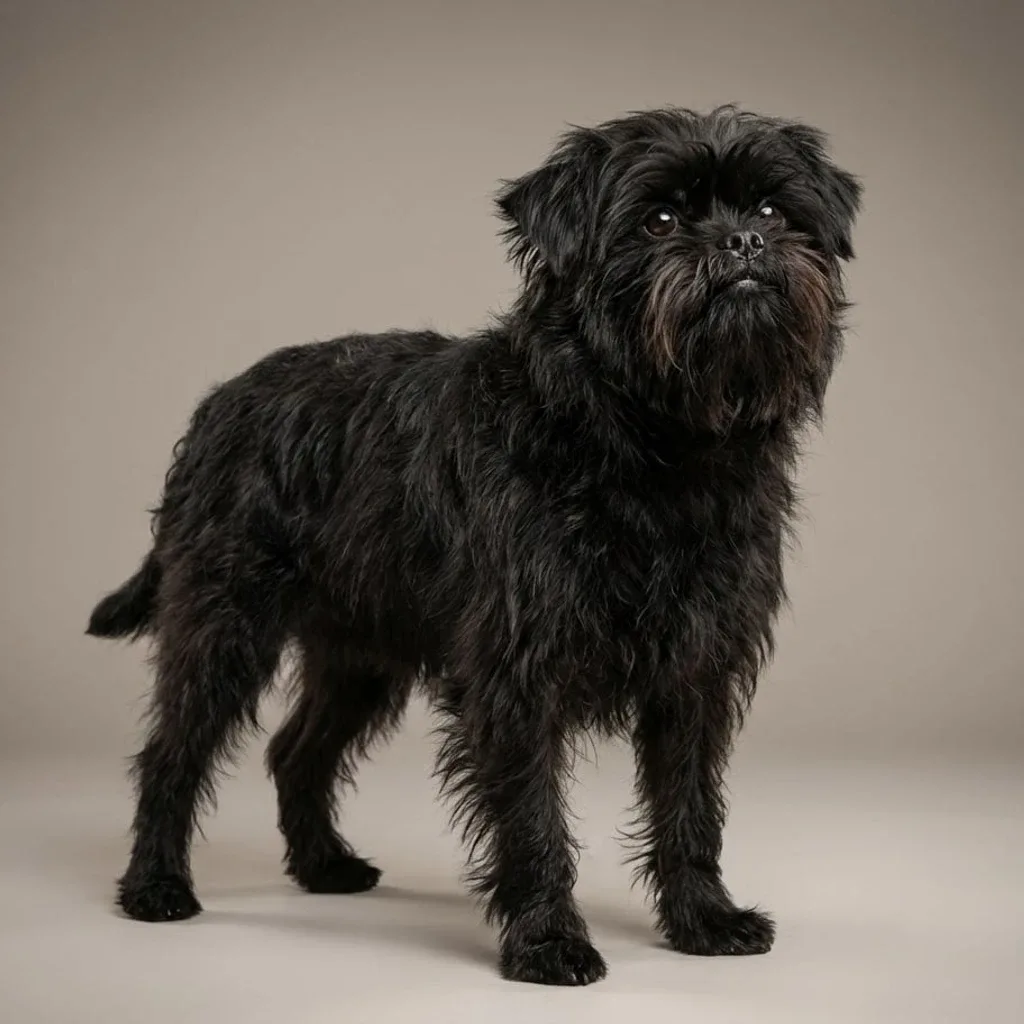
Affenpinscher
The Affenpinscher is a sturdy, monkey-like terrier-type toy breed known for its confidence and playful spirit. Despite its small size, it possesses a courageous heart and a loyal personality, making it a wonderful companion for Kiwi apartment dwellers or those with smaller sections.
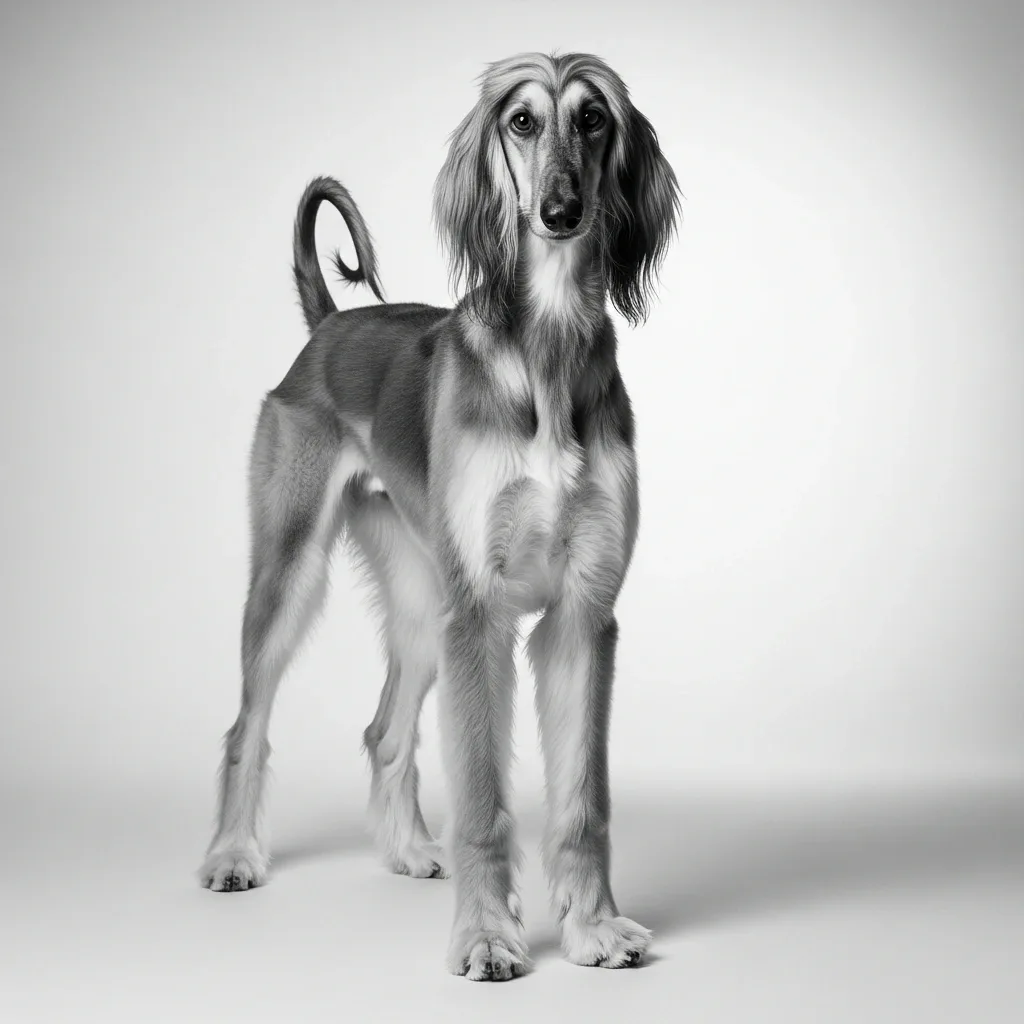
Afghan Hound
The Afghan Hound is an elegant aristocrat with a dignified and aloof personality. Known for its striking, silky coat, this breed is a high-maintenance beauty that requires ample space to run and an owner dedicated to its complex grooming needs.
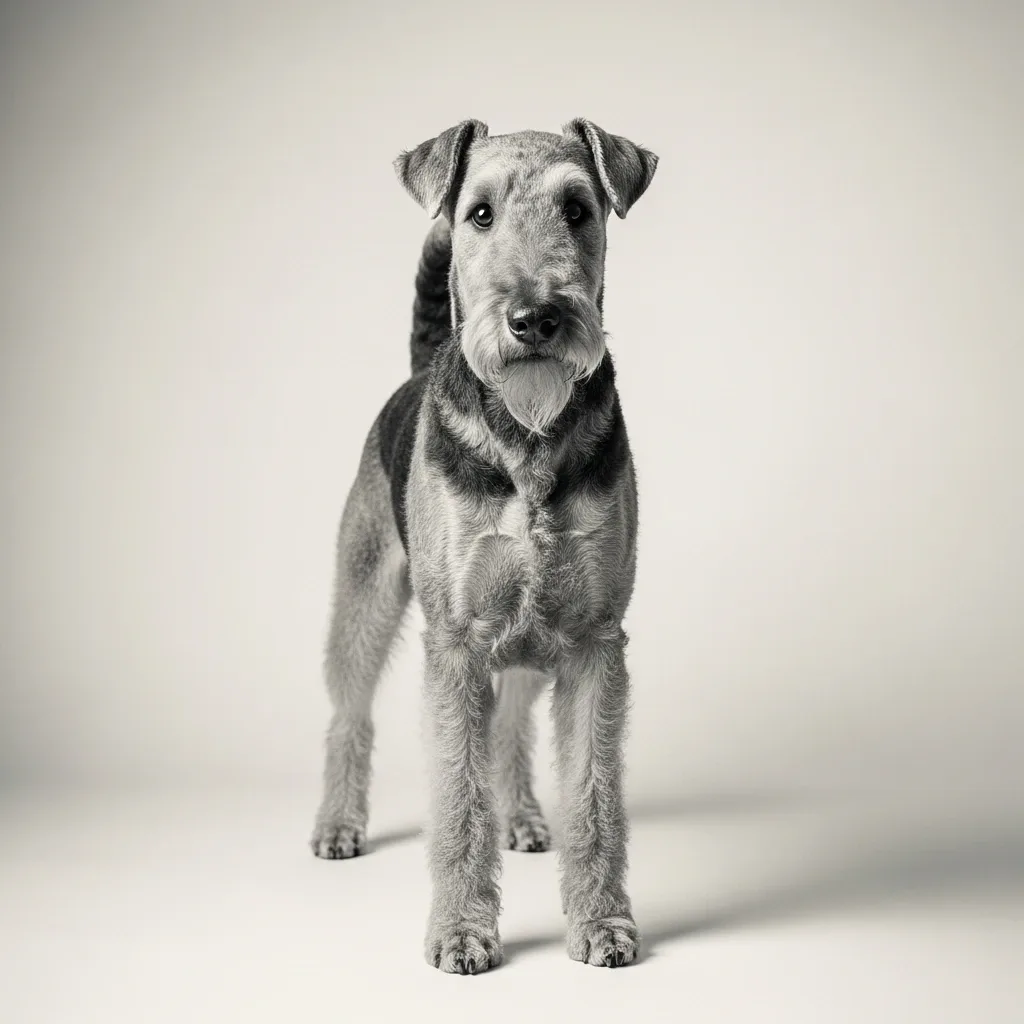
Airedale Terrier
The 'King of Terriers', the Airedale is the largest of all terrier breeds. They are brave, hardworking, and highly intelligent, making them excellent partners for active Kiwi families who love tramping and outdoor adventures.
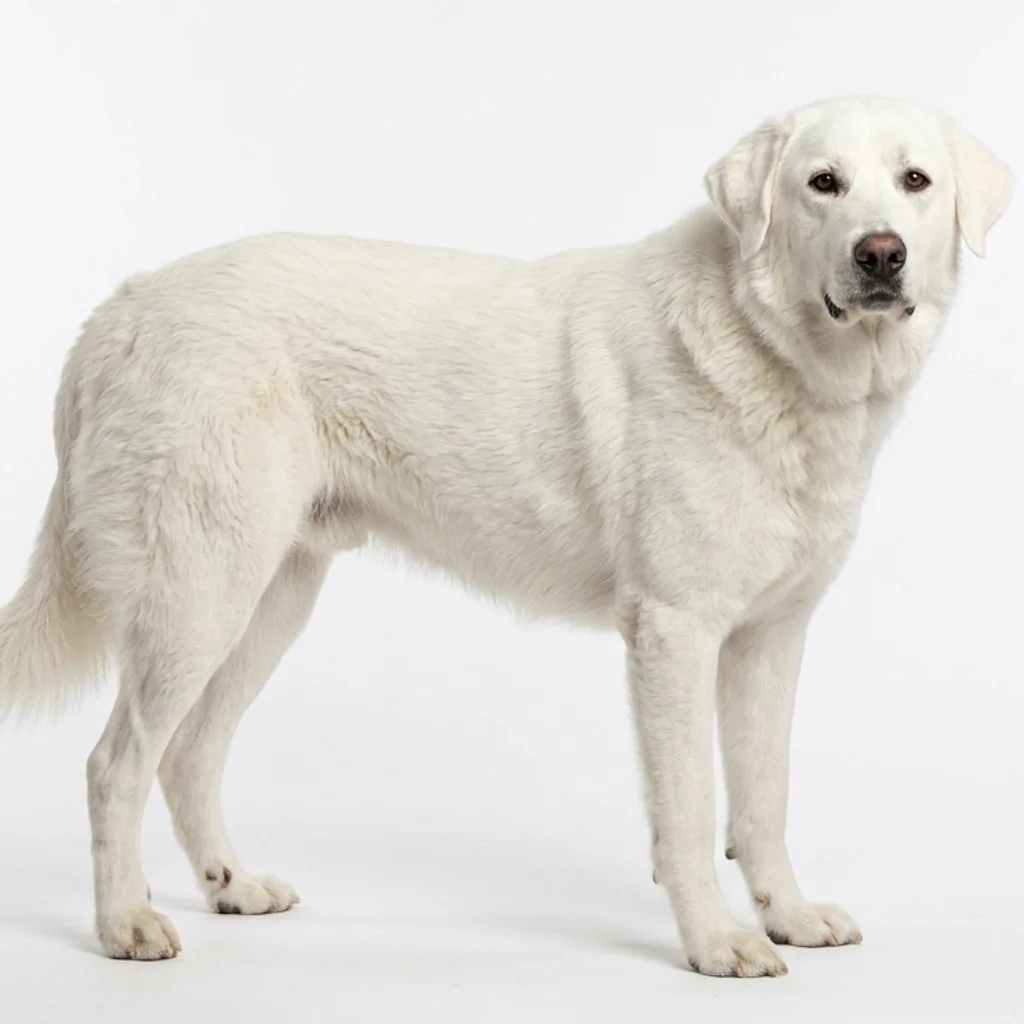
Akbash Dog
Originally a Turkish livestock guardian, the Akbash is a serious, protective, and independent breed. They are not suited for apartment living and thrive on large NZ lifestyle blocks where they can have a 'territory' to watch over.