Dog Breed Guide NZ
Alaskan Husky
The Alaskan Husky isn't a purebred in the traditional sense, but rather a highly efficient, purpose-bred sled dog, renowned for its incredible stamina, intelligence, and energetic nature. Developed for speed and endurance in harsh conditions, these dogs are true athletes. They thrive on having a 'job' and excel in high-intensity activities. For active New Zealand owners who love the outdoors, an Alaskan Husky can be an unparalleled companion, perfectly suited for adventures like bike-joring, mountain running, or long tramps through our stunning landscapes. Their friendly yet independent spirit makes them a rewarding, albeit demanding, addition to the right Kiwi household.
Photo Gallery
Breed Snapshot
- Size
- Male: 17-27 kg; Female: 16-25 kg
- Lifespan
- 10-15 years
- Origin
- Being enriched
- Temperament
- Energetic, intelligent, work-focused, athletic, friendly, independent
- NZ Price
- $1,000 - $3,500 NZD from reputable performance dog breeders; $150-$350 NZD adoption via SPCA or breed-specific rescues (if available)
- Annual Vet Cost
- Estimated annual vet costs for an Alaskan Husky in NZ typically range from $600 - $1,200 NZD. This includes routine check-ups, vaccinations, flea and worming treatments. Breed-specific health considerations that might incur additional costs include screening for hip and elbow dysplasia, eye conditions like progressive retinal atrophy (PRA) or cataracts, and hypothyroidism. Bloat (gastric dilatation-volvulus) is also a risk for deep-chested breeds, requiring emergency veterinary care if it occurs.
Personality Scores
NZ Lifestyle Fit
Alaskan Huskies are not suited for apartment living, even in cities like Auckland. Their immense energy and need for space make a small flat completely inadequate. A house with a large, securely fenced section is a minimum requirement, allowing them room to run and play safely. Rural New Zealand, particularly properties with extensive land or easy access to trails and open spaces, offers the most ideal environment for these dogs, especially if owners are involved in sled dog sports or extensive outdoor activities. New Zealand's varied climate presents specific considerations. In Auckland's humid summers, their dense double coat can lead to overheating. Owners must ensure constant access to shade, fresh water, and avoid strenuous exercise during the hottest parts of the day. South Island's colder winters are generally well-tolerated by their thick coats, but shelter from extreme weather is always necessary. High UV levels across NZ mean sun protection for any exposed skin (like noses) is wise. There are no specific MPI (Ministry for Primary Industries) restrictions on owning Alaskan Huskies in New Zealand, as they are not a restricted breed.
Origins & History
Unlike many breeds recognised by kennel clubs, the Alaskan Husky is not a purebred dog with a fixed lineage, but rather a 'type' of dog selectively bred for performance. Their history is deeply intertwined with the sport of sled dog racing, particularly in Alaska and other northern regions. For centuries, indigenous peoples in Arctic areas relied on dogs for transportation and hunting. When gold rushes brought new settlers to Alaska and Canada, the demand for efficient sled dogs skyrocketed. Over time, various northern breeds, including Siberian Huskies, Alaskan Malamutes, German Shorthaired Pointers, and even Salukis, were crossbred to create the ultimate sled dog – one with exceptional speed, endurance, strength, and a resilient temperament.
The focus was always on function over form. Breeders prioritised traits like a strong work ethic, robust health, a dense double coat for cold protection, and a keen intelligence. This continuous selective breeding for performance has resulted in the Alaskan Husky we know today: a dog perfectly engineered for pulling sleds, running long distances, and thriving in challenging environments. While they don't have a formal breed standard, their genetic makeup is a testament to generations of dedicated breeding for athletic excellence.
Appearance
Given their status as a 'type' rather than a purebred, Alaskan Huskies exhibit a wide range of appearances, though certain characteristics are common due to their sled dog heritage. They are typically medium to large-sized dogs, built for athleticism and endurance. Males generally weigh between 17-27 kg, and females between 16-25 kg, standing at a height that allows for efficient movement.
Their build is lean and muscular, showcasing their power and agility. They possess a dense double coat, essential for insulation against cold weather. The outer coat is coarse and water-resistant, while the undercoat is soft and thick. Coat colours and patterns vary immensely, ranging from solid white, black, grey, or red, to various combinations with white markings. Their eyes can be brown, blue, amber, or even heterochromatic (one of each colour), adding to their striking appearance. Ears are usually erect and triangular, and tails are typically bushy and carried over the back when alert.
Temperament & Personality
The Alaskan Husky's temperament is a direct reflection of their purpose: they are energetic, intelligent, and possess an undeniable work ethic. These dogs thrive on activity and mental stimulation, making them unsuitable for sedentary lifestyles. They are highly athletic and possess incredible stamina, always ready for their next adventure.
Despite their drive, Alaskan Huskies are generally friendly and social dogs. They typically get along well with people and, with proper socialisation, can coexist happily with other dogs. However, their independent streak means they are not overly eager to please and require a confident, consistent owner. They are intelligent problem-solvers, which can sometimes manifest as mischievousness if they aren't adequately challenged. Their friendly nature makes them poor guard dogs, but their alertness means they will often announce visitors. They form strong bonds with their families but retain a certain self-reliance, a trait honed by generations of working independently in harness.
Life in New Zealand
For the right owner, an Alaskan Husky can thrive in New Zealand. Their high energy levels and love for the outdoors make them perfect companions for Kiwis who embrace an active lifestyle. They excel in activities like bike-joring, canicross, mountain running, or long tramps through our national parks and reserves. Owners must be prepared to commit significant time daily to exercise and mental stimulation. A large, securely fenced section is essential, as their independent nature and strong prey drive mean they can be escape artists if bored or under-exercised.
While their double coat is well-suited to cooler South Island winters, owners in warmer regions like Auckland or Northland must be mindful of overheating during humid summers. Providing ample shade, fresh water, and avoiding strenuous exercise during the hottest parts of the day is crucial. Their intelligence means they need more than just physical exercise; puzzle toys, training sessions, and interactive games are vital to prevent boredom and destructive behaviours. They are not suited to apartment living and truly flourish in homes with generous outdoor space and owners dedicated to their active needs.
Is This the Right Breed for You?
Bringing an Alaskan Husky into your home is a significant commitment, but for the right individual or family, it can be an incredibly rewarding experience. They are not a breed for first-time dog owners or those seeking a low-maintenance companion. Their high energy and intelligence demand an owner who is equally active, consistent in training, and prepared to provide constant mental and physical challenges.
If you're an avid outdoor enthusiast in New Zealand who enjoys activities like tramping, trail running, or cycling, and you're looking for a canine partner to share these adventures, an Alaskan Husky could be your perfect match. They thrive in environments where they have a 'job' to do and are included in family activities. However, if your lifestyle is more sedentary, or you live in a small flat without easy access to extensive outdoor spaces, this breed will likely become frustrated and potentially destructive. Consider your capacity to provide daily intensive exercise, consistent training, and ample socialisation before welcoming one of these magnificent athletes into your Kiwi home.
Fun Facts
Fact 1
Alaskan Huskies are not a recognised purebred by most kennel clubs, but rather a performance-bred 'type' of dog.
Fact 2
They are the undisputed champions of long-distance sled dog racing, often dominating events like the Iditarod.
Fact 3
Their lineage can include a mix of Siberian Huskies, Alaskan Malamutes, German Shorthaired Pointers, and even Salukis.
Fact 4
Alaskan Huskies often have striking blue or multi-coloured eyes, a common trait in many northern breeds.
Fact 5
Despite their wild appearance and incredible stamina, they are generally friendly and social dogs with people.
Related Breeds
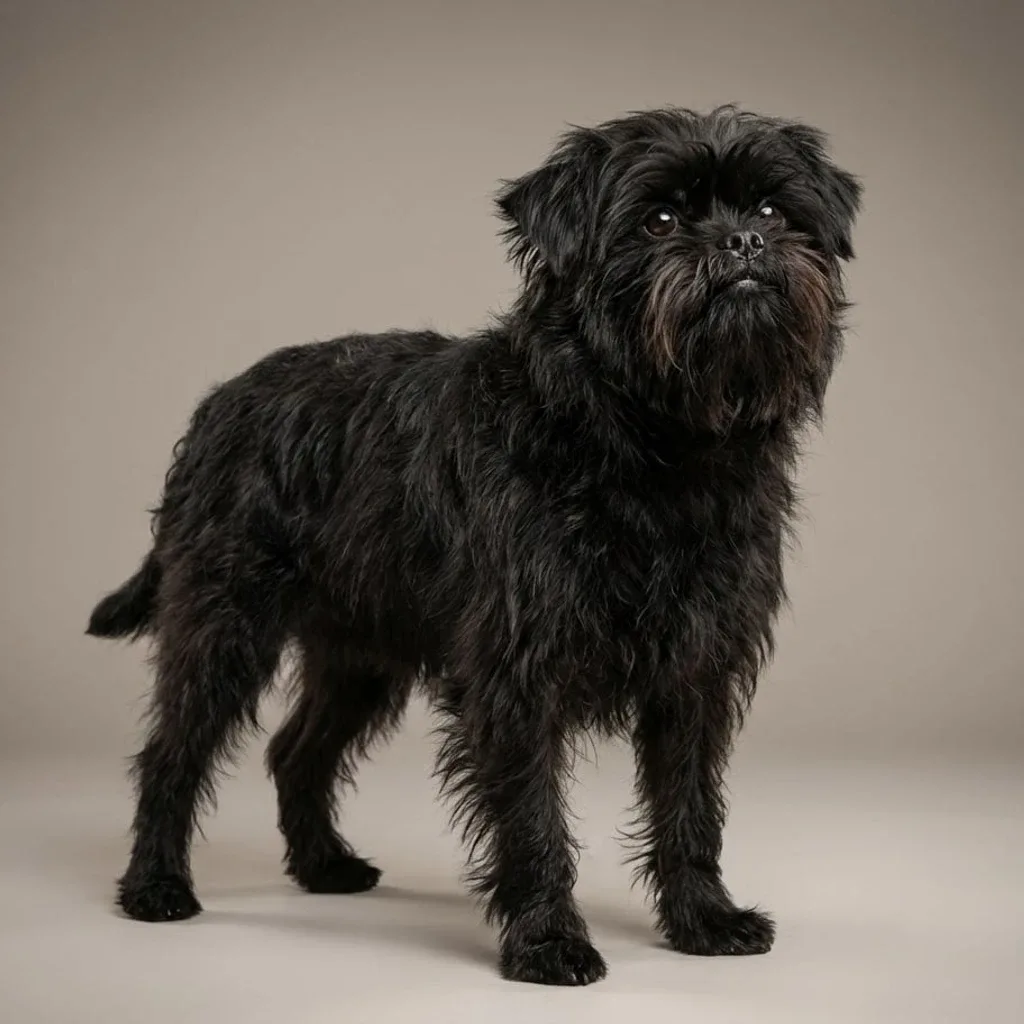
Affenpinscher
The Affenpinscher is a sturdy, monkey-like terrier-type toy breed known for its confidence and playful spirit. Despite its small size, it possesses a courageous heart and a loyal personality, making it a wonderful companion for Kiwi apartment dwellers or those with smaller sections.
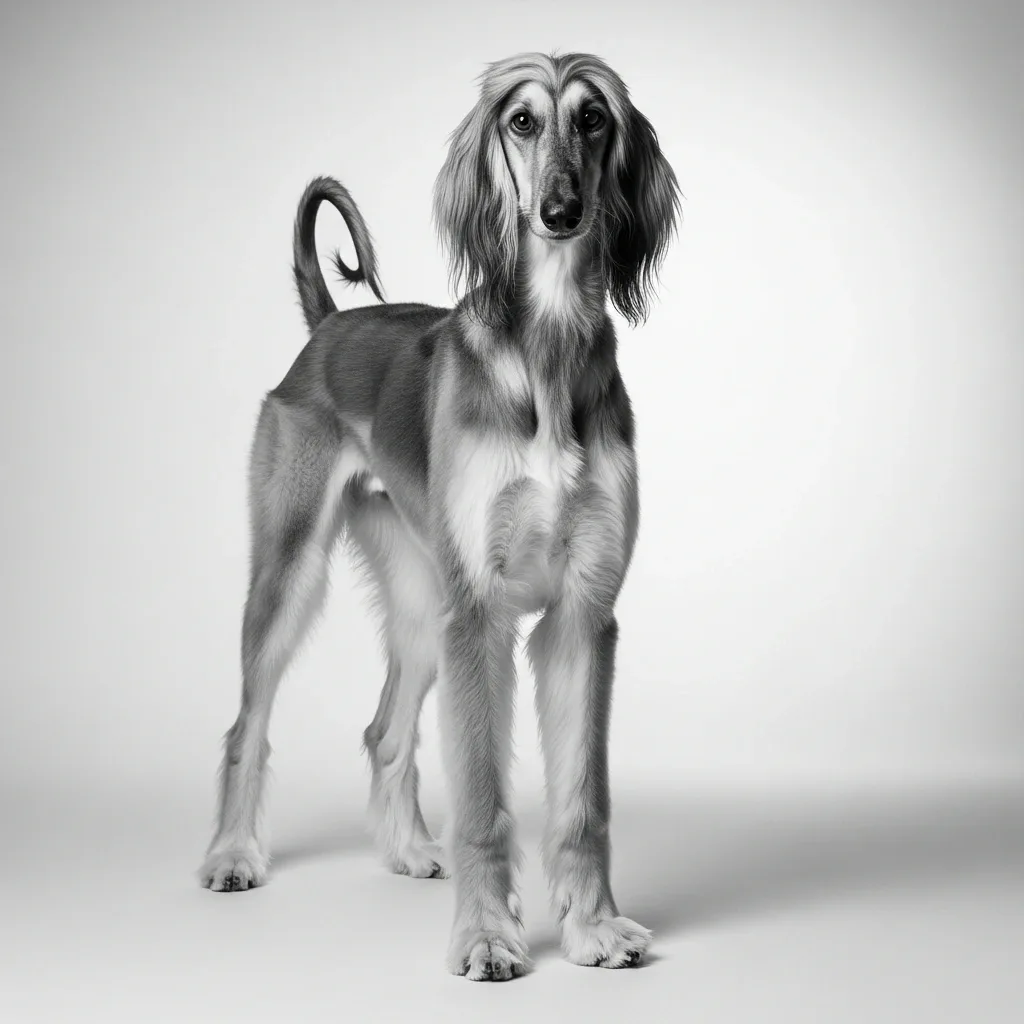
Afghan Hound
The Afghan Hound is an elegant aristocrat with a dignified and aloof personality. Known for its striking, silky coat, this breed is a high-maintenance beauty that requires ample space to run and an owner dedicated to its complex grooming needs.
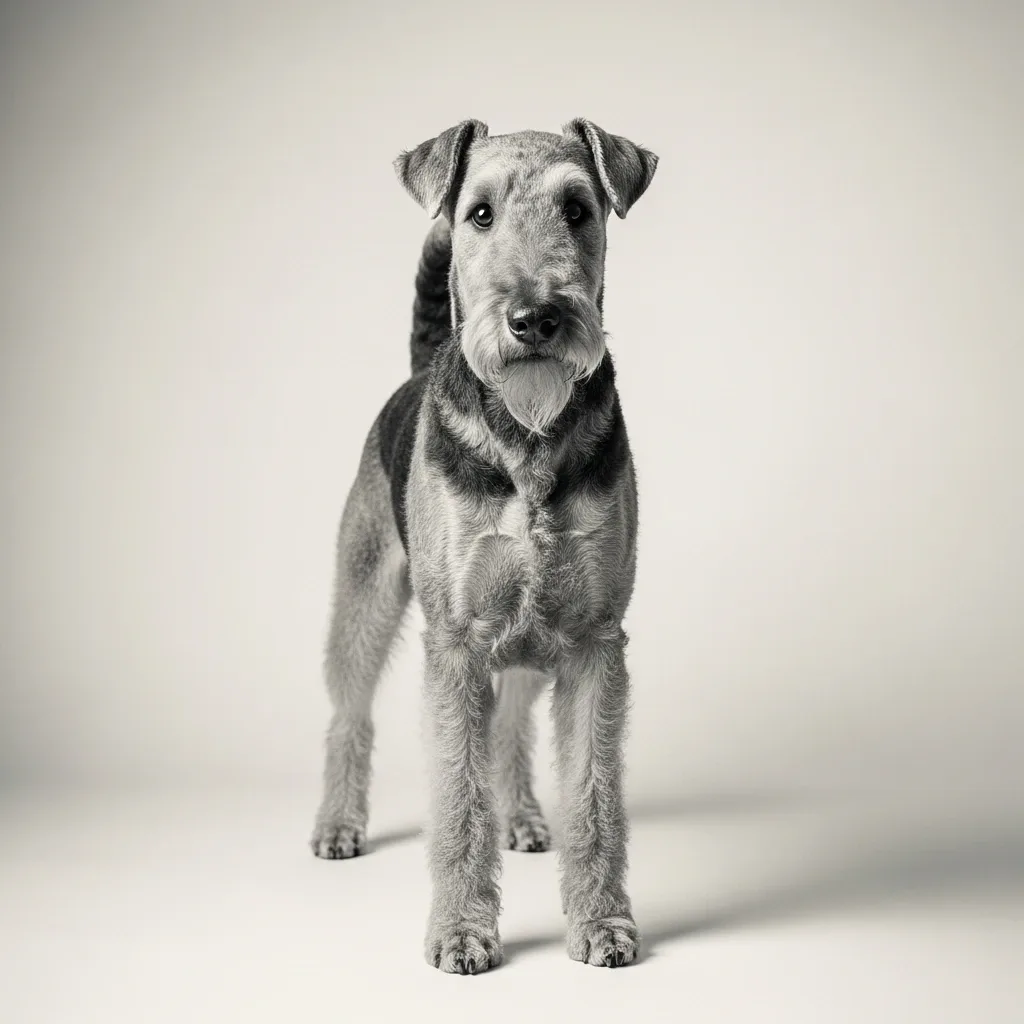
Airedale Terrier
The 'King of Terriers', the Airedale is the largest of all terrier breeds. They are brave, hardworking, and highly intelligent, making them excellent partners for active Kiwi families who love tramping and outdoor adventures.
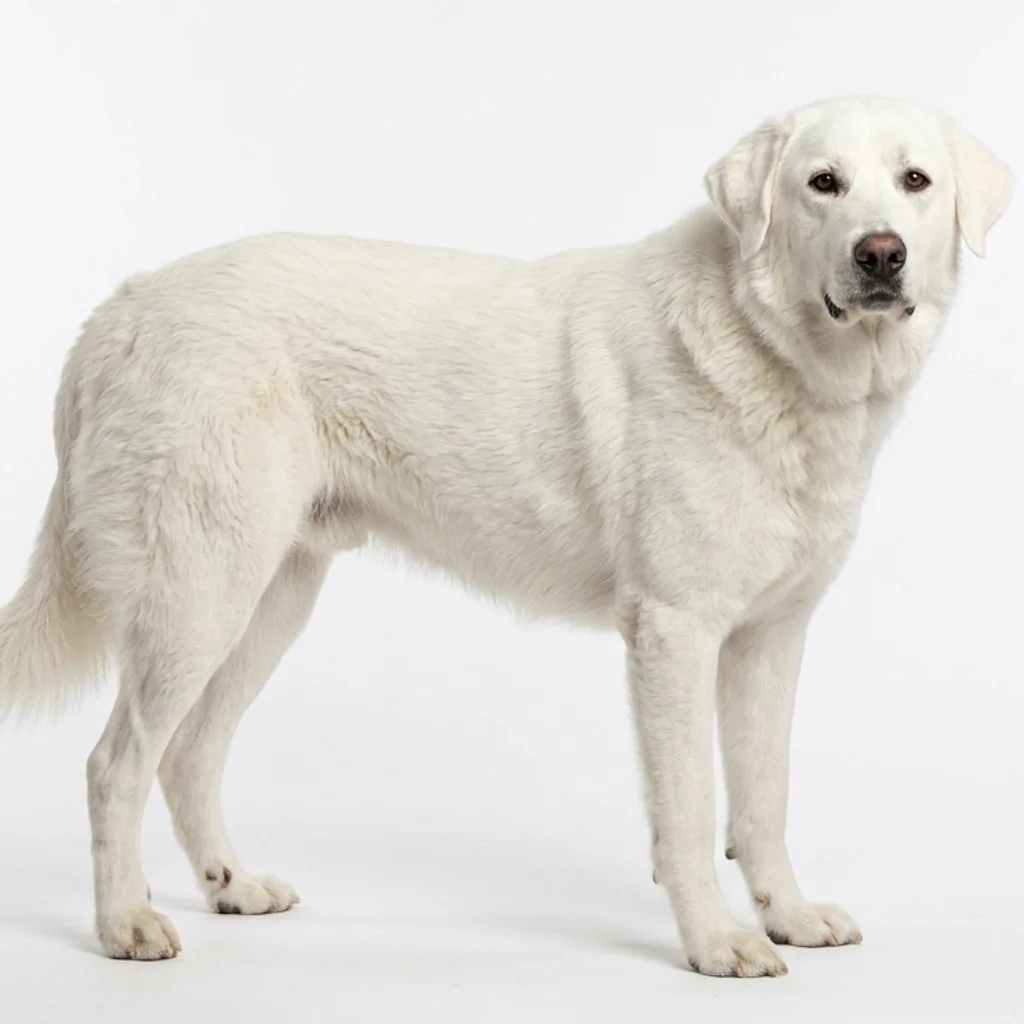
Akbash Dog
Originally a Turkish livestock guardian, the Akbash is a serious, protective, and independent breed. They are not suited for apartment living and thrive on large NZ lifestyle blocks where they can have a 'territory' to watch over.