Dog Breed Guide NZ
Alano Español
The Alano Español, a majestic and powerful molosser from Spain, is a breed defined by its unwavering loyalty and formidable presence. Renowned for their tireless work ethic and serious, yet calm, temperament, these dogs are not for the faint of heart. They possess an ancient lineage, historically used for herding cattle and guarding, traits that are still deeply ingrained. Their athletic build and intelligent gaze speak volumes of their capability and need for purpose. In New Zealand, the Alano Español thrives in rural environments, particularly on farms or large lifestyle blocks where their natural instincts for work and extensive exercise can be fully met. They are exceptional companions for experienced Kiwi owners who appreciate a dog with a profound sense of duty and a need for an active, engaging life beyond the city limits.
Photo Gallery
Breed Snapshot
- Size
- 30-40 kg
- Lifespan
- 11-14 years
- Origin
- Being enriched
- Temperament
- The Alano Espanol is a confident, stable and work-minded molosser, traditionally used with cattle and big game. Breed-standard sources describe it as affectionate and patient with family, sociable with dogs it knows, but firm and protective when guarding.
- NZ Price
- $3,500 - $6,000 NZD from registered breeders (if available locally, otherwise import costs apply); $150-$350 NZD adoption via SPCA (extremely rare to find)
- Annual Vet Cost
- Estimated annual vet costs for an Alano Español in NZ range from $800 - $1,500 NZD. This includes routine check-ups, vaccinations, flea and worm treatments. Due to their large size, medication costs are generally higher. Breed-specific health considerations include screening for hip and elbow dysplasia, which can add to initial puppy costs and potential future treatment. Gastric Dilatation-Volvulus (bloat) is a serious concern for deep-chested breeds, and preventative gastropexy surgery, if opted for, would be an additional significant cost.
Personality Scores
NZ Lifestyle Fit
An Alano Español is unequivocally not suitable for apartment living in Auckland. These dogs require vast space and a purpose, which a flat cannot provide. Even a house with a small section would be insufficient; they need multiple hours of vigorous exercise daily, far beyond what city parks can offer. Auckland's humid summers could also be challenging for this active breed, requiring careful management to prevent overheating during peak temperatures. Their ideal environment in New Zealand is a rural farm or a large lifestyle block. This provides the space for their boundless energy, secure boundaries for their protective instincts, and potential for engaging in work like herding or guarding. South Island cold winters would be manageable with proper shelter, although their short coat means they aren't built for extreme cold without protection. High UV levels across NZ necessitate constant access to shade when outdoors. There are no specific MPI (Ministry for Primary Industries) restrictions on the Alano Español breed for import into New Zealand, unlike some other breeds. However, all standard MPI import requirements, including health checks and quarantine, must be meticulously followed, which can be a lengthy and expensive process.
Origins & History
The Alano Español, often referred to simply as the Alano, is one of Spain's oldest and most revered native dog breeds. Its lineage is believed to trace back over a thousand years to the dogs brought to the Iberian Peninsula by the Alani people, an ancient nomadic tribe. These powerful molosser-type dogs were historically used for a variety of demanding tasks, including war, guarding livestock, and managing semi-wild cattle (known as 'ganado bravo'). They were also famously used in the controversial practice of bull-baiting, a testament to their strength and courage, though this practice is now illegal and widely condemned.
By the mid-20th century, the breed faced near extinction due to changes in agricultural practices and the decline of traditional uses. However, a dedicated group of enthusiasts began a rigorous recovery programme in the 1980s, meticulously identifying and breeding the remaining pure examples. Thanks to their efforts, the Alano Español has been brought back from the brink, though it remains a relatively rare breed outside of Spain, cherished for its historical significance and working capabilities.
Appearance
The Alano Español is a large, robust, and exceptionally athletic dog, built for endurance and power. Males typically stand between 58-63 cm at the shoulder and weigh 30-40 kg, while females are slightly smaller at 55-60 cm and 25-35 kg. They possess a distinctive, powerful head with strong jaws and a serious, intelligent expression. Their short, thick coat comes in various colours, including fawn, brindle, black, and sable, often with white markings on the chest and feet. Their ears were traditionally cropped in Spain, but this practice is illegal in New Zealand. The tail is thick at the base, tapering to a point, and carried low.
Their muscular build is evident in their broad chest, strong back, and powerful hindquarters, all contributing to an agile yet formidable presence. The overall impression is one of strength, resilience, and a ready-to-work attitude.
Temperament & Personality
The temperament of an Alano Español is a defining characteristic. They are known for being serious, calm, and confident, with an unwavering loyalty to their family. They possess strong protective instincts, making them excellent guardians, but they are not typically aggressive without reason. Instead, they exhibit a watchful and discerning nature, often wary of strangers until properly introduced.
Early and extensive socialisation is paramount for this breed. Without it, their protective instincts can become overbearing, and they may struggle with new people, environments, or other dogs. They require a confident, consistent, and fair owner who can establish clear boundaries and provide firm leadership. While they can be good with children within their own family if raised with them and properly supervised, their sheer size and power necessitate caution. They can exhibit a high prey drive and may be dominant with other dogs, especially those of the same sex, requiring careful management in multi-dog households.
Life in New Zealand
The Alano Español is not a common breed in New Zealand, meaning finding a reputable breeder locally might be challenging. Prospective owners may need to consider importing a dog, which involves navigating MPI (Ministry for Primary Industries) regulations for animal imports, a process that can be complex and costly. Due to their specific needs, the Alano is best suited for rural properties, large lifestyle blocks, or farms in New Zealand, where they have ample space to roam and ideally, a job to do.
Their robust nature allows them to adapt to various climates, but care should be taken during extreme weather. While they can handle South Island cold winters with appropriate shelter, their short coat means they aren't built for prolonged exposure to freezing temperatures. Similarly, during humid Auckland summers, access to shade and fresh water is crucial to prevent overheating. Their powerful build and protective instincts mean responsible ownership, including secure fencing and diligent training, is vital for harmonious integration into the Kiwi landscape.
Is This the Right Breed for You?
Bringing an Alano Español into your life is a significant commitment. This breed is not suitable for first-time dog owners, apartment living, or those seeking a low-maintenance companion. They thrive with experienced owners who understand the nuances of powerful working breeds. You must be prepared to commit to extensive daily exercise and mental stimulation, as a bored Alano can quickly become a destructive one. A large, securely fenced property is non-negotiable, providing the physical space they require.
Consistent training and socialisation from a young age are essential to mould them into well-adjusted companions. If you are looking for a loyal protector and a dedicated working partner, and you have the experience, time, and suitable environment to meet their profound needs, the Alano Español could be an incredibly rewarding addition to your Kiwi home. However, if any of these prerequisites are not met, it's best to consider a different breed.
Fun Facts
Fact 1
The Alano Español is one of Spain's oldest native dog breeds, with a history stretching back over a thousand years.
Fact 2
Despite their formidable appearance, they are known for a surprising gentleness and patience with children within their own family.
Fact 3
They were historically used in bull-baiting, a practice now illegal and condemned, but highlighting their strength and courage.
Fact 4
The breed was nearly extinct in the mid-20th century but was successfully revived through dedicated breeding programmes in the 1980s.
Fact 5
Their name, "Alano," is derived from the Alani people, an ancient nomadic tribe who brought their large molosser-type dogs to the Iberian Peninsula.
Related Breeds
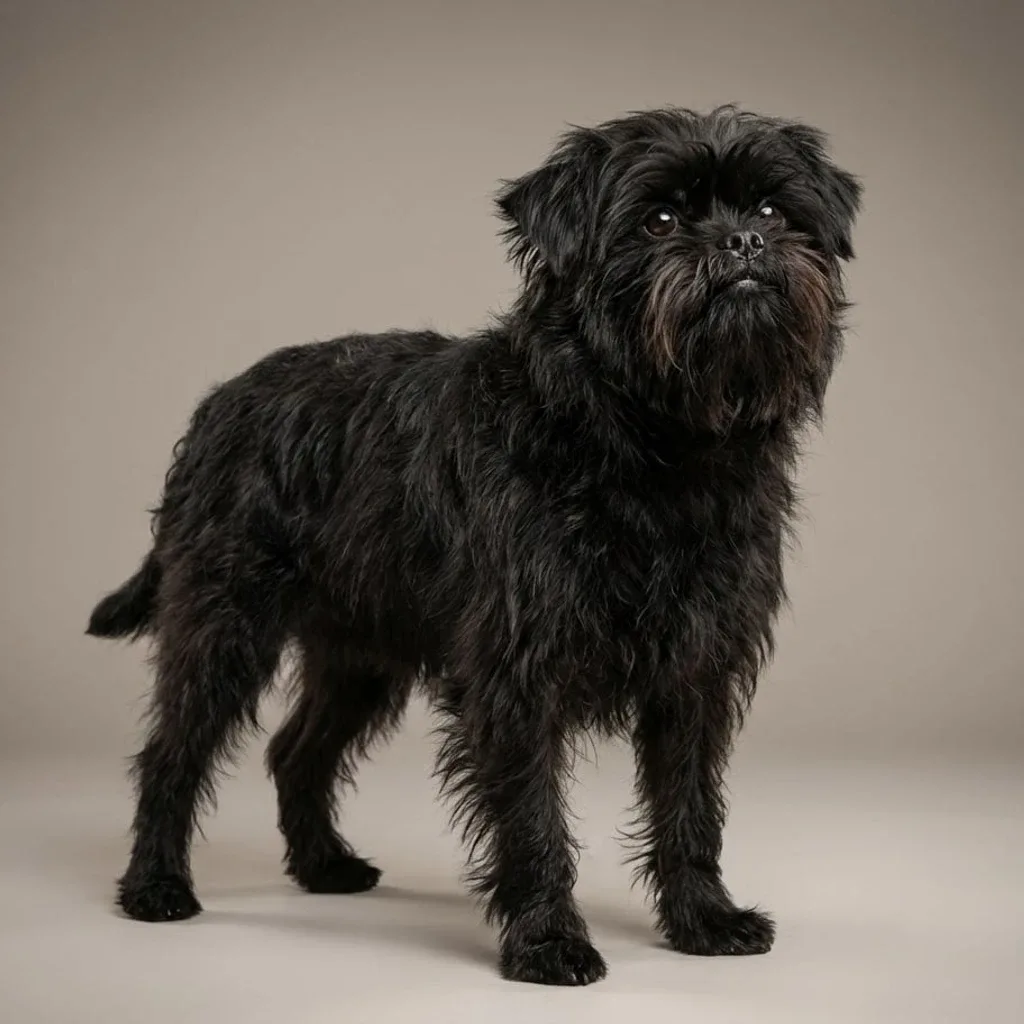
Affenpinscher
The Affenpinscher is a sturdy, monkey-like terrier-type toy breed known for its confidence and playful spirit. Despite its small size, it possesses a courageous heart and a loyal personality, making it a wonderful companion for Kiwi apartment dwellers or those with smaller sections.
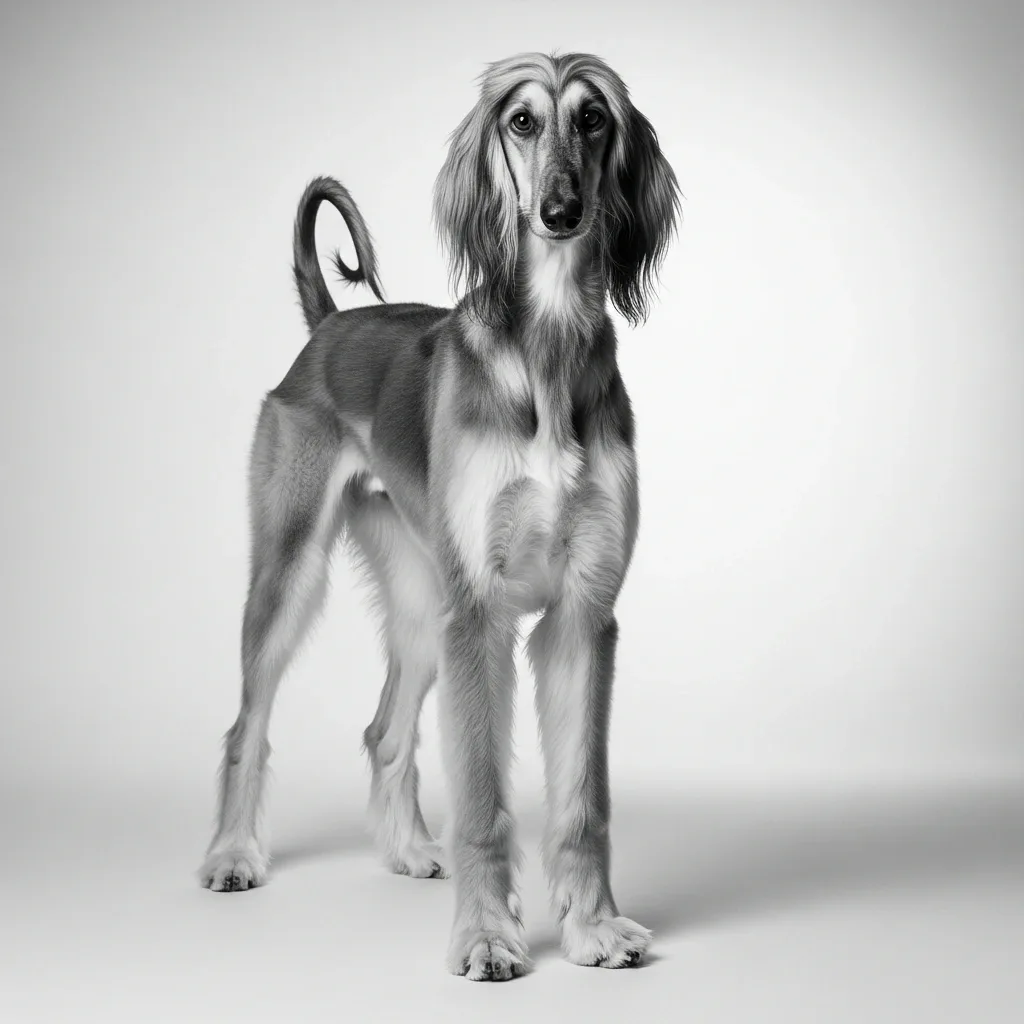
Afghan Hound
The Afghan Hound is an elegant aristocrat with a dignified and aloof personality. Known for its striking, silky coat, this breed is a high-maintenance beauty that requires ample space to run and an owner dedicated to its complex grooming needs.
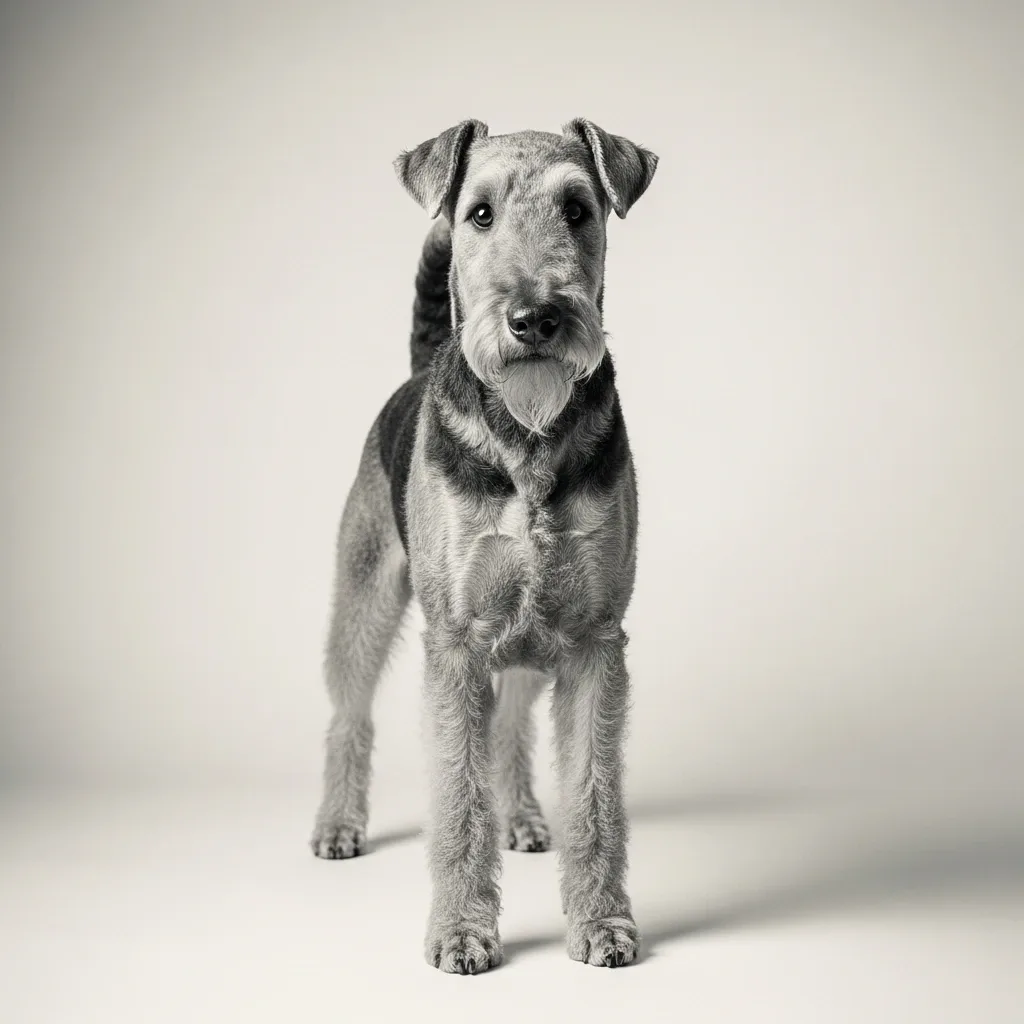
Airedale Terrier
The 'King of Terriers', the Airedale is the largest of all terrier breeds. They are brave, hardworking, and highly intelligent, making them excellent partners for active Kiwi families who love tramping and outdoor adventures.
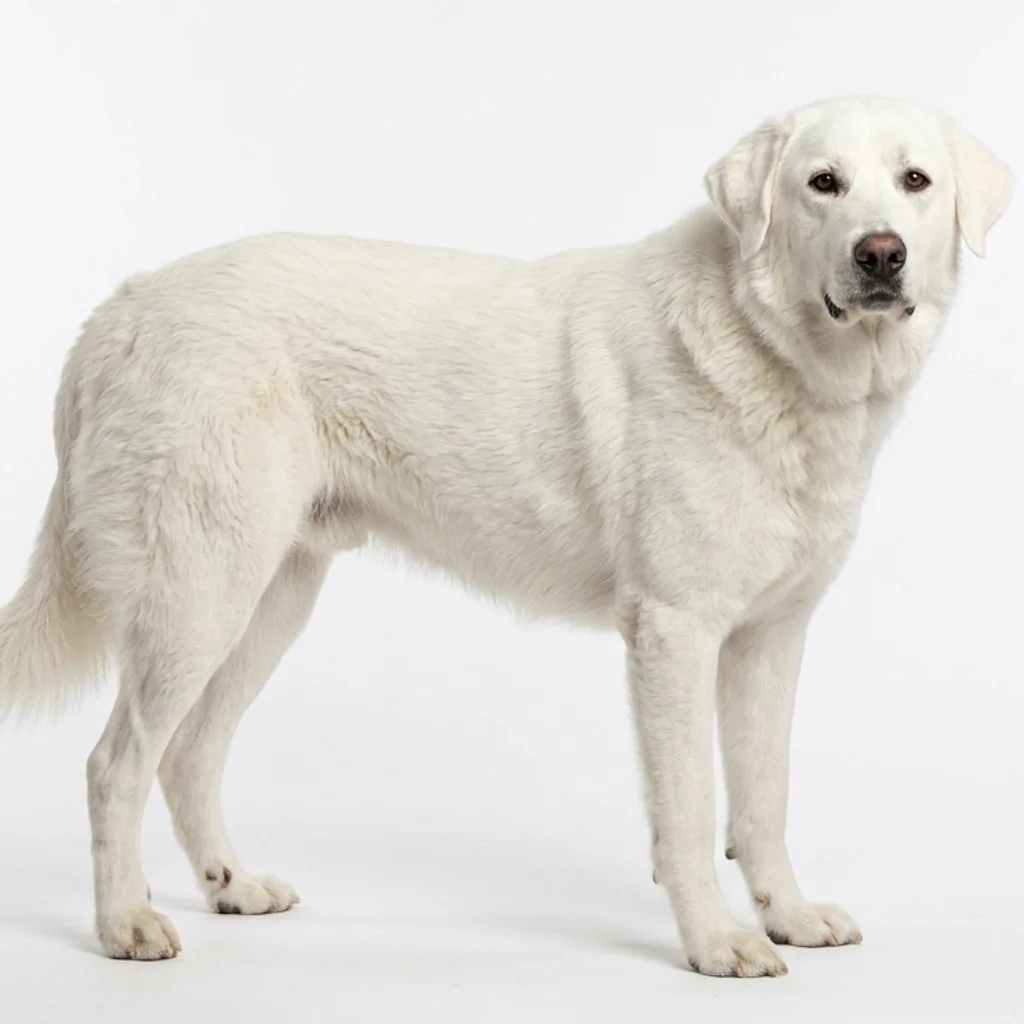
Akbash Dog
Originally a Turkish livestock guardian, the Akbash is a serious, protective, and independent breed. They are not suited for apartment living and thrive on large NZ lifestyle blocks where they can have a 'territory' to watch over.