Cat Breed Guide NZ
Turkish Angora
The Turkish Angora, an ancient and elegant feline, is renowned for its striking silky coat, often pure white, and captivating eyes. Originating from Turkey, these intelligent and determined cats possess a spirited 'alpha' personality, ensuring they remain the centre of attention. Highly active and playful, they thrive on interaction and mental stimulation, making them a dynamic companion. Their affectionate nature means they form strong bonds with their human families. In a New Zealand home, a Turkish Angora will bring both beauty and a lively character, fitting well into a household that appreciates an engaged and graceful pet, whether in a city flat or a more spacious home with a secure outdoor area.
Photo Gallery
Breed Snapshot
- Size
- 2 - 5 kg
- Lifespan
- 15 - 18 years
- Origin
- Being enriched
- Temperament
- Affectionate, Agile, Clever, Gentle, Intelligent, Playful, Social
- NZ Price
- $1,200 - $2,800 NZD from registered breeders; $150-$350 NZD adoption via SPCA
- Annual Vet Cost
- Estimated annual vet costs for a Turkish Angora in New Zealand typically range from $400 - $750 NZD. This includes routine check-ups, vaccinations, flea and worming treatments. However, due to breed-specific health issues such as hereditary deafness (especially in white, blue-eyed cats), hypertrophic cardiomyopathy (HCM), and a rare genetic condition called Angora ataxia, additional screening or specialist consultations might be required, potentially increasing costs. Early detection and management of these conditions are crucial for their long-term health.
Personality Scores
NZ Lifestyle Fit
The Turkish Angora's adaptability makes it suitable for various New Zealand living situations. For an apartment in Auckland, their high intelligence and activity levels mean owners must provide ample indoor enrichment, including climbing trees, puzzle toys, and daily interactive play to prevent boredom. Auckland's humid summers generally won't pose a significant issue for their single, silky coat, which is less prone to matting than other long-haired breeds. In a house with a section, a secure catio or supervised outdoor access is ideal, allowing them to explore safely without impacting native birdlife or encountering hazards. For rural NZ farm life, while adaptable, their inquisitive nature and 'alpha' personality might lead them to explore widely, posing risks from vehicles or other animals; a contained environment is always recommended. South Island cold winters require a warm, insulated indoor space. High UV levels across New Zealand necessitate sun protection for white Angoras, especially on ears and noses, to prevent sunburn. MPI has no specific restrictions on cat breeds in New Zealand.
Origins & History
The Turkish Angora is one of the oldest natural cat breeds, with a lineage tracing back centuries to the Ankara region of Turkey (formerly Angora). These elegant felines were first documented in Europe as early as the 16th century, brought back by traders and explorers. Unlike many breeds developed through selective breeding programmes, the Turkish Angora evolved naturally, adapting to the harsh, mountainous climate of its homeland. Revered in Turkey, they were considered national treasures, particularly the pure white variety with blue or odd eyes. For a period, the breed faced decline, nearly being absorbed into other long-haired breeds like the Persian. However, dedicated breeding programmes, notably at the Ankara Zoo, ensured their survival and purity. Today, they are celebrated globally for their ancient heritage and distinct characteristics, a testament to their enduring appeal.
Appearance
Turkish Angoras are medium-sized cats, typically weighing between 2 to 5 kg, with a graceful, athletic build. Their most distinguishing feature is their luxurious, silky single coat, which lacks an undercoat, making it less prone to matting than many other long-haired breeds. While pure white is the most iconic colour, Turkish Angoras come in a wide array of colours and patterns, including black, blue, red, cream, tabby, and bi-colour. Their striking eyes can be blue, green, amber, or even 'odd-eyed' (one blue and one amber/green), adding to their captivating allure. They possess a wedge-shaped head, large tufted ears, and a long, plumed tail that is often carried proudly. Their elegant appearance is matched by their agile and muscular physique, allowing for impressive leaps and playful antics.
Temperament & Personality
The Turkish Angora is celebrated for its intelligent, affectionate, and highly social temperament. These cats are known for their playful and curious nature, often engaging in games of fetch or intricate puzzle toys. They are incredibly clever and can even be taught tricks, responding well to positive reinforcement. Angoras thrive on human companionship, often following their owners from room to room, eager to participate in household activities. They are known to be quite determined and can often be the 'alpha' in a multi-pet household, asserting their presence with gentle authority. Despite their spirited energy, they are also gentle and loving, enjoying quiet cuddle sessions. Their agility and intelligence mean they require plenty of mental and physical stimulation to prevent boredom, making interactive toys and climbing structures essential.
Life in New Zealand
Turkish Angoras adapt wonderfully to life in New Zealand, whether in a bustling city apartment or a more spacious home with a secure garden. Their adaptable nature means they can thrive in various environments, provided their needs for interaction and stimulation are met. Given their intelligence and active minds, a secure outdoor 'catio' or supervised outdoor access can be highly beneficial, allowing them to explore safely while protecting New Zealand's native wildlife. Owners should be mindful of New Zealand's strong UV rays, particularly for white-coated Angoras, who may be susceptible to sunburn on their ears and noses. Regular vet check-ups are crucial for maintaining their health, and their generally robust nature makes them a joy to care for in the Kiwi lifestyle.
Is This the Right Breed for You?
The Turkish Angora is an ideal companion for individuals or families who appreciate an intelligent, active, and highly interactive feline. If you're looking for a cat that will be a true member of the family, engaging in play and conversation, and demanding your attention with charm and determination, then an Angora might be perfect. They thrive in environments where they receive ample mental and physical stimulation, and their social nature means they generally get along well with respectful children and other pets, provided they are properly introduced. However, their 'alpha' tendencies mean they might try to rule the roost. If you're prepared for a lively, affectionate, and beautiful cat that will keep you entertained and loved for years, the Turkish Angora could be your perfect match in New Zealand.
Fun Facts
Fact 1
Turkish Angoras were once considered a national treasure in Turkey, particularly the pure white variety.
Fact 2
They are one of the oldest natural cat breeds, originating in the Ankara region of Turkey centuries ago.
Fact 3
Many Turkish Angoras, especially those with white coats and blue eyes, can be born deaf in one or both ears.
Fact 4
Unlike many long-haired cats, their single coat lacks an undercoat, making it less prone to matting.
Fact 5
Turkish Angoras are known for their 'alpha' personality and often enjoy being the centre of attention in the household.
Related Breeds
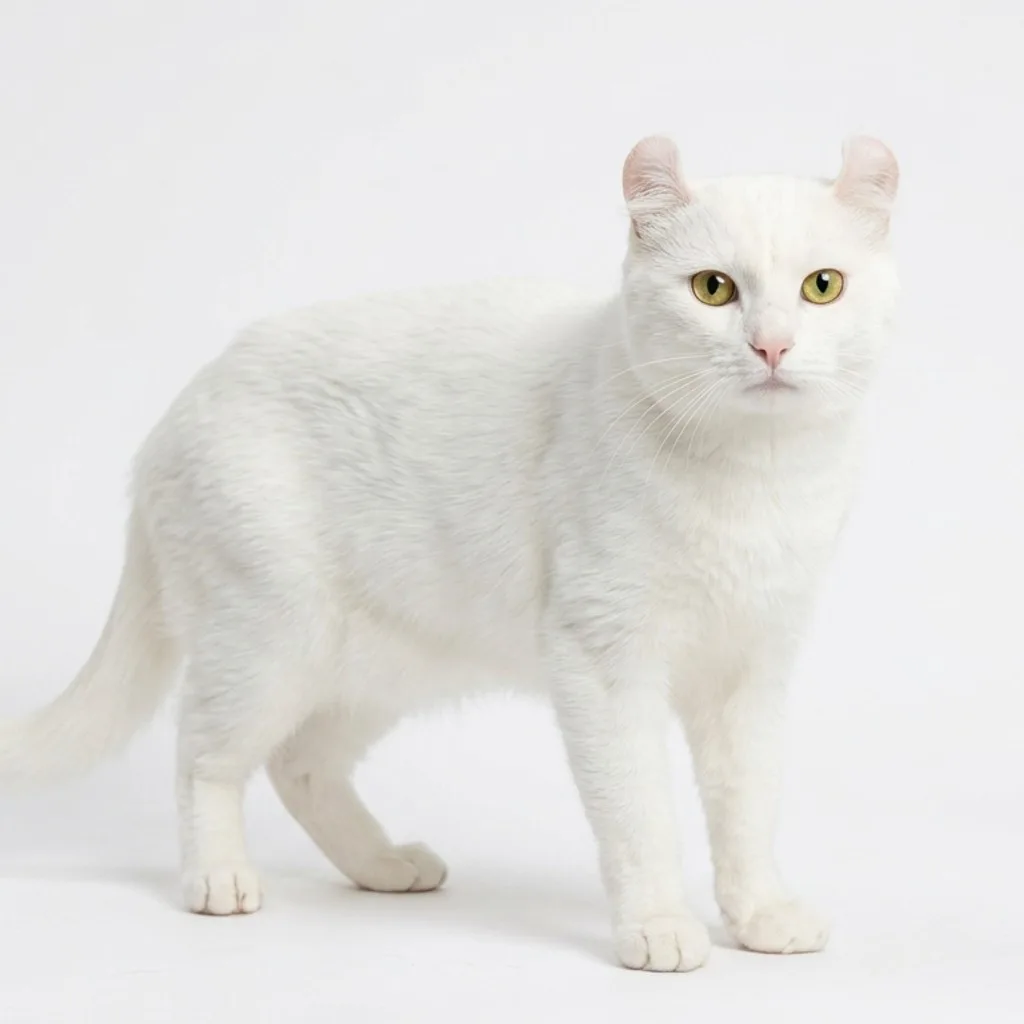
American Curl
Famous for their unique backward-curling ears, the American Curl is an affectionate, 'Peter Pan' breed that stays kitten-like well into adulthood.
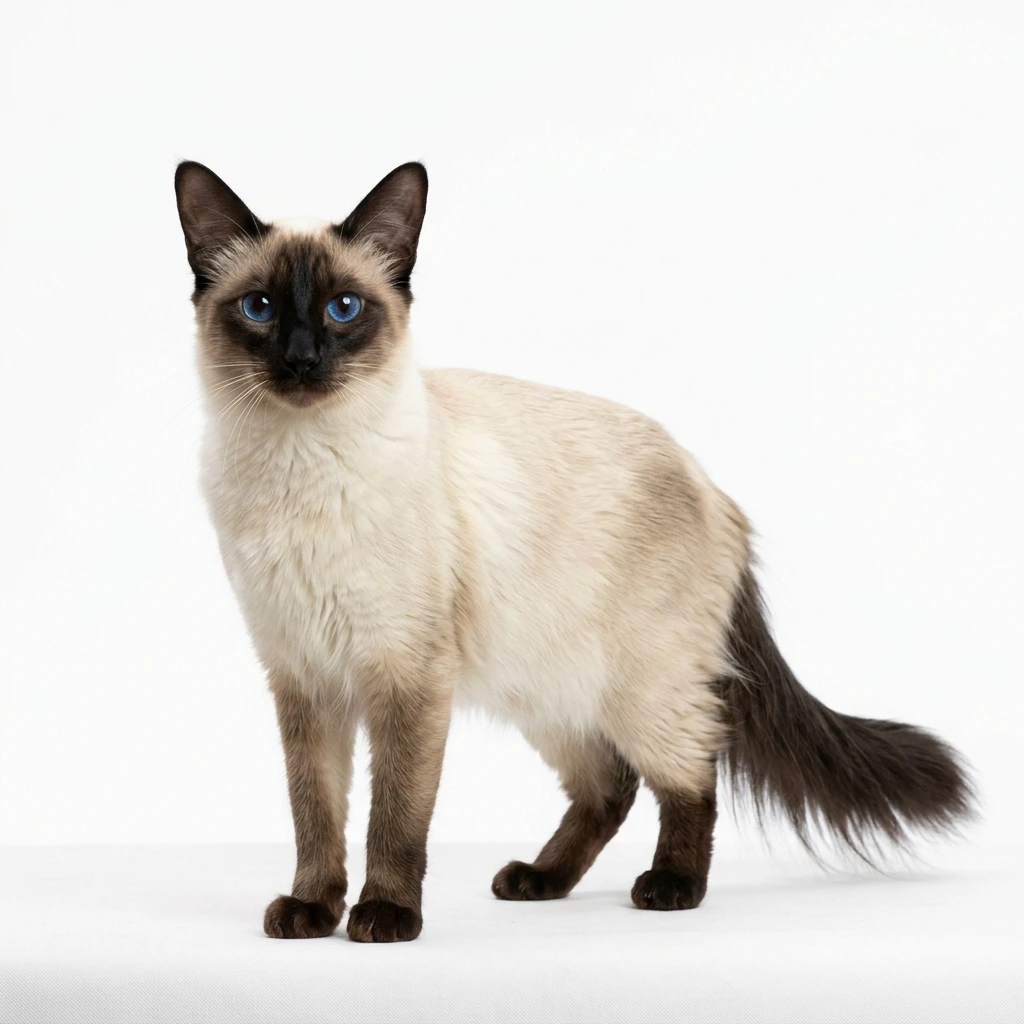
Balinese
The elegant long-haired version of the Siamese. Balinese are vocal, intelligent, and deeply affectionate 'velcro cats' that crave constant interaction.
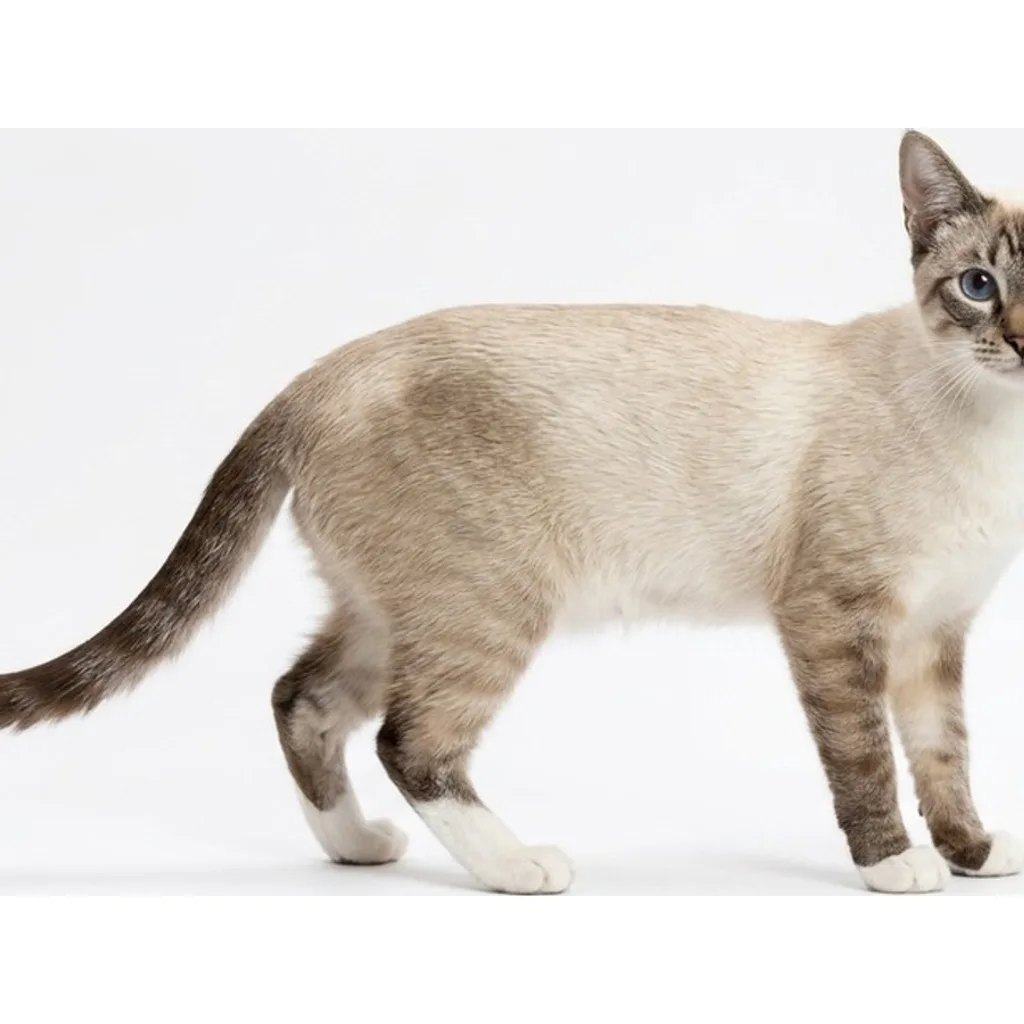
Colorpoint Shorthair
Extroverted, vocal relatives of the Siamese. They are highly intelligent, loyal companions with a wide range of striking coat colours.
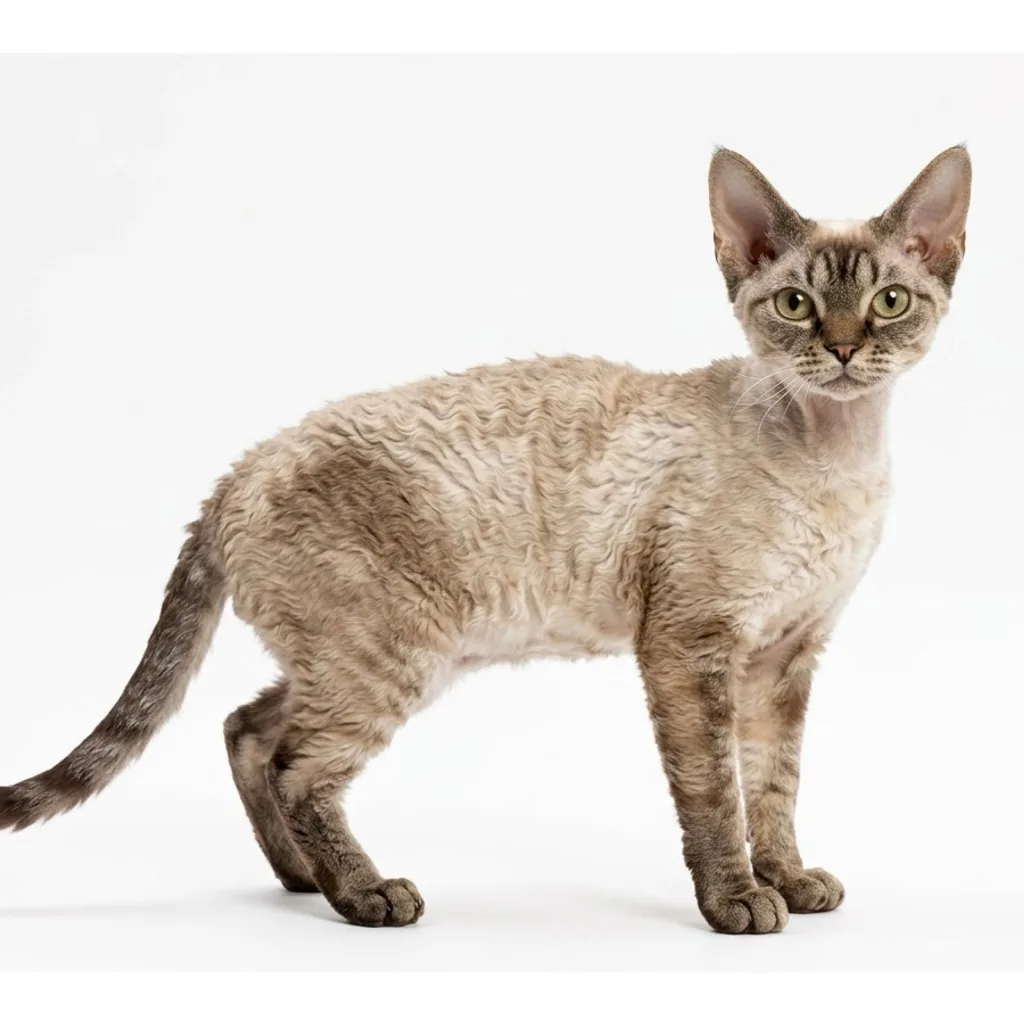
Devon Rex
The 'alien cat' with large ears and a wavy coat. Devon Rex are social, mischievous, and love perching on their owners' shoulders.