Cat Breed Guide NZ
Balinese
The Balinese cat, often described as the elegant, long-haired version of the Siamese, is a captivating and highly intelligent feline companion. Known for their striking blue almond-shaped eyes and graceful, athletic build, they possess a unique vocalisation that's less harsh than their Siamese cousins. Balinese are true 'velcro cats', forming deep bonds with their human families and thriving on constant interaction and affection. They are playful, curious, and enjoy being involved in all household activities. For a Kiwi family or individual seeking a devoted, interactive, and beautiful pet that will happily share their flat or house, the Balinese offers an engaging and loving presence.
Photo Gallery
Breed Snapshot
- Size
- 2 - 5 kg
- Lifespan
- 10 - 15 years
- Origin
- Being enriched
- Temperament
- Affectionate, Intelligent, Playful
- NZ Price
- $800 - $2,500 NZD from registered breeders; $150-$350 NZD adoption via SPCA
- Annual Vet Cost
- Estimated annual vet costs for a Balinese in New Zealand typically range from $350 - $600 NZD. This covers routine check-ups, annual vaccinations, and year-round flea and worming treatments. While generally a healthy breed, Balinese cats can be predisposed to certain conditions similar to their Siamese ancestors. These include progressive retinal atrophy (PRA), which can lead to blindness, and amyloidosis, a condition where abnormal protein deposits affect organs, particularly the liver. Dental disease is also common in cats and requires regular attention. Costs for managing these breed-specific health issues, if they arise, would be additional and vary significantly based on the condition and required treatment.
Personality Scores
NZ Lifestyle Fit
The Balinese cat is highly adaptable to various New Zealand living situations, provided their core needs for companionship and indoor safety are met. For an apartment in Auckland, a Balinese can thrive, as they are primarily indoor cats. Their moderate size and love for vertical space (cat trees) make them suitable for smaller dwellings, though ample enrichment is crucial. Auckland's humid summers are generally fine for their single coat, which doesn't mat easily. For a house with a section, a Balinese is also an excellent fit, but they should ideally be kept indoors or within a secure catio to protect them from traffic, other animals, and New Zealand's high UV index, which can cause sunburn on lighter-coloured points. Rural NZ farm life is generally not suitable for a Balinese. Their affectionate, 'velcro' nature means they are not equipped for an independent outdoor existence, and their elegant coat can easily pick up burrs and debris. They are also at higher risk from predators or farm machinery. South Island's cold winters are manageable for an indoor Balinese, but ensuring a warm, draught-free environment is important. There are no specific MPI (Ministry for Primary Industries) restrictions on owning Balinese cats in New Zealand, making them a straightforward choice for Kiwi pet owners.
Origins & History
The Balinese cat's history is somewhat shrouded in mystery, but it's widely accepted that the breed originated in the United States during the mid-20th century. Rather than being imported from Bali, as their name might suggest, they are actually a natural mutation of the Siamese cat. Breeders in the 1940s and 1950s, notably Helen Smith of MerryMews Cattery and Sylvia Holland of Holland's Farm, noticed long-haired kittens appearing in their Siamese litters. Initially, these kittens were considered undesirable and were often given away or culled. However, some breeders recognised their unique beauty and began to selectively breed them, aiming to establish a new, distinct breed.
The name 'Balinese' was reportedly suggested by Helen Smith, who felt the cats' graceful movements and elegant appearance resembled the dancers of Bali. The breed gained recognition from cat associations, with the Cat Fanciers' Association (CFA) granting championship status in 1970. Over time, the Balinese has been developed to maintain the distinctive Siamese body type – long, slender, and muscular – but with a luxurious, silky, medium-length coat and a plumed tail. Despite their long hair, they possess a single coat, which contributes to their surprisingly low-maintenance grooming needs compared to many other long-haired breeds.
Appearance
The Balinese cat is a medium-sized feline, typically weighing between 2 to 5 kilograms, with a distinctly elegant and refined appearance. They share the svelte, muscular, and athletic build of their Siamese ancestors, characterised by a long, lithe body, fine bones, and long, tapering legs. Their head is a medium-sized, tapering wedge, with large, pointed ears that continue the lines of the wedge. The most captivating feature is often their brilliant blue, almond-shaped eyes, which are set at a slant, giving them an intelligent and expressive gaze.
The defining characteristic of the Balinese is their luxurious, silky, medium-length coat. Unlike many other long-haired breeds, the Balinese has a single coat, meaning it lacks a dense undercoat. This contributes to its fine texture and tendency to lie close to the body, giving it a sleek appearance despite its length. The coat is longest on the tail, forming a beautiful plume. Balinese cats come in the same point colours as Siamese: seal point, chocolate point, blue point, and lilac point, with the body being a lighter shade that gradually darkens towards the extremities (points). Red point, cream point, and tortie point variations are also recognised by some associations.
Temperament & Personality
Balinese cats are renowned for their exceptional temperament, combining intelligence, playfulness, and profound affection. They are often described as 'velcro cats' due to their strong desire to be close to their human companions, following them from room to room and seeking constant interaction. This breed thrives on companionship and can become lonely or even distressed if left alone for extended periods. They are highly vocal, much like the Siamese, but their voices tend to be softer, more melodious, and less demanding, often described as a 'chatter' or a 'purr-meow'.
Their intelligence makes them highly trainable; they can learn tricks, walk on a leash, and even play fetch. Balinese are naturally curious and enjoy exploring their environment, making puzzle toys and climbing structures essential for their mental stimulation. They are generally good with children and other pets, provided they are introduced properly and the children are taught to interact gently. Their playful nature persists well into adulthood, ensuring endless entertainment and loving companionship for their families. They are not typically aggressive but will voice their displeasure if ignored or if their needs aren't met.
Life in New Zealand
Bringing a Balinese into a New Zealand home means welcoming a highly interactive and devoted family member. Given their strong bond with humans and their desire for companionship, they are best suited to homes where they will receive ample attention. They adapt well to various living situations, from a city flat in Auckland to a larger house with a section in the suburbs, provided they are primarily kept indoors or have access to a secure outdoor enclosure (catio). This protects them from traffic, other animals, and the high UV levels prevalent across New Zealand, especially during summer.
Their single coat means they are generally comfortable in New Zealand's varied climate, though protection from extreme cold in South Island winters and intense summer heat is always wise. Their vocal and affectionate nature means they'll be a constant presence, offering companionship and entertainment. They thrive on routine and benefit from a stimulating indoor environment with plenty of toys, scratching posts, and climbing opportunities. Regular interaction with their owners is paramount for their well-being, making them ideal for individuals or families who are home often or willing to dedicate significant time to their pet.
Is This the Right Breed for You?
The Balinese cat is an excellent choice for individuals or families who are prepared for a highly interactive and affectionate companion. If you appreciate a cat that 'talks' to you, follows you around the house, and demands to be part of every activity, then a Balinese might be your perfect match. They are not a breed for those seeking an independent, aloof cat that is content to be left alone for long stretches. Their need for companionship means they thrive in homes where someone is usually present, or where they have another pet for company.
This breed is well-suited for families with respectful children and can get along famously with other cat-friendly pets, including dogs, due to their adaptable and social nature. Owners should be committed to providing a stimulating indoor environment to satisfy their intelligence and playful instincts. If you're looking for a beautiful, intelligent, and deeply loving feline who will become an integral and vocal part of your Kiwi household, the Balinese cat will undoubtedly bring immense joy and companionship.
Fun Facts
Fact 1
The Balinese cat is named not for its origin, but for the graceful movements of Balinese dancers, which breeders felt mirrored the cat's elegant poise.
Fact 2
They are often called 'velcro cats' because of their intense desire to be close to their human companions, following them from room to room.
Fact 3
Balinese cats are highly vocal, but their 'voice' is typically softer and more melodious than their Siamese cousins, often described as a 'chatter'.
Fact 4
Despite their long hair, they have a single coat, which makes them surprisingly low-shedding and easier to groom than many other long-haired breeds.
Fact 5
These intelligent felines can be trained to perform tricks, play fetch, and even walk on a leash, making them highly interactive pets.
Related Breeds
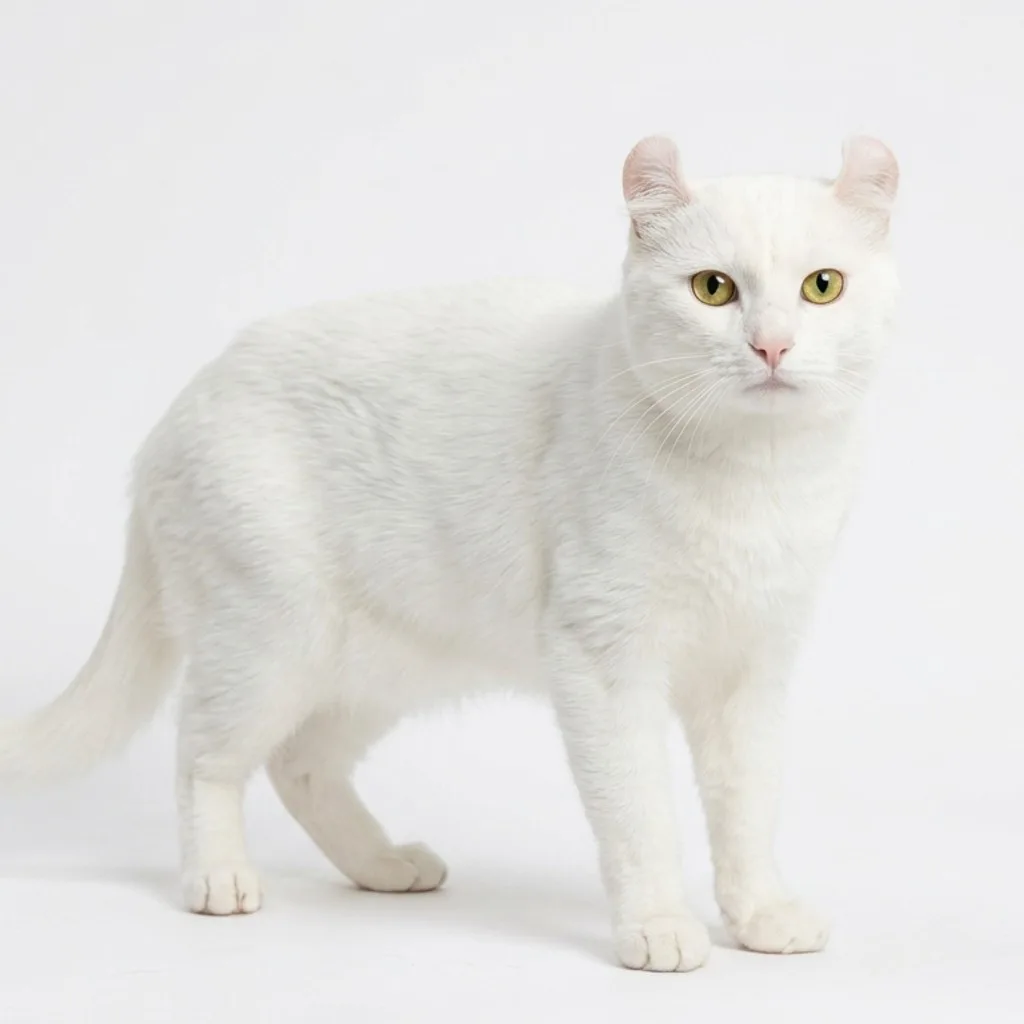
American Curl
Famous for their unique backward-curling ears, the American Curl is an affectionate, 'Peter Pan' breed that stays kitten-like well into adulthood.
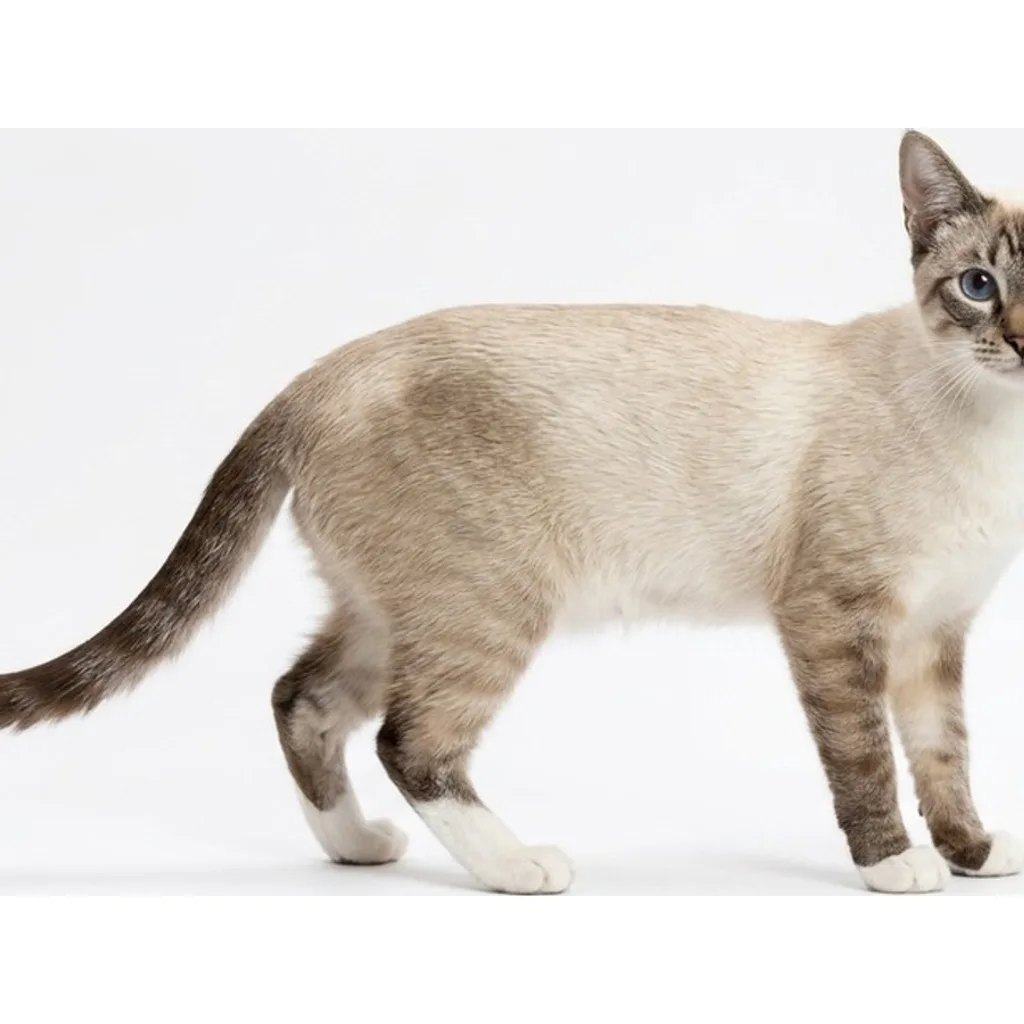
Colorpoint Shorthair
Extroverted, vocal relatives of the Siamese. They are highly intelligent, loyal companions with a wide range of striking coat colours.
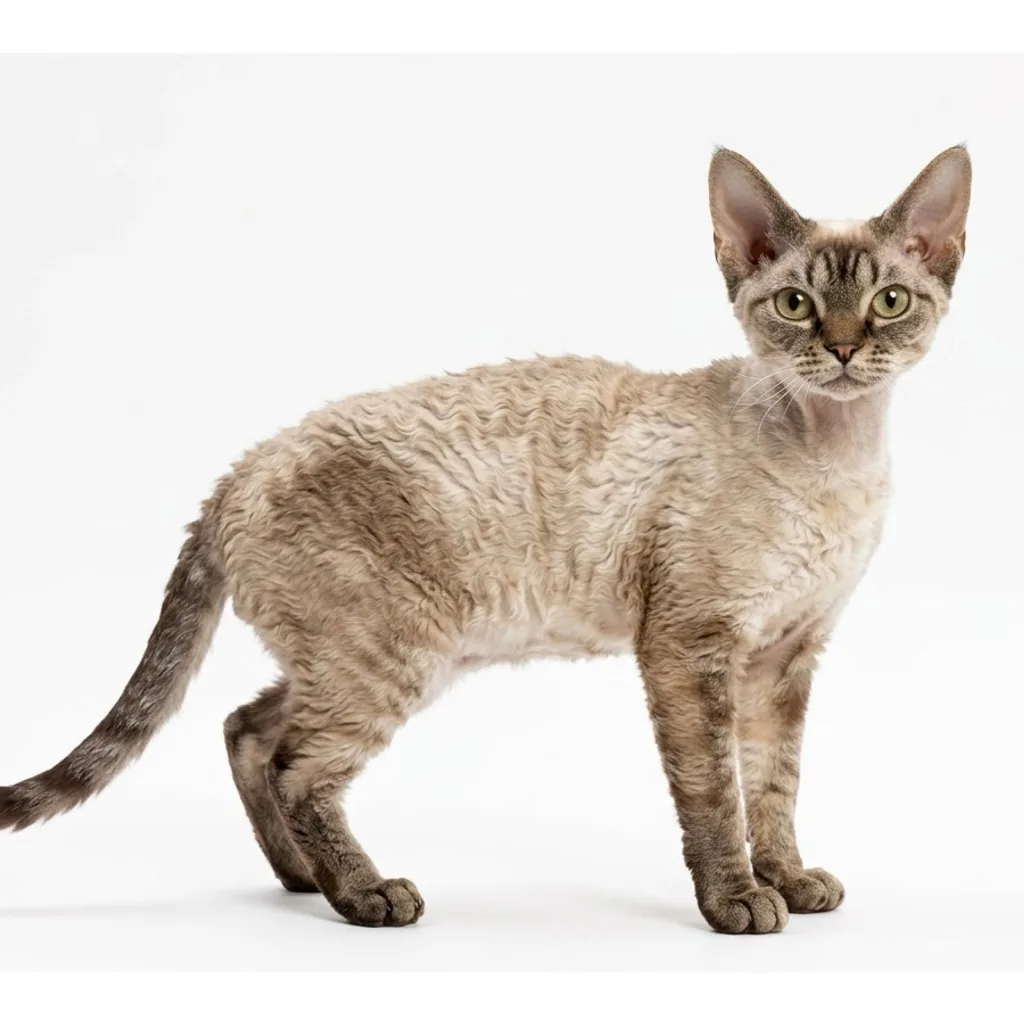
Devon Rex
The 'alien cat' with large ears and a wavy coat. Devon Rex are social, mischievous, and love perching on their owners' shoulders.
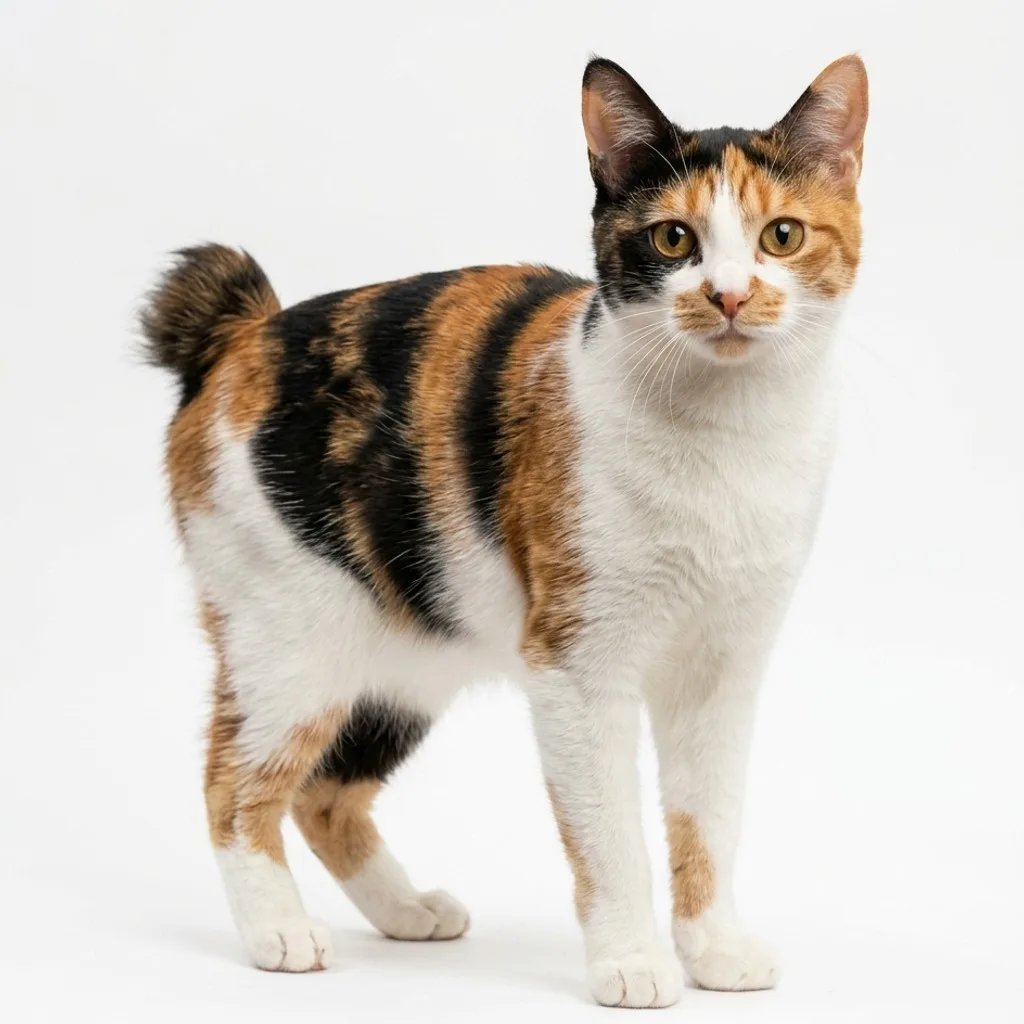
Japanese Bobtail
Famous for pom-pom tails, they are active, vocal, and highly social. Known for being very 'talkative' and affectionate with Kiwi families.