Cat Breed Guide NZ
Japanese Bobtail
The Japanese Bobtail is a truly unique feline, instantly recognisable by its distinctive pom-pom tail, which is as individual as a human fingerprint. These active, agile, and highly intelligent cats are renowned for their 'talkative' nature, engaging in chirps and meows to communicate with their human companions. Far from being aloof, they are incredibly social and affectionate, thriving on interaction and playtime. Their playful spirit and easy-going temperament make them wonderful additions to bustling Kiwi households, adapting well to family life and forming strong bonds. With a lifespan of 14-16 years and a manageable size of 2-5 kg, they are a delightful and charming companion for those seeking a lively, interactive pet that fits seamlessly into the New Zealand lifestyle.
Photo Gallery
Breed Snapshot
- Size
- 2 - 5 kg
- Lifespan
- 14 - 16 years
- Origin
- Being enriched
- Temperament
- Active, Agile, Clever, Easy Going, Intelligent, Lively, Loyal, Playful, Social
- NZ Price
- $1,000 - $2,500 NZD from registered breeders; $150-$350 NZD adoption via SPCA
- Annual Vet Cost
- Estimated annual vet costs for a Japanese Bobtail in NZ typically range from $300 - $600 NZD. This includes routine check-ups, vaccinations, flea and worm treatments, and general preventative care. While Japanese Bobtails are generally a healthy breed with no known breed-specific genetic health issues linked to their unique tail, costs can increase if they develop common feline ailments such as dental disease, urinary tract infections, or require emergency care. Regular preventative care is key to keeping these active cats healthy.
Personality Scores
NZ Lifestyle Fit
The Japanese Bobtail's adaptable and social nature makes them well-suited to various New Zealand living situations. For an apartment in Auckland, they thrive indoors, provided they receive ample mental stimulation and playtime. Their moderate size (2-5 kg) and clean habits make them excellent flat dwellers. In a house with a section, a secure catio or supervised leash walks can provide safe outdoor enrichment, protecting them from traffic and the high UV index, particularly during Auckland's humid summers. While generally robust, South Island's cold winters will necessitate a warm, indoor environment. Rural NZ farm life might be less ideal due to potential dangers from other animals or large open spaces, though a secure indoor/outdoor setup could work. There are no specific MPI (Ministry for Primary Industries) restrictions on owning Japanese Bobtails in New Zealand, making them a straightforward choice for pet owners across the country. Their generally healthy constitution handles NZ conditions well.
Origins & History
The Japanese Bobtail is a breed steeped in history and folklore, originating from Japan where it has been known for centuries. Depictions of these distinctive cats can be found in ancient Japanese art and literature, suggesting their presence in the country for at least 1,000 years. Unlike many breeds developed through selective breeding, the Japanese Bobtail's unique tail is a natural genetic mutation, similar to that of the Manx, but without the associated spinal problems. They were traditionally considered good luck charms, particularly the tri-colour (Mi-ke) cats, believed to bring prosperity and happiness. These cats were initially working cats, valued for their rodent-hunting prowess in silk factories and rice granaries. It wasn't until the late 1960s that the breed was introduced to the Western world, gaining recognition for its charming personality and striking appearance. Today, they remain a beloved breed, cherished for their unique heritage and delightful character.
Appearance
The most striking feature of the Japanese Bobtail is, undoubtedly, its tail. Short, kinked, or curled, it resembles a rabbit's pom-pom and is unique to each individual cat, much like a human fingerprint. This tail is typically no longer than 10-12 cm, but the fur on it usually flares out, making it appear even shorter and rounder. Beyond their iconic tail, Japanese Bobtails are medium-sized cats, typically weighing between 2 and 5 kg. They possess a sleek, muscular build, with long, clean lines and high hind legs that give them an athletic appearance. Their heads are triangular, with large, expressive oval eyes that can come in a variety of colours, often complementing their coat. Their ears are large and upright, set wide apart. The coat can be either short or long-haired, both varieties being soft and silky with minimal undercoat, making them relatively easy to groom. While they come in almost any colour, the Mi-ke (tri-colour, usually white with patches of black and red/orange) is particularly prized and iconic to the breed.
Temperament & Personality
Japanese Bobtails are celebrated for their vibrant and engaging personalities. They are highly active, agile, and incredibly intelligent cats, always keen to explore and play. Their cleverness means they can quickly learn tricks, enjoy puzzle toys, and even be leash-trained for supervised outings. What truly sets them apart is their vocal nature; they are known for being very 'talkative', using a wide range of chirps, meows, and trills to communicate with their human companions. This isn't just random noise; they genuinely engage in conversations and express their desires clearly. They are exceptionally social and affectionate, thriving on interaction and forming strong bonds with their families. Loyal and easy-going, they generally get along well with children and other pets, making them fantastic family companions. Their playful spirit lasts well into adulthood, ensuring there's never a dull moment with a Japanese Bobtail around.
Life in New Zealand
Bringing a Japanese Bobtail into a New Zealand home means welcoming a lively and adaptable companion. These cats thrive on interaction, so they're best suited to homes where they won't be left alone for extended periods. Their intelligence and agility mean they benefit greatly from an enriched indoor environment, with plenty of climbing opportunities, interactive toys, and regular play sessions. While they can enjoy supervised outdoor access in a secure catio or on a leash, their curious nature and value make them better suited to primarily indoor living, especially in urban or suburban areas of Aotearoa. This also protects them from traffic, other animals, and the high UV levels prevalent across New Zealand. Regular vet check-ups are essential, as is a high-quality diet tailored to their needs. Their adaptable nature means they can adjust to various Kiwi living situations, from flats to houses with a section, as long as their need for companionship and mental stimulation is met.
Is This the Right Breed for You?
The Japanese Bobtail is an excellent choice for individuals or families seeking an intelligent, active, and highly interactive feline companion. If you appreciate a cat that 'talks' to you, enjoys playing games, and wants to be an integral part of family life, this breed could be your perfect match. Their easy-going nature makes them suitable for homes with children and other pet-friendly animals. However, if you prefer a quiet, independent cat that keeps to itself, the vocal and social Japanese Bobtail might be a bit much. They require owners who are willing to engage with them, provide mental stimulation, and appreciate their playful antics. Their minimal grooming needs for the short-haired variety are a bonus for busy Kiwis. Ultimately, if you're looking for a loyal, affectionate, and endlessly entertaining cat with a unique personality and a distinctive tail, the Japanese Bobtail could be the ideal addition to your New Zealand whānau.
Fun Facts
Fact 1
Each Japanese Bobtail's 'pom-pom' tail is unique, much like a human fingerprint, and can vary greatly in shape and length.
Fact 2
They are considered good luck charms in Japan, with the famous 'Maneki-neko' (beckoning cat) often depicted as a Japanese Bobtail.
Fact 3
Japanese Bobtails are known for their 'singing' voices, using a wide range of chirps and meows to communicate.
Fact 4
Unlike many cat breeds, the Japanese Bobtail loves water and may even enjoy playing in it.
Fact 5
They are one of the oldest natural cat breeds, with a history in Japan spanning over a thousand years.
Related Breeds
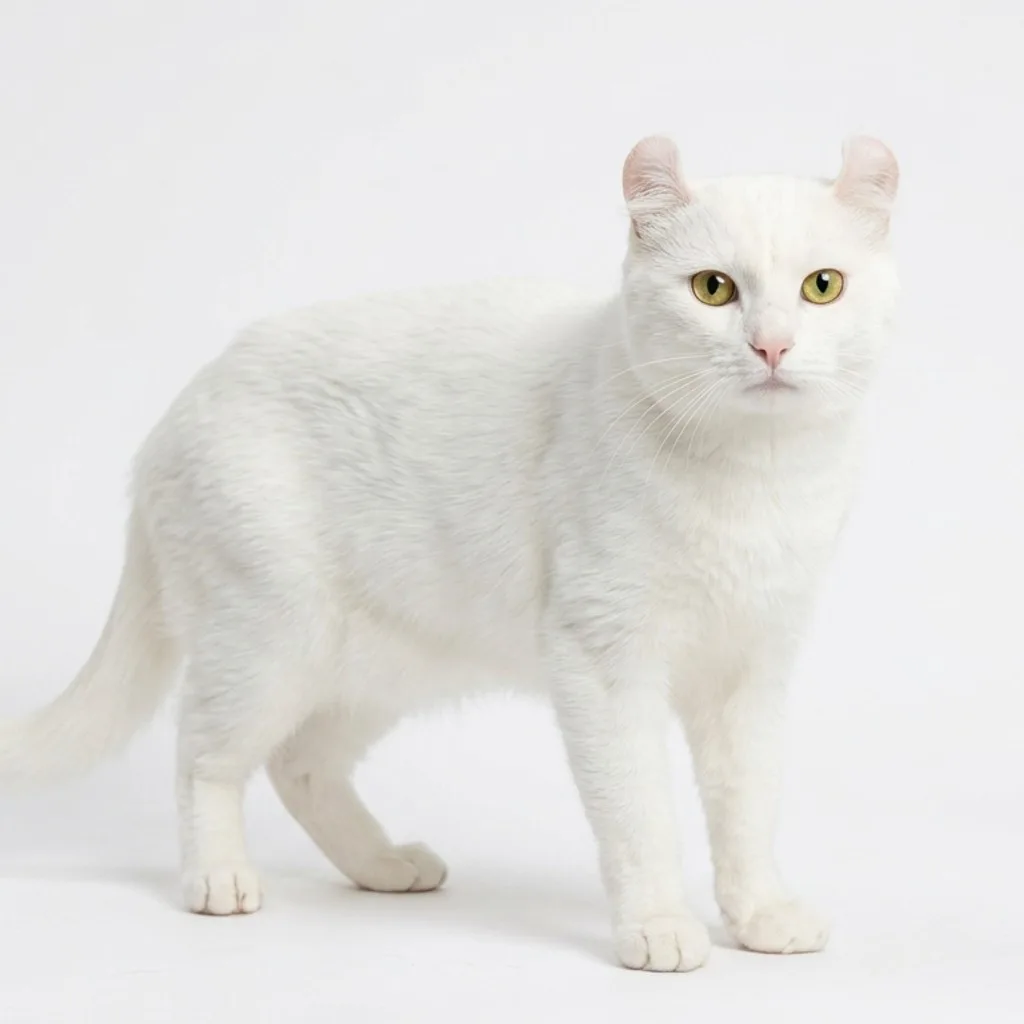
American Curl
Famous for their unique backward-curling ears, the American Curl is an affectionate, 'Peter Pan' breed that stays kitten-like well into adulthood.
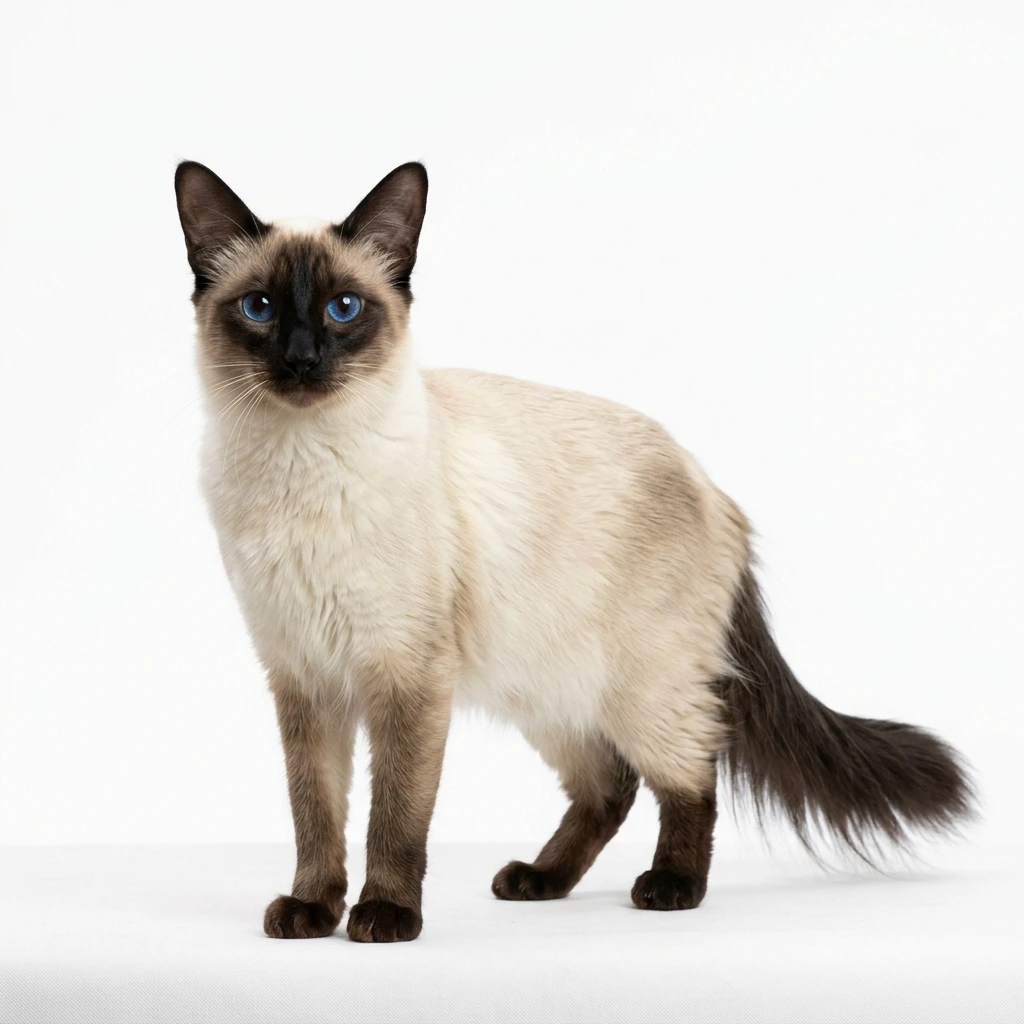
Balinese
The elegant long-haired version of the Siamese. Balinese are vocal, intelligent, and deeply affectionate 'velcro cats' that crave constant interaction.
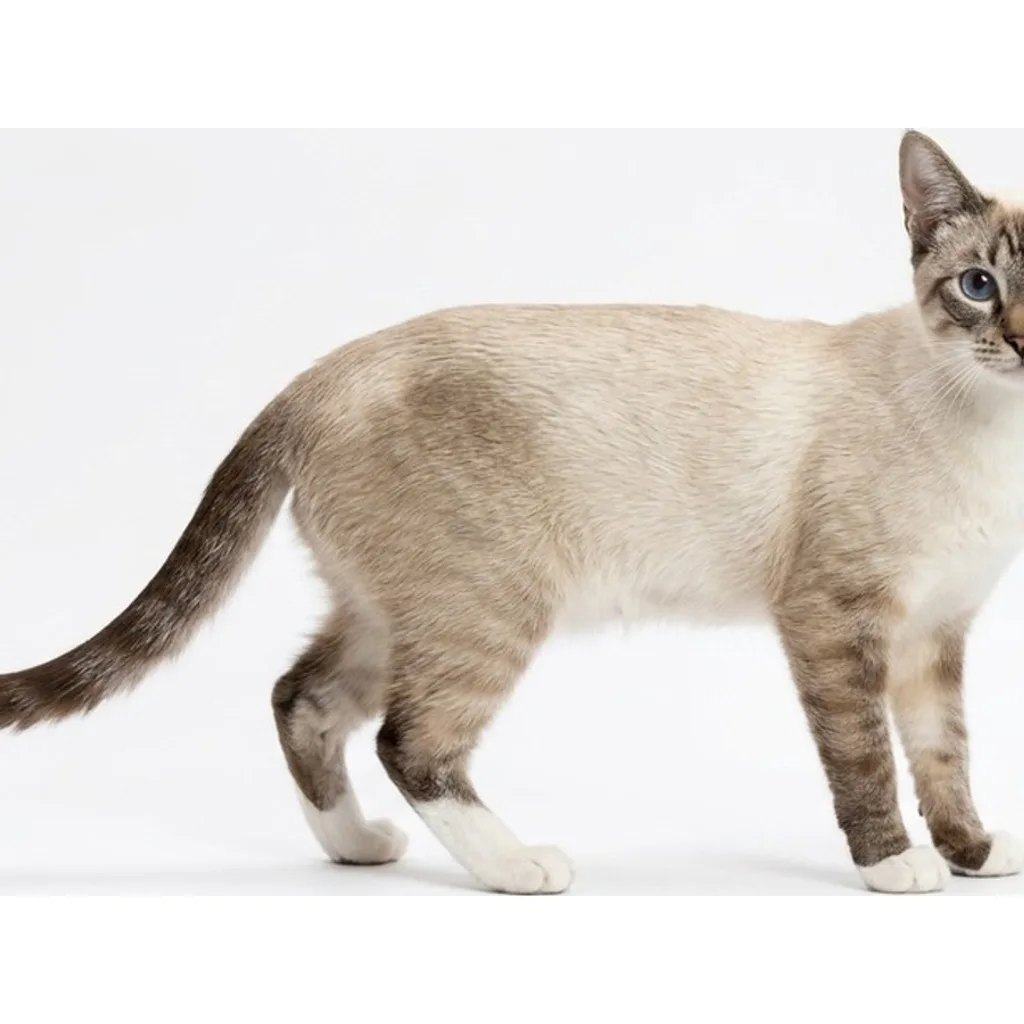
Colorpoint Shorthair
Extroverted, vocal relatives of the Siamese. They are highly intelligent, loyal companions with a wide range of striking coat colours.
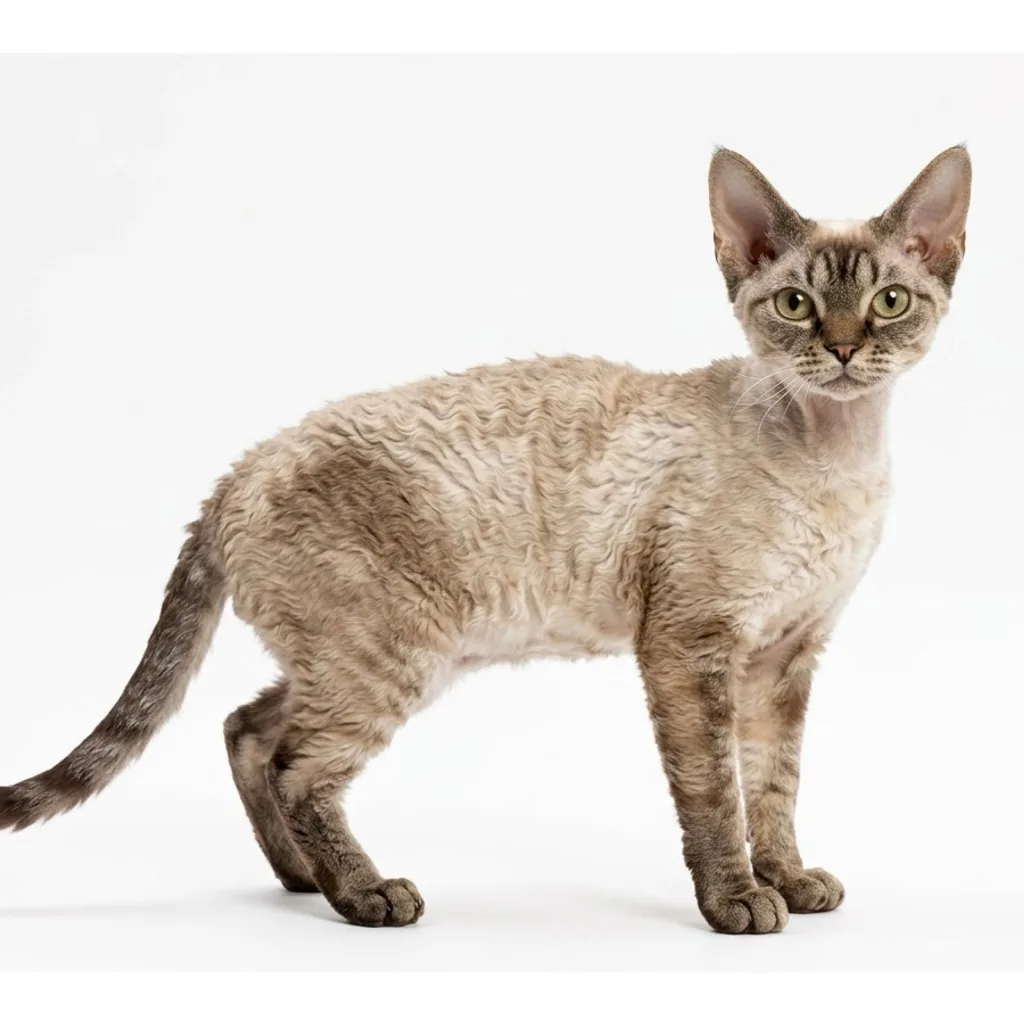
Devon Rex
The 'alien cat' with large ears and a wavy coat. Devon Rex are social, mischievous, and love perching on their owners' shoulders.