Cat Breed Guide NZ
Singapura
The Singapura, one of the world's smallest cat breeds, is instantly recognisable by its large, expressive eyes and prominent ears. Weighing in at just 2-4kg, these pint-sized powerhouses are renowned for their high energy, mischievous antics, and intensely social nature. Often described as 'lap-magnets', Singapuras thrive on being an integral part of family life, following their humans from room to room. Their affectionate and curious personalities make them delightful companions. For Kiwi households, their adaptability to various living situations, from a bustling Auckland flat to a spacious home with a section, makes them a wonderful addition, bringing endless joy and playful energy.
Photo Gallery
Breed Snapshot
- Size
- 2 - 4 kg
- Lifespan
- 12 - 15 years
- Origin
- Being enriched
- Temperament
- Affectionate, Curious, Easy Going, Intelligent, Interactive, Lively, Loyal
- NZ Price
- $1,500 - $3,000 NZD from registered breeders; $150-$350 NZD adoption via SPCA (if available)
- Annual Vet Cost
- Estimated annual vet costs for a Singapura in New Zealand typically range from $300 - $600 NZD for routine care, including annual check-ups, vaccinations, and parasite prevention. However, potential breed-specific health issues could increase this. Singapuras are known to be predisposed to Pyruvate Kinase Deficiency (PKD), a genetic blood disorder, and Uterine Inertia, which can cause complications during birth. While PKD can be screened for by responsible breeders, unexpected health issues or a difficult birth could incur significant additional veterinary expenses, potentially ranging from hundreds to several thousands of dollars for diagnostics, treatment, or emergency surgery.
Personality Scores
NZ Lifestyle Fit
The Singapura's small size and adaptable nature make them highly suitable for various New Zealand lifestyles. For those in an Auckland apartment, they are an excellent choice, provided they receive ample playtime and mental stimulation to burn off their high energy indoors. During Auckland's humid summers, ensure they have access to cool spots and fresh water. A house with a section offers more space for secure outdoor runs (catios), which they would enjoy, but they should generally be indoor cats due to their small size and trusting nature. Rural NZ farm life, however, is not ideal for a Singapura; their delicate build and lack of street smarts make them vulnerable to predators and hazards. They are not suited to being working farm cats. New Zealand's high UV levels mean that if they do have supervised outdoor access, care should be taken to protect their delicate skin, especially on their ears and nose, from sunburn. There are no specific MPI restrictions on owning Singapura cats in New Zealand.
Origins & History
Despite their exotic appearance, the Singapura cat's origins are rooted in the street cats of Singapore, the 'Lion City' from which they derive their name. Discovered in the sewers and streets in the 1970s, these small, distinctive felines quickly captured the hearts of American breeders who brought them to the United States. They were officially recognised as a breed by The International Cat Association (TICA) in 1984 and the Cat Fanciers' Association (CFA) in 1988. The breed's development focused on preserving their unique natural characteristics, ensuring the Singapura remained true to its humble beginnings as a resilient street cat, now cherished worldwide for its captivating charm and playful spirit.
Appearance
The Singapura is celebrated for being one of the smallest domestic cat breeds, typically weighing between 2 to 4 kilograms. Despite their diminutive size, they possess a surprisingly muscular and sturdy build. Their most striking features are their large, almond-shaped eyes, which can be hazel, green, or gold, giving them an alert and intelligent expression. These are complemented by equally large, deep-cupped ears, wide at the base and slightly rounded at the tips, which are often tufted. Their short, fine coat is a distinctive sepia agouti, characterised by ticking on each hair shaft, creating a beautiful, subtle pattern of light and dark bands. This unique coat colour, combined with a creamy-beige underbelly, gives them a warm, earthy tone that is truly captivating.
Temperament & Personality
Singapuras are renowned for their vibrant and engaging personalities. They are intensely social, affectionate, and curious, earning them the nickname 'lap-magnets' as they adore being close to their human companions. These cats are highly intelligent and interactive, thriving on mental stimulation and playtime. Their high energy levels mean they are always on the go, exploring every nook and cranny, and engaging in playful mischief. They are loyal companions who form strong bonds with their families, often following them from room to room, eager to participate in any activity. Easy-going and adaptable, Singapuras generally get along well with children and other pets, making them excellent family cats who bring endless entertainment and warmth to a home.
Life in New Zealand
Bringing a Singapura into a New Zealand home means welcoming a lively and affectionate companion. Their small size and adaptable nature make them well-suited to various Kiwi living situations, from urban flats to houses with generous sections. They thrive on interaction and being part of family activities, making them ideal for households where they receive plenty of attention. While they enjoy exploring, their small stature and trusting nature mean they are best kept as indoor-only cats or provided with a secure outdoor enclosure (catio) to protect them from traffic, other animals, and the elements. Their short coat is relatively low maintenance, a bonus for busy Kiwi families, and their playful demeanour ensures they'll always be a source of joy and entertainment.
Is This the Right Breed for You?
The Singapura is an excellent choice for individuals or families seeking an intelligent, affectionate, and highly interactive feline companion. If you appreciate a cat that is always 'underfoot', eager to play, and thrives on social interaction, a Singapura could be your perfect match. They require a home where they receive ample attention, playtime, and mental stimulation to prevent boredom. Their adaptability makes them suitable for various living environments, provided they are kept safe indoors or in a secure outdoor run. However, if you prefer a more independent or quiet cat, or if your lifestyle doesn't allow for significant daily interaction, a Singapura might not be the best fit. For those ready to embrace their lively spirit and unwavering affection, the Singapura promises years of delightful companionship.
Fun Facts
Fact 1
The Singapura is one of the smallest cat breeds in the world, often weighing less than a large rabbit!
Fact 2
Their name means 'Lion City' in Malay, referring to Singapore, their country of origin.
Fact 3
Singapuras are known as 'lap-magnets' due to their intense desire to be close to their human companions.
Fact 4
Their distinctive sepia agouti coat is the only colour and pattern recognised for the breed.
Fact 5
Despite their delicate appearance, Singapuras are surprisingly muscular and athletic, excelling at climbing and jumping.
Related Breeds
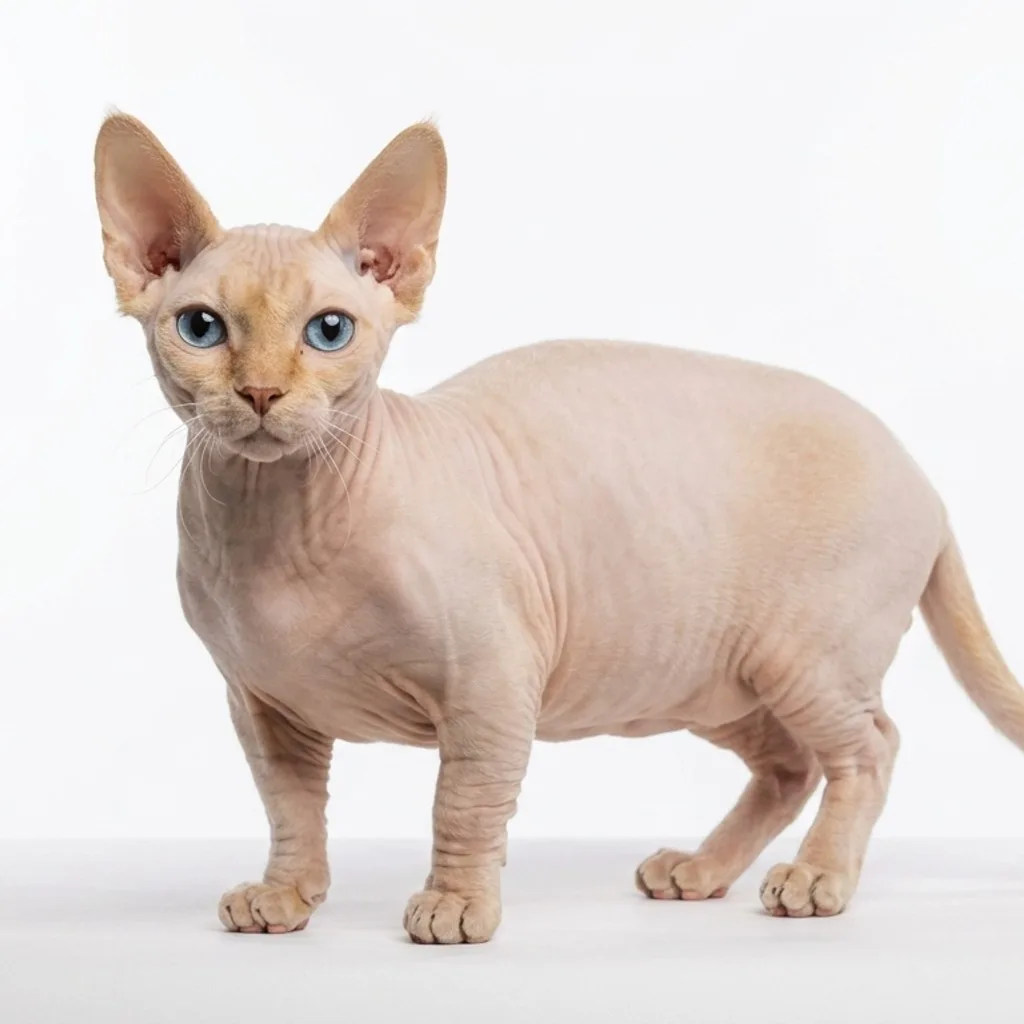
Bambino
A hairless, short-legged cross between a Sphynx and Munchkin. They are incredibly outgoing, affectionate, and require specialized skin care and warmth.
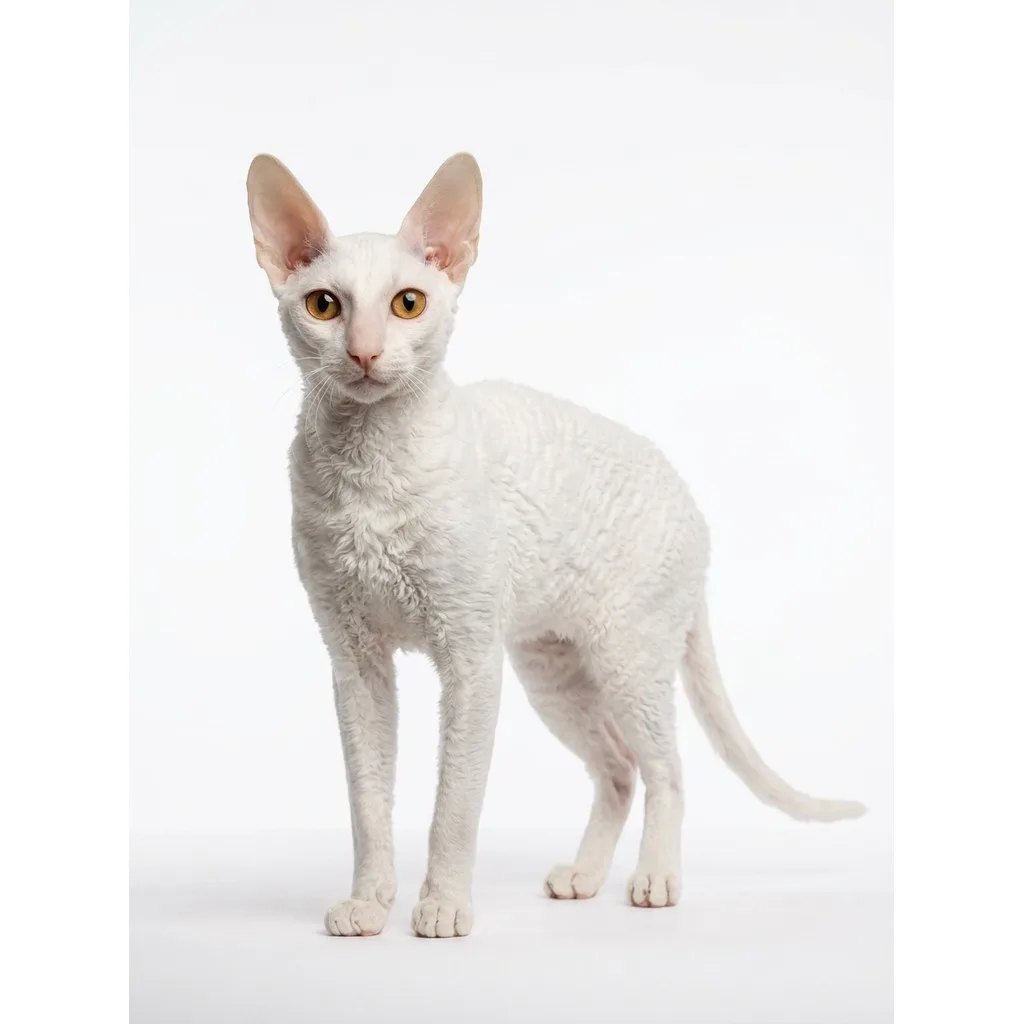
Cornish Rex
Famous for their curly 'wave' coat and bat-ears. Cornish Rex are playful, high-energy, and exceptionally soft to the touch.
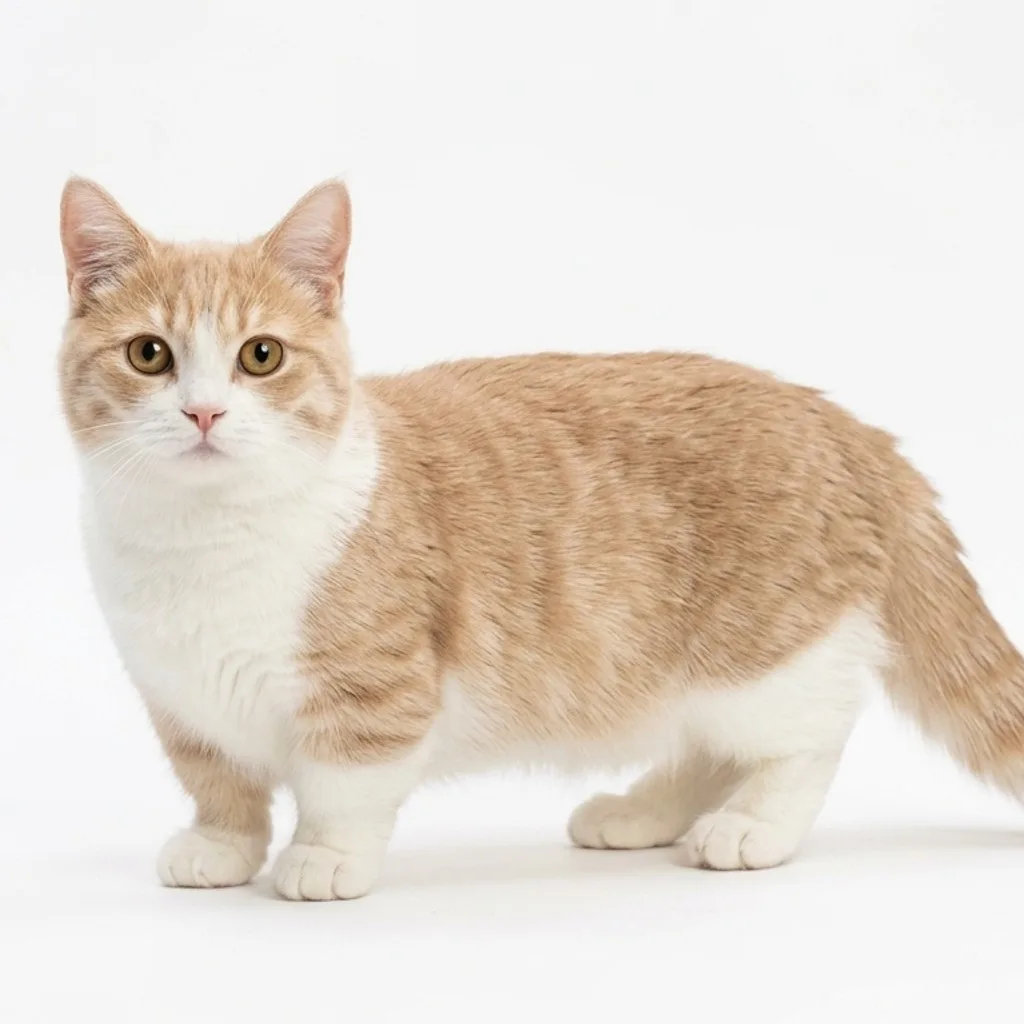
Munchkin
Known for their short legs, Munchkins are playful, extroverted, and surprisingly agile. They are fast runners and love to cuddle, making them great house pets for modern, indoor-focused Kiwi families.
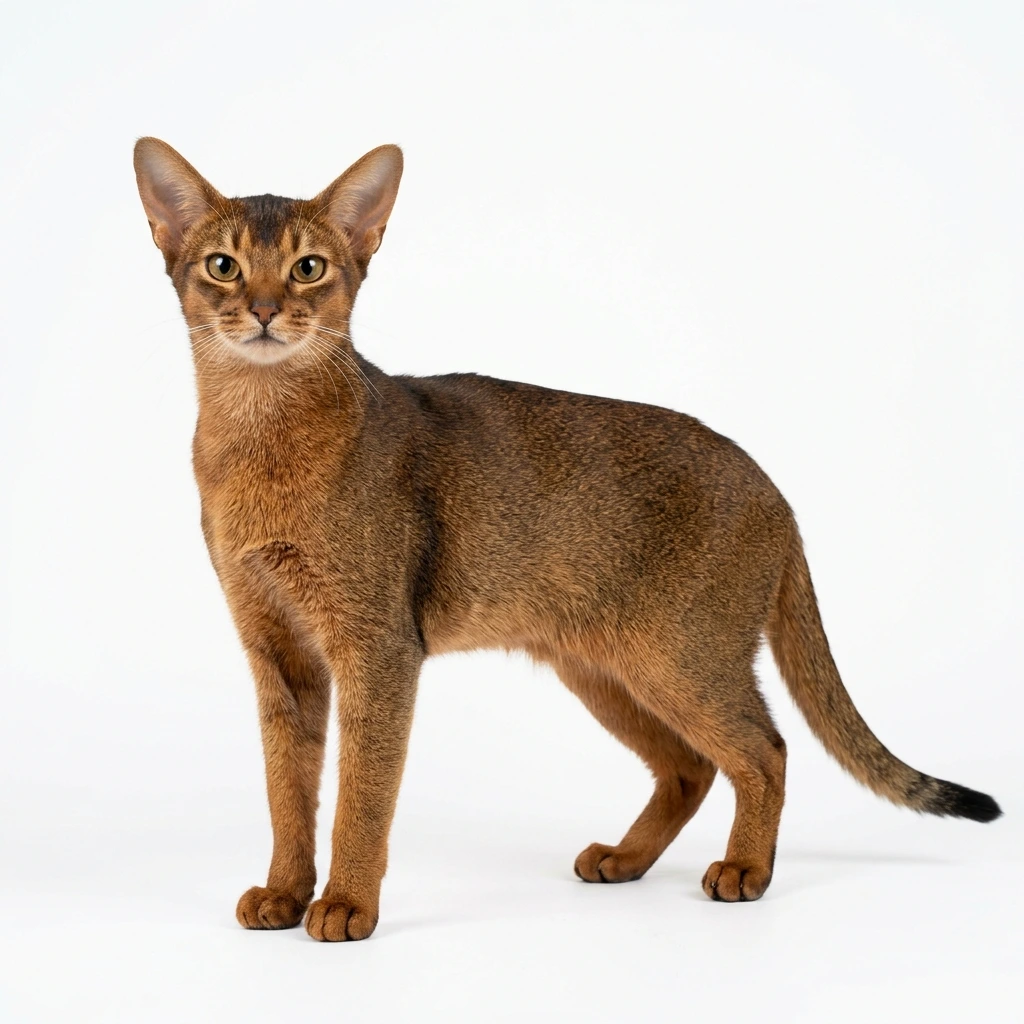
Abyssinian
The Abyssinian is a highly intelligent, active, and curious athlete. Known as the 'clowns of the cat world,' they love vertical space and being in the centre of family action. They are perfect for active Kiwi households that enjoy interactive pets.