Cat Breed Guide NZ
Munchkin
The Munchkin cat, often dubbed the 'dachshund of the cat world', is instantly recognisable by its distinctively short legs, a genetic mutation that gives them their unique low-slung appearance. Despite their stature, these felines are surprisingly agile, playful, and incredibly fast runners, darting around with remarkable speed. Their extroverted and affectionate nature makes them wonderful companions, always keen for a cuddle or a game. Munchkins are intelligent and easy-going, adapting well to various home environments. For modern, indoor-focused Kiwi families seeking a charming, low-maintenance, and loving pet that brings endless amusement and warmth, the Munchkin is an ideal choice, fitting perfectly into a relaxed New Zealand lifestyle.
Photo Gallery
Breed Snapshot
- Size
- 2 - 4 kg
- Lifespan
- 10 - 15 years
- Origin
- Being enriched
- Temperament
- Agile, Easy Going, Intelligent, Playful
- NZ Price
- $1,200 - $3,500 NZD from registered breeders; $150-$350 NZD adoption via SPCA (rarely available, but worth checking)
- Annual Vet Cost
- Estimated annual vet costs for a Munchkin in NZ typically range from $300 - $600 NZD for routine check-ups, vaccinations, and parasite control. However, due to potential breed-specific health issues like lordosis (spinal curvature) or pectus excavatum (sunken chest), costs could increase significantly if these conditions require ongoing management or surgery. Regular preventative care and early detection are key to managing these potential health concerns.
Personality Scores
NZ Lifestyle Fit
Munchkins are exceptionally well-suited to an indoor lifestyle, making them perfect for apartment living in cities like Auckland or Wellington. Their moderate size and playful yet calm demeanour mean they adapt well to smaller spaces, provided they have ample enrichment like cat trees and toys. For homes with a section, they should ideally be kept indoors or within a secure 'catio' to protect them from outdoor risks. Rural NZ farm life is generally unsuitable for Munchkins due to the inherent dangers of traffic, predators, and the difficulty their short legs might pose in navigating rough terrain. Auckland's humid summers and the South Island's cold winters are easily managed for an indoor cat, requiring standard home climate control. High UV levels in New Zealand are less of a concern for indoor cats, though window perches should offer some shade. There are no specific MPI (Ministry for Primary Industries) restrictions on owning Munchkin cats in New Zealand, beyond standard pet import regulations if bringing one into the country.
Origins & History
The Munchkin cat's distinctive short legs are the result of a naturally occurring genetic mutation, first widely recognised in the early 1980s in Louisiana, USA. A music teacher named Sandra Hochenedel rescued two pregnant stray cats, one of which gave birth to a litter of short-legged kittens. She named one of these 'Blackberry' and gave a male kitten, 'Tolouse', to a friend. It's from these two cats that the breed is believed to have descended. The breed was officially introduced to the public in 1991 at a TICA (The International Cat Association) cat show. Despite initial controversy and debate over the ethics of breeding cats with a genetic mutation, the Munchkin gained TICA championship status in 2003. While not as common as some other breeds, Munchkins have found their way to New Zealand, captivating Kiwi cat lovers with their unique charm and delightful personalities.
Appearance
The most striking feature of the Munchkin is, undoubtedly, its short legs, which are the result of an autosomal dominant gene affecting the long bones of the legs. Beyond this, Munchkins are medium-sized cats, typically weighing between 2 to 4 kg. They possess a moderately muscular body with a well-rounded chest. Their head is a modified wedge shape with high cheekbones and walnut-shaped eyes that can come in any colour. Their ears are medium-sized, broad at the base, and set high on the head. Munchkins can have either short or long hair, with the long-haired variety often referred to as 'Munchkin Longhair' or 'Lambkin'. Their coat comes in an astonishing array of colours and patterns, from solid blacks and whites to tabbies, points, and bi-colours, making each Munchkin a unique individual. Despite their short legs, their spine is generally unaffected, allowing for normal feline agility and movement, albeit closer to the ground.
Temperament & Personality
Munchkins are renowned for their delightful temperament. They are described as agile, easy-going, intelligent, and incredibly playful. Far from being hindered by their short legs, they are surprisingly quick and can navigate their environment with impressive speed and dexterity. They love to play, often engaging in games of chase and fetch, and are known for their 'magpie' tendencies, collecting and stashing small, shiny objects. Their intelligence makes them highly trainable, capable of learning tricks and even walking on a leash. Munchkins are extroverted and social creatures, thriving on interaction with their human families and generally getting along well with other pets. They are affectionate lap cats who love to cuddle, making them fantastic companions for individuals and families alike. Their curious nature means they're always exploring, often standing on their hind legs like a meerkat to get a better view.
Life in New Zealand
Munchkins are ideally suited to an indoor lifestyle, which aligns well with modern Kiwi living, particularly in urban areas. Their playful and affectionate nature makes them excellent family pets, easily integrating into homes with children and other animals. In New Zealand, where indoor-outdoor flow is common, it's crucial to ensure Munchkins are kept safe indoors or in a secure, cat-proofed 'catio' or enclosure. Their short legs, while not a disability, can make them more vulnerable to outdoor hazards, such as traffic or larger predators. Providing plenty of vertical space through cat trees and shelves will satisfy their climbing instincts, even if their jumps are a little lower than other breeds. Their adaptable and easy-going personality means they can thrive in a range of homes, from city flats to larger houses with secure sections.
Is This the Right Breed for You?
If you're looking for a cat with a unique appearance and an even more charming personality, the Munchkin could be your perfect match. They are ideal for families, singles, and seniors who can provide a loving, stimulating indoor environment. Their playful nature requires regular interaction and enrichment, so owners should be prepared to engage in daily play sessions. While generally healthy, potential owners should be aware of the breed's genetic predispositions and be committed to regular veterinary care. If you appreciate a cat that combines curiosity, affection, and a distinctive look, and you can offer a safe, indoor-focused home, a Munchkin will undoubtedly bring immense joy and entertainment to your New Zealand household.
Fun Facts
Fact 1
Munchkins are known for their unique 'magpie' habit of collecting and stashing small, shiny objects.
Fact 2
Despite their short legs, they are incredibly fast runners and can easily keep up with other cats in play.
Fact 3
They often stand up on their hind legs, like a meerkat, to get a better view of their surroundings.
Fact 4
The breed is named after the 'Munchkins' from 'The Wizard of Oz' due to their small stature.
Fact 5
Munchkin cats are often described as 'forever kittens' due to their playful nature well into adulthood.
Related Breeds
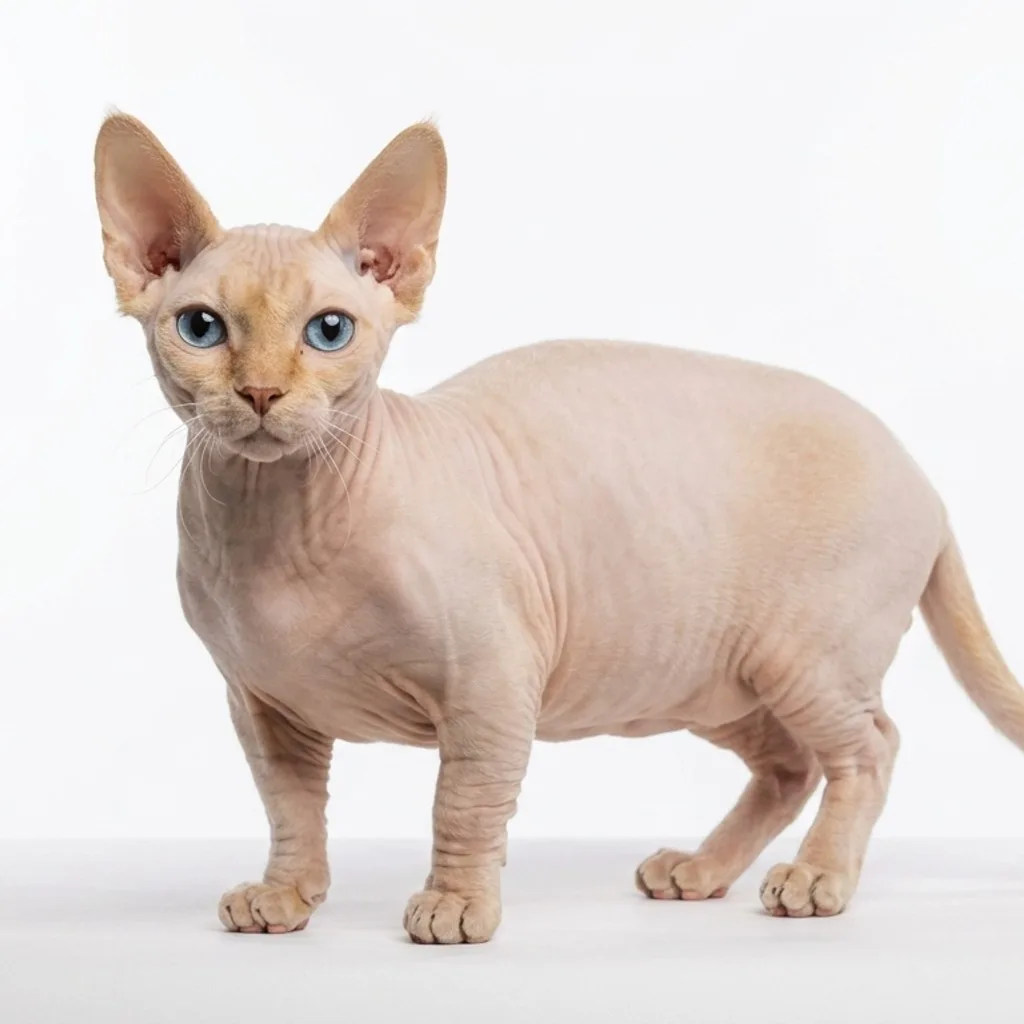
Bambino
A hairless, short-legged cross between a Sphynx and Munchkin. They are incredibly outgoing, affectionate, and require specialized skin care and warmth.
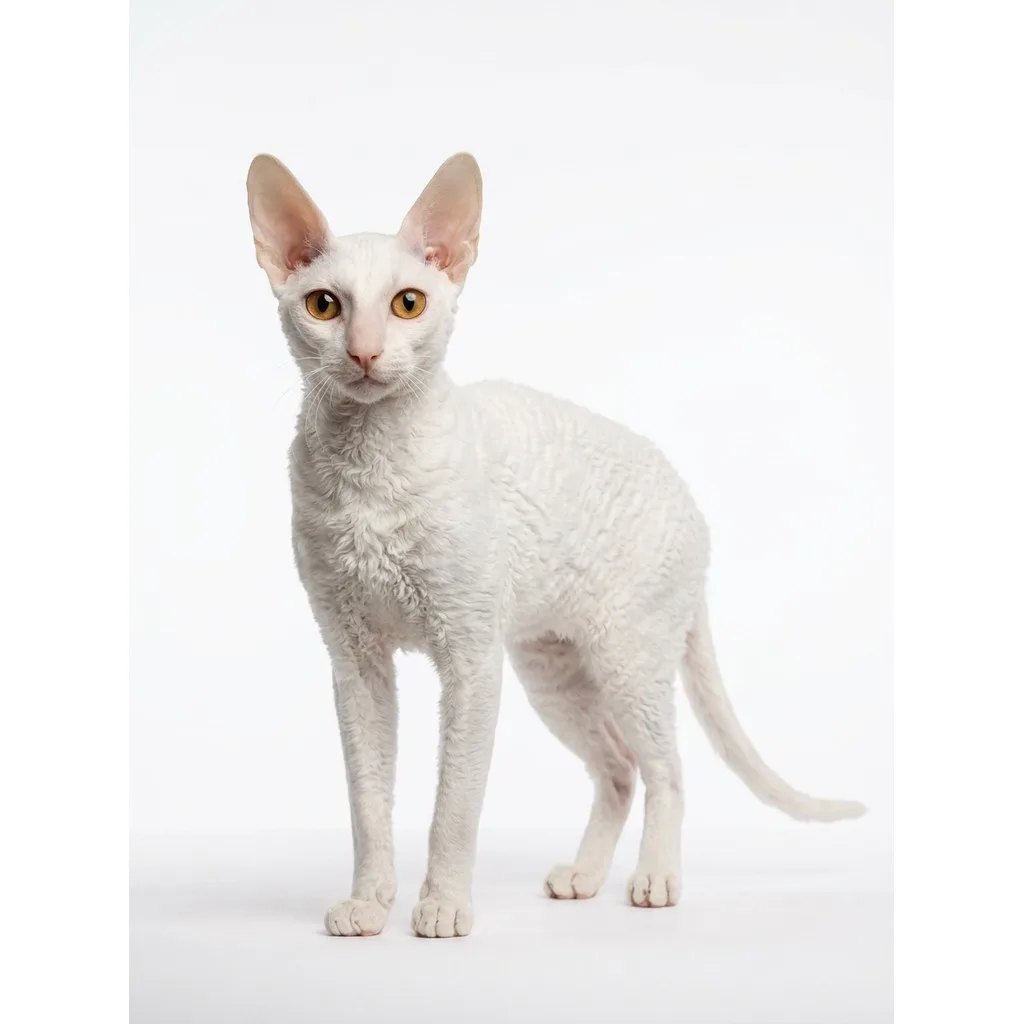
Cornish Rex
Famous for their curly 'wave' coat and bat-ears. Cornish Rex are playful, high-energy, and exceptionally soft to the touch.
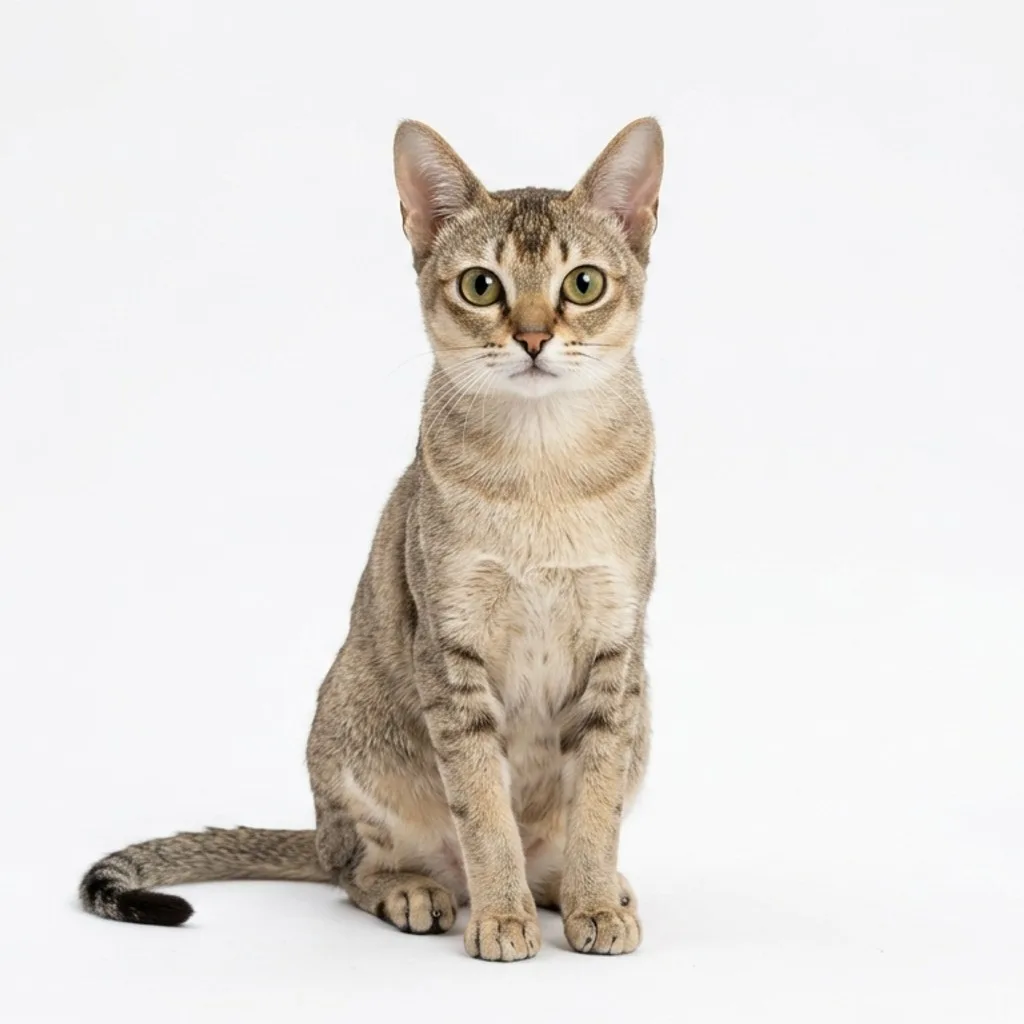
Singapura
One of the smallest breeds, known for its big ears and big eyes. They are high-energy, mischievous, and intensely social 'lap-magnets' that love being part of everything.
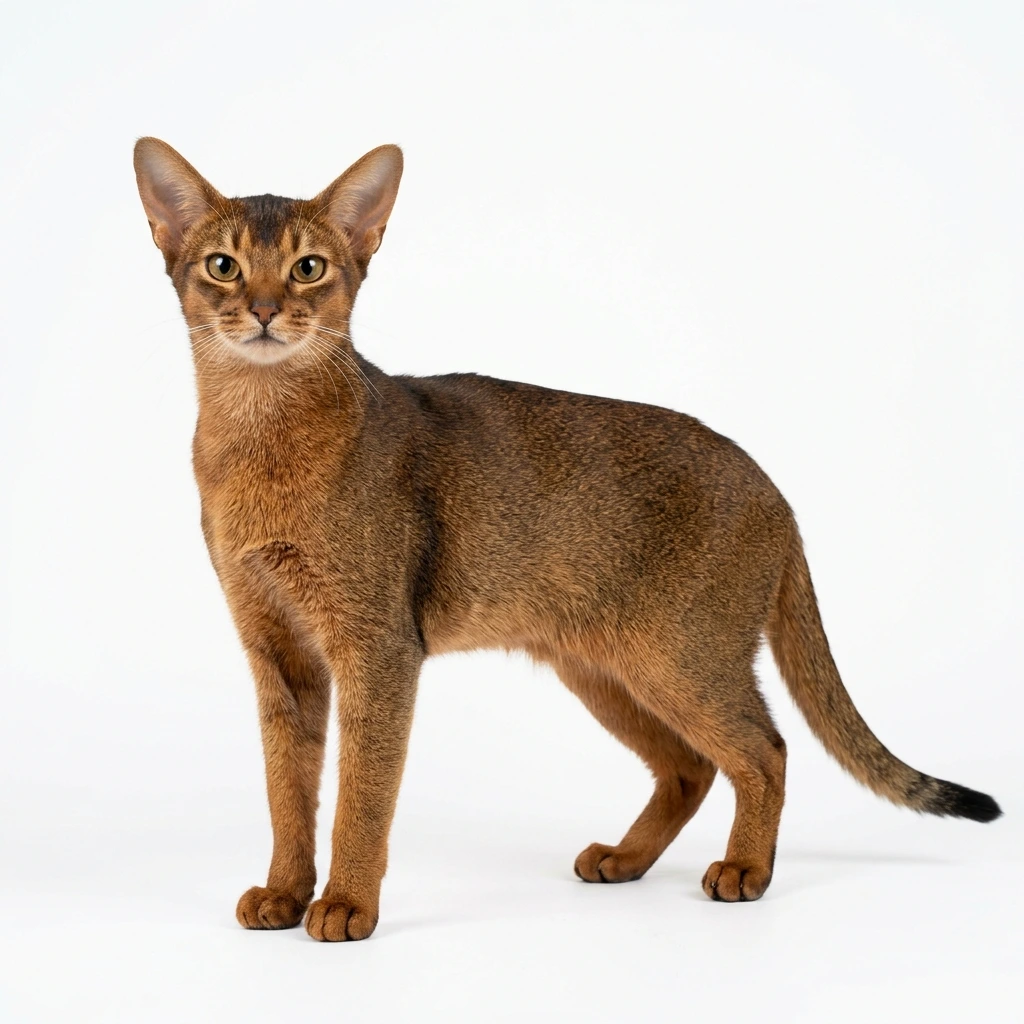
Abyssinian
The Abyssinian is a highly intelligent, active, and curious athlete. Known as the 'clowns of the cat world,' they love vertical space and being in the centre of family action. They are perfect for active Kiwi households that enjoy interactive pets.