Cat Breed Guide NZ
Cornish Rex
The Cornish Rex is a truly unique feline, instantly recognisable by its distinctive soft, wavy 'rexed' coat and large, expressive 'bat' ears. Originating from Cornwall, England, these elegant cats are celebrated for their exceptionally soft fur, which feels like velvet to the touch. Beyond their striking appearance, Cornish Rex cats are renowned for their playful, intelligent, and highly affectionate personalities. They thrive on interaction and form strong bonds with their human companions, often displaying dog-like loyalty. Their energetic and curious nature makes them delightful companions for active Kiwi households, adapting well to indoor living in a New Zealand flat or a family home.
Photo Gallery
Breed Snapshot
- Size
- 2 - 4 kg
- Lifespan
- 11 - 14 years
- Origin
- Being enriched
- Temperament
- Affectionate, Intelligent, Active, Curious, Playful
- NZ Price
- $1,200 - $2,800 NZD from registered breeders; $150-$350 NZD adoption via SPCA
- Annual Vet Cost
- Estimated annual vet costs for a Cornish Rex in New Zealand typically range from $350 - $600 NZD. This includes routine check-ups, vaccinations, and year-round flea and worm treatments. However, potential breed-specific health issues can increase this significantly. Cornish Rex cats can be predisposed to conditions such as Patellar Luxation (knee cap dislocation), Hypertrophic Cardiomyopathy (HCM - a heart condition), and a rare hereditary myopathy (spasticity). Diagnosing and managing these conditions could incur additional costs ranging from several hundred to several thousand NZD, depending on the severity and required treatments (e.g., specialist consultations, medications, surgery). Regular dental care, which may require professional cleaning, can also add to the annual expenditure.
Personality Scores
NZ Lifestyle Fit
The Cornish Rex is an excellent choice for various New Zealand living situations, provided their need for warmth and indoor safety is met. For an **apartment or flat in Auckland**, they are ideal companions. Their moderate size and high intelligence mean they thrive indoors, as long as they receive ample playtime and mental stimulation. Auckland's humid summers are generally fine for their coat, but they'll appreciate a warm spot in winter. For a **house with a section**, they will flourish, especially if a secure catio is available for safe outdoor enjoyment. Free-roaming outdoors is not recommended due to their delicate coat's lack of protection against NZ weather, predators, and high UV levels, which can cause sunburn on sparsely haired areas. They are **unsuitable for rural NZ farm life** as outdoor cats; their lack of protective fur makes them vulnerable to the elements and farm hazards. MPI has no specific restrictions on owning Cornish Rex cats in New Zealand. Owners should be mindful of the strong New Zealand sun and ensure their cats have shade or remain indoors during peak UV hours.
Origins & History
The Cornish Rex's story begins in a humble barn in Cornwall, England, in 1950. A cream-coloured cat named Serena gave birth to a litter of kittens, one of which, a male named Kallibunker, possessed a strikingly unusual curly coat. This natural genetic mutation, a spontaneous occurrence, was unlike any seen before. Recognising the unique quality of Kallibunker's fur, the owner sought advice from a local geneticist. Through careful selective breeding, primarily back to his mother and then to other domestic cats, the 'rex' gene was isolated and established. The breed quickly gained recognition for its distinctive appearance and charming temperament, making its way to New Zealand and other parts of the world, where it continues to captivate cat enthusiasts.
Appearance
The most defining characteristic of the Cornish Rex is its coat. Unlike most cats, which have three types of hair (guard, awn, and down), the Cornish Rex only possesses the soft, wavy down hair. This gives their fur a unique rippled or 'marcel wave' appearance, feeling incredibly soft and velvety. Their bodies are slender and elegant, often described as 'whippet-like,' with long, fine legs and a distinctly arched back. Their head is wedge-shaped, featuring high cheekbones and large, prominent ears that contribute to their 'bat-eared' nickname. Their eyes are typically oval and expressive, reflecting their intelligent and curious nature. Despite their delicate appearance, they are surprisingly muscular and agile, weighing between 2 to 4 kg.
Temperament & Personality
Cornish Rex cats are celebrated for their outgoing and affectionate personalities. They are often described as 'dog-like' due to their playful nature, intelligence, and strong desire for human companionship. These cats thrive on interaction, enjoying games of fetch, learning tricks, and even walking on a leash. They are incredibly curious and active, always keen to explore their surroundings and participate in household activities. Their intelligence means they require mental stimulation to prevent boredom. Cornish Rex are known for their 'lap cat' tendencies, loving to cuddle and seek warmth, often purring contentedly. They are generally good with children and other pets, provided they are introduced properly, making them excellent family companions.
Life in New Zealand
The Cornish Rex is well-suited to life in New Zealand, particularly as an indoor cat. Their fine, single-layer coat means they are sensitive to cold and prefer warm environments, making a heated Kiwi home essential, especially during the cooler South Island winters or chilly Auckland evenings. Their playful and curious nature means they thrive in an enriched indoor environment with plenty of toys, scratching posts, and climbing opportunities. While they love to explore, their delicate coat and lack of protective guard hairs make them vulnerable to the elements and potential dangers if allowed to roam freely outdoors. Many New Zealand owners opt for secure outdoor enclosures (catios) to allow their Cornish Rex to safely enjoy fresh air and sunshine without risk. Their adaptable nature means they can thrive in various New Zealand living situations, from a city flat to a spacious family home with a secure section.
Is This the Right Breed for You?
The Cornish Rex is an ideal companion for individuals or families seeking an interactive, affectionate, and playful cat. If you appreciate a cat with a unique appearance and a 'dog-like' personality that enjoys being involved in family life, this breed could be a perfect match. They require a commitment to providing mental stimulation and warmth, and ideally, a safe indoor environment. Their minimal grooming needs are a bonus, but their high energy and social requirements mean they are not suited for owners who are frequently away or cannot dedicate time to play and interaction. If you're looking for a loyal, intelligent, and endlessly entertaining feline friend to share your New Zealand home, the Cornish Rex might just be the purr-fect addition.
Fun Facts
Fact 1
The first Cornish Rex, Kallibunker, was born in a barn in Cornwall, England, in 1950.
Fact 2
Their unique 'rexed' coat lacks guard hairs, making it incredibly soft and velvety to the touch.
Fact 3
Cornish Rex cats are often described as 'dog-like' due to their playful nature, intelligence, and loyalty.
Fact 4
They have a slightly higher body temperature than other cats, making them avid seekers of warm laps and sunny spots.
Fact 5
Many Cornish Rex enjoy playing fetch and can even be taught to walk on a leash.
Related Breeds
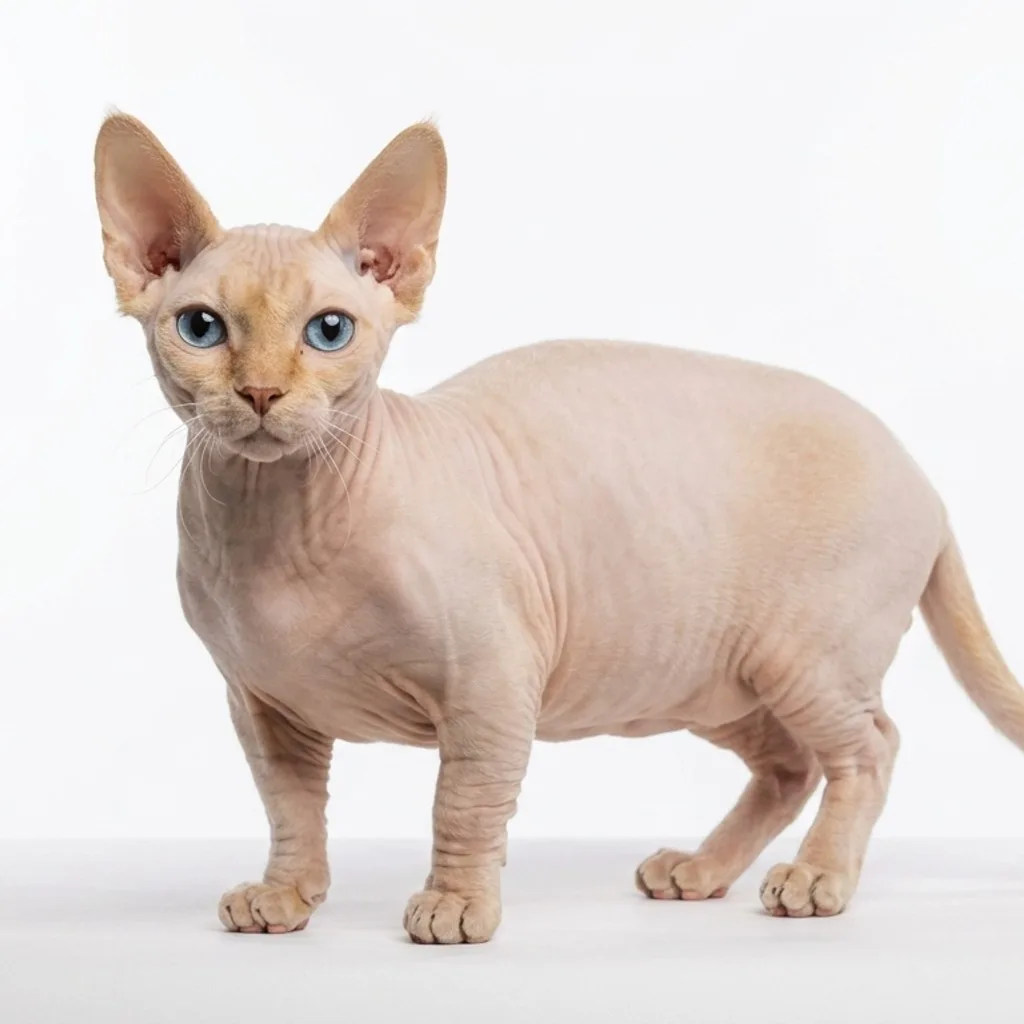
Bambino
A hairless, short-legged cross between a Sphynx and Munchkin. They are incredibly outgoing, affectionate, and require specialized skin care and warmth.
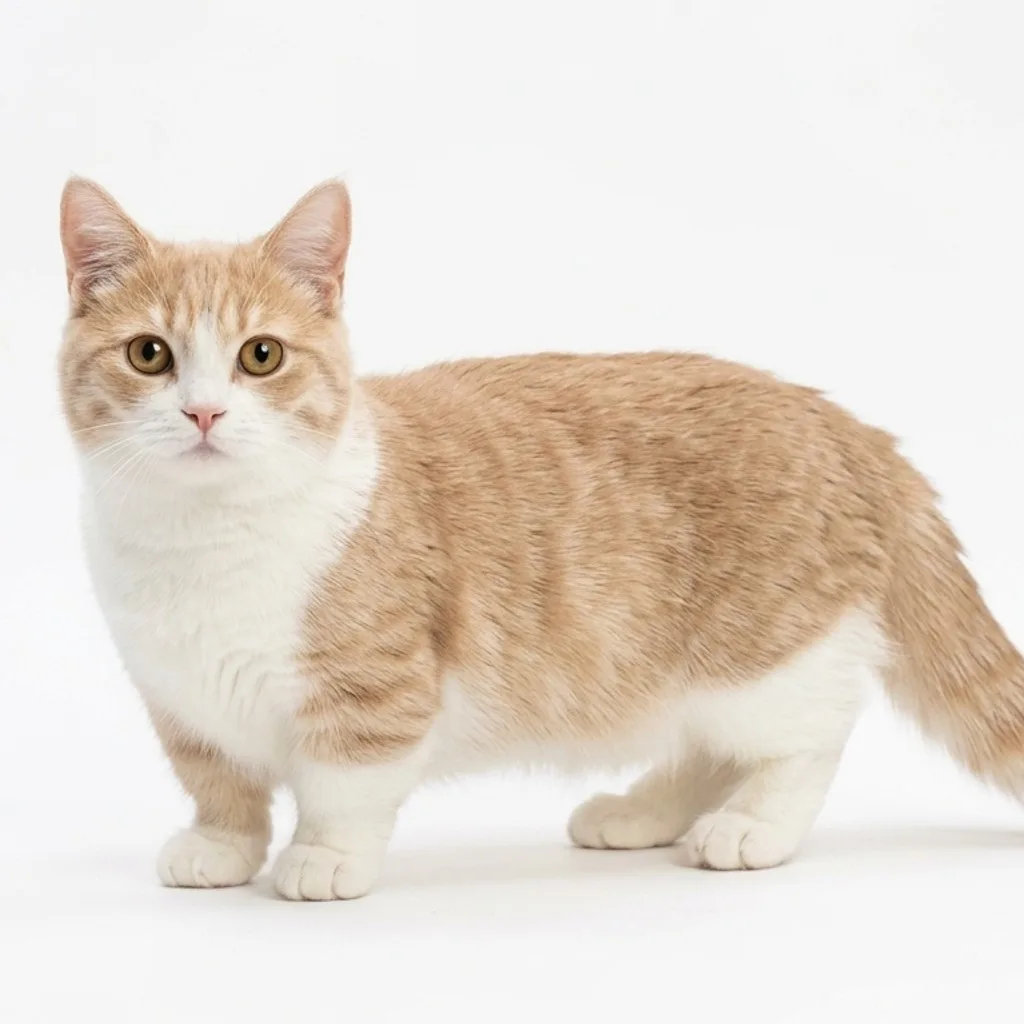
Munchkin
Known for their short legs, Munchkins are playful, extroverted, and surprisingly agile. They are fast runners and love to cuddle, making them great house pets for modern, indoor-focused Kiwi families.
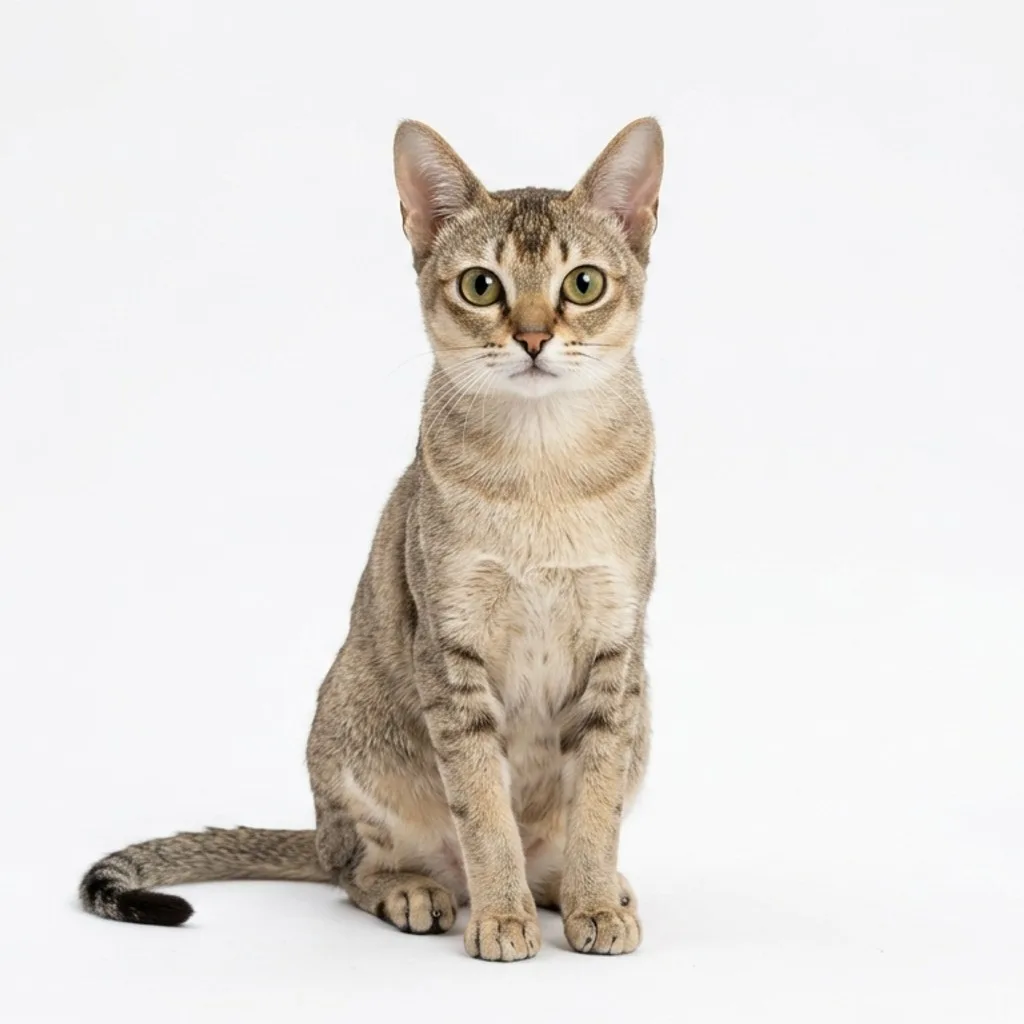
Singapura
One of the smallest breeds, known for its big ears and big eyes. They are high-energy, mischievous, and intensely social 'lap-magnets' that love being part of everything.
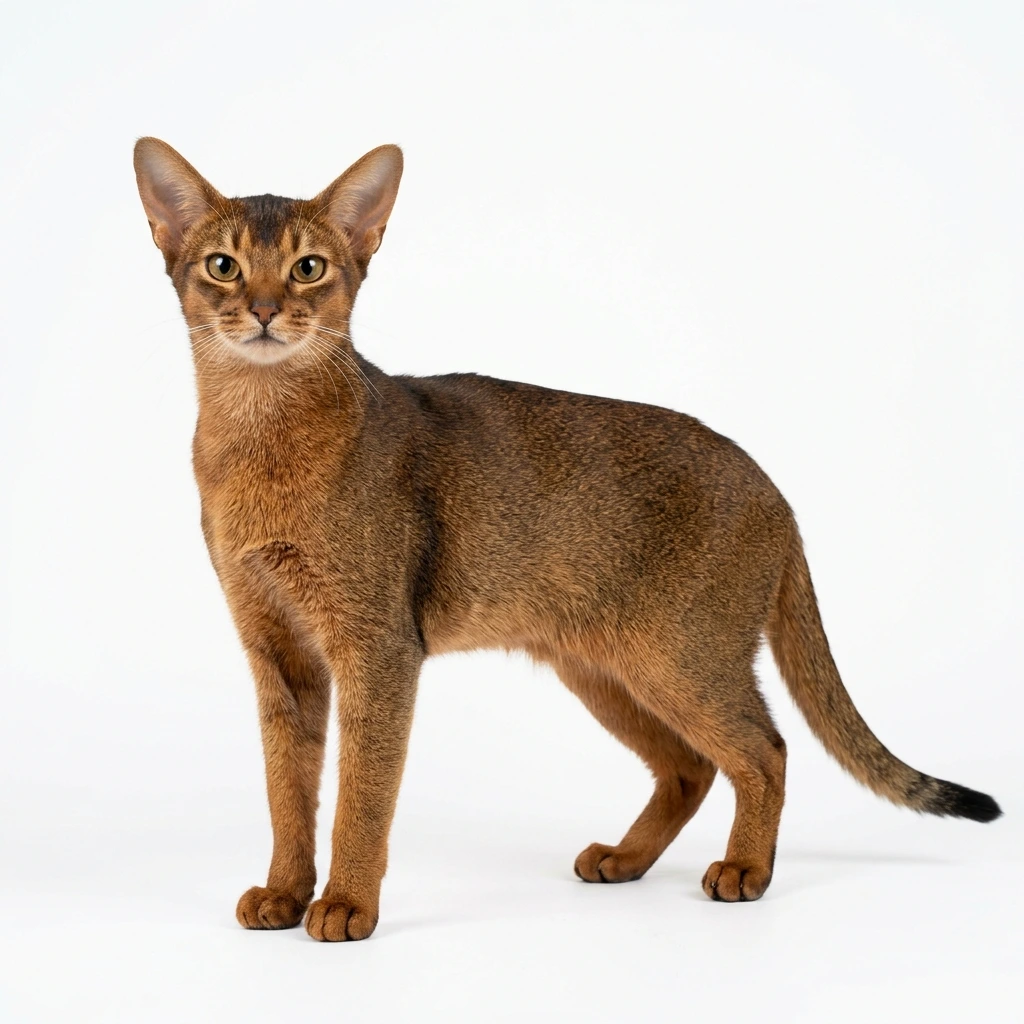
Abyssinian
The Abyssinian is a highly intelligent, active, and curious athlete. Known as the 'clowns of the cat world,' they love vertical space and being in the centre of family action. They are perfect for active Kiwi households that enjoy interactive pets.