Cat Breed Guide NZ
Abyssinian
The Abyssinian, often dubbed the 'clown of the cat world,' is a truly unique and captivating breed. Renowned for their striking ticked coat, slender athletic build, and large, expressive eyes, they exude an ancient, regal charm. Beyond their beauty, Abyssinians are highly intelligent, incredibly active, and profoundly curious, thriving on interaction and mental stimulation. They possess a dog-like loyalty and enjoy being at the heart of family activities, often seeking out high perches to observe their domain. For active Kiwi households who appreciate an engaging, playful, and interactive feline companion, the Abyssinian is an ideal fit, bringing endless entertainment and affection.
Photo Gallery
Breed Snapshot
- Size
- 3 - 5 kg
- Lifespan
- 14 - 15 years
- Origin
- Being enriched
- Temperament
- Active, Energetic, Independent, Intelligent, Gentle
- NZ Price
- $1,850 - $2,500 NZD from registered breeders (Trade Me listed range); breeders usually take a deposit and quote directly. $150-$350 NZD adoption via SPCA (rarely available).
- Annual Vet Cost
- Estimated annual vet costs for an Abyssinian in NZ typically range from $350 - $700 NZD for routine care, including annual check-ups, vaccinations, and year-round flea and worm treatments. However, Abyssinians can be prone to certain breed-specific health issues such as Pyruvate Kinase Deficiency (PKD), Progressive Retinal Atrophy (PRA), Patellar Luxation, and Renal Amyloidosis. Should these conditions arise, diagnostic tests, medications, or specialist treatments could significantly increase annual costs, potentially adding an extra $500 - $2,000+ NZD depending on the severity and required interventions.
Personality Scores
NZ Lifestyle Fit
The Abyssinian is a highly adaptable cat, well-suited to various New Zealand living situations with the right provisions. For an apartment in Auckland, they thrive if given abundant vertical space like cat trees and shelves, along with daily interactive play to burn off energy. Auckland's humid summers mean good ventilation and access to cooler spots are appreciated. A house with a section offers more room for exploration, but a secure catio or supervised leash walks are crucial to protect native wildlife and the cat itself from hazards. In rural NZ farm settings, Abyssinians should be strictly indoor cats or confined to a secure outdoor enclosure. Their strong prey drive poses a risk to native birds and small animals, and they face dangers from farm machinery or other animals. New Zealand's high UV levels necessitate indoor living or shaded outdoor areas to prevent sunburn, especially for lighter-coated cats. While their short coat handles most NZ conditions, South Island winters might require extra warmth indoors. There are no specific MPI restrictions on owning Abyssinian cats in New Zealand, but responsible pet ownership, including desexing and microchipping, is always encouraged.
Origins & History
The Abyssinian cat's origins are shrouded in a fascinating blend of history and legend, giving them an almost mythical quality. While their name suggests a connection to Abyssinia (modern-day Ethiopia), genetic studies indicate their ancestral home is more likely the coast of the Indian Ocean and parts of Southeast Asia. The breed as we know it today was primarily developed in the United Kingdom, with the first Abyssinian cat, Zula, reportedly brought to England from Abyssinia after the Abyssinian War in 1868. Early Abyssinians were selectively bred to enhance their distinctive 'ticked' or 'agouti' coat pattern, which resembles the coat of wild rabbits and gives them a shimmering, exotic appearance. They quickly gained popularity for their unique look and engaging personalities, establishing themselves as one of the world's most beloved and ancient-looking cat breeds.
Appearance
The Abyssinian is a medium-sized cat, typically weighing between 3 to 5 kg, with a lithe, muscular, and graceful build that belies their strength and agility. Their most defining feature is their short, fine, and close-lying ticked coat. Each hair strand has multiple bands of colour, with darker bands at the tip, creating a shimmering, iridescent effect that changes with movement and light. The most common colour is 'Ruddy' (a warm reddish-brown with black ticking), but they also come in 'Red' (sorrel), 'Blue' (a soft grey with slate-blue ticking), and 'Fawn' (a warm rose-beige with cocoa-brown ticking). They possess large, almond-shaped eyes, typically gold or green, outlined with a fine dark line, giving them an intense, intelligent gaze. Their large, broad ears are set well apart, contributing to their alert and inquisitive expression. A slender neck, long tapering tail, and delicate paws complete their elegant profile, making them truly striking felines.
Temperament & Personality
True to their 'clown of the cat world' moniker, Abyssinians are renowned for their vibrant, playful, and highly intelligent personalities. They are incredibly active and energetic, constantly exploring their surroundings with boundless curiosity. Unlike some more aloof breeds, Abyssinians thrive on interaction with their human families, often following their owners from room to room, eager to participate in whatever is happening. They are not typically 'lap cats' in the traditional sense, preferring to be near you rather than on you, but they are incredibly affectionate and will often 'help' with household tasks or perch on a shoulder. Their intelligence makes them highly trainable, capable of learning tricks, playing fetch, and even walking on a leash. They require significant mental and physical stimulation to prevent boredom, which can lead to mischief. Despite their independent streak, they are gentle and generally get along well with respectful children and other pets, making them wonderful companions for active Kiwi households.
Life in New Zealand
Bringing an Abyssinian into a New Zealand home means welcoming a dynamic and interactive family member. Their high energy and intelligence mean they thrive in environments where they receive plenty of attention, play, and mental enrichment. In New Zealand, it's highly recommended to keep Abyssinians as indoor cats or provide them with secure outdoor access, such as a 'catio' or a supervised, harness-and-leash walk in a safe backyard. This protects them from traffic, other animals, and helps safeguard New Zealand's precious native birdlife, which their strong hunting instincts might otherwise threaten. They adapt well to various living situations, from a spacious house with a secure section to a well-appointed flat, provided they have ample vertical space (cat trees, shelves) and interactive toys. Their short coat makes them adaptable to New Zealand's varied climate, though they appreciate warm, cosy spots during cooler South Island winters and good ventilation during humid Auckland summers.
Is This the Right Breed for You?
An Abyssinian is an excellent choice for individuals or families in New Zealand who are seeking an engaging, intelligent, and active feline companion. If you enjoy interactive play, are willing to provide consistent mental stimulation through puzzle toys and training, and appreciate a cat that is always 'involved' in family life, then an Abyssinian could be your perfect match. They are not suited for households where they will be left alone for long periods without enrichment, as their intelligence and energy can lead to boredom and destructive behaviours. Their gentle nature makes them suitable for families with children who understand how to interact respectfully with a cat, and they often get along well with other pet-friendly animals. If you're ready for a lively, affectionate, and endlessly entertaining companion who will keep you on your toes, the Abyssinian is a truly rewarding breed to welcome into your Kiwi home.
Fun Facts
Fact 1
Abyssinians are often called the 'clowns of the cat world' due to their playful and mischievous nature.
Fact 2
Their distinctive 'ticked' or 'agouti' coat pattern means each individual hair has multiple bands of colour, giving them a shimmering appearance.
Fact 3
Abyssinians have a strong love for heights and will often seek out the highest perches in your home to observe their surroundings.
Fact 4
They are frequently described as 'dog-like' in their loyalty, eagerness to play fetch, and tendency to follow their owners around.
Fact 5
The breed is believed to be one of the oldest cat breeds, with an appearance reminiscent of ancient Egyptian cats.
Related Breeds
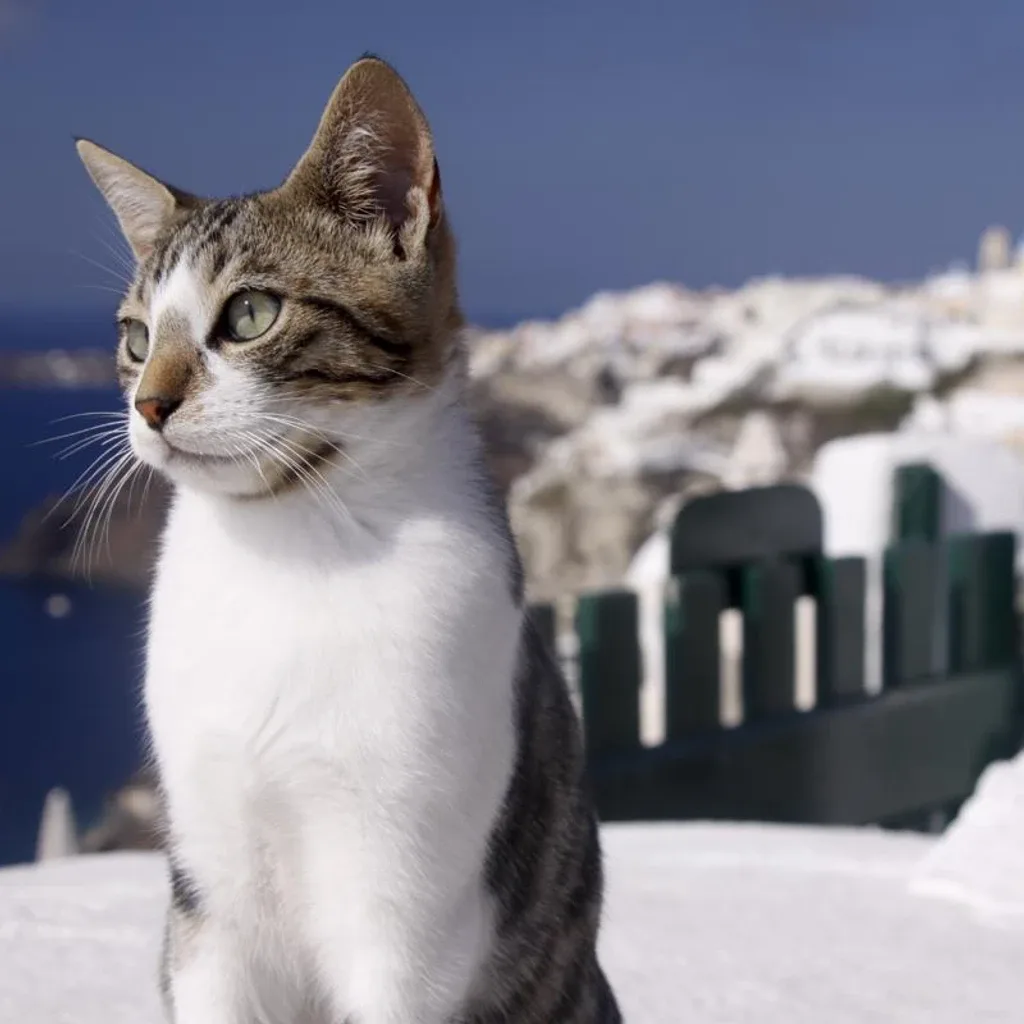
Aegean
A rare, natural breed from Greece, Aegeans are sturdy, social, and adaptable. They are famous for their love of water and their balanced, communicative nature.
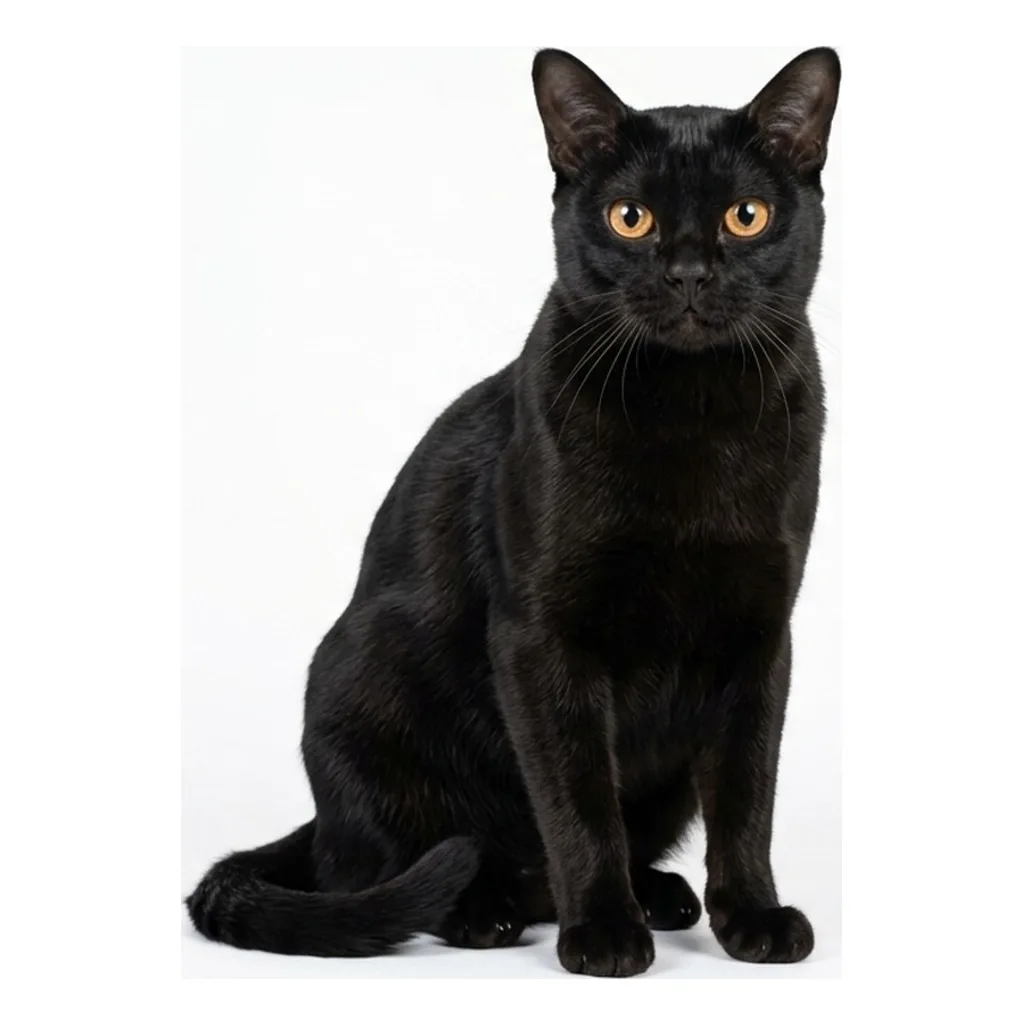
Bombay
The 'miniature panther.' Bombays are sleek, black, and copper-eyed. They are intensely people-oriented, affectionate, and love to investigate everything with their paws.
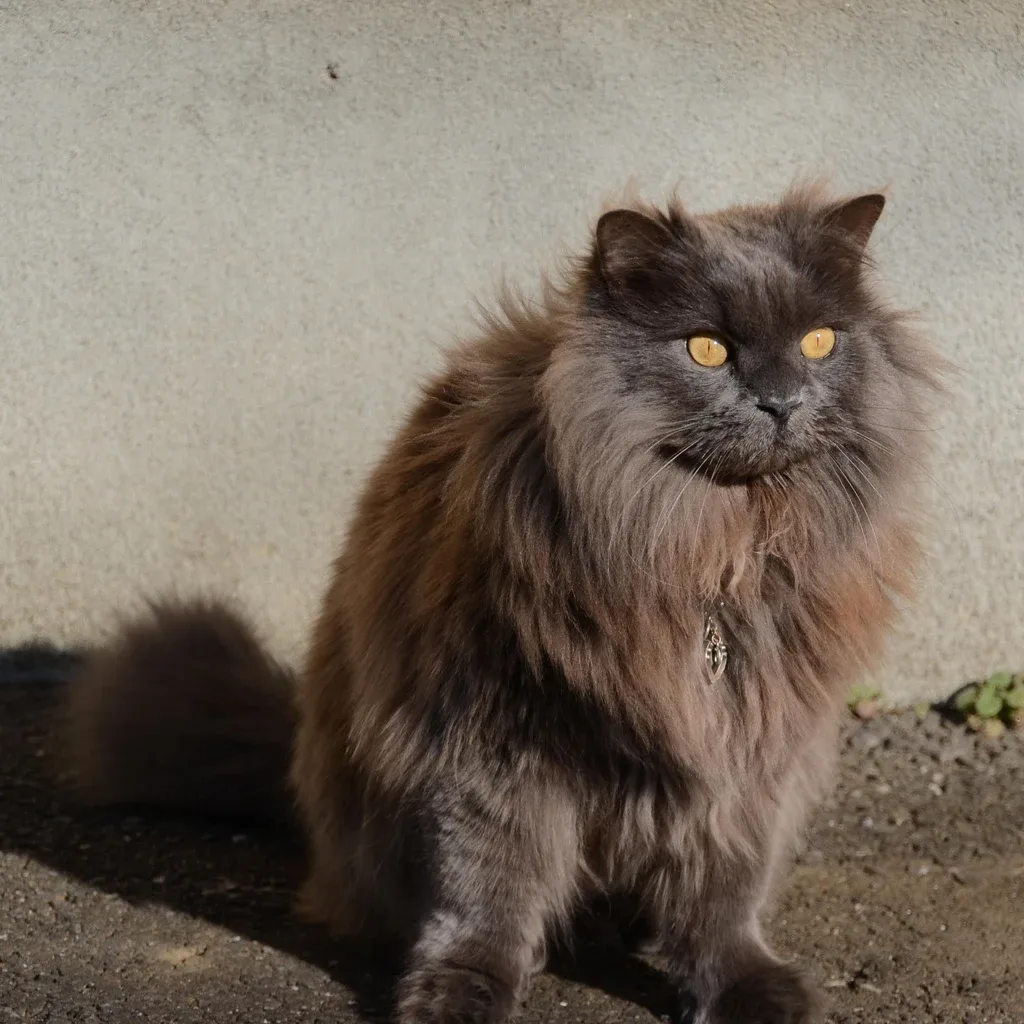
Chantilly-Tiffany
A medium-sized, long-haired companion known for its loyal and quiet nature. Often called 'chocolate lovers,' they are gentle, devoted cats.
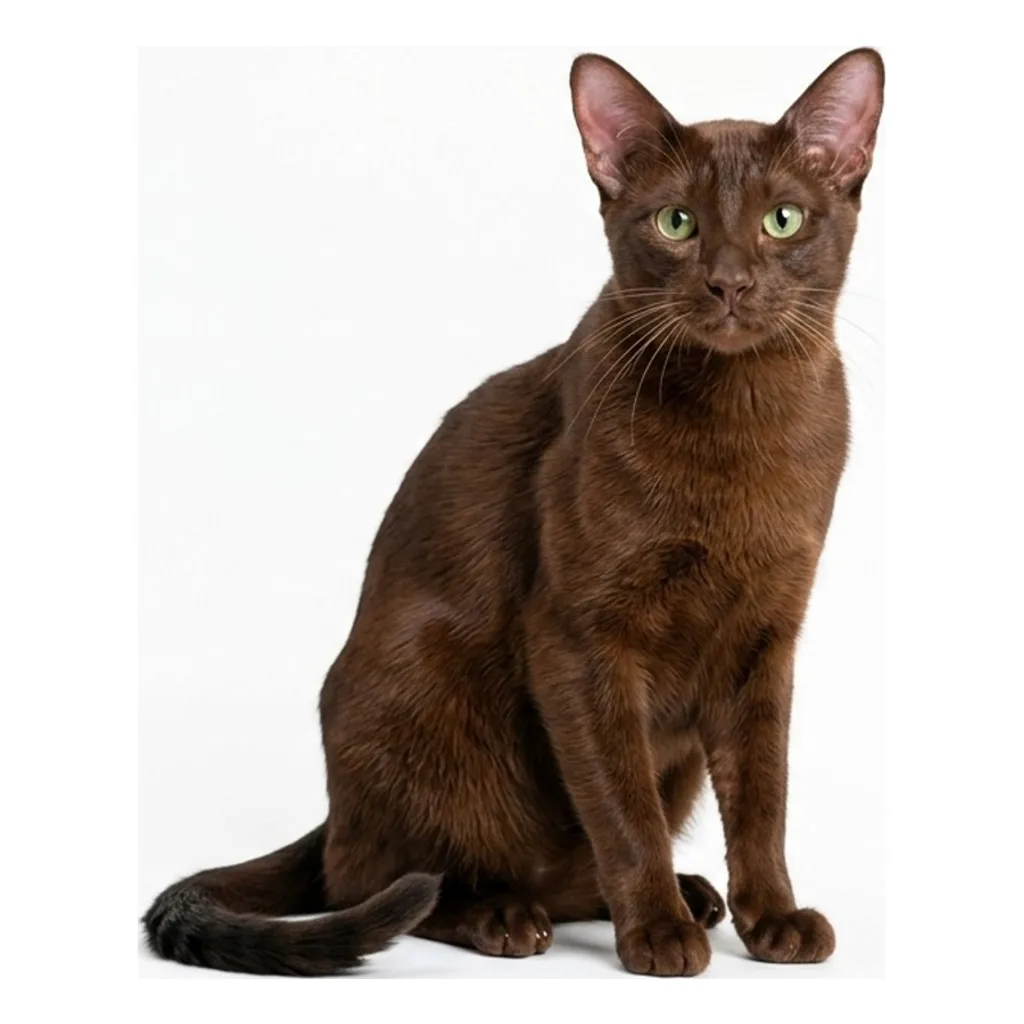
Havana Brown
Rare chocolate beauties with green eyes. Exceptionally people-oriented and intelligent, investigating everything with their paws.